


Every person is born into a season, and nature has silently allocated each of us a flower that corresponds. Birth month flowers are one of the world’s oldest botanical traditions, representing a personal identity based on mythology, astrology, and centuries of floral symbolism. Whether you’re looking for a birthday gift, planning a tattoo, or simply wondering about which bloom represents you, this guide covers every month.
What are birth month flowers?
Birth month flowers are unique blooms linked with each month of the year, similar to birthstones, but botanical. The custom dates back to Roman festivals that utilized flowers to honor the gods during specific months. Over time, Victorian flower language (floriography) developed the symbolism, providing rich significance to each bloom. Today, birth month flowers may be seen in jewelry, tattoo art, personalized presents, and landscape designs.
All 12 birth month flowers and their meanings
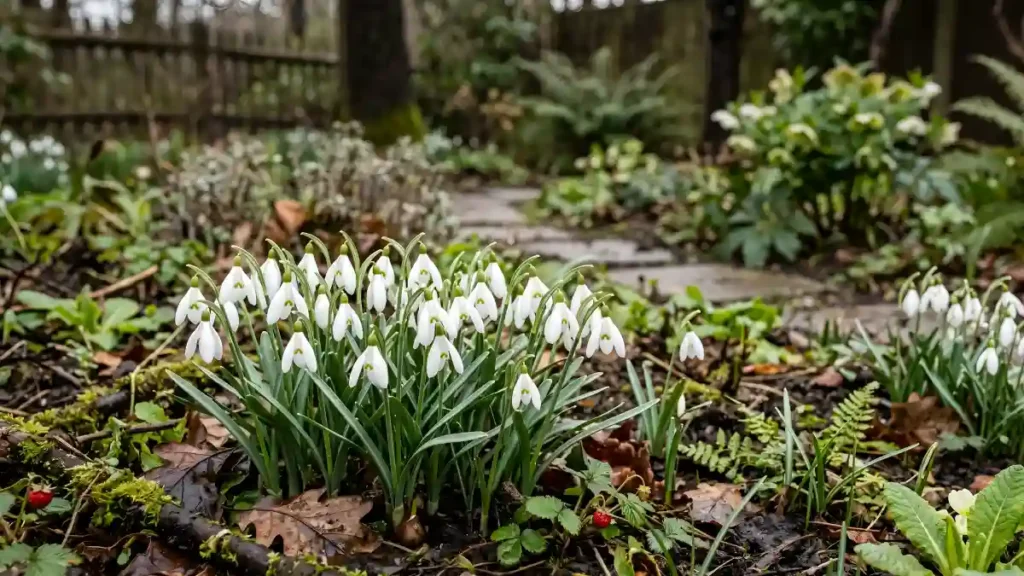
January – snowdrop & carnation
Snowdrops push through frozen ground before winter’s end, representing optimism, perseverance, and fresh beginnings – an appropriate metaphor for the first month of the year. The carnation, January’s secondary flower, symbolizes love, distinction, and appreciation. Red carnations symbolize profound devotion, while white carnations represent purity.
February – violet & primrose
Violets symbolize loyalty and commitment, making them appropriate for the month of Valentine’s Day. In ancient Greece, they were utilized in love potions and as crowns. The primrose adds a cheery touch, representing young love and the promise of things to come.
March – daffodil
The bright yellow daffodil is March’s only birth flower, and it needs no companion. It symbolizes rebirth, fresh beginnings, and incomparable delight. In Welsh custom, finding the first daffodil of the season is considered lucky. Giving only one daffodil, on the other hand, is a bad omen; always offer a bunch.
April – daisy & sweet Pea
April’s daisy represents innocence, real love, and fresh beginnings – a flower that has inspired several “he loves me, he does not” rituals. The sweet pea brings delicacy and fragrance to the month, representing delightful enjoyment and a heartfelt farewell.
May – lily of the Valley & hawthorn
Few flowers are as romantic as the lily of the valley, which is most connected with love, luck, happiness, and the return of joy. Meghan Markle picked this flower for her bridal bouquet. In the Celtic tradition, on the other hand, hawthorn blooms stand for ultimate pleasure and optimism.
June – rose & honeysuckle
June is known for the rose, possibly the world’s best-known flower. Roses represent love, beauty, and passion, with each hue having its own meaning (red for romance, yellow for friendship, and white for purity). Honeysuckle lends sweetness and dedication, symbolizing the links of love that strengthen with time.
July – larkspur & water Lily
The tall, beautiful larkspur symbolizes an open heart and strong attachment. Its vibrant blues and purples have made it popular in summer gardens. The water lily is a tranquil and exquisite emblem of purity, wisdom, and rebirth in many Eastern and Western cultures.
August – gladiolus & poppy
The gladiolus (from Latin gladius, meaning sword) represents power, moral integrity, and infatuation. It informs the receiver, “You pierce my heart.” August’s poppy symbolizes imagination, everlasting slumber, and remembering, but it also represents solace and beauty in its brilliant crimson color.
September – aster & morning Glory
Asters resemble stars scattered across an autumn garden, symbolizing knowledge, faith, and courage. Ancient people used to burn aster leaves to fend off bad spirits. The morning glory adds a romantic depth by opening its blossoms every dawn as a sign of love and the promise of a new day.
October – marigold & cosmos
The blazing marigold radiates warmth, inventiveness, and passion. Marigolds (cempasúchil) are traditionally used during Día de los Muertos to lead souls home. Cosmos flowers reflect order, harmony, and calm, providing a fitting contrast to October’s striking golden marigolds.
November – chrysanthemum
The chrysanthemum reigns supreme in November, and rightfully so. In Asia, it represents longevity, joy, and dignity (the Emperor of Japan’s throne is named the Chrysanthemum Throne). In Western culture, it symbolizes loyalty and committed companionship. With over 40 species, it comes in almost every color conceivable.
December – narcissus & holly
Narcissus (including paperwhite and jonquil types) blossoms in the dead of winter, representing hope, prosperity, and good fortune. It is customary in Chinese culture to blossom around the New Year to bring good luck. Holly, December’s secondary bloom, represents protection, foresight, and domestic happiness — and has been a midwinter symbol long before Christmas decorations existed.
Birth month flowers as gifts
| Month | Primary Flower | Best For Gifting |
| January | Snowdrop / Carnation | Birthdays, fresh starts |
| February | Violet | Valentine’s, anniversaries |
| March | Daffodil | Spring birthdays |
| April | Daisy | Young birthdays, friends |
| May | Lily of the Valley | Weddings, milestone birthdays |
| June | Rose | Any occasion |
| July | Larkspur | Summer bouquets |
| August | Gladiolus | Bold statement gifts |
| September | Aster | Autumn arrangements |
| October | Marigold | Harvest celebrations |
| November | Chrysanthemum | Remembrance, friendship |
| December | Narcissus / Holly | Winter, festive gifting |
How to use birth month flowers
- Personalised gifts: Birth flower pendants, rings, and charm bracelets are a trendy alternative to birthstones.
- Tattoo design: Birth month flowers have become one of the most popular tattoo ideas. They work well as minimalist line drawings or elaborate floral representations.
- Garden planning: Create a “birthday garden” with the birth flowers of everyone in your family; it will become a living, blossoming homage.
- Pressed flower art: Frame a dried specimen of someone’s natal flower as a meaningful, long-lasting memento.
Conclusion:
Birth month flowers are more than simply gorgeous flowers; they represent a unique botanical identity that ties you to centuries of history, symbolism, and natural beauty. Whether you wear it as jewelry, have it tattooed, or just tuck a handful into a birthday bouquet, knowing your natal flower provides a dimension of significance that a generic gift or message seldom does. In a world of mass-produced sentiment, there’s something quietly profound about a flower that was always, in some little way, intended for you.
Certainly! If you’d like to learn more, please consider following us on WhatsApp, Facebook, Instagram, YouTube, Twitter, and Pinterest.
Frequently asked questions about birth month flowers
Q1: Are birth month flowers the same worldwide?
A1: Generally, yes; however, there are some regional differences. Japanese and Chinese floral traditions link particular blooms with specific months, while the Western birth month flower list is generally consistent throughout Europe and North America.
Q2: What is the rarest birth month flower?
A2: Lily of the valley (May) is considered one of the rarest and most valuable since it has a very limited blooming season and a distinct, intense smell that is impossible to reproduce synthetically.
Q3: Are birth month flowers different from zodiac flowers?
A3: Yes. Birth month flowers correlate to the calendar month, whilst zodiac flowers represent astrological signs (which last two months). The two systems sometimes overlap, but they are not identical.