
Author

Avery Smith

Browsing

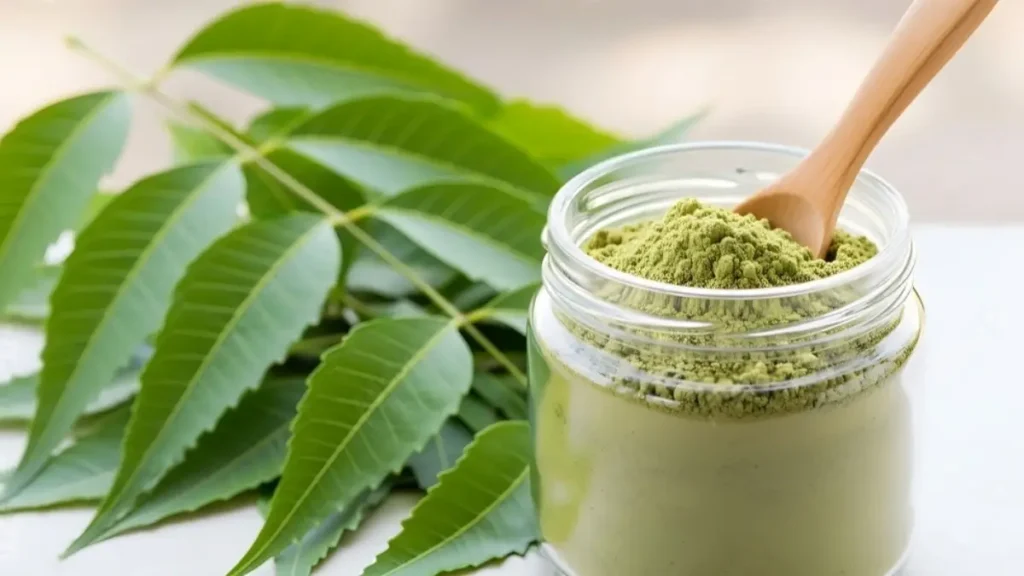
Nature’s treatments have a quiet power all their own, and neem is no exception. The phrase 9 Benefits of Neem: Powerful Healing Secrets Revealed is more than simply a catchy title; it represents centuries of wisdom passed down through generations.

Neem, often known as the “village pharmacy,” has been utilized in traditional medicine for thousands of years. From treating skin issues to boosting immunity, this simple tree provides remedies that contemporary science is only beginning to grasp. Ironically, in a world obsessed with manufactured solutions, we frequently overlook natural marvels that flourish just in our own backyard.

Neem’s adaptability is what makes it so interesting. Leaves, bark, oil, and even flowers—all elements of the tree have therapeutic properties. Whether you have acne, a weakened immune system, or digestive problems, neem quietly helps.

But here’s the twist: despite its bitter taste, neem has delicious health benefits. It’s almost as though nature is saying, “Good things don’t always come easy.”

Let’s dig deeper and discover the 9 Benefits of Neem: Powerful Healing Secrets Revealed, step by step.

Benefit AreaKey Advantage
Skin HealthClears acne and infections
Hair CareStrengthens roots and reduces dandruff
ImmunityBoosts natural defense system
Blood PurificationDetoxifies harmful toxins
Oral HealthPrevents gum disease
DigestionImproves gut health
Anti-inflammatoryReduces swelling and pain
AntibacterialFights harmful microbes
Blood SugarHelps regulate glucose levels

One of the most major benefits of neem is its capacity to boost the immune system. Neem contains potent antioxidants that combat free radicals and protect the body from illness.

How it helps:

  • Improves immunological response.
  • fights bacteria and viruses.
  • Reduces inflammation.

Neem is known for its helpful skin-healing qualities, which are especially efficient against acne, pimples, and other skin disorders. It can help cure acne and scars, reduce pigmentation, and soothe inflammation and redness.

Neem has a long history of use in dentistry, with methods such as chewing neem sticks or using neem-based toothpaste proven to improve oral health. Neem has several benefits, including the potential to prevent gum disease, decrease plaque formation, and counteract foul breath.

Neem is recognized for its blood-purifying capabilities, which help to remove toxins from the body, resulting in better overall health and energy levels. Neem has several beneficial effects, including blood purification, better liver function, and increased metabolism.

Neem is well known as a helpful treatment for a variety of hair problems, notably dandruff, hair loss, and scalp infections. Its advantages include strengthening hair roots, decreasing dandruff, and supporting healthy hair development, making it an excellent natural treatment choice for keeping hair healthy.

Neem has been found as a potentially useful herbal therapy for people with diabetes, especially when used carefully. Its therapeutic effects can be ascribed to a variety of methods. For starters, it has been shown to increase insulin sensitivity, which is essential for the body’s optimal glucose use. Furthermore, neem has been demonstrated to lower blood glucose levels, contributing in the management of hyperglycemia. Furthermore, it promotes pancreatic health, which is essential for insulin synthesis and control. Together, these qualities indicate that neem can be an effective addition in the diabetic control regimen when taken correctly.

Neem has shown high potency against a variety of pathogens, including bacteria, fungus, and viruses, making it a popular ingredient in natural medicines. Its principal applications include treating wounds, avoiding infections, and repairing skin disorders, demonstrating its diverse therapeutic promise in infection control and dermatological health.

Neem improves digestive health by attacking dangerous germs and promoting overall digestive wellbeing. Its digestive advantages include lowering acidity, preventing ulcers, and improving gut health, all of which contribute to a healthy and efficient digestive tract.

Neem oil is a popular natural insect repellent that is used in agriculture as well as in the home. Its significant advantages include the capacity to efficiently repel mosquitoes, creating a barrier against these prevalent pests. Additionally, neem oil provides strong protection for plants, sheltering them from a variety of hazardous insect pests that might endanger their health and growth. Furthermore, it distinguishes itself as an environmentally benign alternative to standard chemical pesticides, appealing to customers and farmers seeking sustainable pest management solutions. These characteristics make neem oil an important resource for ensuring human comfort and agricultural output while reducing environmental damage.

The trip through 9 Benefits of Neem: Powerful Healing Secrets Revealed demonstrates that neem is more than a tree; it is a natural healer.

Despite its bitter taste, neem has several health and cosmetic advantages. In a world full with artificial solutions, neem serves as a reminder that sometimes the simplest remedies are the most effective.

Certainly! If you’d like to learn more, please consider following our WhatsApp Channel, Facebook, Instagram, YouTube, Twitter, and Pinterest.

Q1: Are there any side effects of neem?

A1: Excessive usage may result in minor stomach problems or allergies.

Q2: What are the main benefits of neem oil for hair?

A2: Neem oil improves scalp health, reduces dandruff, strengthens hair roots, and promotes better hair development.

Q3: What are the main benefits of neem powder?

A3: Neem powder is regarded for its antibacterial, antifungal, and anti-inflammatory effects, which benefit skin, hair, and general health.

Q4: What is the best way to consume neem?

A4: Neem can be taken as juice, powder, or capsules, according on your preferences.

Q5: Can neem cure acne permanently?

A5: Neem can help reduce acne, but it is most effective when used with a thorough skincare routine.

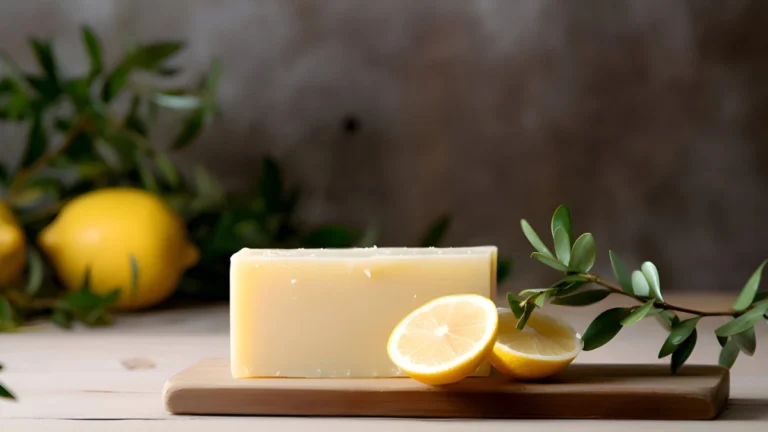
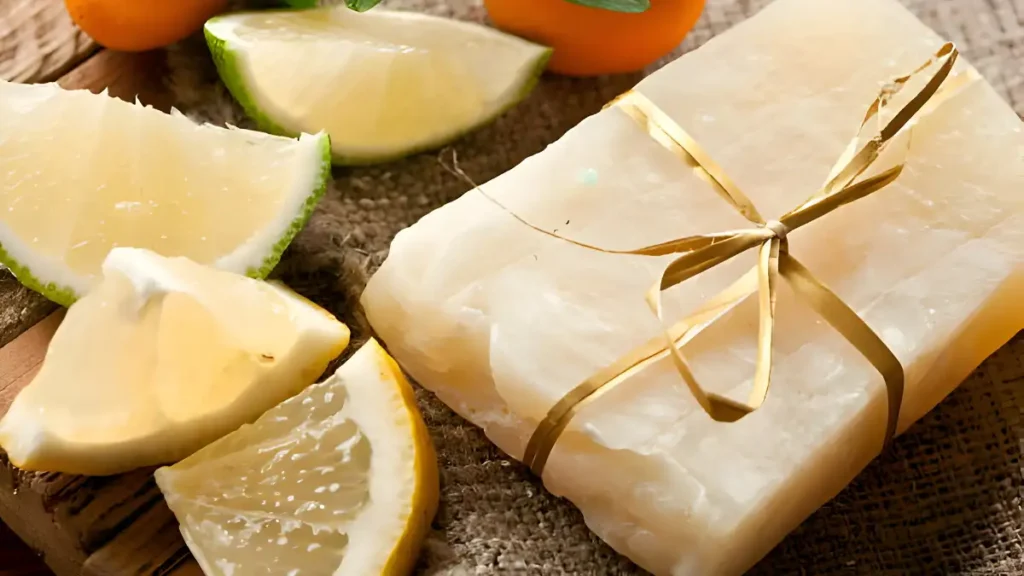
In addition to being a lovely addition to your skincare regimen, homemade soaps let you alter the ingredients to suit your tastes. With the help of natural oils and the freshness of lemons, this homemade lemon soap recipe creates a zesty and energizing cleansing experience. You can make your batch of delicious lemon soap by following these easy instructions.

  • Use a cheese grater to shred the lemon zest finely. Make sure only to grate the lemon’s outer yellow layer; do not grate the bitter white pith.
  • To make melting easier, cut the glycerin soap base into small cubes.
  • The cubed glycerin soap foundation should be placed in a microwave-safe container and microwaved for 30 seconds at a time until it melts completely. To guarantee consistent melting, stir in between batches.
  • Add the grated lemon zest, lemon essential oil, and vitamin E oil when the soap base has melted. To uniformly include all of the components, give the mixture a gentle stir.
  • Pour the mixture into the soap mold very carefully. To remove any air bubbles, lightly tap the mold against the counter.
  • Let the soap cool to room temperature so that it can solidify entirely. Depending on the size of your soap mold and the ambient temperature, this often takes one to two hours.
  • After the soap has hardened, carefully take it out of the mold. If it’s obstinate, you can try putting the mold in the fridge for a short while to assist the soap coming out.
  • You can now use your soap! To extend its shelf life, keep it out of direct sunlight and in a cool, dry place.
  • The natural exfoliating properties of lemon zest aid in revealing clearer, brighter skin by assisting in the removal of dead skin cells.
  • Lemon essential oil is useful in treating acne and other skin imperfections since it has antibacterial and antifungal qualities.
  • As a moisturizer, vitamin E oil nourishes and preserves the skin’s suppleness.

In conclusion, the natural components and zesty aroma of handmade lemon soap provide a revitalizing and delightful cleansing experience. Its exfoliating qualities combined with moisturizing oils can leave the skin feeling smooth, soft, and renewed. Using homemade lemon soap also fosters a sustainable and environmentally friendly approach to personal care in addition to healthier skin.

Certainly! If you’d like to learn more, please consider following our WhatsApp Channel, Facebook, Instagram, YouTube, Twitter, and Pinterest.

Q1: Is lemon soap suitable for all skin types?

A1: Most skin types can benefit from this soap, but those with dry or sensitive skin might want to test it on a tiny area of skin first because lemon can be slightly astringent and irritate certain people.

Q2: Can homemade lemon soap help with acne?

A2: Lemon soap’s inherent antibacterial qualities and ability to absorb excess oil from the skin may assist with acne. On the other hand, people who are prone to acne should exercise caution because lemons can occasionally cause sensitivity or discomfort.

Q3: Can lemon soap bar help with oily skin?

A2: Certainly, the natural astringent qualities of lemon assist in reducing excess oil production and unclogging pores, leaving the skin feeling rejuvenated and less greasy. This is why this soap bars are good for oily skin.

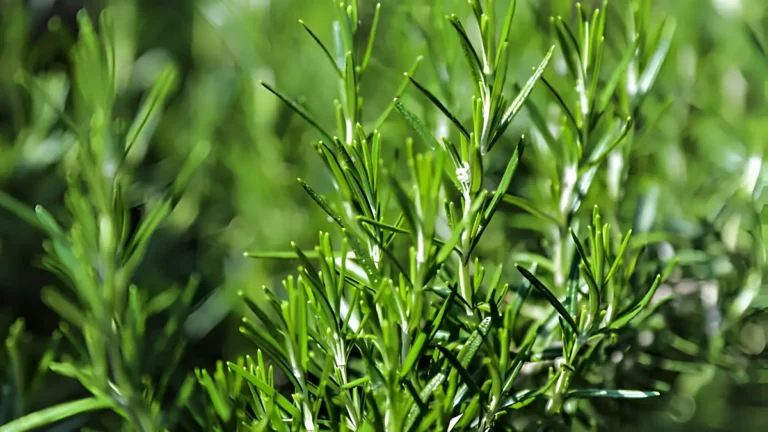
Rosemary, scientifically referred to as Rosmarinus officinalis, is a perennial herb native to the Mediterranean region, valued for its therapeutic and culinary uses. Generations have revered Rosemary, and many cultures and rituals around the world include it as a key part. Rosemary uses extend beyond the kitchen, encompassing therapeutic, cosmetic, and aromatic applications.

  • Rosemary has long utilized in herbal therapy because of its possible health benefits, which include better digestion and circulation, improved memory and focus, and relief from muscle discomfort.
  • Its calming and energizing perfume makes it useful in aromatherapy.
  • Steep dried rosemary leaves in boiling water for several hours to make a potent infusion. Use the cooled rosemary infusion as a last rinse after shampooing to help stimulate the scalp, encourage hair development, and add shine. When it comes to natural hair care, rosemary oil is a powerful potion with many advantages.
  • Fresh or dried, rosemary is a popular choice for arrangements because of its woody branches and fragrant leaves.
  • One can add it to food as a garnish to enhance its visual appeal.
  • Beef, lamb, chicken, and pork meals frequently season with rosemary.
  • Infusing oils and vinegar: Dressings, marinades, and salads can all benefit from the aromatic flavor of rosemary-infused oils and vinegar.
  • Baking: It adds a savory flavor to bread, focaccia, and other baked foods.
  • Stems can improve the flavor character of soups and stews when used.
  • Vegetable seasoning: A dash of rosemary works well on roasted vegetables, potatoes, and other recipes.
  • Rosemary can naturally repel insects if grown in gardens or placed around outdoor seating areas.

The conclusion of rosemary uses emphasizes its numerous advantages and various applications. Rosemary, a known herb in medicine, enhances mental clarity, reduces stress, and encourages hair development. Overall, rosemary’s many uses demonstrate its importance in domestic, culinary, and medical applications, making it a beloved herb with a long history of use and appreciation.

Certainly! If you’d like to learn more, please consider following our WhatsApp Channel, Facebook, Instagram, YouTube, Twitter, and Pinterest.

Q1: What are some common culinary uses for dried rosemary?

A1: Dried rosemary frequently gives taste and perfume to foods such as roasted meats, poultry, soups, stews, marinades, and sauces in cooking.

Q2: Can dry rosemary uses for hair care?

A2: Dried rosemary has natural qualities that support healthy hair, so people can use it to care for their hair.

Q3: How should I store dried rosemary to maintain its freshness?

A3: It is best to keep dried rosemary out of direct sunlight and moisture by keeping it in an airtight container in a cold, dark spot. This prolongs the duration of its flavor and aroma preservation.

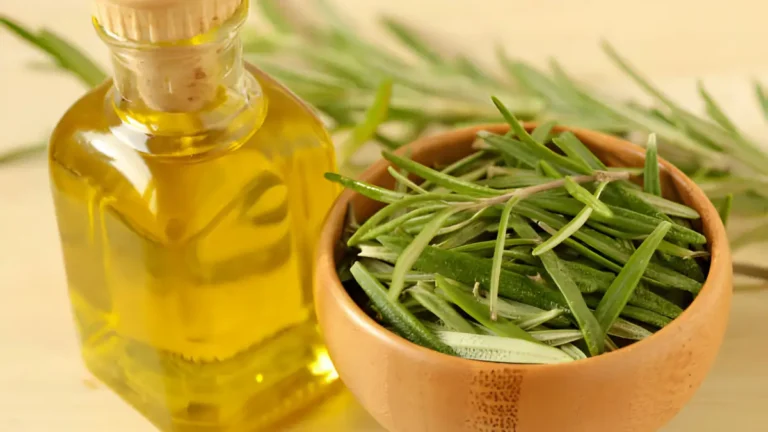
When it comes to natural hair care, rosemary oil is a powerful potion with many advantages. This herbal medicine has been prized for ages for its ability to feed the scalp and stimulate hair growth. Not only is making this oil at home easy, but it also gives you complete control over the ingredients, so you can customize it to suit the needs of your hair. By learning how to make rosemary oil at home, you may make use of its powerful properties in an economical and environmentally friendly way.

  • To begin, give the fresh rosemary leaves a thorough wash to get rid of any dirt or contaminants. After that, using a fresh towel or paper towel, pat them dry to eliminate any remaining moisture.
  • When rosemary leaves are bruised, their essential oils—which are beneficial to hair—are released. You can gently brush the leaves with your fingertips or use a mortar and pestle to bruise them.
  • Transfer the crushed rosemary leaves to a sanitized glass container. Make sure the leaves are fully soaked by covering them with your preferred carrier oil. By acting as a solvent, the oil draws the advantageous substances out of its leaves.
  • A more conventional approach would be to store the jar of oil and its leaves in a sunny area for two to four weeks. The warmth and sunlight will aid in transferring the scent and characteristics of the rosemary into the oil.
  • For a speedier outcome, you can also employ a moderate heat infusion method. For one to two hours, place the jar in a pot of simmering water (double boiler method). To stop any water from getting into the oil, make sure the water level is below the jar cover. To prevent overheating, pay attention to the water’s temperature and level.
  • After the infusion is finished, take the jar from the burner and allow it to come down to room temperature. Pour the oil into a fresh basin or straight into the storage bottle by straining it through cheesecloth or a fine mesh filter. To get as much oil as possible out of the rosemary leaves, squeeze the cheesecloth.
  • Pour the strainer-filled rosemary oil into a dark glass bottle that fits tightly. Dark glass shields the oil from light exposure, which over time might deteriorate its quality. Finally, the bottle should be kept out of direct sunlight in a cool, dark place.

To summarize, understanding how to make rosemary oil for hair is a natural and effective alternative for improving hair health and growth. The following steps can enhance rosemary’s properties, including enhancing shine, preventing dandruff, and stimulating circulation. Stronger, healthier hair strands and a regenerated scalp might result from regular application of this oil to the scalp and hair.

Certainly! If you’d like to learn more, please consider following our WhatsApp Channel, Facebook, Instagram, YouTube, Twitter, and Pinterest.

Q1: How to make rosemary oil with coconut oil?

A1: Just simmer fresh rosemary leaves in heated coconut oil for a few hours, then filter the leaves off before using to make rosemary oil.

Q2: How to make rosemary oil at home?

A2: To prepare this oil at home, just steep fresh rosemary sprigs for a few weeks in a carrier oil, like olive or almond oil, then filter the herbs to obtain a flavorful and multipurpose oil.

Q3: What are the benefits of using rosemary oil for hair growth?

A3: This oil enhances scalp blood circulation, promotes hair growth, and treats scalp conditions like dandruff and flakiness, resulting in healthier hair.

Lemon peels has many uses outside of cooking and is frequently disregarded as only a byproduct of juicing or cooking. It rich in vitamins, antioxidants, and essential oils, have many uses in the home, cosmetic, and health sectors.It have been used for ages in many cultures as cleaning agents and flavorings due to their many uses. The many applications of lemon peels are examined in this article.

  • Grate the zest of the lemon peel to infuse your recipes with a zesty kick. It’s ideal for bringing out the flavor of marinades, salads, pasta dishes, and desserts.
  • To make a revitalizing tea with lemon flavor, steep lemon peels in hot water. They can also be added to your water pitcher to boost its flavor.
  • Create your citrus-infused cleanser to make use of lemons’ inherent cleaning properties. Just let it’s steep in white vinegar for a few weeks, then filter the resulting liquid to clean surfaces such as cutting boards and countertops.
  • To add a lovely, natural scent to your home, boil it in water with a splash of cloves or cinnamon. This easy mixture works well to dispel smells and make the space seem cozy.
  • To make a revitalizing exfoliating scrub, mix sugar, olive oil, and finely crushed lemon peel. The peel’s citrus qualities can help revitalize and brighten your skin, leaving it smooth and radiant.
  • To keep ants and other pests out of your house, scatter lemon peels around the locations they are currently present in. Without the use of dangerous chemicals, the potent citrus aroma serves as a natural repellant.

In conclusion, there are a lot of advantages and applications for this besides cooking. So lemon peels are incredibly versatile, being used as everything from natural cleaners to fragrant accents in food and beauty products. They are useful for housekeeping, health, and hygiene reasons because of their high concentration of essential oils and nutrients. Including lemon peels in daily cooking can improve general well-being and lead to a lifestyle that is healthier, more sustainable, and greener.

Certainly! If you’d like to learn more, please consider following our WhatsApp Channel, Facebook, Instagram, YouTube, Twitter, and Pinterest.

Q1: What are the benefits of using lemon peels?

A1: Antioxidants, vitamins, and minerals found in lemon peels help strengthen immunity, facilitate digestion, enhance skin health, and freshen your breath.

Q2: How do I store lemon peels for future use?

A2: Lemon peels can be kept for up to a week in the refrigerator in an airtight container, or they can be frozen for longer storage. As an alternative, they can be dried and kept for several months in a cool, dark spot.

Q3: What are the benefits of boiling lemon peels?

A3: It can be boiled for numerous advantages. Antioxidants, vitamins, and minerals found in abundance in these peels have been shown to support healthy skin, strengthen the immune system, and enhance digestion. Boiling also releases steam, which has the added benefit of clearing the air and easing lung congestion. Another healthy and pleasant technique to flavor drinks or improve the flavor of different foods is to infuse water with lemon peel.

If you’ve ever desired a low-maintenance herb that can flourish practically anywhere, growing thyme in pots is one of the simplest and most gratifying options. Whether you live in an apartment, have a limited garden area, or simply enjoy having fresh herbs on hand, thyme is the ideal plant to start with.

This hardy Mediterranean herb is prized for its fragrant leaves, culinary adaptability, and durability. With the appropriate procedures, you can cultivate thick, delicious thyme on your balcony, windowsill, or patio.

Let’s be honest—many novices struggle with herbs because they overwater or utilize the incorrect soil. That’s precisely why this guide exists. If you follow these foolproof steps, you’ll have a thriving thyme plant in no time.

  • Thrives under sunny conditions.
  • Requires minimal watering
  • Grows nicely in smaller pots.
  • Commonly used in cooking.
  • It attracts pollinators like bees.

Choosing the right container is critical for successful planting. The perfect pot should be at least 6-8 inches deep, composed of terracotta to avoid overwatering, and fitted with drainage holes. Avoid using plastic pots because they retain too much moisture, which is bad for thyme.

Thyme thrives in well-drained, somewhat sandy soil and requires a specific soil mix for maximum growth. The best mix is 40% garden soil, 30% sand or perlite, and 30% compost. Thyme roots decay easily in damp circumstances, proper drainage is essential.

Thyme grows in direct sunshine, requiring at least 5 to 6 hours each day, with 6 to 8 hours being optimum. For best indoor development, place the pot near a south-facing window to guarantee adequate light exposure.

Overwatering is the most common mistake made while planting thyme in pots. Key watering guidelines include watering only when the topsoil is dry, avoiding everyday watering, and allowing excess water to drain. Thyme should be considered a “less is more” plant in terms of water requirements.

Method 1: From seeds

  • Fill the container with prepared dirt.
  • Sprinkle the seeds lightly.
  • Cover with a thin layer of dirt.
  • Keep moist (but not damp) until germination.

Method 2: From cuttings (Recommended)

  • Take a 4-5-inch cut.
  • Remove the lowest leaves.
  • Plant in wet soil.
  • Keep in moderate shade until the roots grow.

Thyme is a plant that grows well without a lot of fertilizer. Fertilization recommendations include using organic compost on a regular basis and avoiding nitrogen-rich fertilizers. It is vital to remember that excessive fertilizing might reduce the flavor of thyme, whilst less fertilizer improves the herb’s perfume and taste.

Regular pruning is required to keep a bushy and fruitful thyme plant. The pruning procedure entails clipping the top growth on a regular basis, cutting no more than one-third of the plant at a time, and eliminating any woody stems. This method encourages the production of fresh, delicate growth suitable for culinary applications.

Even hardy plants might face a variety of challenges. Aphids and spider mites are among the pests that may harm them; one recommended treatment is to apply neem oil regularly. Regarding infections, root rot caused by overwatering is a major problem that may be addressed by improving drainage and lowering watering frequency.

Harvesting is a satisfying process that should be completed after the plant has grown to a height of 5-6 inches. The best time to pick is in the morning since it boosts taste. To harvest, cut the stems just above the leaf node. The gathered material can be used fresh or dried for later use.

Growing thyme in pots is one of the most basic methods to begin your herb-growing experience. With minimum maintenance, the perfect sunshine, and regular watering practices, you may have a steady supply of fresh, scented thyme at home.

Whether you’re making wonderful meals or beautifying your landscape, thyme is a little plant with tremendous benefits.

Certainly! If you’d like to learn more, please consider following our WhatsApp Channel, Facebook, Instagram, YouTube, Twitter, and Pinterest.

Q1: Why is my potted thyme turning yellow?

A1: Yellowing leaves are typically caused by excessive watering or inadequate drainage, which can lead to root rot.

Q2: How do I prevent thyme from becoming woody?

A2: Regular trimming and harvesting protect the plant from becoming overly woody and prolific.

Q3: Can thyme be grown with other herbs in the same pot?

A3: Yes, thyme may be planted with other herbs that thrive in similar dry circumstances, such as rosemary or oregano.

Q4: What are the main health benefits of thyme?

A4: Thyme provides antioxidants, supports immunity, aids digestion, and helps relieve cough and respiratory issues.

The North American native black locust tree, scientifically known as Robinia pseudoacacia, has long been valued for its beautiful ornamental foliage and hardy wood. Beyond its decorative qualities and practical applications, it also conceals a gastronomic gem that is just waiting to be unearthed. This post will go into the intriguing realm of black locust culinary magic, covering everything from its cultural significance and culinary applications to its health advantages.

Our expertly prepared dishes savor the spellbinding flavors meant to entice your senses and enhance your eating experience. At Black Locust, we take great satisfaction in finding the best ingredients and combining them with cutting-edge cooking methods to produce mouthwatering dishes that make an impression.

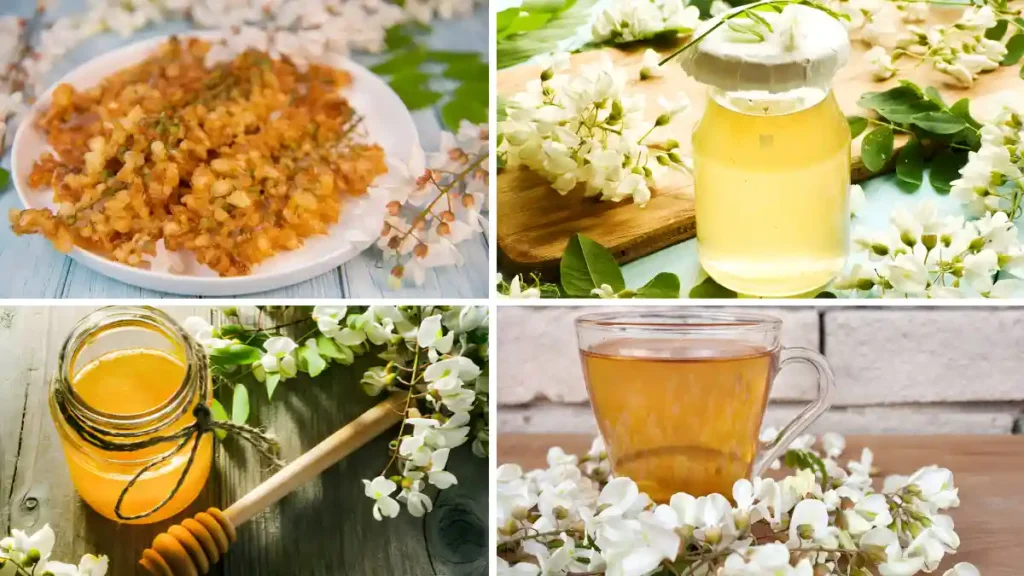
Fry black locust flowers till golden brown after dipping them in a thin batter of flour, eggs, and milk. Dust with powdered sugar and serve as a delicious appetizer or dessert.

Simmer equal parts water and sugar to make a simple syrup. Add these blooms and steep until fragrant. After straining out the flowers, use the infusion syrup to sprinkle over ice cream or waffles, or to sweeten cocktails and lemonades.

Add a beautiful garnish of these flowers to cakes, cupcakes, and other sweets. A delicate appearance makes any sweet treat more attractive.

Sprinkle fresh black locust blossoms to add a subtle floral taste and a flash of color to a salad. Goat cheese, greens, and a mild vinaigrette dressing work nicely with them.

Add these flowers to a jar of honey and let it sit for a few weeks to infuse the honey with the flowers. The honey will absorb the subtle floral tones of the blooms, making it ideal for drizzling over toast or incorporating into tea.

Tea made from these flowers steeped in hot water is a fragrant and calming plant. You can drink this delightful beverage hot or cold by adding honey or lemon to taste.

To sum up, black locust flowers have a distinct yet subtle flavor that goes well with a range of dishes. They are adaptable components for both sweet and savory dishes because of their delicate sweetness and flowery scent. A touch of elegance and complexity may be added to any recipe with these flowers, whether it be for baked products, salads, or infused syrups and cocktails. Dishes can reach new heights of culinary perfection when these flowers are prepared carefully and creatively.

Certainly! If you’d like to learn more, please consider following our WhatsApp Channel, Facebook, Instagram, YouTube, Twitter, and Pinterest.

Q1: What is black locust?

A1: Native to North America, the black locust (Robinia pseudoacacia) is a medium-sized deciduous tree. It is well-known for its fragrant white flowers and unusual compound leaves.

Q2: What are the uses of black locust wood?

A2: Because of its strength and capacity to withstand rot and decay, this wood is extremely valuable. It is frequently utilized in outdoor building projects like decking, landscaping, and fence posts.

Q3: What is the significance of black locust flower?

A3: These flowers are important because they draw pollinators like butterflies and bees, which increases the richness of the ecosystem.

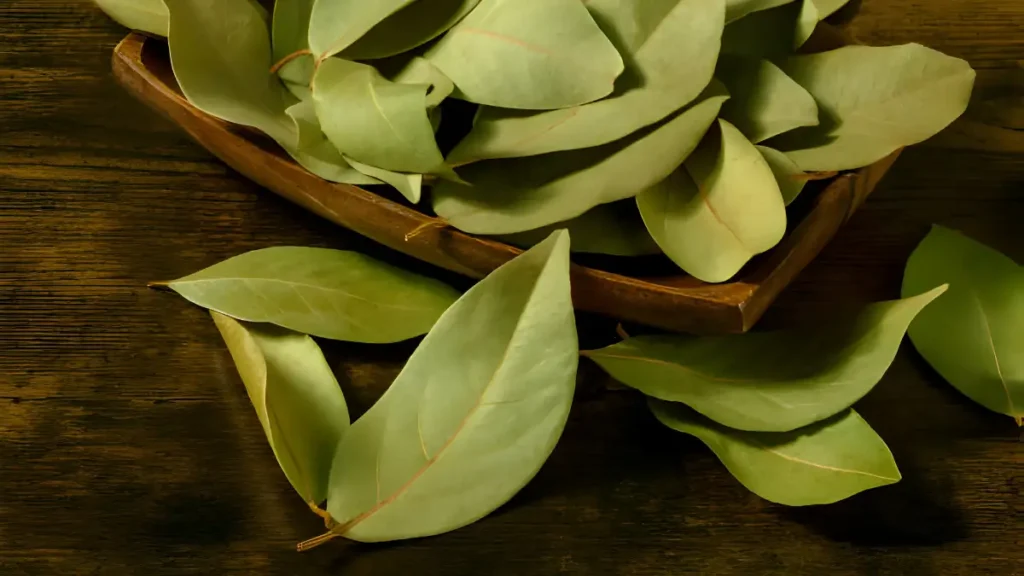
Bay leaves often remain disregarded in the kitchen as mere taste enhancers, but they provide a wealth of health benefits valued for millennia. These fragrant leaves have a variety of therapeutic benefits that enhance general well-being. People frequently use them in cooking to give meals a light flavor and scent. Let’s delve deeper into the bay leaves benefits.

Gastrointestinal support

Digestive enzyme secretion is stimulated by chemicals found in bay leaves, which support a healthy digestive system. They can aid in the relief of typical digestive problems such as gas, indigestion, and bloating.

Bay leaves benefits for heart health

Compounds found in bay leaves help to control blood pressure and decrease cholesterol, which promotes cardiovascular health. Regular ingestion of bay leaves may help lower the incidence of stroke and heart disease.

Control of blood sugar

According to research, bay leaves may help control blood sugar levels, which means that people who already have diabetes or are at risk of getting it may benefit from using them. Bay leaf constituents have been shown to enhance insulin sensitivity, which helps with glucose metabolism.

Support for respiratory systems:

Bay leaves’ volatile oils have expectorant qualities that help to relieve respiratory conditions like congestion, bronchitis, and coughing. Breathing can be made easier and the respiratory passageways cleared by inhaling steam soaked with bay leaf extracts.

Antimicrobial activity

Antimicrobial qualities found in bay leaves can aid in the prevention of bacterial and fungal illnesses. Bay leaves can help strengthen the immune system and prevent common infections by adding them to soups, stews, or drinks.

Bay leaves benefits reducing stress

Researchers have demonstrated that the tranquil perfume of bay leaves has a calming impact on the mind, assisting in reducing tension and anxiety. You can encourage relaxation and mental health by adding bay leaves to your food or using bay leaf essential oil in aromatherapy.

Finally, learn about the bay leaves benefits of, which make them an important complement to culinary and medical activities. In addition to improving food flavor, they also aid in digestion, lessen inflammation, and may even have antibacterial qualities. Antioxidants found in bay leaves may also improve general health and well-being. Incorporating bay leaves into your diet can be a tasty and potentially helpful choice, but more research is needed to properly grasp their therapeutic potential.

Certainly! If you’d like to learn more, please consider following our WhatsApp Channel, Facebook, Instagram, YouTube, Twitter, and Pinterest.

Q1: What are the benefits of burning bay leaves?

A1: The process of burning bay leaves releases chemicals and essential oils, including myrcene and eucalyptol, which can repel insects and aid with relaxation, stress relief, and respiratory health.

Q2: Can bay leaves benefits skin health?

A2: Indeed, bay leaves have antibacterial qualities that aid in the treatment of acne and other skin issues. Their antioxidants may also enhance the general health and brightness of the skin.

Q3: Can you eat bay leaves?

A3: Although bay leaves are rough and can taste nasty when eaten, they are frequently used to flavor food and taken out before serving.

The stately horse chestnut tree, Aesculus hippocastanum, is indigenous to the Balkan Peninsula. For generations, this has been a wealth of benefits, valued for its medical qualities and revered for its beauty. This amazing plant still enthralls scholars and fans despite its modern uses in herbal supplements and its historical use in folk medicine. Let’s explore the plethora of advantages that horse chestnuts provide for people.

Properties that Reduce Inflammation

  • Because it has a high flavonoid and saponin content, it has strong anti-inflammatory qualities. Together, these substances lessen inflammation, which makes horse chestnut extract an effective treatment for ailments like edema, arthritis, and joint discomfort.

The benefits of horse chestnuts for managing edema

  • Fluid retention, often known as edema, can be difficult to treat. The diuretic qualities of its extract encourage the body to rid itself of surplus fluid, which helps to lessen edema. This makes it a useful home cure for people who have bloating or swollen limbs.

Blood health

  • The beneficial effects of horse chestnut on circulatory health are among its most well-known advantages. Aescin, a substance found in these tree seeds, has been shown to strengthen blood vessels and enhance circulation. Because of this, it is a well-liked option for treating ailments like hemorrhoids, varicose veins, and chronic venous insufficiency.

Horse chestnut benefits for skin care

  • This is a common ingredient in skincare treatments because of its astringent qualities. In addition to its anti-inflammatory and antioxidant qualities, this extract’s ability to tighten and tone the skin makes it a desirable ingredient in creams, lotions, and serums designed to reduce the visibility of fine lines and wrinkles and enhance the texture of the skin.

Antioxidant impacts

  • Horse chestnut, which is high in antioxidants, aids in the body’s defense against oxidative stress and free radical damage. Consistently taking its supplements or applying its extracts topically can improve general health by preventing chronic illness and premature aging of cells.

Horse chestnut is a very adaptable plant with numerous health advantages, ranging from supporting circulatory health to providing relief from inflammation and edema. The amazing benefits of this chestnut, whether taken orally, applied topically, or utilized in conventional herbal formulations, are still being discovered and valued. Let’s embrace the majestic tree’s holistic potential and harness its offerings for the body and mind’s well-being as we uncover nature’s treasure.

Certainly! If you’d like to learn more, please consider following our WhatsApp Channel, Facebook, Instagram, YouTube, Twitter, and Pinterest.

Q1: What is a horse chestnut?

A1: The horse chestnut tree, a deciduous tree, produces huge, lustrous brown seeds coated in spiky green husks. These seeds are often used in traditional medicine to cure hemorrhoids and varicose veins.

Q2: What are the common side effects of horse chestnut?

A2: It frequently causes nausea, upset stomach, itching, and dizziness as adverse effects.

Q3: Can horse chestnut extract be used topically?

A3: Indeed, topical gels or creams containing this extract are also available. These are put directly onto the skin to alleviate varicose vein or hemorrhoidal irritation, edema, and itching.

Although most people eat bananas raw or in smoothies, have you ever thought about cooking them? You may be surprised to learn about a whole new level of health advantages that can be unlocked with this easy cooking technique. In addition to softening and improving their nutritional profile, boiling bananas also makes them simpler for some people to stomach. Here are some reasons to think about including boiled bananas in your diet.

  • Naturally high in magnesium and potassium, bananas are believed to help induce calm and enhance the quality of sleep. These nutrients are released when you boil bananas, which increases their absorption rate by the body. Before going to bed, having a warm dish of boiling bananas will help you relax and sleep better.
  • Boiled bananas break down the fruit’s fibers, making them simpler to digest. This can be especially helpful for people who have sensitive stomachs or digestive problems.
  • Vitamin C, which is vital for a strong immune system, is abundant in bananas. The process of boiling bananas retains and even increases their vitamin content, which naturally strengthens your body’s resistance to disease and infection.
  • Potassium is an essential mineral for heart health since it lowers blood pressure and guards against heart disease. Boiled bananas are a heart-healthy addition to your diet because they’re a great source of potassium.
  • Boiled bananas’ magnesium content helps lessen anxiety and tension. Because of its well-known soothing qualities, magnesium can enhance your mood and mental health in general.
  • Begin by choosing firm, ripe bananas. After peeling, chop them into slices or chunks.
  • Put the banana pieces in a pot and add water to cover them.
  • After bringing the water to a boil, lower the heat and simmer the bananas until they are tender ten to fifteen minutes.
  • When the bananas are tender, you may eat them warm straight away or mash them up and serve them with honey or cinnamon for added taste.

Finally, boiled bananas provide an unexpected health benefit that many people might not have known about. This easy way to cook unleashes the nutritional potential of bananas while also improving their flavor and texture. Adding this tasty and simple treat to your everyday meals or snacks can help you lead a more health-conscious lifestyle. Thus, the next time you’re searching for a filling and healthy snack, think about picking up a boiled banana—you’ll be happy you did.

Certainly! If you’d like to learn more, please consider following our WhatsApp Channel, Facebook, Instagram, YouTube, Twitter, and Pinterest.

Q1: Can boiled bananas be used in recipes?

A1: Indeed, boiling bananas can be used in a variety of recipes, including smoothies, banana bread, and mashed bananas used as a topping for pancakes or oatmeal.

Q2: Can I eat boiled bananas for weight loss?

A2: Yes, eating boiling bananas can aid in weight loss because of their high fiber content, which also aids in controlling bowel motions and boosting fullness.

Q3: Can I add sugar to boiled bananas?

A3: Yes, you can improve the sweetness of boiling bananas to your desired level by adding sugar.

The mornings are crucial when trying to live a healthier lifestyle. They set the tone for the day, and there’s no better way to start your weight reduction journey than with a handcrafted, refreshing beverage in the morning. These mixtures stimulate your metabolism and excite your taste senses while providing your body with the necessary nutrients and helping you lose those extra pounds. Homemade morning drinks provide a fascinating selection of options for your taste preferences and weight loss goals, from zesty citrus combinations to calming herbal infusions. This is a list of morning drinks that include beverages that are or were traditionally had for breakfast.

  • Warm Lemon Water: To start your morning off well, squeeze half a lemon into some warm water and sip. Drinking lemon water can improve weight loss by aiding in digestion and cleansing.
  • Apple cider vinegar drink: Combine one or two tablespoons of apple cider vinegar with one or two cups water. To taste, add honey or cinnamon. Apple cider vinegar has the potential to decrease hunger and encourage weight loss.
  • Jeera Water: Additionally, jeera has extremely strong antioxidant qualities, which are advantageous while attempting to lose weight. The jeera can be left in a glass of water to soak overnight. Simply strain this and drink it in the morning, or drink it in addition to the jeera. You can put the jeera in a pan with water and bring it to a boil. You can strain and drink this water when it cools down, or you can drink it with the jeera.
  • Cucumber and Mint Infused Water: In a pitcher, slice a cucumber and add a few mint leaves. After letting it steep overnight, sip it in the morning. This revitalizing beverage can promote weight loss and help with hydration.
  • Ginger and Turmeric Tea: Make a tea with fresh ginger and turmeric root or powder. Turmeric and ginger both contain anti-inflammatory qualities and can increase metabolism, which can help with weight loss.
  • Aloe Vera Juice: Combine water, fresh aloe vera gel, and a squeeze of lemon juice in a blender. When taken consistently, aloe vera’s enzymes can aid in better digestion and promote weight loss.
  • Warm Water with Honey and Cinnamon: Incorporate a small amount of honey and cinnamon powder into warm water. This mixture may aid in blood sugar regulation and desire control, which may facilitate weight loss.

In conclusion, when included in a healthy lifestyle and balanced diet, homemade morning drinks can help promote weight loss. These beverages can increase metabolism, supply vital nutrients, and aid with hunger regulation. But it’s important to keep in mind that consistency and general eating habits are more important than any drink that will miraculously melt away extra weight. Making their own morning drinks at home, together with consistent exercise and mindful eating, can help people lose weight and improve their general health.।

Certainly! If you’d like to learn more, please consider following our WhatsApp Channel, Facebook, Instagram, YouTube, Twitter, and Pinterest.

Q1: What are some healthy morning drinks to start the day with?

A1: Herbal teas, fresh fruit smoothies, vegetable juices, green tea, and lemon water are a few nutritious morning beverages to get you started.

Q2: What are the best morning drinks for boosting energy and alertness?

A2: Green tea, which has caffeine and L-theanine, which support focus and tranquility, is one of the greatest morning beverages for increasing energy and alertness. A simple glass of lemon water can also help with wakefulness by hydrating the body and offering a refreshing start to the day.

Q3: What are some homemade morning drinks that can help achieve glowing skin?

A3: For radiant skin in the morning, try green tea with lemon and honey, cucumber and mint juice, carrot and ginger juice, aloe vera juice, and beetroot juice.

Spring is a great time to enjoy the wealth of nature, bringing with it a vivid array of colors and flavors. Edible spring flowers enhance meals visually and add flavors and textures. These flowers are visually appealing and offer many culinary options with their delicate petals and fragrant blossoms. Take a trip with us through the fascinating world of edible spring flowers, where flavor and beauty collide and culinary imagination has no limits.

  • Nasturtiums: A visual and gastronomic feast, nasturtiums boast vivid colors ranging from flaming oranges to sunny yellows. These vibrant flowers, similar to watercress, enhance salads and sandwiches with their peppery taste.
  • Violets: Not only are they aesthetically pleasing but also pleasantly tasty due to their delicate and dainty nature. Cakes, cookies, and even ice creams taste great with their sweet, flowery flavor. Violet petals can also crystallize for a sophisticated garnish.
  • Rose Petals: Roses are a beautiful complement to your culinary creations, and they’re not only for bouquets. Select organic roses that haven’t been sprayed and use their petals to infuse jams, syrups, or even homemade chocolates. Their sweetness and subtle floral scent will enhance any meal.
  • Chive Blossoms: The beautiful purple blossoms of chives give your dishes a subtle onion taste in addition to a splash of color. For a tasty and novel twist, scatter the blooms over omelets, salads, and soups.
  • Dandelions: Offer a variety of culinary uses, including their vibrant yellow blooms, bitter honey, and special springtime treats like dandelion wine, jelly, or fritters.
  • Lavender: known for its soothing aroma, enhances the flavor of both savory and sweet foods, making it a versatile ingredient in preparing various dishes.

Edible spring flowers are visually pleasing as well as incredibly versatile in the kitchen, enhancing a variety of recipes with mouthwatering tastes, hues, and textures. They are an excellent addition to seasonal menus because their usage in cooking fosters creative experimentation and improves the dining experience. But before you eat any flowers, make sure you identify them properly and proceed with caution—some blooms might be poisonous. All things considered, adding edible spring flowers to dishes can improve their presentation as well as their flavor, making for a special and unforgettable eating experience.

Certainly! If you’d like to learn more, please consider following our WhatsApp Channel, Facebook, Instagram, YouTube, Twitter, and Pinterest.

Q1: How should I prepare edible spring flowers for consumption?

A1: It’s important to wash edible spring flowers well to get rid of any dirt or toxins before eating them. Remove any pistils, stamens, or sepals with a paper towel after gently patting them dry, as they could taste harsh. Edible flowers can be used whole or divided into petals depending on the recipe.

Q2: Can edible spring flowers be used in cooking and baking?

A2: Yes, you may use edible spring flowers in baking and cooking to give meals distinctive flavors and looks. They can be added to soups, salads, sweets, and drinks, and even used as a natural food coloring substitute. But, you must make sure they go well with the other ingredients in the recipe and use them sparingly.

Q3: What are edible flowers?

A3: Flowers that are safe to eat are known as edible flowers, and they can be added to a variety of recipes for flavor, decoration, or garnish.