


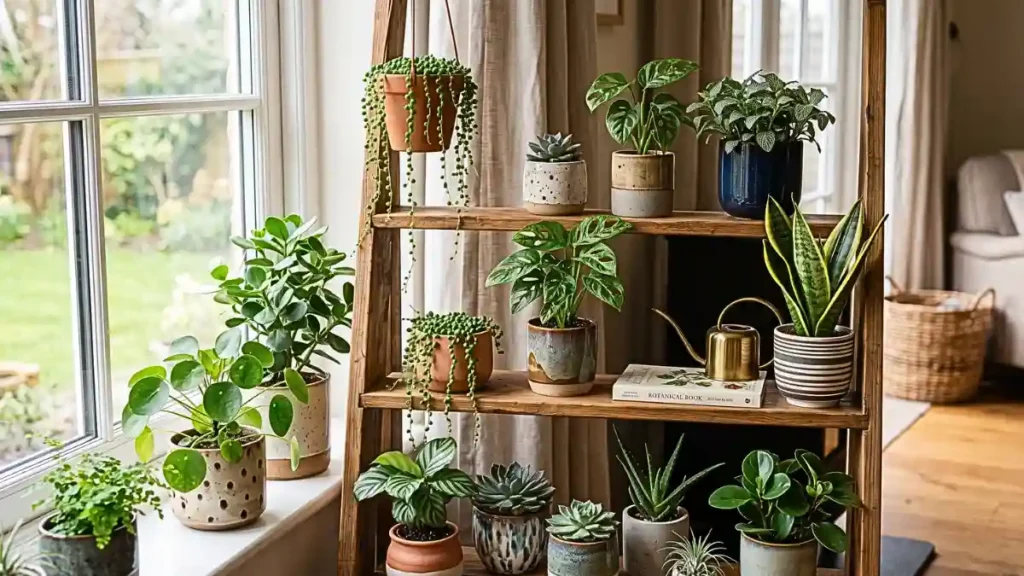
Not everyone has a sun-drenched greenhouse or acres of shelf space — and that’s perfectly fine. Small indoor plants are the secret weapon of apartment dwellers, desk workers, and plant lovers who want greenery without the hassle of giant pots and constant maintenance. They fit on windowsills, bookshelves, bathroom counters, and work desks, instantly making any corner feel alive.
In this article, you’ll learn about the finest small indoor plants for every light situation, how to care for them, and which are suitable for pets and novices. Whether you’re starting your first plant collection or expanding an old jungle, there’s something for everyone.
Why choose small indoor plants?
Small indoor plants aren’t just cute — they offer real, practical benefits:
- Space-friendly: Perfect for apartments, dorms, offices, and tiny homes.
- Low maintenance: Many small varieties are slow-growing and forgiving.
- Air-purifying: Several species help filter indoor air pollutants.
- Budget-friendly: Smaller pots and plants typically cost less.
- Versatile styling: Easy to group, rearrange, and display creatively.
If you’ve ever been hesitant to acquire a plant because you “don’t have space” or “always kill plants,” small indoor plants eliminate both of those reasons.
How to choose the right small indoor plants
Before picking a plant, consider these three factors:
1. Available light
Some small indoor plants tolerate dim corners, while others need bright, indirect sunlight. Match the plant to your space instead of forcing your space to match the plant.
2. Your care habits
Be honest about how often you’ll water. Succulents and snake plants forgive neglect; ferns and calatheas need more attention.
3. Pet and child safety
If you have curious pets or toddlers, choose non-toxic options like spider plants or parlor palms over toxic varieties like pothos or philodendron.
Best small indoor plants for every space
Here’s a curated list of the best small indoor plants, grouped by care level and light requirement.
Small indoor plants for low light
Perfect for windowless bathrooms, hallways, or north-facing rooms.
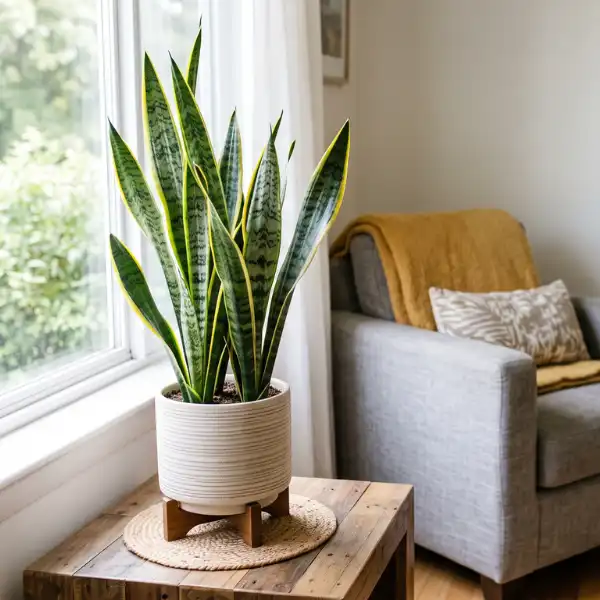
1. Snake plant (Sansevieria)
The snake plant is nearly indestructible, tolerant to poor light and sporadic watering. It’s also one of the best houseplants for air purification.

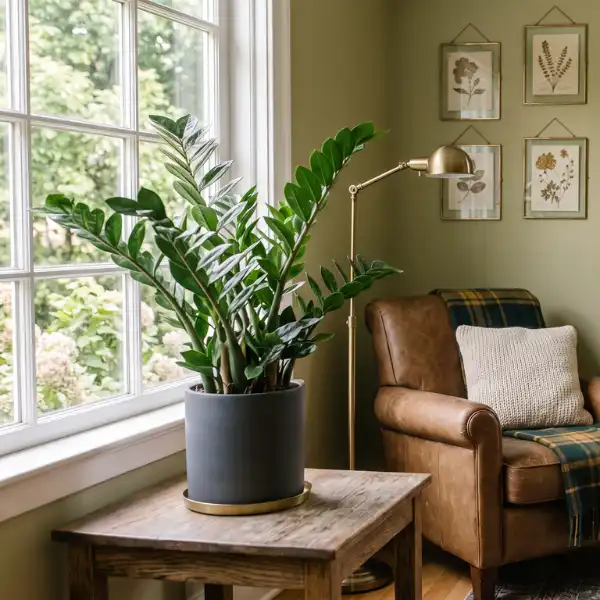
2. ZZ plant (Zamioculcas zamiifolia)
Glossy, dark-green leaves that resist neglect. It thrives in low light and only requires watering every 2-3 weeks.
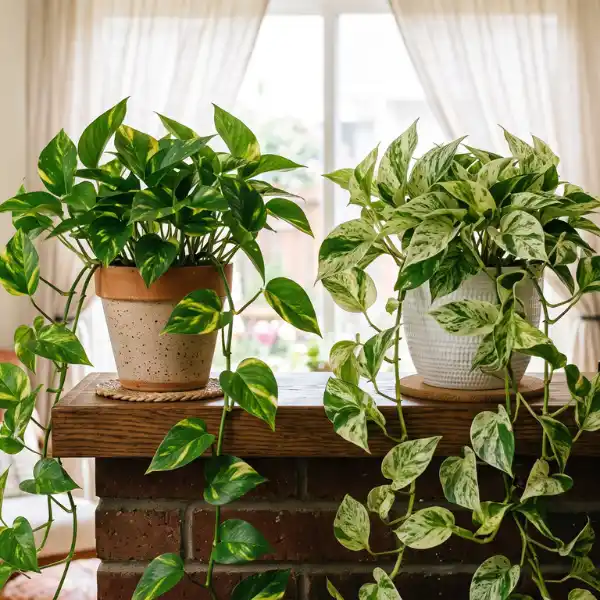
3. Pothos (Golden or marble queen)
A trailing beauty that thrives in practically every lighting condition. Ideal for shelving or hanging pots. Toxic to pets if swallowed.
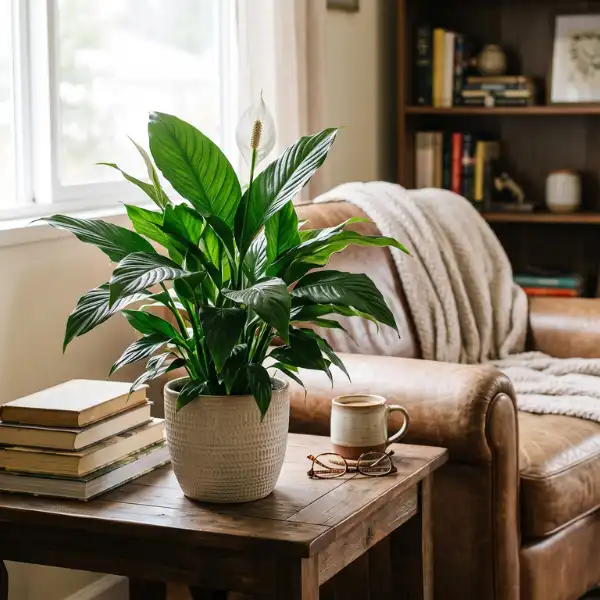
4. Peace lily (Spathiphyllum)
Compact varieties stay small and bloom white flowers even in low light. It also signals thirst by drooping slightly.
Small indoor plants for bright, indirect light
Ideal for desks near windows or brightly lit living rooms.
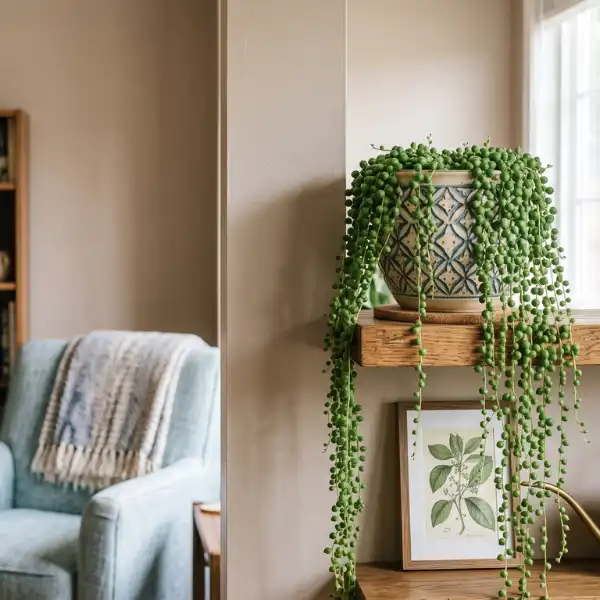
5. String of pearls (Senecio rowleyanus)
A quirky succulent with bead-like leaves that cascade beautifully from hanging pots.
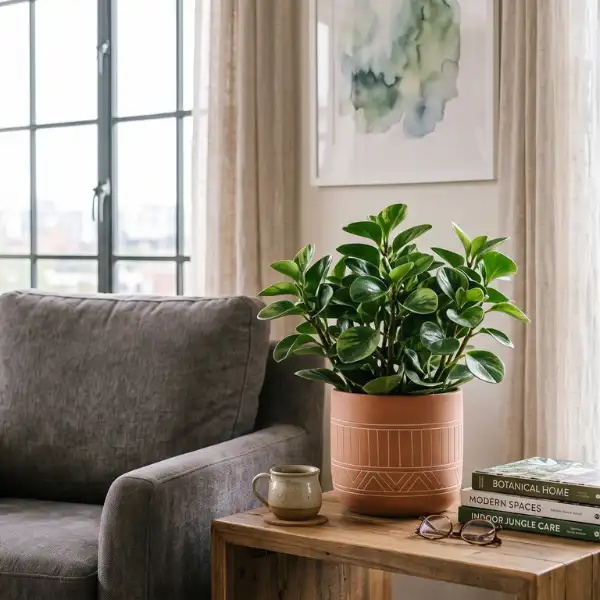
6. Baby rubber plant (Peperomia obtusifolia)
Thick, glossy leaves and a compact growth habit make this a popular choice for workstations and small tables.
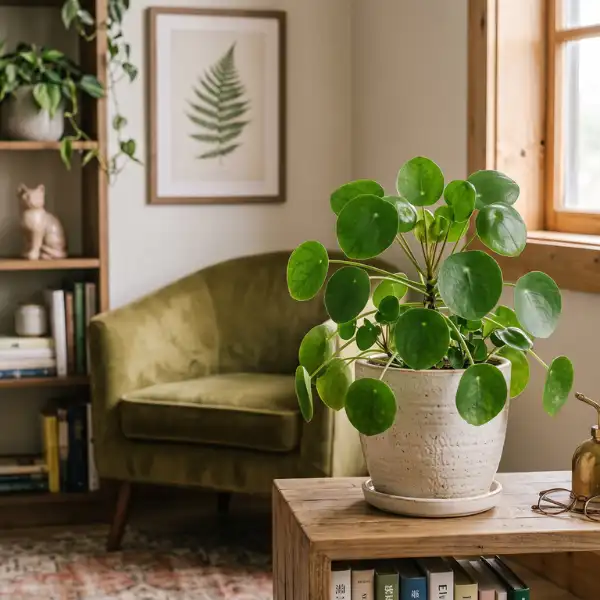
7. Chinese money plant (Pilea peperomioides)
Its round, coin-shaped leaves are Instagram-famous, and it’s simple to propagate for gifts.
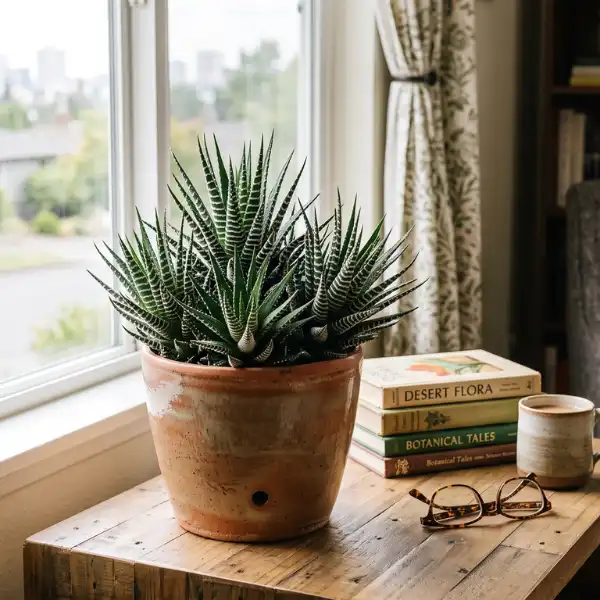
8. Haworthia (Zebra cactus)
A striking, low-maintenance succulent with striped leaves that stays small for years.
Small indoor plants that are pet-friendly
Safe choices if you share your home with curious cats or dogs.
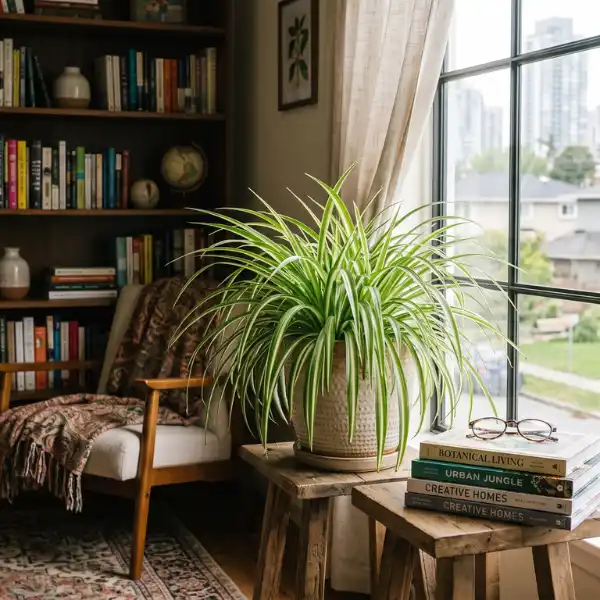
9. Spider plant (Chlorophytum comosum)
Non-toxic, easy to grow, and produces adorable “babies” you can propagate endlessly.
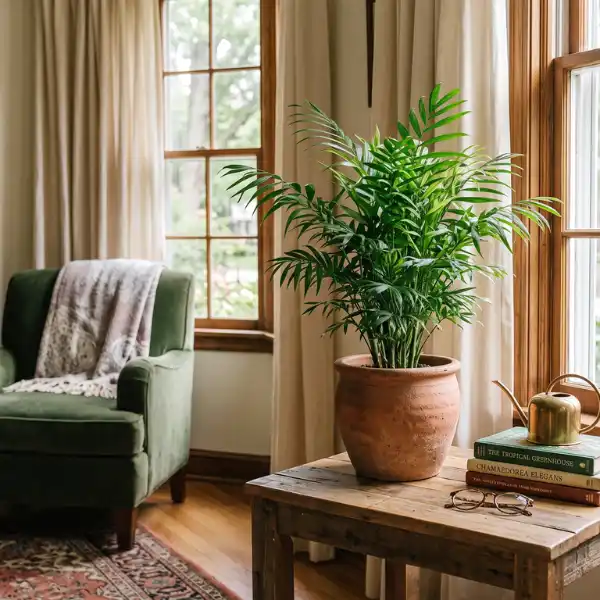
10. Parlor palm (Chamaedorea elegans)
A compact, elegant palm that’s completely pet-safe and tolerates lower light.
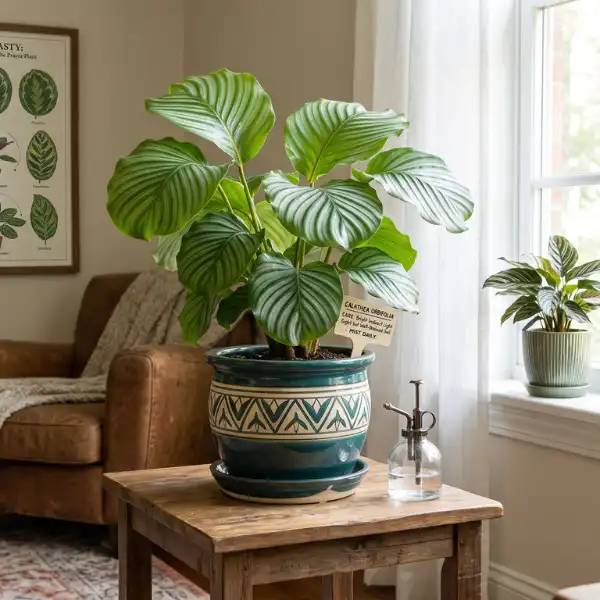
11. Calathea (Prayer plant)
Stunning patterned leaves that fold up at night. Non-toxic, though it prefers higher humidity.
Small indoor plants for beginners
If you’re new to plant care, start here.
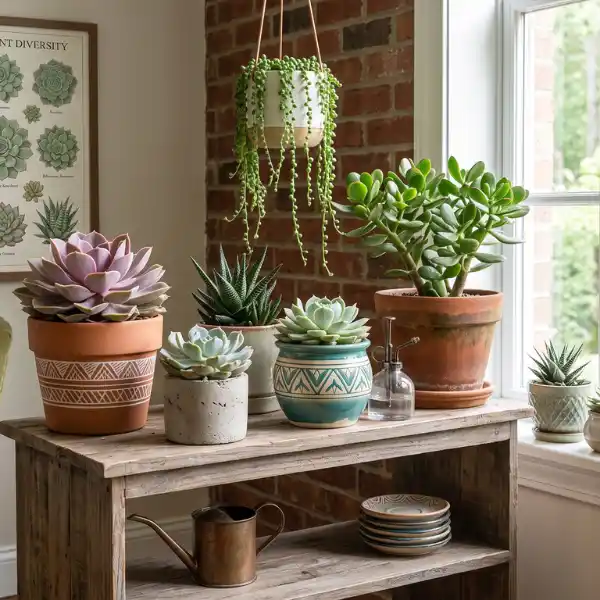
12. Succulents (Echeveria, Jade Plant)
Store water in their leaves, so occasional watering is fine. Needs bright light.
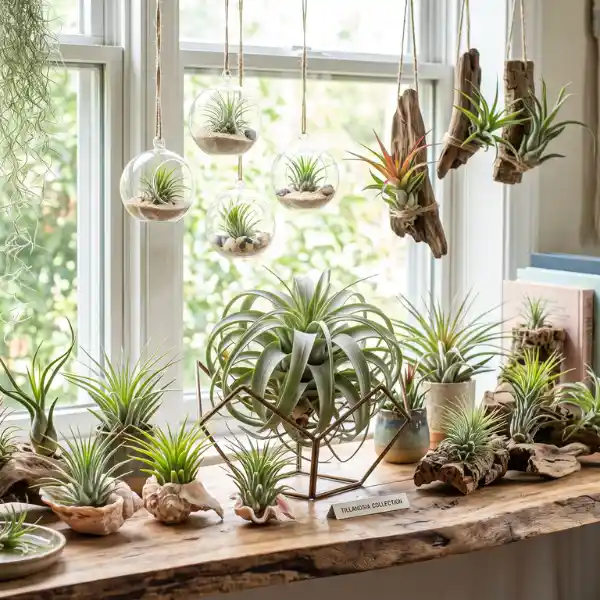
13. Air plants (Tillandsia)
No soil required! Just mist or soak weekly — perfect for tiny terrariums or shelves.
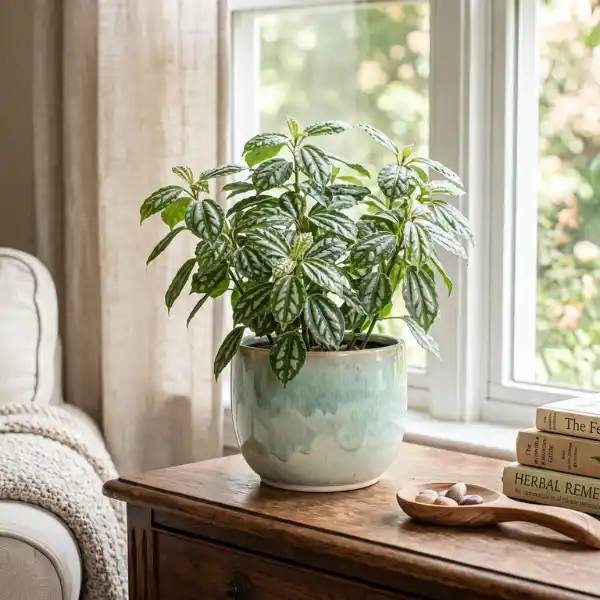
14. Pilea cadierei (Aluminum plant)
Fast-growing, forgiving, and features unique silver-patterned foliage.
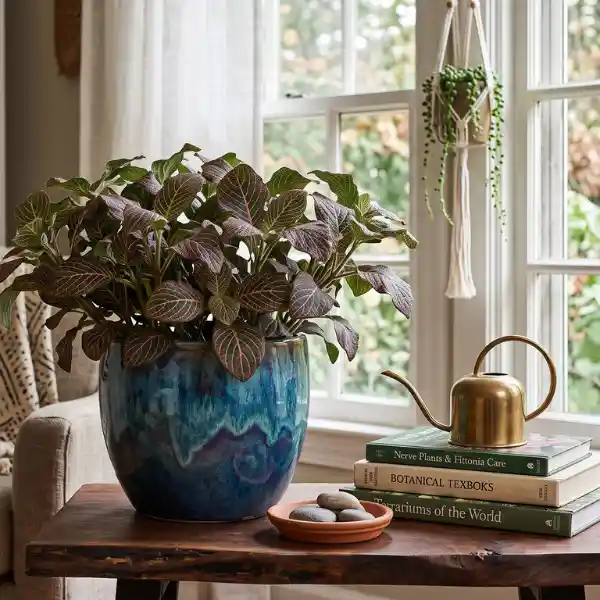
15. Fittonia (Nerve plant)
Colorful veined leaves add a pop of pattern; it prefers consistent moisture and indirect light.
Small indoor plant care tips
Regardless of which small indoor plants you choose, these general rules apply:
Watering
Most small indoor plants prefer to dry out a little between waterings. Overwatering is the leading cause of houseplant mortality, so always inspect the top inch of soil before watering.
Light
Rotate your plants every few weeks, so they grow evenly instead of leaning toward the light source.
Pot size
Keep small indoor plants in adequately sized containers. An overly big container retains moisture and might cause root rot.
Fertilizing
Feed lightly during spring and summer with a diluted liquid fertilizer. Most small plants need little to no feeding in winter.
Humidity
Tropical varieties like calathea and fittonia benefit from a pebble tray, humidifier, or occasional misting, especially in dry, air-conditioned rooms.
Best places to display small indoor plants
- Windowsills – perfect for succulents and herbs
- Work desks – peperomia, pilea, or small pothos for a productivity boost
- Bathroom shelves – ferns and calathea love the humidity
- Bookshelves – trailing pothos or string of pearls add visual interest
- Kitchen counters – small herb pots double as decor and dinner ingredients
Common mistakes to avoid
- Overwatering – the most frequent killer of small indoor plants.
- Wrong light placement – a low-light plant in direct sun (or vice versa) will struggle.
- Ignoring drainage – always use pots with drainage holes or add a layer of gravel.
- “Loving” too much – excessive fertilizing or repotting can stress small plants unnecessarily.
Conclusion:
Small indoor plants prove that you don’t need a big house or a green thumb to enjoy the benefits of indoor greenery. From the nearly-impossible-to-kill snake plant to the elegant Chinese money plant, there’s a perfect option for every light condition, skill level, and design style. Start with one or two easy varieties, learn their rhythm, and before you know it, you’ll have a thriving indoor jungle — no matter how small your space is.
Certainly! If you’d like to learn more, please consider following our WhatsApp Channel, Facebook, Instagram, YouTube, Twitter, and Pinterest.
Frequently asked questions about small indoor plants
Q1: What are the easiest small indoor plants for beginners?
Q1: Snake plants, ZZ plants, and pothos are among the easiest small indoor plants for beginners. They tolerate irregular watering, low light, and general neglect while still looking great.
Q2: Which small indoor plants are safe for cats and dogs?
A2: Spider plants, parlor palms, and calathea are non-toxic options that are safe around pets. Avoid pothos, philodendron, and peace lilies if your pets tend to chew on leaves.
Q3: How often should I water small indoor plants?
A3: Most small indoor plants need watering every 1–2 weeks, depending on light, humidity, and pot size. Always check that the top inch of soil is dry before watering again.
Q4: Can small indoor plants survive without sunlight?
A4: Some, like the ZZ plant and snake plant, tolerate low or indirect light well, but no plant can survive with zero light at all. Even low-light plants need some ambient brightness to photosynthesize.