


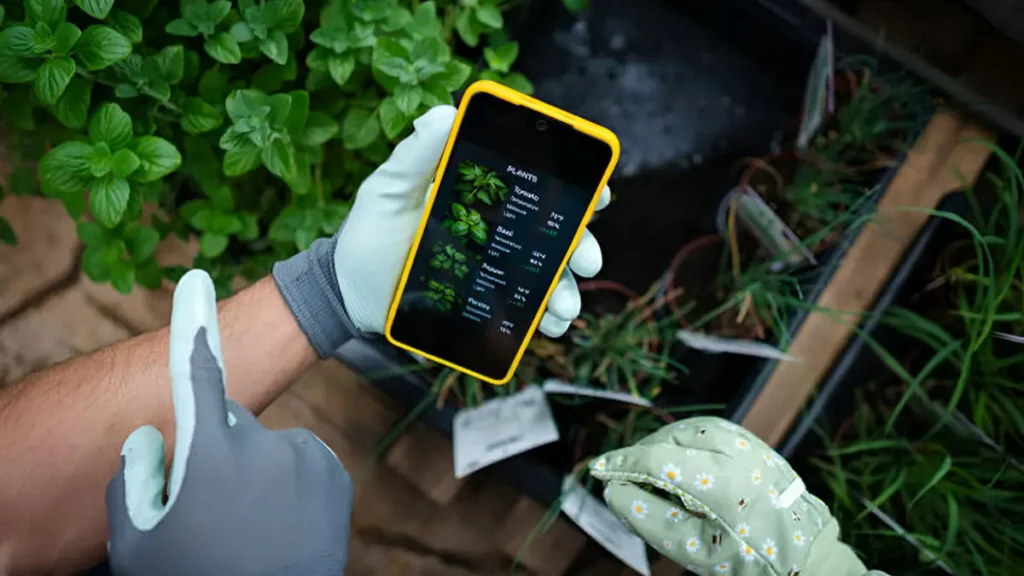
What Is Smart Gardening?
Smart gardening is the modern way of caring for plants by using smart sensors, mobile apps, and automated tools. Instead of guessing what your plants need, technology helps you understand their exact requirements—just like having a digital gardener by your side.
Why Technology Matters in Modern Gardening
Traditional gardening often involves trial and error. With busy schedules, many people forget to water plants or check sunlight. Smart gardening solves these challenges by giving real-time updates and guiding you through plant care.
Understanding Plant Health Monitoring
Key Factors That Affect Plant Growth
Plants thrive when essential conditions are balanced, such as:
- Soil moisture
- Sunlight exposure
- Temperature & humidity
- Soil pH & nutrients
Monitoring these factors keeps plants healthy and stress-free.
Traditional vs. Smart Plant Care
Traditional plant care relies on observation. Smart plant care uses data. Sensors and apps track everything and help you make informed decisions—not guesses.
Types of Smart Gardening Sensors
Soil Moisture Sensors
These sensors measure how wet or dry the soil is. They send alerts when plants need water, preventing both overwatering and underwatering.
Light Sensors
Light is crucial for photosynthesis. Light sensors tell you if your plant is getting enough sunlight or needs relocation.
Temperature & Humidity Sensors
These sensors track climate conditions around your plants. Ideal for maintaining stable environments for sensitive species.
pH & Nutrient Sensors
These sensors help you understand soil quality. They detect acidity levels and nutrient availability, ensuring your plants get optimal nourishment.
How Gardening Apps Work
Real-Time Plant Monitoring
Gardening apps connect with sensors to give live updates on plant health. You can check water levels, sunlight exposure, and more from anywhere.
Alerts & Notifications
Missed watering? Low light? High temperature? Apps send instant notifications so you can take action before your plant gets stressed.
AI-Based Plant Diagnosis
Many apps use AI to identify diseases, pests, and nutrient deficiencies just by analyzing plant photos.

Benefits of Smart Gardening
Saves Time & Effort
You don’t need to check plants manually every day. Sensors and apps do the monitoring for you.
Reduces Water Wastage
Smart watering systems ensure plants get just the right amount of water—no more guesswork.
Helps Beginners Grow Better Plants
Even if you’re new to gardening, smart tools guide you step by step, making plant care easy and fun.
Improves Plant Survival Rates
Consistent monitoring means fewer plant deaths and healthier gardens.
Setting Up a Smart Garden
Choosing the Right Devices
Pick sensors based on your plant type and environment. For example, moisture sensors for potted plants and weather sensors for outdoor gardens.
Connecting Sensors to Apps
Most sensors connect via Bluetooth or Wi-Fi. Simply install the app, pair your device, and start tracking.
Creating an Automated Routine
Set automatic watering schedules, light control, and climate adjustments to maintain perfect plant conditions.
Best Smart Gardening Tools & Apps
Smart Gardening Sensors
- Xiaomi Plant Sensor
- Parrot Flower Power
- Ecowitt Soil Moisture Sensor
- Gardena Smart System
Best Apps for Monitoring Plant Health
- PlantIn
- Vera (Gardena)
- Flower Care
- Planta
These apps offer insights, reminders, and health tracking.
Smart Gardening for Indoor & Outdoor Spaces
Indoor Smart Gardening Systems
Indoor systems like smart planters and hydroponic kits maintain perfect light, water, and nutrients automatically.
Outdoor Smart Irrigation & Monitoring
Outdoor gardens benefit from smart sprinklers, weather-based irrigation, and climate sensors.
Future of Smart Gardening
AI Growth Predictions
Future tools will predict plant growth patterns and detect issues before they even appear.
Integration With Smart Homes
Imagine controlling plant care through Alexa or Google Home—watering plants with a voice command!
Common Mistakes in Smart Gardening
Over-relying on Technology
Sensors help, but plants still need human observation and care.
Not Interpreting Sensor Data Correctly
Understanding the data ensures proper action. Apps usually explain readings, so follow their guidance.
Conclusion
Smart gardening is transforming how we grow and care for plants. With sensors, apps, and automation, you can effortlessly monitor plant health and create a thriving garden—whether you’re a beginner or an expert. As technology evolves, smart gardening will become even more accurate, intuitive, and accessible.
Certainly! If you’d like to learn more, please consider following our WhatsApp Channel, Facebook, Instagram, YouTube, Twitter, and Pinterest.
FAQs
1. Is smart gardening expensive?
Ans: It depends on the devices you choose. Basic sensors are affordable, while advanced systems cost more.
2. Can smart gardening work without Wi-Fi?
Ans: Yes, many sensors use Bluetooth. But Wi-Fi gives better range and remote access.
3. Are smart gardening tools good for beginners?
Ans: Absolutely! They guide you and prevent common plant care mistakes.
4. Do plants really need sensors?
Ans: Not always, but sensors help maintain ideal conditions and reduce plant stress.
5. Can smart gardening work for outdoor gardens?
Ans: Yes. Weather-based irrigation and climate sensors make outdoor plant care easier.