
Tag

DIY

Browsing

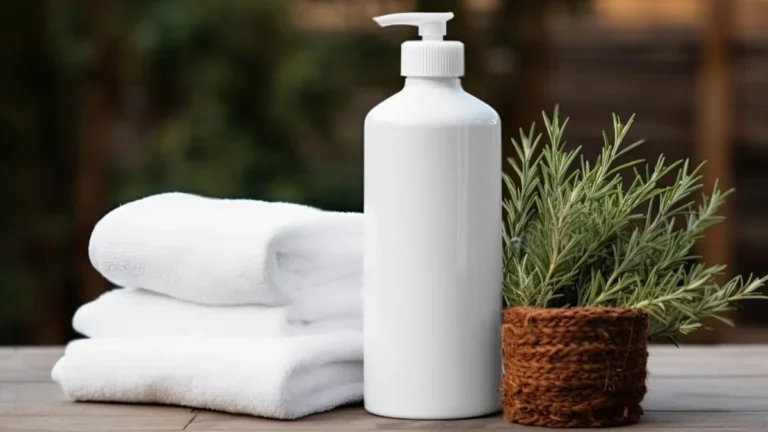
While rosemary uses in many different contexts, are you looking for a fresh and natural way to nourish your hair? This recipe for homemade rosemary shampoo is exactly what you need. In addition to its wonderful perfume, rosemary is well-known for its many health advantages for hair. You can give your hair the attention it needs without harsh chemicals by preparing your shampoo at home. Make your revitalizing shampoo with rosemary by following these easy instructions.

Ingredients list:

  • Two tablespoons of dehydrated rosemary leaves
  • one cup of water
  • Half a cup of mild or unscented liquid castile soap
  • One teaspoon of optional coconut or olive oil
  • Ten drops of essential rosemary oil (optional; for added scent)

Instructions for making DIY rosemary shampoo:

  • In a small saucepan, bring the water to a boil first.
  • When the water reaches a boiling point, mix in the dried rosemary leaves.
  • After lowering the heat to a low, soak the rosemary in the water for ten to fifteen minutes.
  • Strain the rosemary leaves from the water and let it cool to room temperature after the steeping process.
  • After the rosemary water cools, transfer it to a jar or bottle that has been cleaned.
  • To the jar containing the rosemary water, add the liquid castile soap.
  • For more moisture, feel free to add some olive or coconut oil to the recipe.
  • Lastly, add the rosemary essential oil to the mixture and stir thoroughly if you want a deeper aroma of rosemary.
  • You can now use your own rosemary shampoo!

To sum up, making your DIY rosemary shampoo presents a healthy and natural substitute for store-bought hair care items. Rosemary is well known for its ability to support healthy scalp function, encourage hair growth, and add a light fragrance. In the end, adding a homemade shampoo to your hair care regimen can be an enjoyable and fulfilling way to experiment with natural substitutes and possibly enjoy the advantages of this fragrant plant.

Certainly! If you’d like to learn more, please consider following our WhatsApp Channel, Facebook, Instagram, YouTube, Twitter, and Pinterest.

Q1: What are the benefits of using rosemary shampoo?

A1: Because of its antimicrobial qualities, rosemary offers many advantages for hair, including promoting hair growth, reducing dandruff, and enhancing scalp health.

Q2: Is rosemary shampoo suitable for all hair types?

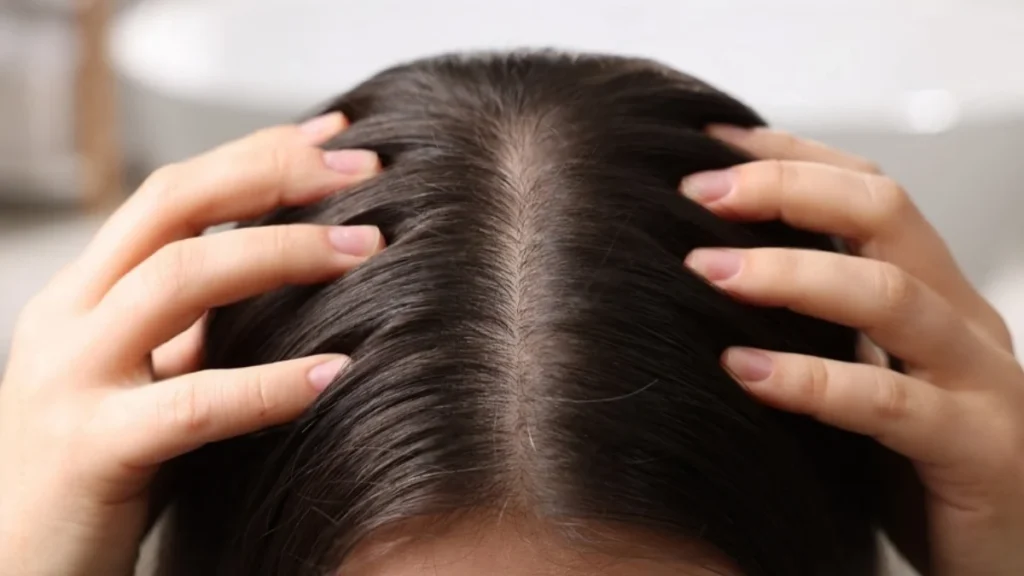
A2: In general, all hair types can use this shampoo. Before using it frequently, people with sensitive skin or allergies should do a patch test.

Q3: How do I use rosemary shampoo on my hair?

A3: To use this shampoo, thoroughly wet your hair, work a tiny amount of shampoo into your scalp and hair, and then give it a thorough rinse with water. If required, repeat. হলে, পুনরাবৃত্তি করুন।
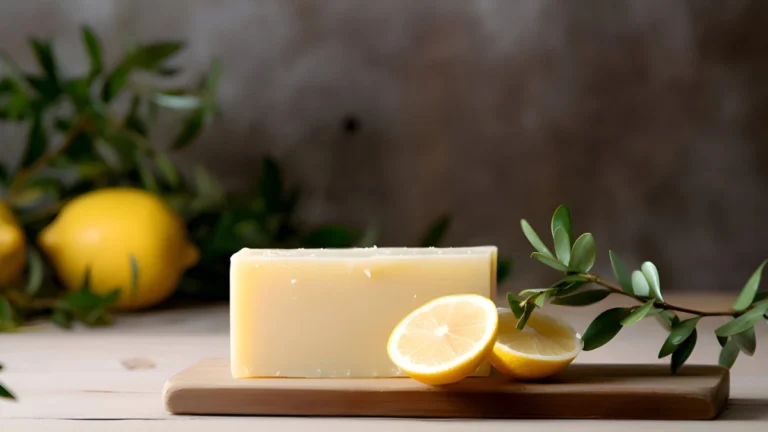
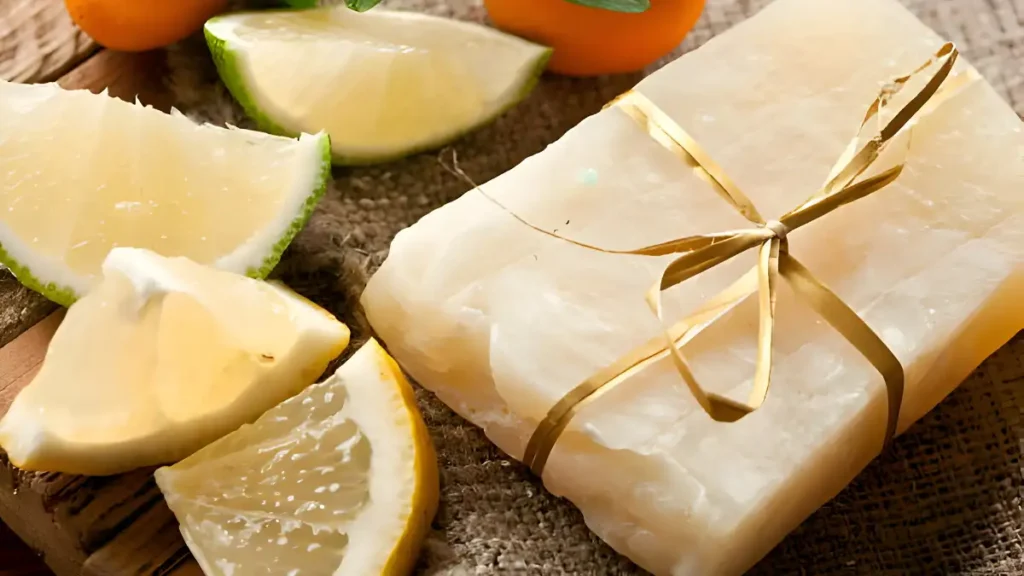
In addition to being a lovely addition to your skincare regimen, homemade soaps let you alter the ingredients to suit your tastes. With the help of natural oils and the freshness of lemons, this homemade lemon soap recipe creates a zesty and energizing cleansing experience. You can make your batch of delicious lemon soap by following these easy instructions.

  • Use a cheese grater to shred the lemon zest finely. Make sure only to grate the lemon’s outer yellow layer; do not grate the bitter white pith.
  • To make melting easier, cut the glycerin soap base into small cubes.
  • The cubed glycerin soap foundation should be placed in a microwave-safe container and microwaved for 30 seconds at a time until it melts completely. To guarantee consistent melting, stir in between batches.
  • Add the grated lemon zest, lemon essential oil, and vitamin E oil when the soap base has melted. To uniformly include all of the components, give the mixture a gentle stir.
  • Pour the mixture into the soap mold very carefully. To remove any air bubbles, lightly tap the mold against the counter.
  • Let the soap cool to room temperature so that it can solidify entirely. Depending on the size of your soap mold and the ambient temperature, this often takes one to two hours.
  • After the soap has hardened, carefully take it out of the mold. If it’s obstinate, you can try putting the mold in the fridge for a short while to assist the soap coming out.
  • You can now use your soap! To extend its shelf life, keep it out of direct sunlight and in a cool, dry place.
  • The natural exfoliating properties of lemon zest aid in revealing clearer, brighter skin by assisting in the removal of dead skin cells.
  • Lemon essential oil is useful in treating acne and other skin imperfections since it has antibacterial and antifungal qualities.
  • As a moisturizer, vitamin E oil nourishes and preserves the skin’s suppleness.

In conclusion, the natural components and zesty aroma of handmade lemon soap provide a revitalizing and delightful cleansing experience. Its exfoliating qualities combined with moisturizing oils can leave the skin feeling smooth, soft, and renewed. Using homemade lemon soap also fosters a sustainable and environmentally friendly approach to personal care in addition to healthier skin.

Certainly! If you’d like to learn more, please consider following our WhatsApp Channel, Facebook, Instagram, YouTube, Twitter, and Pinterest.

Q1: Is lemon soap suitable for all skin types?

A1: Most skin types can benefit from this soap, but those with dry or sensitive skin might want to test it on a tiny area of skin first because lemon can be slightly astringent and irritate certain people.

Q2: Can homemade lemon soap help with acne?

A2: Lemon soap’s inherent antibacterial qualities and ability to absorb excess oil from the skin may assist with acne. On the other hand, people who are prone to acne should exercise caution because lemons can occasionally cause sensitivity or discomfort.

Q3: Can lemon soap bar help with oily skin?

A2: Certainly, the natural astringent qualities of lemon assist in reducing excess oil production and unclogging pores, leaving the skin feeling rejuvenated and less greasy. This is why this soap bars are good for oily skin.