
Tag

DIY

Browsing

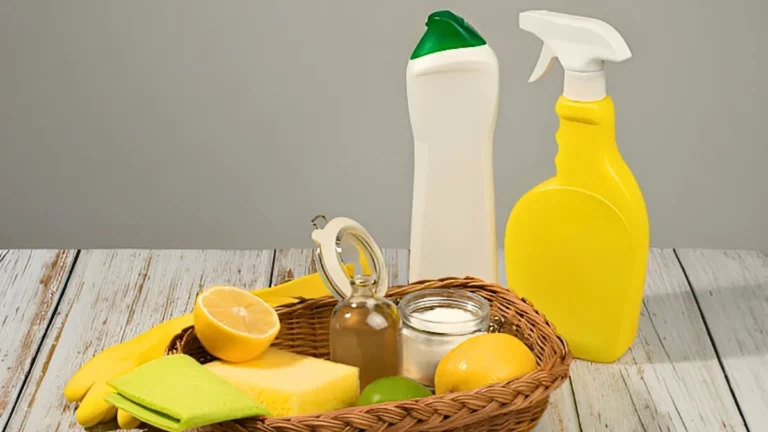
You don’t have to use harsh chemicals or spend a fortune cleaning your house. A common pantry item, vinegar may be an efficient and reasonably priced DIY cleaner for a variety of surfaces and household chores. Here’s how to use it to keep your house immaculately clean.

A natural deodorizer and disinfectant is vinegar. Because of its acidity, it works well to dissolve mineral deposits and filth. It’s also environmentally friendly and suitable for the majority of surfaces.

Ingredients:

  • one part vinegar made of white
  • one part aqueous
  • A few drops of essential oil, such as lavender or lemon, are optional but add a nice aroma.

Guidelines:

  • Using a spray bottle, mix equal parts water and white vinegar.
  • Should you want to, add a few drops of your preferred essential oil.
  • Thoroughly shake before using.

Using vinegar as a DIY cleaner

  • Countertops: Apply a mist and use a fresh cloth to clean the surface. Because vinegar stains natural stone surfaces like granite and marble, it should not be used on them.
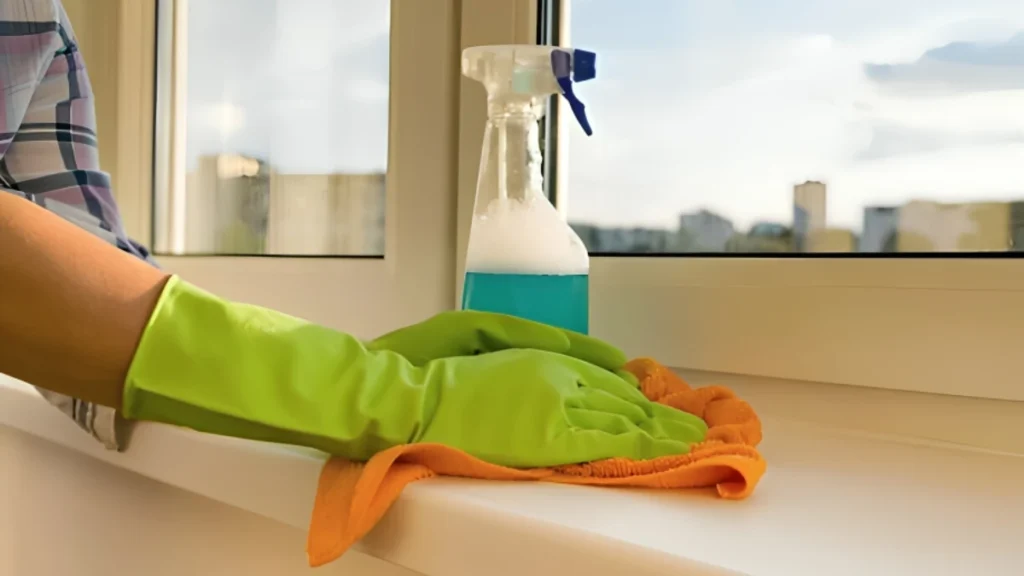
  • Windows and Mirrors: For a streak-free shine, spray on glass surfaces and wipe with a lint-free cloth or newspaper.
  • Floors: To mop tile or vinyl floors, mix half a cup of vinegar with one gallon of warm water. Again, do not use on floors made of genuine stone.

As an eco-friendly and cost-effective DIY cleaner, vinegar works great. You don’t need to use expensive solutions to keep your home clean and glossy because you can accomplish a lot of household cleaning jobs with only a few items. Try these easy recipes and reap the rewards of a budget-friendly, spotlessly clean house!

Certainly! If you’d like to learn more, please consider following our WhatsApp Channel, Facebook, Instagram, YouTube, Twitter, and Pinterest.

Q1: What’s a good DIY cleaner for bathrooms?

A1: Combine one cup vinegar, one cup baking soda, and a few drops essential tea tree oil. This concoction is effective at cleaning tiles, sinks, and bathtubs.

Q2: Can vinegar be used to clean windows and mirrors?

A2: Indeed, vinegar works wonders for sanitizing glass surfaces. In a spray bottle, combine one part vinegar to one part water. For a streak-free finish, spray the solution over the glass and wipe with a paper towel or lint-free cloth.

Q3: Can I use a steam mop with my DIY cleaner?

A3: Using a steam mop on laminate floors is generally not advised because of the high heat and moisture content that can cause the laminate to bulge or distort. For cleaning, use a microfiber mop and slightly moistened rags.

Q4: How should I apply the DIY cleaner to my hardwood floors?

A4: Use a microfiber mop or cloth to wipe the floor after lightly spraying it with the homemade cleanser. To avoid causing water damage to the floor, try not to saturate it too much.

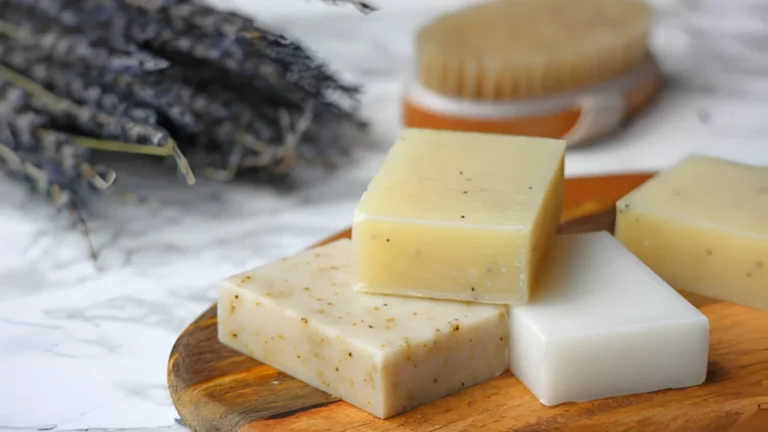
A growing trend in today’s manufactured goods world is embracing natural alternatives. Making soap is one such undertaking. Making your soap allows you to choose the ingredients, alter the fragrances, and produce something that is exclusively yours. Crafting homemade soap is an exploration of chemistry and self-care, not merely a creative endeavor. This tutorial will take you through the fundamentals of creating soap, giving you the know-how and self-assurance to start your sudsy journey.

Homemade soap ingredients

  • Shea butter, coconut oil, olive oil, and palm oil are typical choices. Every oil gives the soap a unique set of qualities (such as lather, hardness, or moisturizing).
  • Sodium hydroxide, or lye, is an essential component in the creation of soap. It undergoes a reaction with the oils known as saponification to produce soap. Lye can burn people if handled carelessly because it is a corrosive substance. Put on safety gear, like gloves and goggles.
  • Water for lye dissolution.
  • Optional additives include natural pigments or micas suitable for cosmetic use as colorants, herbs or botanicals for texture or exfoliation, and essential oils for smell.

Tools

  • Safety Equipment: To handle lye safely, wear protective clothes, gloves, and goggles.
  • Heat-Resistant Containers: Combine oils and lye solution.
  • Stick blender: To fully combine the oils and lye.
  • Molds: Silicon molds or even cardboard boxes covered with parchment paper can be used, as can any non-reactive container.
  • Thermometer: To keep an eye on temps while combining oils and lye.
  • Scale: To measure ingredients precisely.

Homemade soap recipes

  • Ensure that all of your components and tools are prepared. Check that there is enough ventilation in your workspace.
  • If needed, use parchment paper to line your mold.
  • Taking safety precautions, measure out the lye and water exactly as needed. Stir until the lye dissolves after adding it to the water—never the other way around. Let the mixture cool to around 38°C, or 100°F.
  • If needed, melt any solid oils, then put all of your oils in a container that can withstand heat. After bringing them all to a gentle boil, let them cool to about 100°F (38°C).
  • Pour the lye solution into the oils gradually once they have reached about 100°F (38°C). Blend them with a stick blender until you achieve trace, which is the consistency at which a thin layer of the mixture remains visible when it is poured over the surface.
  • Add fragrance, colorants, or any other additions at trace and mix well afterward.
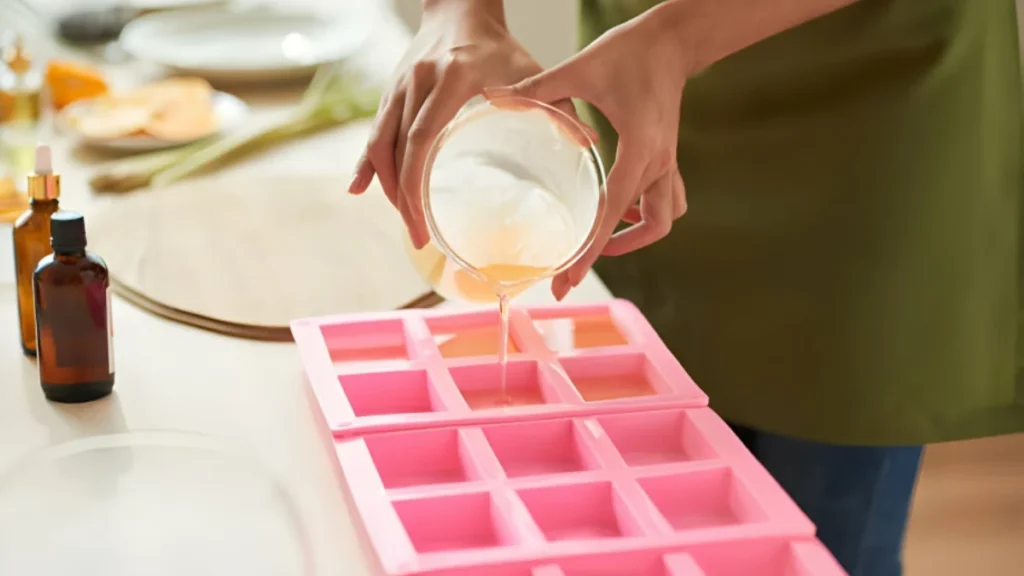
  • Fill the mold you’ve created with the soap mixture.
  • Give the soap between 24 and 48 hours to cure the mold. At this point, if needed, you can unmold the soap and cut it into bars. After that, let the bars cure for four to six weeks on a rack in a well-ventilated environment. This makes it possible for extra water to evaporate, producing a softer and tougher bar of soap.
  • Your soap is now ready to use or give as a present!

To summarize, making homemade soap may be a fun and rewarding task that allows you to tailor the ingredients and scents to your preferences. You may make opulent, chemical-free, and skin-friendly bars of soap by taking the necessary safety procedures. The joy of creating something special and useful is unequaled, whether you’re making soap for your use or as kind presents for friends and family. So grab your tools, pull up your sleeves, and get ready to start the thrilling journey that is producing soap!

Certainly! If you’d like to learn more, please consider following our WhatsApp Channel, Facebook, Instagram, YouTube, Twitter, and Pinterest.

Q1: What is the lifespan of homemade soap?

A1: Proper storage allows homemade soap to last for a very long period. To assist the soap harden and last longer, it is ideal to let it cure for a few weeks after producing it. Homemade soap that has been properly preserved can last for several months or even years after it has been cured.

Q2: Can I use homemade soap for sensitive skin?

A2: Shea butter and olive oil are two examples of components that can be especially used for homemade soap formulations intended for sensitive skin. Reducing potential discomfort can also be accomplished by avoiding synthetic scents and colorants.

Q3: Why use homemade soap scum removers?

A3: Compared to commercial treatments, homemade removers are frequently more economical and ecologically friendly. Additionally, you have control over the ingredients, which makes delicate skin and surfaces safer.

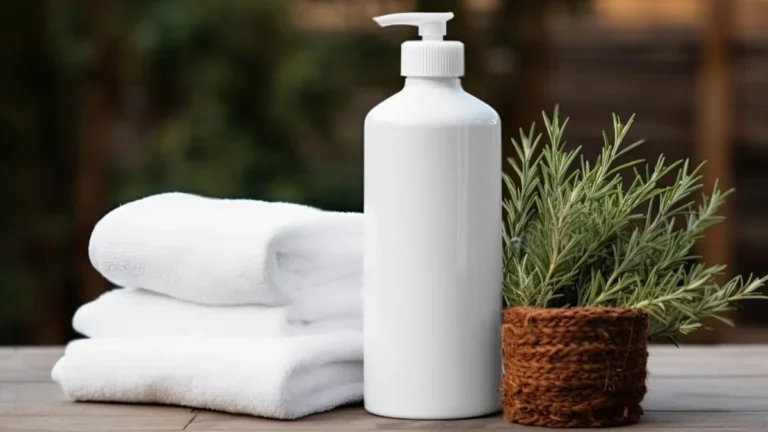
While rosemary uses in many different contexts, are you looking for a fresh and natural way to nourish your hair? This recipe for homemade rosemary shampoo is exactly what you need. In addition to its wonderful perfume, rosemary is well-known for its many health advantages for hair. You can give your hair the attention it needs without harsh chemicals by preparing your shampoo at home. Make your revitalizing shampoo with rosemary by following these easy instructions.

Ingredients list:

  • Two tablespoons of dehydrated rosemary leaves
  • one cup of water
  • Half a cup of mild or unscented liquid castile soap
  • One teaspoon of optional coconut or olive oil
  • Ten drops of essential rosemary oil (optional; for added scent)

Instructions for making DIY rosemary shampoo:

  • In a small saucepan, bring the water to a boil first.
  • When the water reaches a boiling point, mix in the dried rosemary leaves.
  • After lowering the heat to a low, soak the rosemary in the water for ten to fifteen minutes.
  • Strain the rosemary leaves from the water and let it cool to room temperature after the steeping process.
  • After the rosemary water cools, transfer it to a jar or bottle that has been cleaned.
  • To the jar containing the rosemary water, add the liquid castile soap.
  • For more moisture, feel free to add some olive or coconut oil to the recipe.
  • Lastly, add the rosemary essential oil to the mixture and stir thoroughly if you want a deeper aroma of rosemary.
  • You can now use your own rosemary shampoo!

To sum up, making your DIY rosemary shampoo presents a healthy and natural substitute for store-bought hair care items. Rosemary is well known for its ability to support healthy scalp function, encourage hair growth, and add a light fragrance. In the end, adding a homemade shampoo to your hair care regimen can be an enjoyable and fulfilling way to experiment with natural substitutes and possibly enjoy the advantages of this fragrant plant.

Certainly! If you’d like to learn more, please consider following our WhatsApp Channel, Facebook, Instagram, YouTube, Twitter, and Pinterest.

Q1: What are the benefits of using rosemary shampoo?

A1: Because of its antimicrobial qualities, rosemary offers many advantages for hair, including promoting hair growth, reducing dandruff, and enhancing scalp health.

Q2: Is rosemary shampoo suitable for all hair types?

A2: In general, all hair types can use this shampoo. Before using it frequently, people with sensitive skin or allergies should do a patch test.

Q3: How do I use rosemary shampoo on my hair?

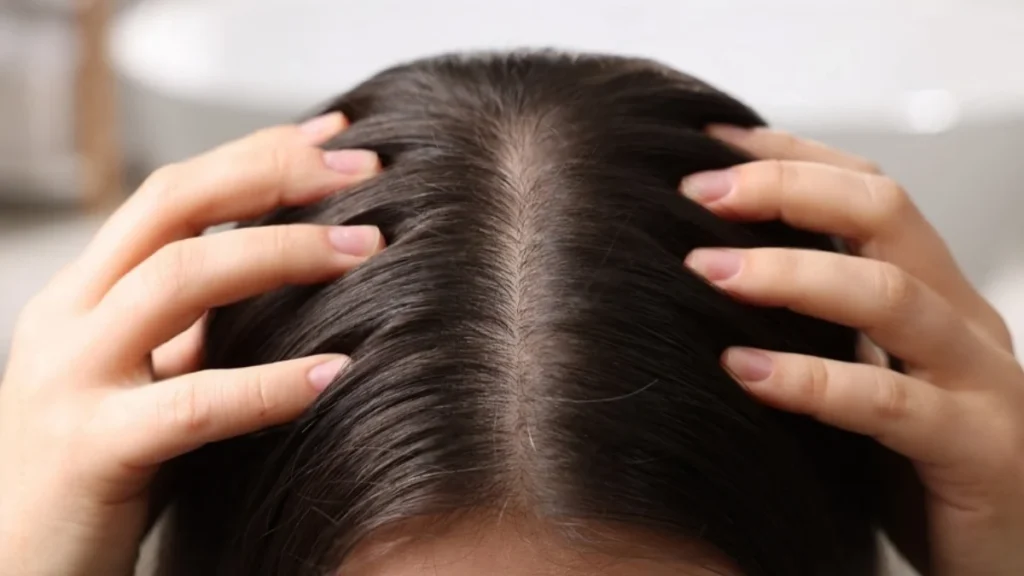
A3: To use this shampoo, thoroughly wet your hair, work a tiny amount of shampoo into your scalp and hair, and then give it a thorough rinse with water. If required, repeat. হলে, পুনরাবৃত্তি করুন।

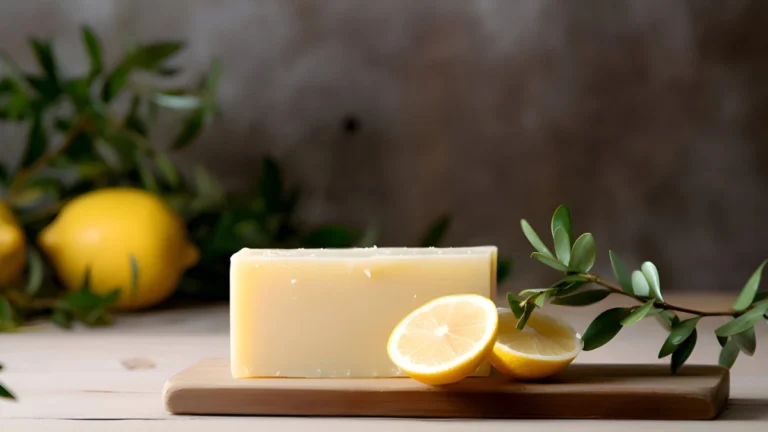
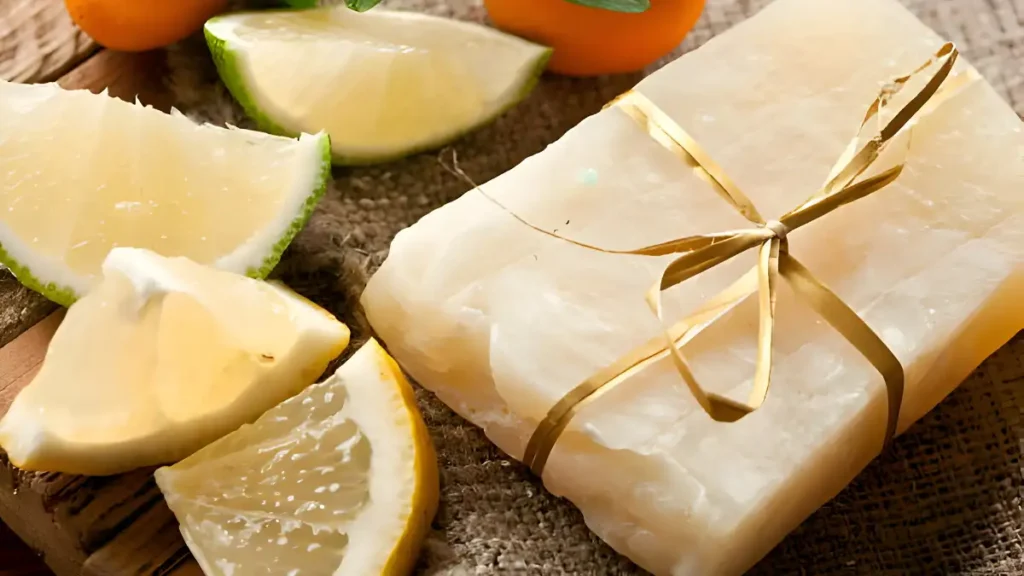
In addition to being a lovely addition to your skincare regimen, homemade soaps let you alter the ingredients to suit your tastes. With the help of natural oils and the freshness of lemons, this homemade lemon soap recipe creates a zesty and energizing cleansing experience. You can make your batch of delicious lemon soap by following these easy instructions.

  • Use a cheese grater to shred the lemon zest finely. Make sure only to grate the lemon’s outer yellow layer; do not grate the bitter white pith.
  • To make melting easier, cut the glycerin soap base into small cubes.
  • The cubed glycerin soap foundation should be placed in a microwave-safe container and microwaved for 30 seconds at a time until it melts completely. To guarantee consistent melting, stir in between batches.
  • Add the grated lemon zest, lemon essential oil, and vitamin E oil when the soap base has melted. To uniformly include all of the components, give the mixture a gentle stir.
  • Pour the mixture into the soap mold very carefully. To remove any air bubbles, lightly tap the mold against the counter.
  • Let the soap cool to room temperature so that it can solidify entirely. Depending on the size of your soap mold and the ambient temperature, this often takes one to two hours.
  • After the soap has hardened, carefully take it out of the mold. If it’s obstinate, you can try putting the mold in the fridge for a short while to assist the soap coming out.
  • You can now use your soap! To extend its shelf life, keep it out of direct sunlight and in a cool, dry place.
  • The natural exfoliating properties of lemon zest aid in revealing clearer, brighter skin by assisting in the removal of dead skin cells.
  • Lemon essential oil is useful in treating acne and other skin imperfections since it has antibacterial and antifungal qualities.
  • As a moisturizer, vitamin E oil nourishes and preserves the skin’s suppleness.

In conclusion, the natural components and zesty aroma of handmade lemon soap provide a revitalizing and delightful cleansing experience. Its exfoliating qualities combined with moisturizing oils can leave the skin feeling smooth, soft, and renewed. Using homemade lemon soap also fosters a sustainable and environmentally friendly approach to personal care in addition to healthier skin.

Certainly! If you’d like to learn more, please consider following our WhatsApp Channel, Facebook, Instagram, YouTube, Twitter, and Pinterest.

Q1: Is lemon soap suitable for all skin types?

A1: Most skin types can benefit from this soap, but those with dry or sensitive skin might want to test it on a tiny area of skin first because lemon can be slightly astringent and irritate certain people.

Q2: Can homemade lemon soap help with acne?

A2: Lemon soap’s inherent antibacterial qualities and ability to absorb excess oil from the skin may assist with acne. On the other hand, people who are prone to acne should exercise caution because lemons can occasionally cause sensitivity or discomfort.

Q3: Can lemon soap bar help with oily skin?

A2: Certainly, the natural astringent qualities of lemon assist in reducing excess oil production and unclogging pores, leaving the skin feeling rejuvenated and less greasy. This is why this soap bars are good for oily skin.