Tag

Season

Browsing

April changes gardens from barren earth to vibrant blooms, and it all begins with the correct flowers at the right time. Whether you envision a charming cottage garden brimming with sweet peas and foxgloves, a vivid cutting garden bursting with sunflowers and cosmos, or a wildlife-friendly border teeming with pollinators, April is the month to make it happen. This comprehensive guide includes every flowers to plant in April, how to nurture them, and the secrets to blossoms that endure all season.

April is a very lovely month on the flower calendar. Soil temperatures have reached the 8-10°C level required for successful germination, daylight hours are fast increasing, and the chance of severe frost is decreasing week after week. Hardy annual flowers may be planted right outside in April, and they will grow quicker than seedlings begun too early. Simultaneously, half-hardy and fragile flowers grown indoors now will be precisely proportioned and hardened off for transplanting in May, ensuring a smooth transition into full summer bloom.

What was the result? An April planting cycle may provide constant colour from late May to the first frosts of September, a single afternoon’s effort yielded a six-month blooming show.

When choosing flowers, consider:

  • Climate compatibility
  • Sunlight needs
  • Soil quality.
  • Water needs
  • Flowering season

Some common categories are:

  • Annual flowers (grow swiftly and bloom in a single season).
  • Perennials (returning year after year).
  • Bulbs and Tubers

Hardy annuals are the most tolerant and rewarding flowers to plant in April. Simply make a fine seed bed, spread the seeds, rake softly, and water. In April’s warming circumstances, most will germinate within 10-14 days—no propagator, no pots, no bother.

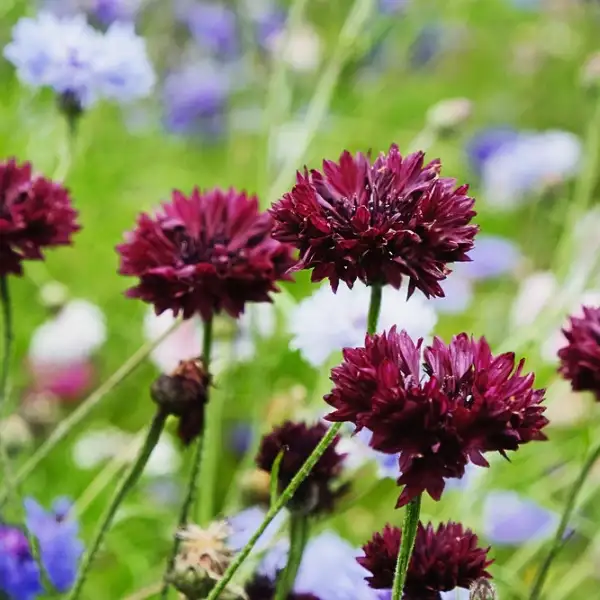
1. Cornflowers – 

Scatter seeds and rake in—they nearly grow themselves. June brings brilliant electric blue blossoms. Cut periodically to ensure that flowers bloom until September.

Cornflowers

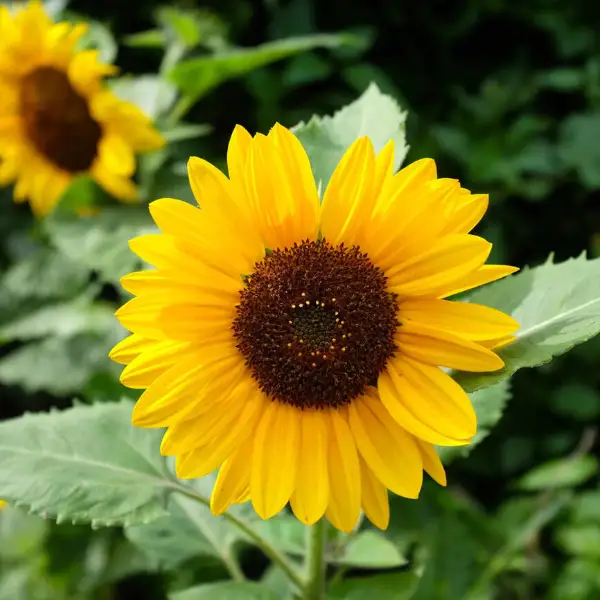
2. Sunflowers-

Starting in mid-April, sow directly in full sun. Children’s delight – big types grow to exceed 3 metres by late July. Supports birds and bees throughout the summer.

Sunflowers

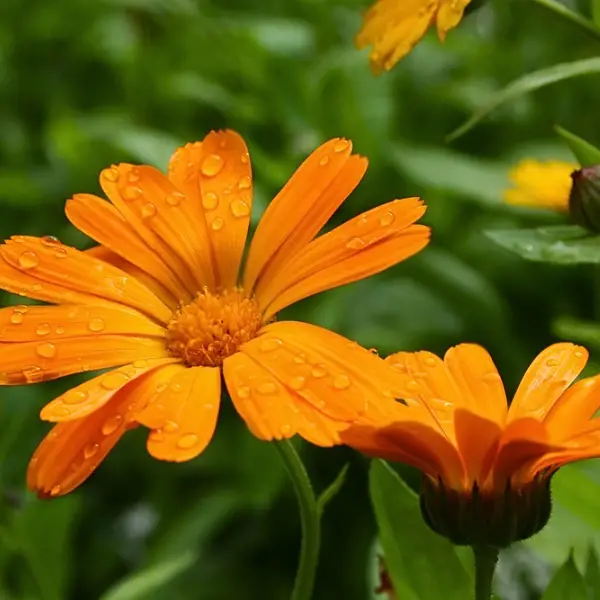
3. Calendula (pot marigold)-

From June forward, beautiful orange and yellow blossoms appear. Edible petals, therapeutic applications, and a great companion plant for naturally repelling pests.

Calendula

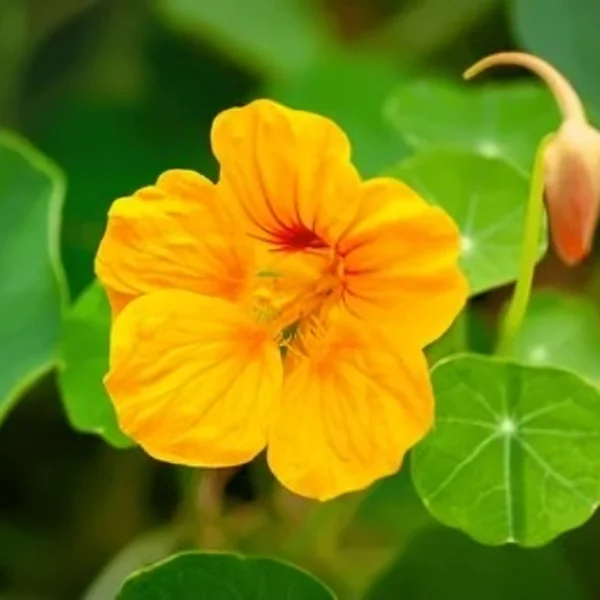
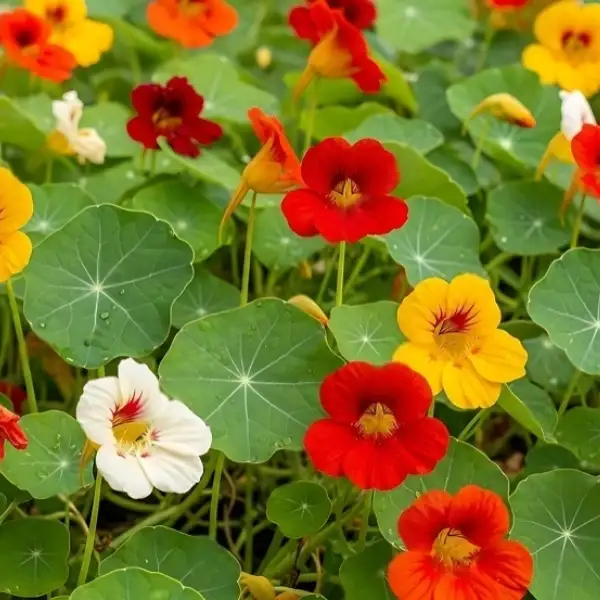
4. Nasturtiums-

Sow directly in poor, dry soil; nasturtiums really thrive under neglect. Flowers and leaves are delicious. Brilliant blackfly trap crop.

Nasturtiums

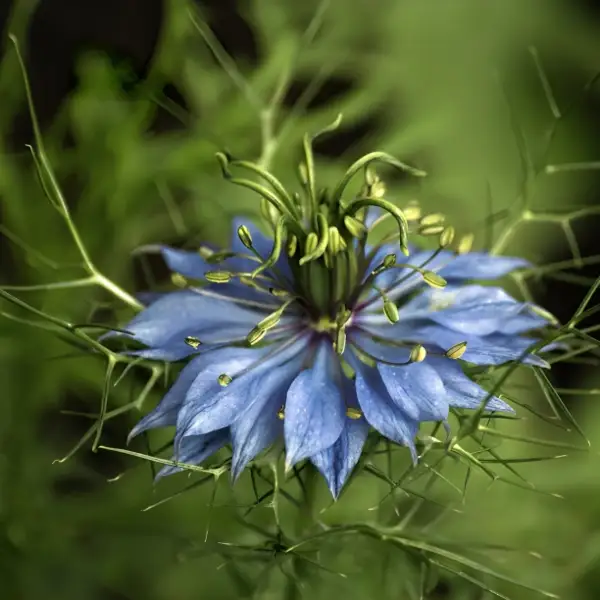
5. Nigella (love-in-a-mist)-

Feathery leaves with jewel-like blue, white, or pink blooms. Sow in drifts to create a cottage garden appearance. Self-seeds prolifically – plant once, enjoy for life.

Nigella

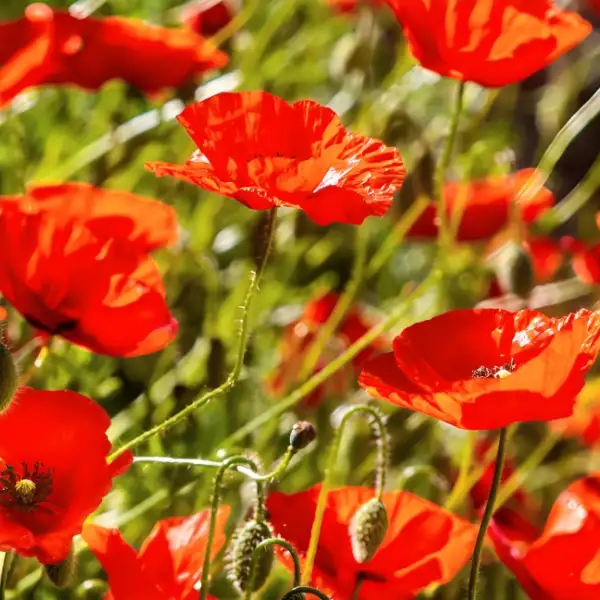
6. Poppies

In April, scatter poppy seeds thinly over prepared soil, but do not cover; they require sunshine to sprout. Starting in June, papery blossoms in red, pink, orange, and white appear.

Poppies

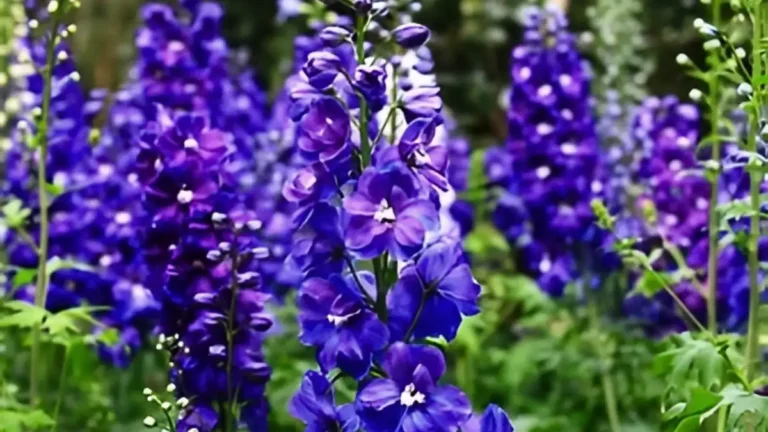
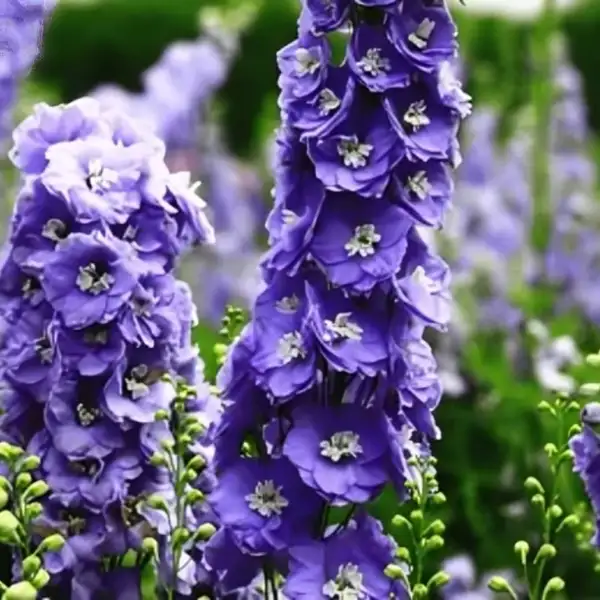
7. Larkspur-

Tall spires of violet, blue, pink, and white blossoms provide striking vertical structure to borders. Sow directly in the fall or early spring – April is excellent.

Larkspur

8. Clarkia-

Ruffled, delicate blooms in pink, violet, and white. Excellent cut flower with an extended vase life. It thrives in chilly spring temperatures, making it perfect for April planting.

Clarkia

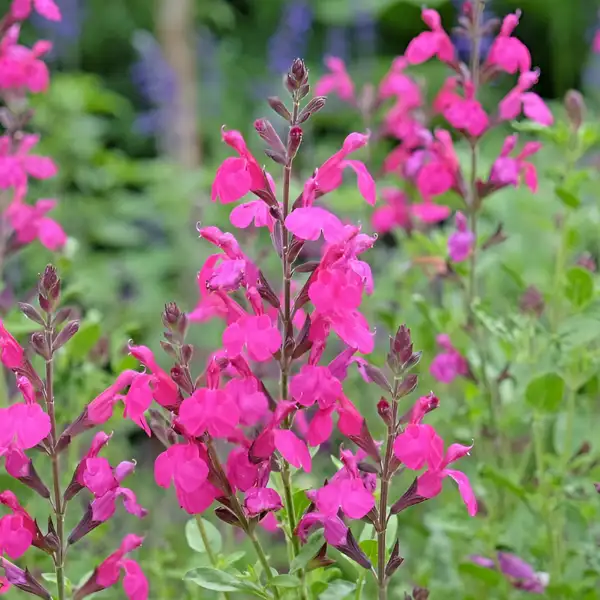
9. Salvia-

One of the most dependable pollinator plants available. Hardy salvias planted in April will thrive and begin flowering in June. Salvia nemorosa cultivars are very long-flowering and architectural.

Salvia

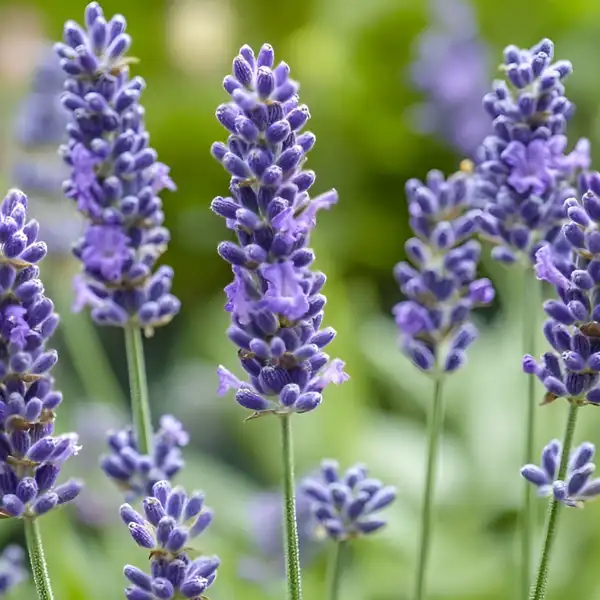
10. Lavender-

Plant in April in well-drained soil in the sunniest location possible. Lavender dislikes cold, damp roots, so add grit to heavy soils and avoid overwatering.

Lavender

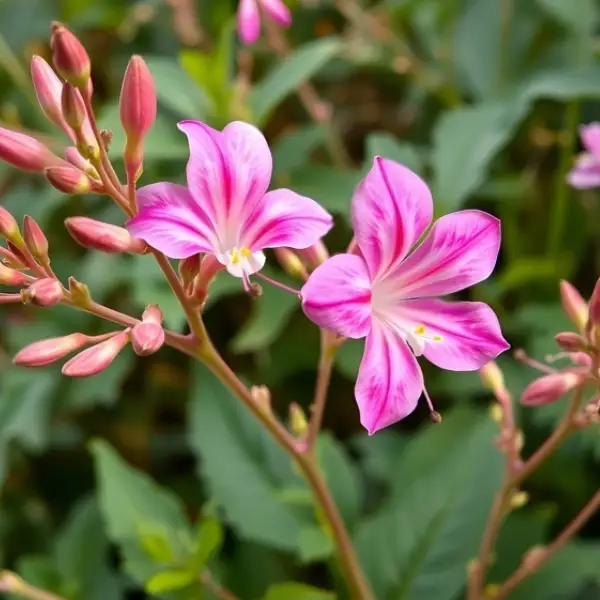
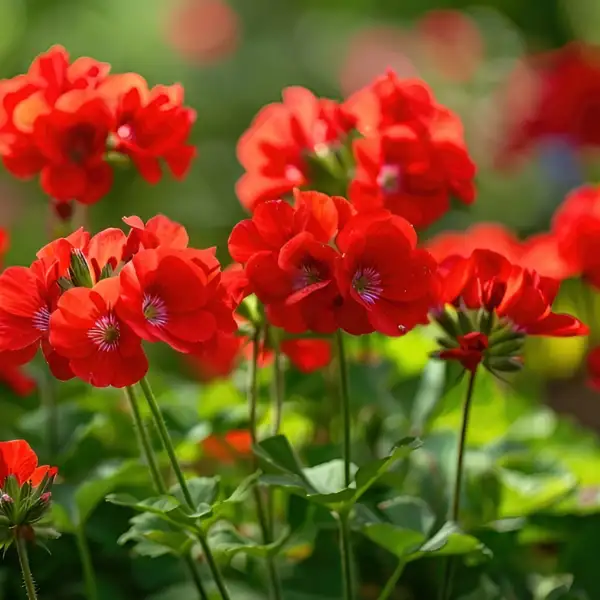
11. Geraniums (hardy cranesbill)-

Perennials that can tolerate shade and are quite adaptable. Plant in April for blooms from June to August. Self-seeding types fill gaps elegantly and effortlessly.

Geraniums

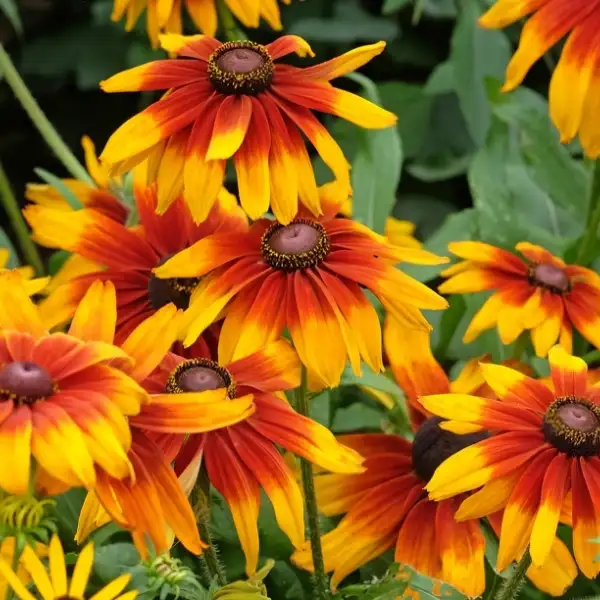
12. Rudbeckia (black-eyed Susan)-

Plant in April for late-summer gold. Rudbeckia blooms from August to October, after most other flowers have faded, making it ideal for extending the season.

Rudbeckia

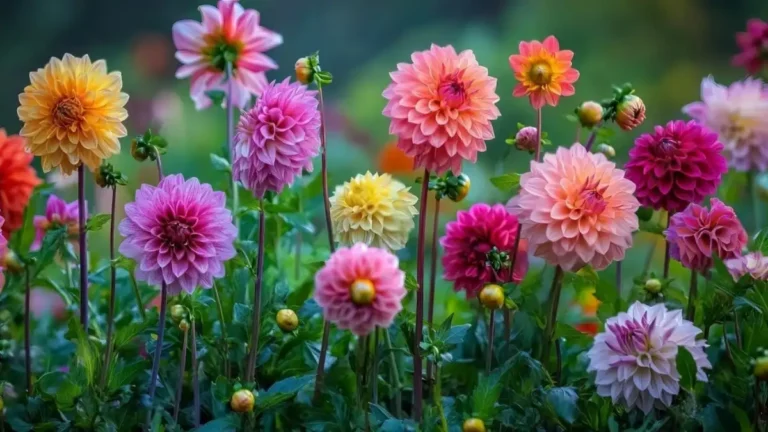
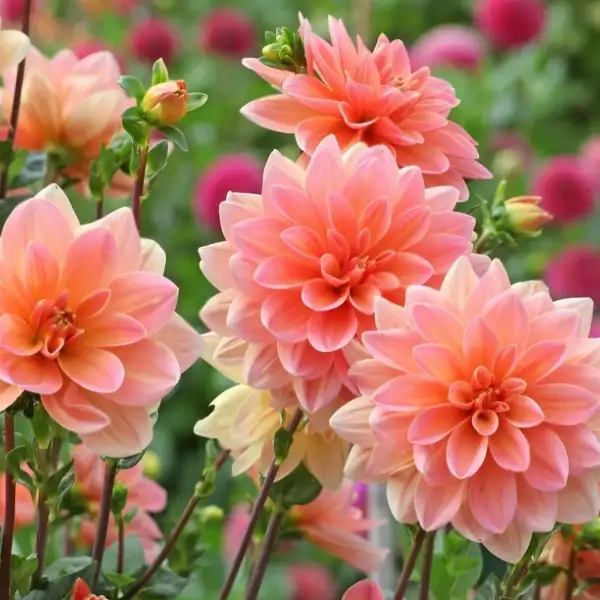
13. Dahlias-

Queens of the summer garden. Plant tubers in April, when the chance of frost has decreased. Growing dahlias in pots inside in early April if you want to have a head start. Stake before planting to prevent root damage later.

Dahlias

14. Begonias-

put tuberous begonias hollow-side up in compost trays inside in April, ready to put out in May for months of continuous color in shade.

Begonias

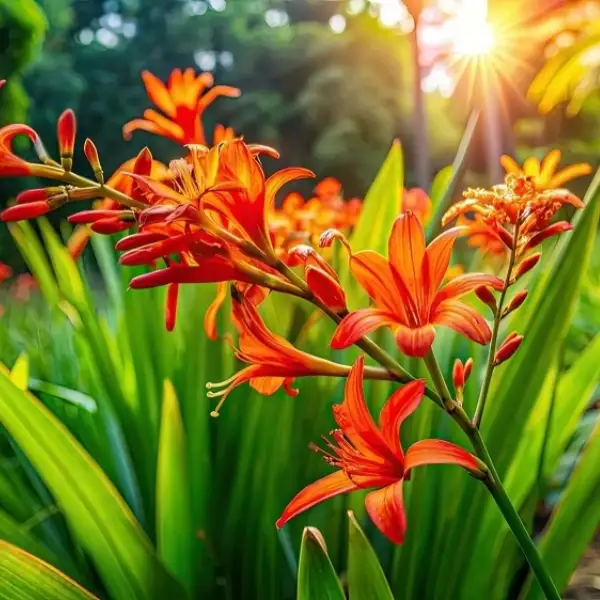
15. Crocosmia-

In April, plant corms in groups of five or seven. Fiery orange-red arching stems develop in July and August and gradually expand each year to produce spectacular clusters.

Crocosmia

16. Gladioli-

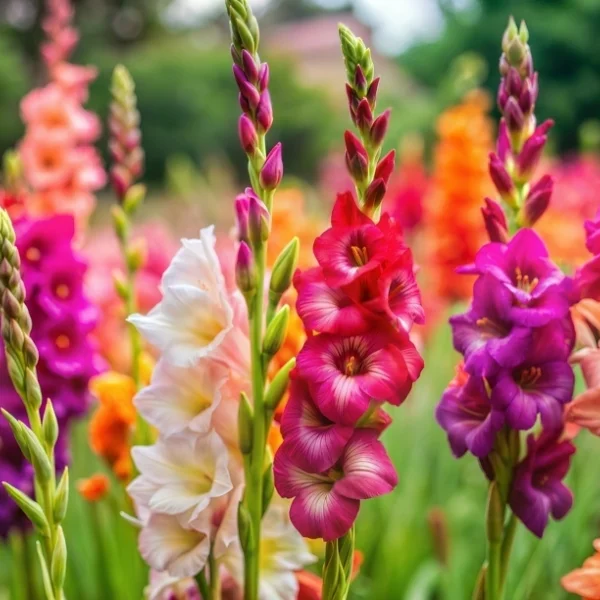
Plant corms 10-15cm deep in full sunlight in April. Their spires of ruffled petals come in every hue conceivable and are ideal for cutting. Plant every two weeks for succession flowers.

Gladioli

17. Sweet peas-

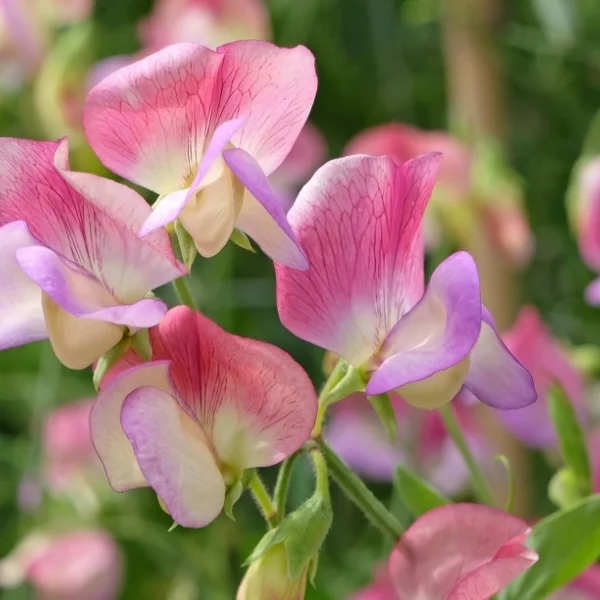
Sow April inside in root trainers for outdoor planting in May. Train using bamboo teepees, obelisks, or nets. Harvest every few days; missing blossoms halts output totally.

Sweet peas

18. Clematis-

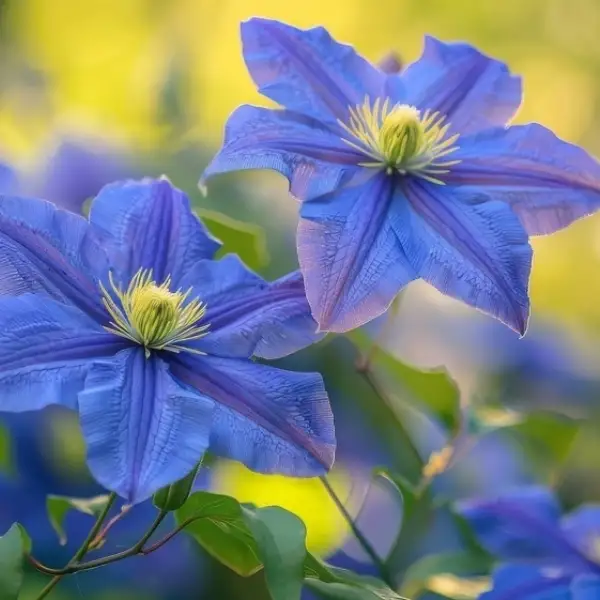
Plant clematis in April with the crown 5-8cm below soil level to prevent clematis wilt. Feed with a high-potash fertilizer and shade the roots with a stone or concrete slab.

Clematis

19. Climbing roses-

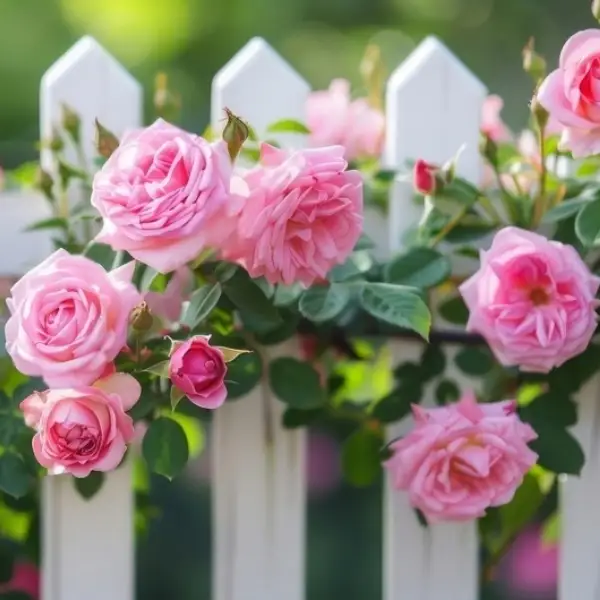
Roses can be planted bare-root or in containers in April. Before May, fan the shoots against walls or fences to stimulate development. Tie in on a regular basis; when stems harden, they become resistant to training.

Climbing roses

20. Nasturtium (climbing)-

Climbing nasturtium cultivars may scramble up 2m or more of trellis in a season. Sow directly at the base in April—no indoor start required. Edible blooms trail elegantly downwards.

Nasturtium

Deadheading is done rigorously. Removing wasted blossoms before they set seed causes the plant to generate additional flowers. Daily deadheading of cosmos, sweet peas, calendula, and zinnias may treble the number of flowers produced over the course of a season.

Check the last frost date. In most parts of the UK, the typical final frost date is mid-May, however frosts in late April are not rare. If frost is expected, keep a fleece nearby to cover vulnerable seedlings. A single April frost can kill half-hardy seedlings that took weeks to develop.

Harden off appropriately. Indoor seedlings require 7-10 days of moderate acclimatization before planting outside. Begin by placing them in a shaded place for 2-3 hours on a moderate day, gradually increasing the amount of time spent outside each day until they are fully planted.

Feed at the proper time. Hardy annuals sown directly require no early feeding; in fact, they thrive in considerably leaner soil. Half-hardy annuals and bulbs planted in April benefit from a high-potassium diet (tomato feed works great) once they start growing in May.

Choosing the proper flowers to plant in April may turn your garden into a lively, colorful oasis. April is the greatest month to begin your spring gardening trip because of the ideal weather and numerous flower alternatives.

You may have a healthy garden full of life and beauty by choosing appropriate flowers, using proper planting procedures, and avoiding common blunders.

Certainly! If you’d like to learn more, please consider following our WhatsApp Channel, Facebook, Instagram, YouTube, Twitter, and Pinterest.

Q1: What is the easiest flower to grow from seed in April?

A1: The three easiest flowers to grow from seed in April are sunflowers, nasturtiums, and cornflowers. All three may be seeded immediately outdoors, require little maintenance, and will germinate and blossom within 8-10 weeks. Nasturtiums are possibly the most failsafe, thriving in poor soil with inconsistent watering and producing tasty blossoms as a bonus.

Q2: What flowers attract bees and butterflies if planted in April?

A2: Planting for pollinators in April is one of the most effective things a gardener can do. In April, the finest bee and butterfly flowers to sow or plant are cornflowers, calendula, lavender, echinacea, salvia, cosmos, phacelia, borage (sow directly), sweet peas, and buddleja (butterfly bush, plant pot-grown). Native wildflower combinations are also good; distribute them over a prepared patch in April to provide pollinator support throughout the season.

Q3: Can I plant flowers in pots and containers in April?

A3: Absolutely. April is one of the greatest months to plant containers. Before planting, refresh the potting compost in each container. Plant out cold-hardy bedding such as pansies, violas, and polyanthus, which all endure April temps. Start petunias, begonias, and trailing lobelia inside in April, ready to plant in mixed hanging baskets and patio pots in late May, once the frost risk has passed.

April is the most exciting month on the gardening calendar. The soil is warming, frosts are lessening, and daylight hours are gradually rising, making now the ideal time to seed and grow a wide range of vegetables, herbs, and flowers. Along with deciding what to plant in April, there are lots of other tasks to complete while you finalize your garden ideas, like monitoring for pests and diseases, keeping up with weeding, continuing to split perennials, and pruning and pinching off blossoms as needed. Whether you’re dealing with raised beds, containers, or open ground, this comprehensive guide will show you just what to plant in April for a productive and visually appealing garden season.

April marks the transition from the cold to the warm season. In most temperate locations, soil temperatures have risen to the 8-10°C level required for reliable germination. Daylight surpasses 12 hours, causing robust development in both seedlings and existing plants. The gap between final frost and summer heat is at its largest, allowing you to seed sturdy crops straight outside while still beginning fragile crops under cover for transplanting in May. If you skip April, you’ll miss the foundation of your entire gardening season.

These crops are hardy enough to be planted immediately into prepared beds or containers outside in April. They thrive in chilly spring weather and will spread swiftly as temperatures climb over the month.

1. Lettuce & salad leaves

April is the most productive month for sowing. Cut-and-come-again materials can be ready in as little as 3-4 weeks. Sow every two weeks for continued harvesting.

2. Peas

April is peak pea-sowing season. Sow 5 cm deep in two rows. Support with twigs or nets. Harvest in 10-12 weeks.

3. Carrots

Sow thinly in drills 1 cm deep. Carrots detest root disturbance, so avoid transplanting. Thin to 5 cm apart when 3 cm tall.

4. Spring onions

Every three weeks, sow thickly in 1cm deep drills to ensure a constant supply that may be pulled as needed. Thinning is not necessary while growing bunching onions.

April is perfect for starting a herb garden, both from seed and by transplanting young plants. Hardy perennial herbs can be planted directly outside, whilst sensitive Mediterranean plants should be started inside.

1. Thyme & oregano

Established plants should be planted in well-drained soil in April. Both are Mediterranean herbs that prefer full light and dry conditions – excellent for raised beds.

2. Coriander

Sow directly in a sunny place from April to May. In hot weather, bolting occurs fast; pick slow-bolt cultivars and sow every three weeks for continuous leaf.

3. Parsley

Germination time is notoriously slow (3-4 weeks). Sow in April for a summer harvest. Soak seeds overnight to speed up germination. Keep continuously moist.

4. Basil

Sow indoors at temperatures of 18°C or above in April. Basil hates chilly nights, so do not transplant outside until June. Pinch the flower heads to keep the leaves coming.

April is ideal for both hardy annual flowers, which may be seeded directly outside, and half-hardy annuals, which can be started indoors. A well-planned April flower sowing will provide flowers from June through to the first frosts. If you do not know which flowers to plant in April, here are the names of a few flowers listed below.

1. Calendula (pot marigold)

Sow directly in April for blooming in June. Calendula is delicious, medicinal, and a potent companion plant that repels aphids while attracting beneficial insects.

2. Nasturtiums

Sow directly outside in mid-April. Edible spring flowers and leaves. Excellent aphid sacrifice trap crop. Thrive in poor, dry soil—do not overfeed.

3. Cosmos

Plant cosmos indoors in April for June flowers. Frost-tender but fast-growing, they will cover any gap in your borders with fluffy leaves and abundant blossoms.

4. Cornflowers

Simply spread seeds and softly rake in. Cornflowers planted in April bloom from July to September, making them ideal for pollinators and cut flowers.

April is one of the greatest months for growing fruit in the garden. The bare root season is passed, but pot-grown fruit plants thrive in April’s warm soil and increased rainfall.

1. Strawberries

Plant runners or potted plants in April for a late June-July crop. Remove first-year blooms from newly planted runners to create a stronger crown for the next season.

2. Raspberries

Plant canes in prepared beds now. Summer-fruiting types planted in April will grow and produce the following year.

3. Blueberries

April is great for planting in ericaceous (acidic) compost. If your soil is not naturally acidic (pH less than 5.5), grow it in huge pots.

4. Melon

Sow indoors in April at a temperature of 20°C or above for greenhouse or polytunnels.

Knowing what to plant in April may significantly improve your gardening experience. With the correct crops, careful planning, and continuous maintenance, you may have a profitable and attractive garden all season.

April provides an ideal blend of weather, soil conditions, and planting chances, making it one of the most significant months for gardeners.

Certainly! If you’d like to learn more, please consider following our WhatsApp Channel, Facebook, Instagram, YouTube, Twitter, and Pinterest.

Q1: What is the easiest vegetable to plant in April?

A1: Radishes are the simplest and quickest vegetable to produce from an April seed, taking as little as 3-4 weeks with minimum maintenance. Lettuce, spring onions, and peas follow closely following. All may be seeded straight outdoors in April using only seeds and a rake.

Q2: Can I plant potatoes in April?

A2: Yes, in most areas, mid-April is the best time to grow seed potatoes outside. First earlies can be planted as early as April (soil permitting), with maincrops following in mid-to-late April. To protect against late frosts and stimulate the formation of new tubers, earth up the shoots as they emerge.

Q3: What should I not plant in April?

A3: In April, avoid planting frost-tender crops straight outside. This includes tomatoes, peppers, aubergines, courgettes, cucumbers, runner beans, and basil, which must be planted indoors in April and put outside once the risk of frost has passed.

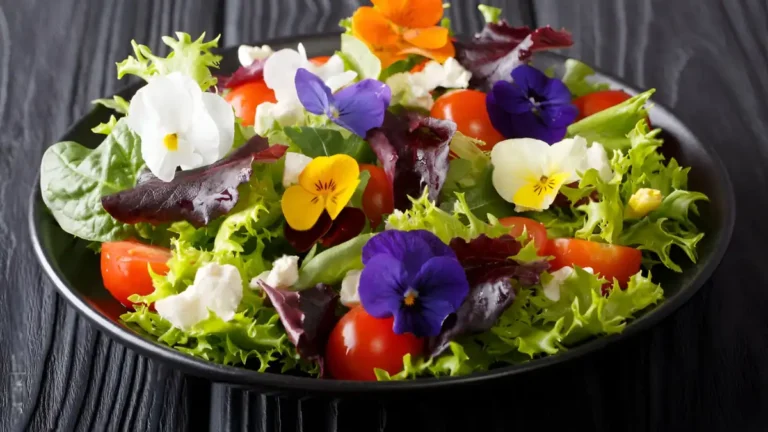
Spring is a great time to enjoy the wealth of nature, bringing with it a vivid array of colors and flavors. Edible spring flowers enhance meals visually and add flavors and textures. These flowers are visually appealing and offer many culinary options with their delicate petals and fragrant blossoms. Take a trip with us through the fascinating world of edible spring flowers, where flavor and beauty collide and culinary imagination has no limits.

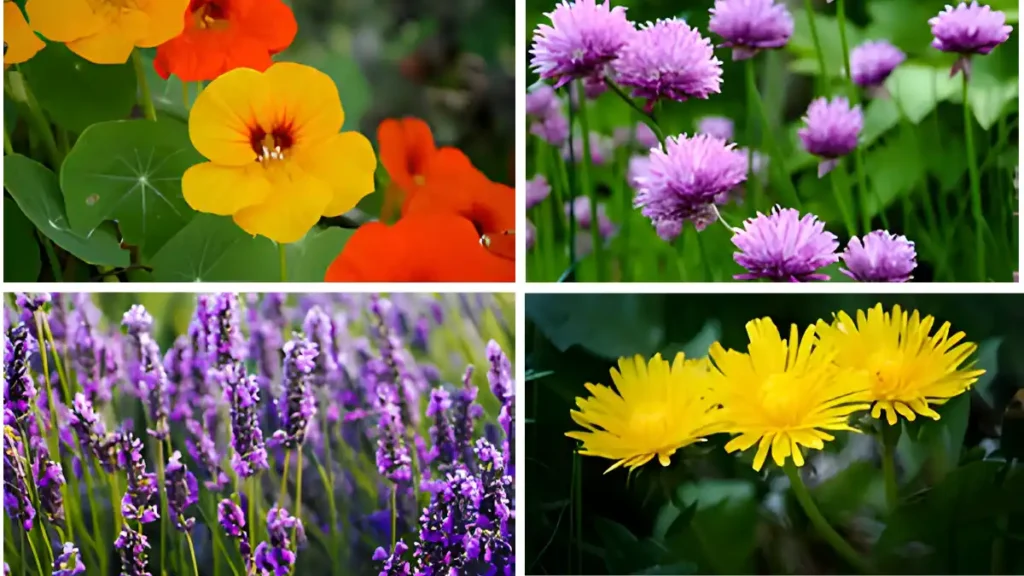
  • Nasturtiums: A visual and gastronomic feast, nasturtiums boast vivid colors ranging from flaming oranges to sunny yellows. These vibrant flowers, similar to watercress, enhance salads and sandwiches with their peppery taste.
  • Violets: Not only are they aesthetically pleasing but also pleasantly tasty due to their delicate and dainty nature. Cakes, cookies, and even ice creams taste great with their sweet, flowery flavor. Violet petals can also crystallize for a sophisticated garnish.
  • Rose Petals: Roses are a beautiful complement to your culinary creations, and they’re not only for bouquets. Select organic roses that haven’t been sprayed and use their petals to infuse jams, syrups, or even homemade chocolates. Their sweetness and subtle floral scent will enhance any meal.
  • Chive Blossoms: The beautiful purple blossoms of chives give your dishes a subtle onion taste in addition to a splash of color. For a tasty and novel twist, scatter the blooms over omelets, salads, and soups.
  • Dandelions: Offer a variety of culinary uses, including their vibrant yellow blooms, bitter honey, and special springtime treats like dandelion wine, jelly, or fritters.
  • Lavender: known for its soothing aroma, enhances the flavor of both savory and sweet foods, making it a versatile ingredient in preparing various dishes.

Edible spring flowers are visually pleasing as well as incredibly versatile in the kitchen, enhancing a variety of recipes with mouthwatering tastes, hues, and textures. They are an excellent addition to seasonal menus because their usage in cooking fosters creative experimentation and improves the dining experience. But before you eat any flowers, make sure you identify them properly and proceed with caution—some blooms might be poisonous. All things considered, adding edible spring flowers to dishes can improve their presentation as well as their flavor, making for a special and unforgettable eating experience.

Certainly! If you’d like to learn more, please consider following our WhatsApp Channel, Facebook, Instagram, YouTube, Twitter, and Pinterest.

Q1: How should I prepare edible spring flowers for consumption?

A1: It’s important to wash edible spring flowers well to get rid of any dirt or toxins before eating them. Remove any pistils, stamens, or sepals with a paper towel after gently patting them dry, as they could taste harsh. Edible flowers can be used whole or divided into petals depending on the recipe.

Q2: Can edible spring flowers be used in cooking and baking?

A2: Yes, you may use edible spring flowers in baking and cooking to give meals distinctive flavors and looks. They can be added to soups, salads, sweets, and drinks, and even used as a natural food coloring substitute. But, you must make sure they go well with the other ingredients in the recipe and use them sparingly.

Q3: What are edible flowers?

A3: Flowers that are safe to eat are known as edible flowers, and they can be added to a variety of recipes for flavor, decoration, or garnish.

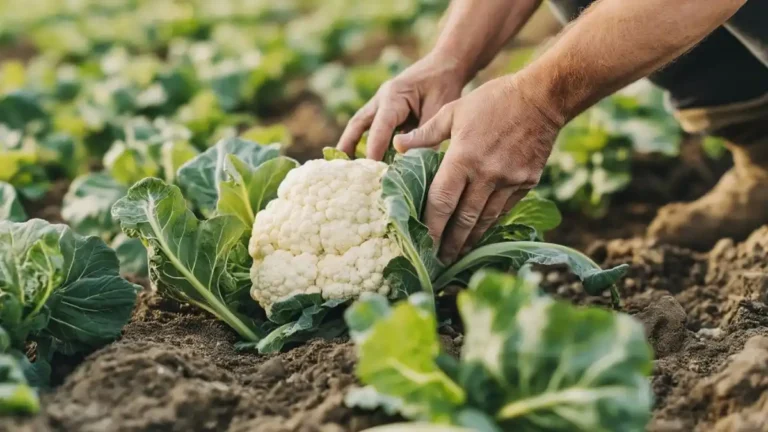
A common cold-hardy vegetable, cauliflower can be cooked into soups, curries, and other recipes or eaten raw or steamed. It typically grows in winter gardens in the spring and fall. Picking cauliflower heads before they begin to bolt or are harmed by cold weather is essential to getting the best cauliflower out of your veggie garden.

A nutrient-dense and adaptable vegetable, cauliflower needs nurturing to grow to its full potential. The optimal flavor, texture, and nutritional value are guaranteed when you know when and how to harvest cauliflower. This post will walk you through how to harvest cauliflower when it’s freshest.

Although the seeds can be started inside, most gardeners grow cauliflower plants from seeds they plant directly in garden beds in the spring or fall. While fall crops are normally ready to harvest in November or December, spring-planted cauliflower is usually harvested in August or September. Cauliflower plants typically take 50 to 100 days to mature when planted from seed, though this varies based on the variety and local climatic conditions.

Cauliflower should be harvested in spring before 80°F temperatures rise, as it bolts in heat. Growing cauliflower in fall is easier due to its cold-hardy nature.

Cauliflower thrives in cool conditions and is planted in spring or fall. Depending on the type, growing conditions, and weather, it matures between 55 and 100 days after transplantation. Monitor plant health for optimal results.

Timely harvesting is essential. The following are important signs that your cauliflower is ready:

  • The diameter of mature cauliflower heads is normally 6 to 12 inches. To find the perfect size, see the variety-specific instructions or the seed packet.
  • The component you eat, the curds, should be packed tightly. Over-maturity or bolting is indicated by a loose or spreading head.
  • For special types (such as purple or orange cauliflower), the head should be uniformly white, creamy white, or the designated color. Discoloration or yellowing indicates that it is past its best.
  • The cauliflower is usually ready to be picked when the surrounding leaves begin to open naturally away from the head.

To properly harvest cauliflower, take the following actions once you’ve decided it’s ready:

  • For a clean cut, use pruning shears or a sharp knife.
  • Keeping a few inches of the stem connected, cut the head off the stem while holding it firmly. This aids in safeguarding the head while being handled.
  • Take care not to bruise the fragile curds. Heads that are damaged cannot be stored as effectively.
  • The head can be protected during storage by keeping some of the outer leaves.

Knowing when to harvest cauliflower at its height necessitates careful observation and timing, but the work pays off in improved taste and quality. You may enjoy fresh, homegrown cauliflower that is great for any meal by keeping an eye on size, compactness, and color, as well as using proper harvesting practices. 

Certainly! If you’d like to learn more, please consider following our WhatsApp Channel: Harvest Gardening

Q1: When is it too late to harvest cauliflower?

A1: It is too late to harvest cauliflower once the heads become loose, yellowed, or begin to blossom, as this signals overripeness. Harvest when the heads are roughly 6 to 8 inches in diameter, firm, and compact. 

Q2: How to harvest cauliflower seeds?

A1: Cauliflower seeds should be harvested by letting the plant blossom and produce seed pods, then letting the pods dry on the plant. To store the seeds, gather the dried pods, crack them open, and separate them.

Q3: What season do you harvest cauliflower?

A3: Cauliflower is typically harvested from late spring to early summer for spring-planted crops and late fall for autumn-planted crops. The exact time depends on the planting season and the local environment.

Q4: How many times can you harvest cauliflower?

A4: Cauliflower is a single-harvest crop, with each plant producing only one head. After the head is harvested, the plant will not produce another.

Winter is a time when many gardeners long for spring. There are still many ways to keep your green thumbs occupied throughout the winter, though, if you want to start working on your spring garden or use nature-themed crafts to express your creativity. 

Searching for winter garden ideas to add a lovely touch to your backyard despite the gloomy weather? It’s important to know that winter garden ideas can be just as fashionable, architectural, and bright as summer garden ideas. A garden doesn’t have to be drab and lifeless throughout the winter. With careful preparation and imaginative accents, your outdoor area can be transformed into a lovely, welcoming retreat throughout the year. To turn your location into a winter wonderland, try these 10 gorgeous winter garden ideas.

1. Evergreen foundation

Evergreens provide your garden structure and color all year long. Include plants like boxwood, juniper, and holly to keep your garden looking lush and healthy even during the coldest months. Use these plants to make hedges, topiaries, or decorative elements.

2. Seasonal blooms

Incorporate winter-flowering plants into your landscape to add vibrancy and color. Favorites like witch hazel, hellebores, and winter jasmine grow despite the cold, bringing visual interest and a hint of magic. These are the loveliest winter flowers.

3. Frosted beauty with ornamental Grasses

There are many different types of ornamental grasses, and if you learn how to grow them well, you’ll also find that they make great winter garden ideas because they keep their shape and shine when frozen. Snowfall should be removed as soon as possible since it might bend and break their stems, however they will swiftly recover in the spring.

4. Bird-friendly features

Winter is a challenging season for birds, so consider providing feeders, birdbaths, and nesting boxes. Winter garden ideas include bird homes and feeders, placed in areas where birds are unlikely to be preyed upon, benefiting local animals and adding excitement to your yard.

5. Winter containers and planters

Fill frost-resistant containers with hardy plants such as pansies, ornamental cabbages, and evergreen shrubs. Place them near entrances or along pathways to create a pleasant atmosphere.

6. Winter vegetable garden

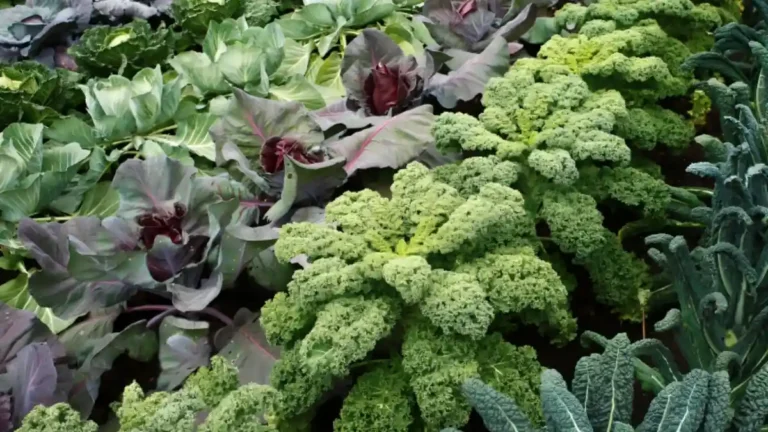
If you wish to garden with winter vegetables, don’t allow the season to keep you from growing your food. Kale, Brussels sprouts, and winter lettuce flourish in cold weather. To lengthen your growing season, consider using raised beds or cold frames.

An indoor winter garden adds greenery and warmth to your house during colder months. Utilize vertical planters or shelving, grow tough herbs like rosemary and thyme, and low-light plants like pothos and ferns. Use small potted evergreens or succulents for texture. Add grow lights for plant growth. Place the garden near a seating area and decorate it with string lights or candles.

Creating a gorgeous winter garden is all about embracing the season’s distinct characteristics. These six greatest winter garden ideas can help you construct a lovely winter garden. With a combination of evergreen framework, seasonal accents, and smart design, your outdoor space can serve as a year-round oasis. Begin planning now, and by winter, your garden will be a stunning refuge. 

Certainly! If you’d like to learn more, please consider following our WhatsApp Channel: Harvest Gardening

Q1: What are the best plants for a winter garden in South Africa?

A1: Indigenous species such as aloes, proteas, and ericas are ideal for a winter garden in South Africa since they flourish in the colder months and attract wildlife.

Q2: What lighting options can enhance a winter garden?

A2: To create a warm and inviting atmosphere during the dark winter months, consider using LED pathway lights, string lights, tree uplighting, and solar-powered garden lights.

Q3: What are some tips for maintaining a winter garden?

A3: Tips for winter gardening include mulching plants, watering sparingly but frequently, trimming dormant plants, and ensuring appropriate drainage to avoid frost damage.

Winter might be gloomy and lifeless, but your garden doesn’t have to reflect this. You can turn your outside space into a beautiful refuge even during the coldest months with the proper flowers. Here are 6 beautiful winter flowers that can add color, scent, and pleasure to your yard.

Choose plants suitable for your USDA Hardiness Zone and climate to keep flowers alive during winter. Read the plant tags for proper care and place them in the right light area. Southern areas and moderate temperatures have winter blooms, but Northeast USDA Hardiness Zones also offer seasonal enjoyment. Enjoy the blooms after providing ample water until winter arrives.

To maximize winter flower outcomes, plant cold-hardy bulbs in topsoil before frost. Plant surprise winter flowers like tulips and daffodils in late fall for early spring bloom. Plant perennial flowers and shrubs like forsythia and hellebores in late fall to grow roots before the ground freezes. Annuals like violas and pansies can thrive in warmer areas from fall planting.

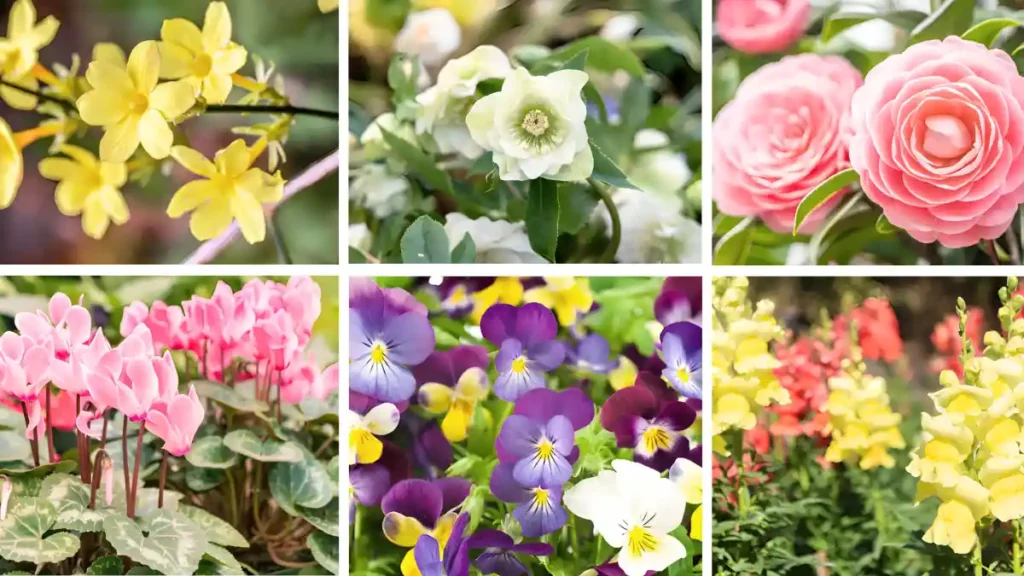
Winter flowers bloom during the winter months, bringing life to gardens and landscapes when most other plants are dormant. These flowers are hardy and can survive lower temperatures, surviving during the winter season. Pansies, cyclamen, hellebores (Christmas rose), camellias, and winter jasmine are popular plants that can enhance the winter landscape with their vibrant colors and tenacity.

1. Winter Jasmine (Jasminum nudiflorum)

This deciduous perennial plant produces vivid yellow flowers in January or February before the leaves appear, which sets it apart from other types of jasmine. One of the best options for winter gardens is winter jasmine. Blooming from late fall to early spring, this resilient plant provides a much-needed burst of color throughout the dreary winter months. It reaches a height of 10 to 15 feet and a width of 3 to 6 feet.

Winter jasmine can be taught to climb a trellis or grow as ground cover; it grows best in well-drained soil. It may be grown in USDA hardiness zones 6–10 and does well in full sun to medium shade. For healthy development, it should be clipped after flowering.

2. Camellias (Camellia spp.)

Camellias, a popular flower with rose-like blooms in crimson, pink, and white, add elegance to gardens from late fall to early spring. As evergreen plants, they maintain a lush environment. Camellia japonica, the most common species, blooms from late December to March.

This plant is appropriate for USDA hardiness zones 7-9 since it grows best in acidic, well-draining soil that receives some shade.

3. Hellebores (Helleborus spp.)

Often referred to as the “Christmas Rose,” Hellebores are delicate, nodding blooms that come in a variety of colors, including white, pink, purple, and even green, that bloom in mid to late winter. Their waxy green foliage looks wonderful all year round, and these winter blossoms are hardy as nails despite their delicate appearance. The blooms make beautiful cut flowers as well. The ease of growing hellebore flowers in your garden depends on your location.

For best growth, plant in rich, well-drained soil; for best effects, plant in dappled shade.

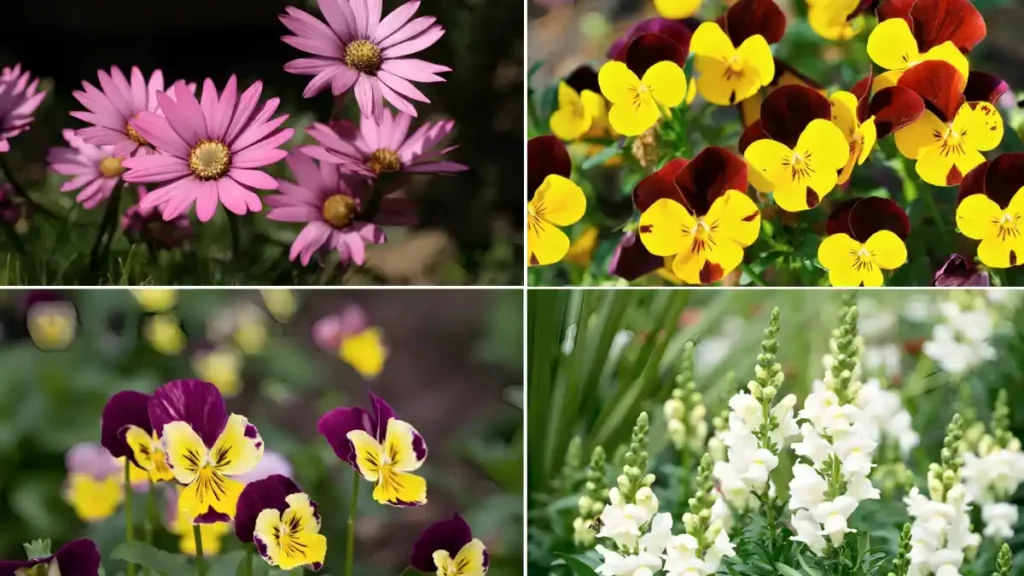
4. Pansies and Violas (Viola spp.)

Winter pansies, with their tiny petals, are hardy and sturdy perennials ideal for winter gardens. They bloom over the majority of the winter in mild climes, returning in the spring in colder ones. Although officially annuals, many types shed seeds, allowing them to return in the spring. Cool Wave pansies may survive the most of the winter in temperate areas.

For USDA hardiness zones 4–10, deadhead spent blooms to ensure full sun to moderate shade, keep soil moist, and encourage ongoing flowering.

5. Cyclamen (Cyclamen persicum)

Cyclamen, a popular garden plant, is known for its vibrant butterfly-like blooms and heart-shaped silver-marked leaves. These hardy plants bloom from December or January into March, with tiny, striking blossoms in white, pink, or occasionally purple. They don’t require deadheading and can bloom for up to five weeks under ideal conditions.

To avoid root rot, plant in slightly acidic, well-drained soil and don’t overwater. Toxic to pets; USDA hardiness zones 4–8, mild partial shade.

6. Snapdragons

In milder climes, snapdragons will retain their gorgeous color far into the fall and winter, even though they are most famous for their spring blossoms. Plant snapdragon flowers to decorate your garden. Make sure to plant Snapdragons outdoors in at least partial shade, if not full shade, as they will wilt and scorch in the blazing heat.

Red winter flowers like Camellias, Cyclamen, Poinsettias, Winterberry holly, and Hellebores provide warmth and color in your garden. These plants bloom in glossy green with heart-shaped leaves, offer a festive feel, and have rich red flowers that survive cold weather. They also attract pollinators, making them both beautiful and useful.

White winter flowers, such as snowdrops, Hellebores, Cyclamen, Camellias, and Paperwhite Narcissus, offer a serene, elegant aesthetic during colder months. These delicate, hanging blossoms, along with their long-lasting blooms, brighten dark areas, and add a touch of scent, create a serene, white atmosphere that complements the winter scenery.

Winter flowers can transform your landscape into a beacon of beauty and life, defying the melancholy of the season. With proper care, these hardy plants maintain their beauty even during colder months.

Certainly! If you’d like to learn more, please consider following our WhatsApp Channel: Harvest Gardening

Q1: When is the best time to plant winter flowers?

A1: Winter flowers should be planted in early to mid-autumn to allow roots to form before cold arrives, and some bulbs can be planted in late October.

Q2: Is zinnia a winter flower?

A2: Zinnias are not winter flowers, but rather warm-season annuals that thrive in the summer and early fall. They require a lot of sunlight and cannot withstand cold, making them unsuitable for winter gardens.

Winter may seem dreary compared to fall and summer vegetables, but there are tasty winter vegetables that add flavor and color to meals. Some, like carrots, Brussels sprouts, and kale, have their best flavor after a few frosts. Common winter vegetables like butternut squash and broccoli are also enjoyable.

Winter gardening makes enjoyable fresh vegetables even during the coldest months possible. You may have a successful winter garden if you choose the appropriate vegetables. The best winter vegetables to plant are examined below, along with advice on increasing productivity and having a successful cold-season harvest.

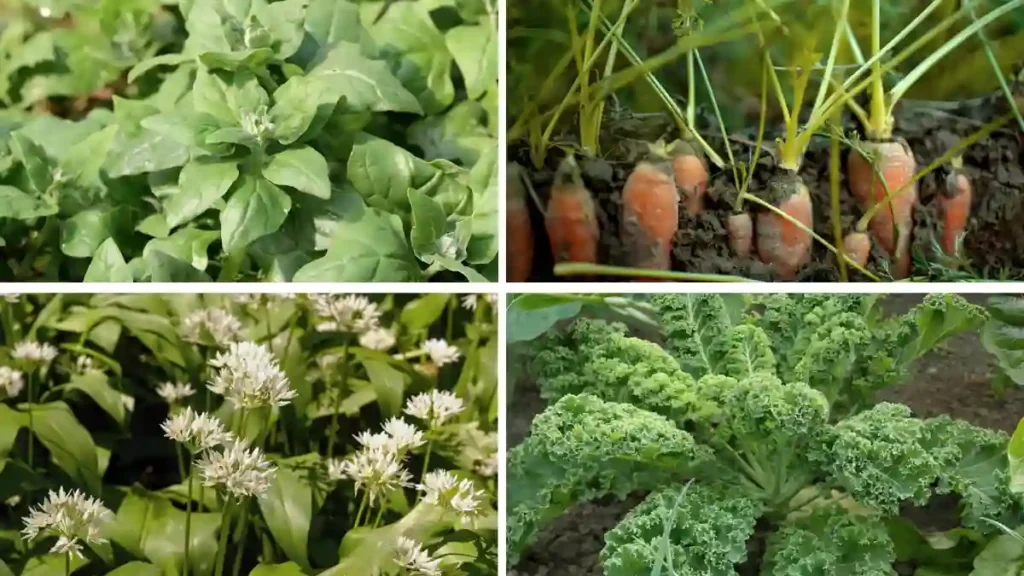
Winter vegetables are planted and harvested when the temperatures begin to drop—namely because they prefer the chilly weather. These include hearty greens like kale and spinach, root vegetables such as carrots, parsnips, and turnips, as well as cruciferous vegetables like broccoli, cauliflower, and Brussels sprouts. They are well-suited for the season, offering essential nutrients during colder months.

But why is that? That being said, some veggies can withstand the colder months due to their increased sugar content. As a result, throughout the colder months, the vegetables taste even sweeter. 

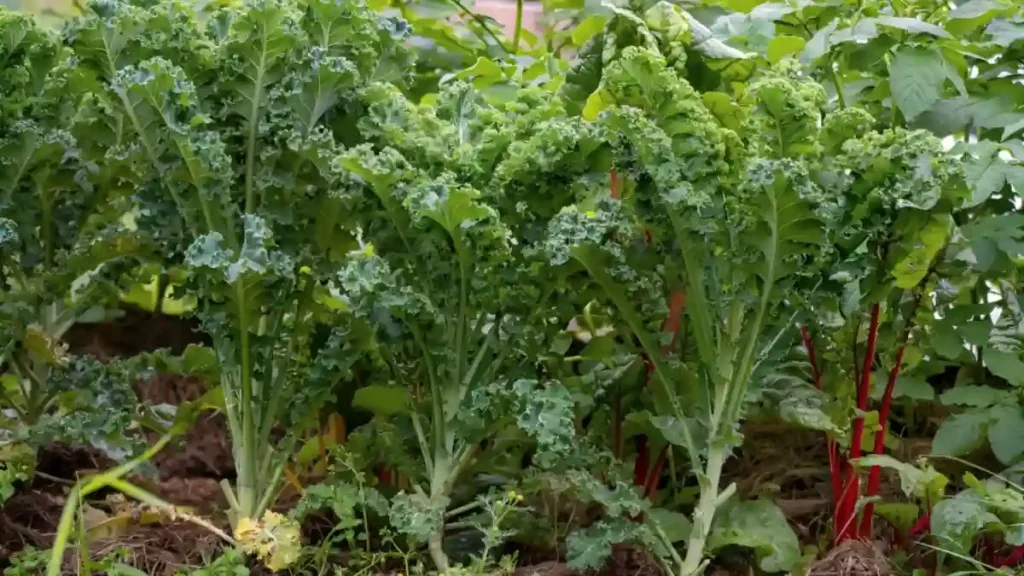
1. Kale: The king of cold-weather crops

Kale, a cruciferous leafy green, is a nutrient-dense vegetable best suited for chilly climates. It is a rich source of calcium, fiber, and vitamins K, A, B6, and C. It can be enjoyed raw in a salad or sautéd as a nutritious side dish.

It can withstand partial shade and thrives in good, well-drained soil with a pH of 6.0 to 7.0. “Winterbor,” “Red Russian,” and “Dwarf Blue Curled” are popular variations. Plants should be spaced 12 to 18 inches apart, seeds should be sown 6 to 8 weeks before frost, and they should be kept healthy by mulching, watering, and pulling out any yellowing leaves.

2. Carrots: A sweet root for cold days

Carrots are a popular root vegetable, especially enjoyed during winter due to their sweet taste. you can easily grow carrots in your garden. They provide a nutritious snack with vitamin A and are a great addition to winter soups, making them a versatile and nutritious choice.

Carrots are a popular root crop that sweetens with lower temperatures, making them suitable for winter gardens. They flourish in sandy, well-drained soil with a pH of 6.0 to 6.8, and can be cultivated in cultivars such as ‘Napoli,’ ‘Autumn King,’ and ‘Bolero’. To maintain, sow seeds in late summer or early fall and cover with a row cover.

3. Spinach: The hardy green

Spinach, a cold-hardy vegetable, can be easily grown in spring or fall gardens. Some types of spinach reappear in spring after winter decline. Spinach has been linked to potential cancer prevention, blood pressure control, and improved digestive and bone health, according to research.

The tough leafy green spinach grows best in nutrient-rich, well-drained soil with a pH of 6.5 to 7.5 and can withstand temperatures as low as 20°F. “Tyee,” “Giant Winter,” and “Bloomsdale” are among its greatest varieties. Direct-sow seeds 6–8 weeks prior to frost for optimal results.

4. Cabbage: A resilient winter staple

Cabbage belongs to the cruciferous vegetable family, which includes kale, cauliflower, and a few other cold winter favorites. You may simply grow cabbage in your garden, as well as grow cabbage in containers. It provides high levels of vitamins C and K, with 54% and 85% DV per cup, respectively, according to the Cleveland Health Clinic. Cabbage’s mild flavor makes it easy to incorporate into a diet.

Cabbage, a cold-tolerant crop, requires loamy soil with a pH range of 6.5 to 7.5 and regular sunlight. It matures slowly but is produced abundantly when properly maintained. ‘Savoy,’ ‘January King,’ and ‘Golden Acre’ are popular varieties.

5. Brussels sprouts: The long-haul producer

Brussels sprouts, which resemble baby cabbages, are a mild cold-time staple that can be served as a side or added to a variety of meals. They are nutrient-dense, containing vitamins B, C, and K, as well as healthful fiber and protein. They are a crowd favorite and may be prepared in a variety of ways.

Brussels sprouts, a slow-growing vegetable, produce nutrient-rich cabbages in well-drained, rich soil with a pH range of 6.5 to 7.5 and sunlight. They can be grown indoors or transplanted outdoors.

6. Leeks: The versatile allium

Leeks, a mild onion with antioxidant properties, are rich in vitamin K and carotenoids and have anti-inflammatory properties that aid the immune system, skin, and eyes. They resemble large green onions and can be added to potato leek soup after a thorough rinse.

Leeks thrive in loose, well-drained soil with a pH of 6.0 to 7.0 and a mild onion-like flavor. Winter-hardy cultivars like ‘Bandit,’ ‘King Richard,’ and ‘Tadorna’ can be transplanted.

Growing winter vegetables is a satisfying method to receive fresh produce during the colder months. By choosing the correct crops and following best practices, you may ensure a robust and delicious winter harvest.

Certainly! If you’d like to learn more, please consider following our WhatsApp Channel: Harvest Gardening

Q1: When to plant winter vegetables?

A1: Winter vegetables are usually planted in late summer or early fall, allowing them to mature as the weather cools. This guarantees that they are ready for harvest in the late autumn or winter.

Q2: What is the fastest-growing winter vegetable?

A2: Radishes are one of the most fast-growing winter vegetables, ripening in as little as 3 to 4 weeks. They thrive in cool climates and are easy to grow.

Q3: What fruits and vegetables are good in winter?

A3: In winter, root vegetables like carrots, beets, and sweet potatoes are wholesome and filling, and citrus fruits like oranges and grapefruits are great for strengthening immunity. In addition to providing vital vitamins, leafy greens like spinach and kale flourish in milder climates.

Flowers to plant in October will make your landscape look beautiful in the coming months. Many hardy kinds flourish as the weather cools, enlivening the environment with brilliant hues. Fall planting ensures a beautiful spring display by allowing bulbs such as tulips, daffodils, and crocuses to form sturdy roots before winter. Furthermore, even as the temperature drops, annuals for the cool season like pansies and snapdragons can still produce cheery blossoms. The following list of the top six flowers to plant in October will help you either add seasonal beauty or get ready for springtime blossoms.

1. Pansies

Because of their hardiness and bright flowers, pansies are one of the most widely used plant varieties for autumn planting. These resilient flowers are ideal for adding pops of color to your garden beds and containers because they come in a variety of hues. Pansies thrive in lower weather and can even survive frost, making them excellent for October planting. Select a location with partial sunlight and well-draining soil for the greatest results.

2. Chrysanthemums (Mums)

Mums, often known as chrysanthemums, are the traditional fall flower. Their blooms, which capture the warm tones of fall, come in a variety of tints of yellow, orange, red, and purple. Hardy perennials and mums may withstand multiple growing seasons when planted in well-draining soil with sufficient sunlight. Planting them in October guarantees a stunning display the following year by allowing them to grow roots before winter.

3. Asters

When looking to extend the flowering season into late fall, asters are an excellent alternative. The vivid blossoms of these perennial flowers come in pink, purple, blue, and white hues. Asters are a great addition to any garden because they grow best in full sun and well-drained soil. Planting them in October will allow them to put down deep roots and produce beautiful late-season color.

4. Violas

Like pansies, violas are tiny, vivid flowers with many blooms. They can withstand even the harshest winters because they are incredibly resilient. Since violas bring a wonderful pop of color to your garden throughout the fall and into the spring, they are ideal for planting in October. These flowers are adaptable to a variety of garden conditions since they like soil that drains well and partial shade.

5. Snapdragons

Snapdragons, annuals with tall spikes and unique flower shapes, are ideal for chilly climates and fall air. They can bloom earlier in spring when planted in October, offering various color and height options, and prefer full light and well-drained soil.

6. Ornamental cabbage and kale

Even though they are not flowers, ornamental kale and cabbage provide gardens a special beauty in the winter and fall. Their vivid purple, pink, and green foliage makes a striking show, particularly in the winter. These are great plants to plant in October since they can tolerate frost and grow well in lower climates. They thrive in full sun to light shade and well-drained soil.

  • Soil Preparation: To enhance soil structure and fertility, make sure your plant bed is adequately prepared by adding organic matter.
  • Watering: Newly planted flowers still need regular watering to form strong roots, even in the cooler temperatures.
  • Mulching: A layer of mulch applied to the soil can help keep it moist and shield plant roots from sharp temperature changes.
  • Location: Considering each species of flower’s requirements for moisture and sunlight, choose the best position for them.

Flowers to plant in October may not be the first thing on a gardener’s mind, but they can produce stunning results. These six flowers, which range from cheery pansies to resilient chrysanthemums, can not only make your garden seem lovely but also produce a colorful scene that will continue well into the fall and winter. So gather your gardening supplies and plant these pretty flowers to make the most of this autumnal season!

Certainly! If you’d like to learn more, please consider following our WhatsApp Channel: Harvest Gardening

Q1: What flowers to plant in october in southern california?

A1: October is a perfect time to plant cool-season flowers in Southern California, such as snapdragons, violas, and pansies. These flowers will bloom all winter and spring since they love the moderate fall weather.

Q2: What flowers to plant in october UK?

A2: October is a great month to plant hardy perennials like hellebores and crocuses, as well as spring-flowering bulbs like tulips and daffodils in the UK. These will have gorgeous springtime blooms.

Q3: What flowers to plant in october in arizona?

A3: Cool-season flowers like pansies, snapdragons, and calendulas grow well in Arizona’s mild fall weather, so October is a terrific time to plant them. The cooler months will bring color with these flowers.

Q4: What flowers to plant in october zone 9?

A4: Plant cool-season flowers (calendulas, snapdragons, and pansies) in October in Zone 9. The region’s mild fall and winter weather is ideal for these flowers.

It’s time to get ready for the fall harvest as the summer comes to an end. For many gardeners, October is a transitional month—a time when the warmth of summer gives way to the crispness of fall. Now is the ideal time to sow a variety of crops that can tolerate early winter frosts and thrive in lower climates. Many veggies can be planted in October for long-term success, for those who are determined to increase their crop and guarantee a plentiful garden. To guarantee that your garden is colorful and fruitful, we’ve included the best vegetables to plant in October below, along with some important tips.

1. Spinach – The Cool-weather powerhouse

One of the hardiest leafy greens, spinach grows best in colder climates. Because of this, it’s the perfect produce to plant in October when the weather is still cool but the soil is still warm. Spinach sprouts quickly and keeps growing deep into the winter. If you plant spinach in October, you can pick leaves deep into the winter and enjoy fresh produce all fall long.

  • Crucial growing advice for spinach: Spinach thrives in rich, well-drained soil with organic content, consistent moisture, and mulch for temperature control, ensuring healthy growth on chilly days.

2. Garlic –  The perfect winter crop

Garlic can be planted in October for a plentiful yield the following summer. Since garlic needs the winter cold to grow well, fall is the ideal season to plant. It grows slowly during the winter and then quickly picks up speed in the spring, providing you plenty of time to be ready for a bountiful summer crop.

  • Crucial advice for growing garlic: Hardneck garlic is cold-adapted, while softneck thrives in warmer climates. Plant garlic six inches apart and two inches deep, using balanced fertilizer for robust root development.

3. Kale – Fall’s superfood

The flavor of cold-hardy kale gets better after a mild frost. Given that it can tolerate low temperatures and even some snowfall, it’s among the greatest veggies to plant in October. Any garden should grow kale because of its excellent nutritional value and versatility in cooking.

  • Crucial advice for kale growing: Kale should be planted 12 to 18 inches apart to enable for vigorous development. The flavor can be enhanced and the leaves made sweeter by a light frost. As soon as the leaves get big enough to be useful, you can begin gathering individual leaves. Harvesting continuously promotes new growth.

4. Carrots – Root crops for cold success

Another fantastic vegetable to grow in October is carrots. While it takes a few weeks for carrot seeds to sprout, once they do, they can develop more slowly throughout the fall and winter. When you plant carrots in October, they will be ready to harvest in the early spring, providing you with delicious produce even before most other gardens wake up.

  • Crucial advice for growing carrots: Carrots need loose, well-draining soil to grow tall and straight. Maintain constant moisture in the soil to encourage uniform germination. To prevent overpopulation, thin out the seedlings once they are around two inches tall.

5. Swiss Chard – A nutrient-dense addition

Since Swiss chard grows extremely cold-hardy and produces leaves well into the winter in many locations, it’s a great vegetable to sow in October. In addition to being a nutritious powerhouse with endless culinary applications, its vivid leaves and stems bring color to the garden.

  • Crucial advice for Swiss chard growing: Give each chard plant ample space to grow by spacing them out by about 12 inches. Because it can tolerate cold temperatures, Swiss chard is a great option for fall and winter gardening. To promote new development, harvest the outer leaves regularly

6. Radishes – Quick and easy fall harvest

You may plant radishes throughout the fall as they are a root vegetable that grows quickly. They mature quickly—typically in three to four weeks—which makes them ideal for planting in October. With their crisp texture and spicy flavor, radishes are a great addition to any garden and flourish in chilly temperatures.

  • Crucial advice for growing radishes: Loose soil that drains easily is ideal for radishes. Clear away any pebbles or other debris that can impede the growth of roots. Water regularly, but don’t soak the roots too deeply—this can fracture the roots. It is advisable to pick radishes when they are still sensitive and immature, as prolonged rooting might cause them to turn woody.

October is a great time to plant hardy veggies that do well in cool weather, extending your gardening season. You can make sure that your garden flourishes all fall and even into winter by choosing the right veggies and using the right planting strategies. For committed gardeners, all six of these vegetables to plant in October will enrich your garden and provide success every year.

Certainly! If you’d like to learn more, please consider following our WhatsApp Channel: Harvest Gardening

Q1: What vegetables to plant in October in northern California?

A1: October is a fantastic time to plant cool-season veggies like broccoli, kale, spinach, and garlic in Northern California. These crops can withstand a mild frost and do well in cooler fall conditions.

Q2: What root vegetables are suitable for planting in Zone 7 during October?

A2: Carrots, radishes, and turnips are examples of root crops that grow well in Zone 7 in October.

Q3: Can you plant vegetables in October UK?

A3: In the UK, you can indeed sow veggies in October. Garlic, onions, broad beans, and winter lettuce are good choices because they can grow in chilly fall conditions.

There are a variety of vegetables to plant in September, especially those that do well in cooler climates. Hardy plants like radishes, spinach, and kale can be planted in the garden, while root crops like beets and carrots can be grown for late harvest. Leafy greens like lettuce and arugula provide a fresh supply late into the season. The abundance of possibilities makes selecting which vegetables to plant in September easier. Getting your garden ready for these cool-season veggies will guarantee a steady supply of wholesome, organic produce all fall.

In September, plant cool-season crops like kale, lettuce, spinach, and radishes in sunny, well-drained spots, using raised beds or containers, compost, and rows for fertility, maintain damp soil with mulch, and consider frost protection.

While certain crops may prefer to be started indoors and moved outdoors later, many may be seeded directly into the ground to yield a harvest throughout the winter. 8 vegetables to plant in September are examined in detail, along with recommendations on when to sow them inside or outdoors.

1. Spinach

September is ideal for spinach cultivation, as it thrives in cold temperatures and can withstand minor frosts. Sow spinach seeds directly into the ground, ensuring good drainage and sun exposure. Planting spinach in September allows plants to establish before winter weather arrives.

  • Growing tips: For best development, place seeds 2-4 inches apart. To stop root rot, water regularly but don’t overwater. When the outer leaves ripen to a desired size, harvest them so the interior leaves may keep developing.

2. Kale

Kale, a nutritious vegetable, thrives in colder climates and can tolerate frost, enhancing its sweetness. It can withstand winter and continue producing fresh greens long after the first frost.

  • Growing tips: Sow seeds or transplants of kale in either full sun or moderate shade. Plants should be spaced 12 to 18 inches apart to provide enough ventilation. Yellowing leaves should be removed regularly to maintain plant health.

3. Radishes

Radishes, a fast-growing vegetable, are ideal for planting in September for quick harvest before winter. They develop in 30 days and thrive in cold weather, making September the ideal time for optimal growth.

  • Growing tips: Radishes should be seeded straight into the ground, one inch apart. Water the soil periodically to keep it wet but not waterlogged. For optimal flavor, harvest when the roots are around 1 inch in diameter.

4. Lettuce

Lettuce, a versatile and easy crop to raise, thrives in colder fall months. It can be grown as butterhead, loose-leaf, or romaine lettuce, and its quick growth allows for multiple harvests in September.

  • Growing tips: Plant lettuce seeds in a lot of organic matter-rich, well-drained soil. Depending on the cultivar, space seedlings 6 to 12 inches apart. When necessary, gather the outer leaves, or hold off until the entire heads form.

5. Carrots

As a root vegetable, carrots benefit from the fall’s lower temperatures. Carrots taste best when planted in September because the chilly temperature enhances their flavor. Although they take a little longer to grow, if given the right care, carrots may be harvested far into the late fall and early winter.

  • Growing tips: Plant seeds ¼ inch deep in well-prepared, rock- and clump-free soil. After seedlings are a few inches tall, thin them to 2–3 inches apart. To guarantee straight, delicate roots and to stop breaking, keep the soil continually wet.

6. Beets

Beets, a root vegetable suitable for September’s chilly weather, are easy to grow, suitable for both roots and leafy greens and can mature fully before winter arrives. They are also resistant to ice and can enhance their flavor.

  • Growing tips: Directly sow 1 inch apart and ½ inch deep seeds into the ground. For best development, thin seedlings to 3–4 inches apart. For optimal flavor, harvest when roots are between one and three inches in diameter.

7. Garlic

Garlic, despite being classified as a bulb, is commonly grown in vegetable gardens and is best harvested in September for a heavy crop. It requires a long growth season and can be planted in fall.

  • Growing tips: Garlic cloves should be planted in rich, well-drained soil, two to four inches deep and spaced apart. To shield the cloves from the cold, cover them with a lot of mulch. When the tops of the garlic start to turn yellow and collapse in early July, harvest it.

8. Broccoli

As a cool-season crop, broccoli thrives when planted in September. Fall is its prime growing season due to the chilly temperatures that encourage dense, delicious heads. Since broccoli can withstand mild frosts, it’s a great choice for a longer harvest over the winter.

  • Growing tips: Plant broccoli 18 to 24 inches apart in healthy, well-drained soil. Water often maintains an equal moisture content in the soil and promotes healthy head production. For optimal flavor and texture, harvest broccoli heads before the buds open.

A good autumn garden with veggies that can tolerate lower temperatures and even frost may be had by planting in September. These 8 vegetables to plant in September will provide a plentiful yield far into the cooler months!

Certainly! If you’d like to learn more, please consider following our WhatsApp Channel: Harvest Gardening

Q1: What vegetables to plant in September in Zone 7?

A1: Cool-season vegetables including spinach, kale, lettuce, radishes, and carrots can be planted in September in Zone 7.

Q2: What are the best vegetables to plant in September?

A2: In September, plant leafy greens, root crops like carrots and radishes, turnips, broccoli, and cauliflower, depending on your climate, to grow in milder climates.

Q3: What vegetables to plant in september in southern California?

A3: In Southern California, cool-season crops including lettuce, carrots, broccoli, cauliflower, and spinach can be planted in September. These flourish in the temperate fall weather.

Planting flowers that withstand colder temperatures and getting ready for the changing seasons is a terrific idea in September. Hardy annuals and perennial flowers to plant in September, either indoors or outdoors, depending on the variety. Planting perennials like pansies, asters, and chrysanthemums as summer fades is perfect since they will add brilliant color to your garden well into October. This month, bulbs like tulips, daffodils, and crocuses can also be planted for a stunning spring bloom. Additionally, because they can tolerate lower temperatures, hardy annuals like violas and snapdragons are ideal for planting in the fall. You can keep your garden vibrant into the fall with the appropriate decisions. Some of the best flowers to plant in September are included in this article, but you may also plant most of the flowers to plant in August in September.

Regarding sowing, there isn’t a one-size-fits-all strategy this month. While some flower seeds need to be seeded indoors or in a cold frame to overwinter and be planted outside in April, others may be planted outside in September straight into their growth position. 

Select hardy annuals or perennials that can withstand colder climates. Begin by cleaning and prepping the soil, ensuring it is well-drained and weed-free. The seeds should be evenly distributed across the earth’s surface before being gently pressed in or covered with a thin layer of dirt. To keep the soil damp but not soggy, softly water the area. The seeds will take root when the weather cools, getting ready to blossom in the spring. For our selection of 8 flowers to plant in September, we outline the ideal method and provide further sowing advice.

Planting perennial flowers in September is an excellent idea since the colder weather helps the blooms form strong roots in preparation for winter. The following perennial flowers may be planted in September and will flourish:

1. Coneflower (Echinacea): Known for their daisy-like petals, these hardy perennials may bloom all summer and into October. After they become established, they become highly drought-resistant and attract pollinators like bees and butterflies.

  • Zones: 3–9
  • Sun: Mostly sunny to somewhat cloudy

2. Rudbeckia, or Black-Eyed Susan: These cheery yellow-petaled blooms bloom in late summer and early fall and are rather simple to grow. They can withstand a variety of soil types and grow best in direct sunlight.

  • Zones: 3–9
  • Sun: The whole sun

3. Sedum (Stonecrop): Late summer plantings are ideal for sedum species because of their succulent leaves and star-shaped blooms. They work well in many types of gardens since they require little care and can withstand drought.

  • Zones: 3–9
  • Sun: From full to partial shade

4. Aster: Attracting pollinators, asters grow best in well-drained soil with lots of sunshine; they bloom in late summer and fall, providing vivid hues like purple, blue, and pink to your garden.

  • Zones: 3–8 Sun: 
  • Sun: Full sun to partial shade

1. Pansies: Fall is when pansies flourish since they are a cool-weather flower. September planting allows them to get established before the onset of winter. Autumn to early winter, and frequently again in the early part of spring. They like well-drained soil and full sun over moderate shade.

2. Snapdragons: Snapdragons do well in cooler temperatures and can even tolerate a light frost, making September a great time to plant them. Bloom Time Fall and early spring. They enjoy full sun and regular watering.

3. Calendula (Pot Marigold): Planting calendulas in September might result in a stunning fall bloom since they like chilly temperatures. Blooming Period Early winter to late fall. They want soil that drains properly and is full of light.

4. Sweet Alyssum: Cool weather is ideal for Sweet Alyssum, and planting them in September will result in gorgeous fall blossoms. ideal flowering season: fall, perhaps extending into early winter. Water regularly and plant in full sun to moderate shade.

September is a great time to grow cold-weather flowers and get your garden ready for the next seasons. Above here 8 flowers to plant in September to guarantee a vibrant and colorful garden long into October and beyond.

Certainly! If you’d like to learn more, please consider following our WhatsApp Channel: Harvest Gardening

Q1: What flowers to plant in September in Zone 7?

A1: September is when you may grow decorative kale, mums, pansies, and asters in Zone 7. These can withstand the cold and do well at lower temps.

Q2: What are some good flowers to plant in September in Texas?

A2: In September, marigolds, snapdragons, pansies, petunias, and chrysanthemums are a few excellent flowers to grow in Texas. These are adapted to the Texas environment and do best in the colder fall temps.

Q3: What are the best flowers to plant in autumn?

A3: Pansies, chrysanthemums, and hellebores are the ideal flowers to grow in the fall since they tolerate chilly temperatures well and offer brilliant color all through the season. Because they are resilient, these blooms can withstand the first frosts.

The month of August marks a shift in the garden, as the warmth of summer blends with the first whispers of autumn. Your garden will be inundated with color, texture, and movement in August, but you can make preemptive efforts this month to improve next year’s displays. In August, too, you can plant perennials that will take root before winter and come back stronger the following year. Flowers to plant in August are covered in this article.

As part of a summer gardening checklist, hardy annual flowers can be sown indoors or outside in August. This guide explains what to plant in August to create a lovely flower and how to do so.

Planting flowers in August:

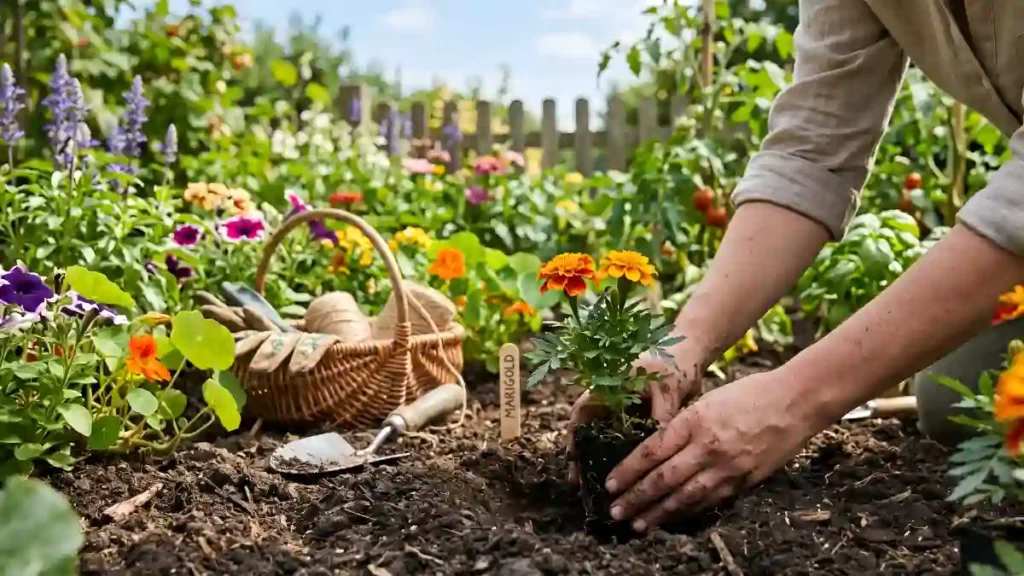
Marigold

Native to the Mediterranean region, is a cheerful and adaptable flower. The greatest flower to plant in August is this one.

  • Pick a location that receives at least 6 to 8 hours of sunlight each day. Well-drained soil that is somewhat fertile is ideal for marigold growth. Start seeds indoors 6–8 weeks in advance, or sow them straight into the garden. Plant seeds 1/4 inch deep, and keep the soil damp until they sprout. 
  • African marigolds grow taller and require 10-12 inch spacing for young plants. Regular deadheading can encourage more blooms by removing fading blossoms.
  • Avoid watering marigolds from above; instead, let the soil dry out a little bit between waterings. When it is growing, avoid fertilizing them. Excessive nitrogen intake promotes lush foliage at the expense of floral buds.

Calendula

Calendula is usually linked to a warm demeanor. It might be claimed that August is the ideal month to plant.

  • Finding the ideal spot requires making sure it receives at least 4-6 hours of sunlight each day. It requires soil that is abundant in organic matter and well-drained. To promote improved airflow, plant calendula with a spacing of 8 to 12 inches between plants and 18 inches between rows.
  • When planting, soil temperatures should be roughly sixty degrees Fahrenheit. Until the plants take root, water them often. keep the soil damp. It can be necessary to treat marginal soils using a balanced but overfeeding might cause the plants to become spindly and lanky.

Sunflowers

Native to North America, brilliant blooms and imposing stems.

  • Sunflowers require full sun and soil that drains well. Their ideal pH range is 6.0 to 7.5. Place the seeds approximately 6 inches apart and no deeper than an inch. After the seedlings reach 6 inches in height, thin them out so that the strongest plants are spaced about 12 inches apart.
  • In between waterings, allow the top 1 to 2 inches of soil to dry off.  Apply a slow-release fertilizer in the spring, as directed on the label, if your soil is poor.

Nigella

A delicate, exotic flower with a whimsical beauty. Others argue that August is the best month to plant.

  • When nigella seeds are buried in the ground in August, they will begin to blossom in May of the following year. Nigella should be planted in full sun in slightly acidic soil that drains well. Since light is necessary for germination, plant seeds 2 to 3 inches apart and cover sparingly. Plant seeds widely apart in a garden bed for a casual cottage garden look.
  • At a temperature of 60 to 65 degrees, germination takes 10 to 14 days. Till the top few inches of soil are thoroughly saturated, water it gradually but thoroughly. After planting Nigella damascena, fertilize the soil once a month using a general-purpose fertilizer. 

Sedum

Spread throughout nearly every continent, Sedum is a vast genus of flowering plants. Usually blooming late in the growth season.

  • The majority of sedum plants thrive in full sun, and they like soil that is loose, loamy, sandy, or gravelly with good drainage. Although they often tolerate humidity well, these plants need to be spaced widely for adequate ventilation to prevent powdery mildew. 
  • Dig a deep hole, level the root ball, insert the plant, backfill, and space 6-24 inches apart for growth, as the sedum spreads over time, ensuring proper space for growth.
  • Water the new sedum plants about once a week during the first year of their life. Sedum rarely needs further fertilizer. Composting your soil will typically be sufficient to give your sedum a boost if it’s of low quality. 

Lunaria

A delicate, Mediterranean plant, it inspires awe and wonder.
  • In addition to liking well-drained, humusy soil that stays consistently moist without being soggy, Lunaria plants grow well in both full sun and moderate shade. The temperature must be between 60 and 70 degrees Fahrenheit.
  • To get the plot ready for planting, loosen the soil until it is about 12 inches deep. Space the seeds 12 inches apart. Gently massage the earth over the seedling’s roots and place it inside the hole.
  • During the growing season, your Lunaria should have one inch of water every week in the soil. Apply organic or slow-releasing fertilizer to your plant to promote abundant blooming.

Planting specific flowers in August will help your garden remain beautiful well into the fall. Growing hardy annuals like calendula, sedum, and marigolds will ensure they flourish throughout the remaining warm days and bloom when the weather cools. Follow the above guide for flowers to plant in August.

Certainly! If you’d like to learn more, please consider following our WhatsApp Channel: Harvest Gardening

Q1. What are the perennial flowers to plant in August?

A1. Perennials can be planted in August, including asters, sunflowers, and coneflowers.

Q2. What colors are common for the August flower poppy?

A2.The August flower poppy’s most popular hues are pink, white, and red.

Q3. What are the best flowers to plant in August in Zone 7?

A3. The finest flowers to plant in Zone 7 in August are asters, chrysanthemums, zinnias, and marigolds. Zone 7’s late summer and fall weather is ideal for these flowers.