Tag

Spice

Browsing

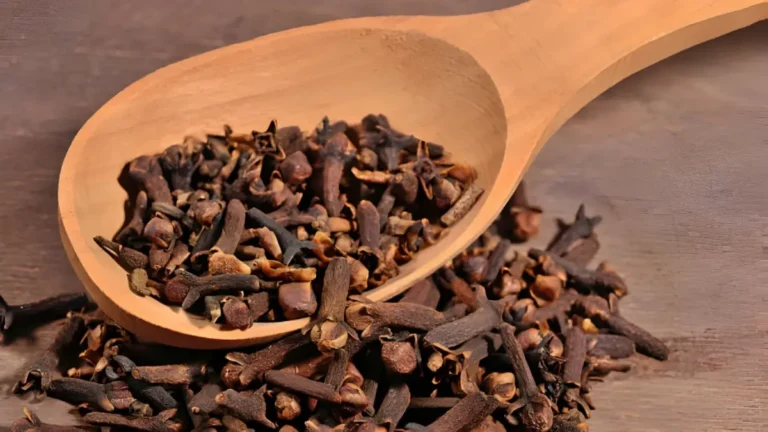
Since ancient times, people have treasured cloves—an aromatic spice made from the dried flower buds of the clove tree—for their many health advantages and delicious flavor. Cloves are a powerful combination of potent chemicals and necessary nutrients that benefit your health. To open the door to improved health, we explore cloves benefits in this guide and show you how to include them in your routine.

Supercharger of antioxidants

Antioxidants in cloves, including eugenol, eugenol acetate, and flavonoids, help the body fight oxidative stress. Cloves shield cells from harm and lower the risk of chronic illnesses including diabetes, heart disease, and cancer by scavenging free radicals.

Blood sugar control

Cloves may help control blood sugar levels and enhance insulin sensitivity, which makes them advantageous for people with diabetes or at risk of getting the disease. Adding cloves to your diet could help you achieve better glycemic management.

Cloves benefits for dental health

Because of its analgesic and antibacterial qualities, cloves have long been utilized in traditional medicine for dental treatment. Clove oil is frequently used to treat mouth infections and ease toothaches. Furthermore, cloves’ antimicrobial qualities can aid in preventing gum disease and cavities.

Boost your immune system

Cloves have strong antibacterial qualities that can boost immunity and aid in the body’s defense against illnesses. Frequent clove use may keep you healthy and robust by lowering your risk of common illnesses like the flu and colds.
Cloves benefits for hair

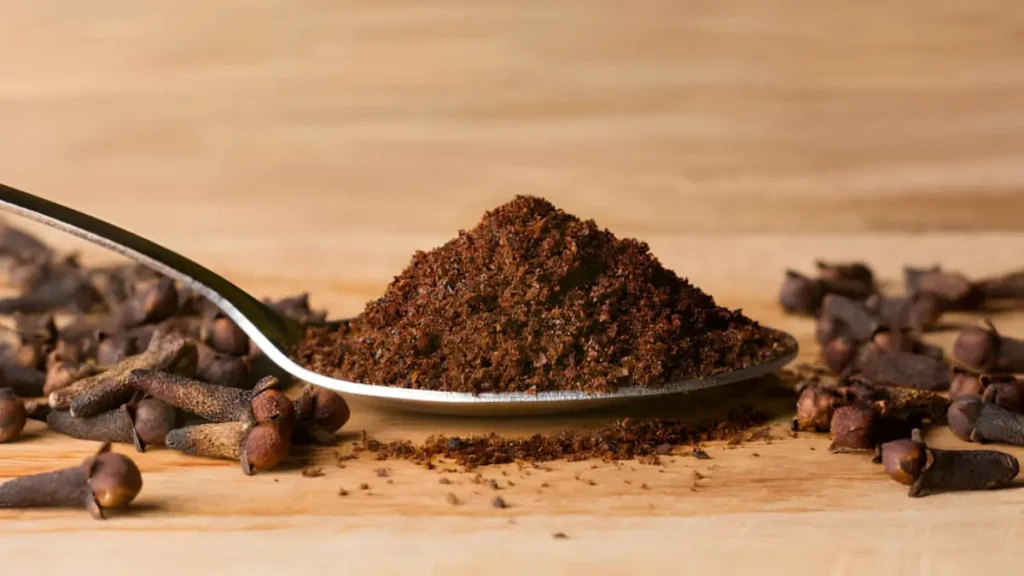
Vitamins, minerals, and antioxidants found in cloves’ abundance can stimulate hair follicles and encourage the creation of new hair. By warding off infections and enhancing scalp health, cloves’ anti-inflammatory and antifungal qualities can help stop hair loss. Your hair will look healthier and more vivid when using cloves-enriched hair treatments.

Reproductive support

Including cloves in your diet might improve gastrointestinal health and aid with digestion. Cloves help improve nutrient absorption and lessen gas, bloating, and indigestion symptoms by inducing the synthesis of digestive enzymes.

Reduce inflammation

Cloves’ active ingredients have strong anti-inflammatory qualities that enable them to effectively reduce inflammation all over the body. It may be possible to reduce the symptoms of inflammatory diseases such as arthritis, asthma, and inflammatory bowel disease by consuming cloves or clove oil.

Cloves benefits for skin

The antibacterial qualities aid in combating microorganisms that cause acne. Packed with antioxidants, they fend against free radicals and lessen aging symptoms. Anti-inflammatory properties lessen redness and calm inflamed skin. The numbing effects of eugenol content reduce the pain associated with bug stings and bites. Dead skin cells are removed by exfoliating qualities, which results in a smoother complexion.

Cloves provide a range of health benefits that can improve your overall well-being, from immune system support and dental health to anti-inflammatory and antioxidant properties. Through the use of cloves in baking, cooking, or topical application, you can take advantage of their medicinal qualities and start your path to better health. Discover the possibilities of cloves and witness the life-changing impact they can have.

Certainly! If you’d like to learn more, please consider following our WhatsApp Channel, Facebook, Instagram, YouTube, Twitter, and Pinterest.

Q1: What are the cloves benefits for females?

A1: Cloves are beneficial to women in many ways, including easing menstruation pain, aiding digestion, enhancing immunity, and improving general health.

Q2: What are the health benefits of using whole cloves?

A2: Due to their antibacterial qualities, whole cloves also improve immune system function, aid in digestion, reduce inflammation, and promote dental health.

Q3: What are the cloves benefits for males?

A3: Because of its aphrodisiac qualities, cloves can improve sexual health, which is beneficial to male health. They might also help to promote general reproductive health and increase testosterone levels.
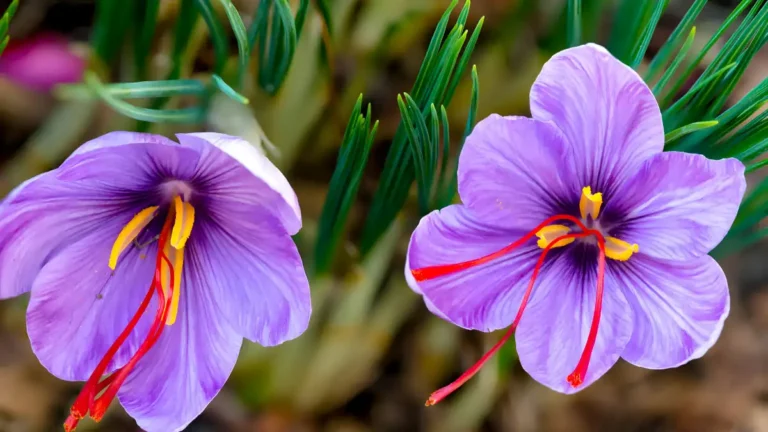
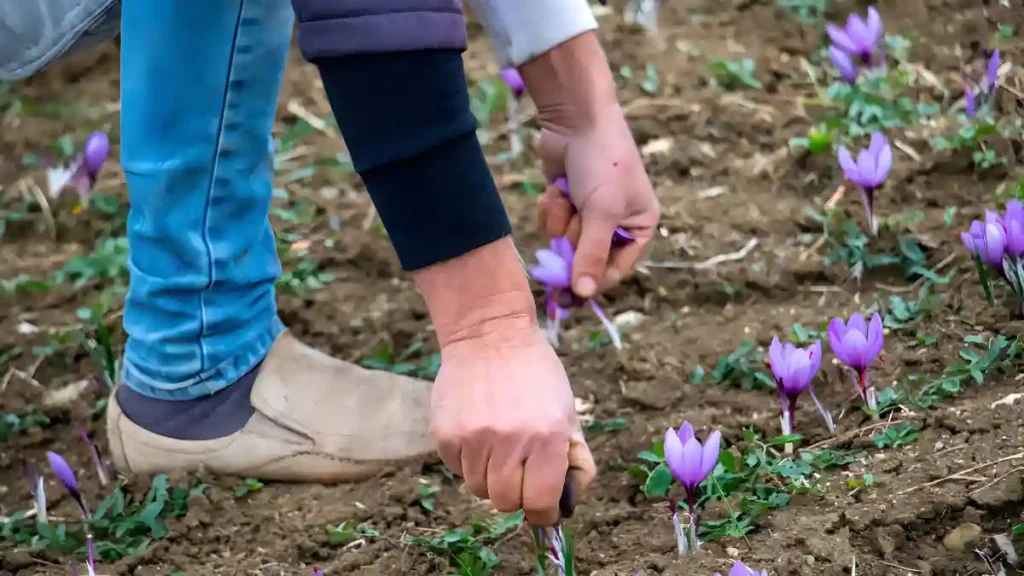
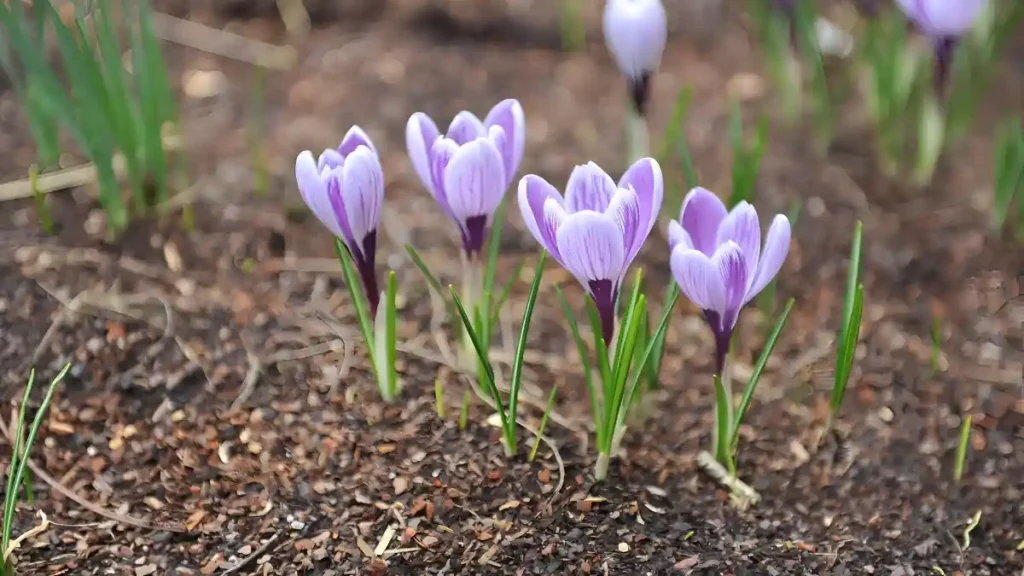
Crocus sativus, the saffron crocus, is the plant used to grow saffron, a highly valued spice. This fragile plant does best in sunny spots with a dry, warm temperature and well-drained soil. It is customary to grow saffron bulbs, also known as corms, in late summer or early fall. Each of the autumn-blooming blossoms yields three bright crimson stigmas that must be meticulously picked by hand. It may take several years for saffron plants to attain maximum output, so patience is crucial. A good harvest of saffron depends on proper maintenance, which includes routine watering and insect prevention. Discovering how to grow saffron crocus corms in the late summer or early autumn, taking pleasure in the breathtaking fall foliage, and harvesting saffron in October is the most elegant method of cutting costs on your food expenses.

Saffron, a precious spice from the saffron crocus flower, is used in Mediterranean, Indian, and Middle Eastern cuisines. Its unique flavor, color, and perfume are produced by hand-harvested and dried reddish-orange stigmas. Three vivid red stigmas, which are hand-picked and dried to produce saffron threads, are present in every bloom. One kilogram of saffron requires about 150,000 blossoms, highlighting the labor-intensive nature of the crop’s harvesting procedure. Due to its labor-intensive harvesting and large number of blooms, saffron is one of the most expensive spices globally.

USDA Hardiness Zones 5-9 are ideal for saffron crocus growth. Plant in sandy or well-drained soil with full light. If not available, place crocus in bright areas with visible purple blooms. Give each corm its bed or low ground cover to keep squirrels and chipmunks away. Avoid planting in areas with heavy shade or rain.

  • Saffron harvest success relies on loamy, well-draining, organically rich soil with a slightly acidic to neutral pH range of 6.0 to 8.0.
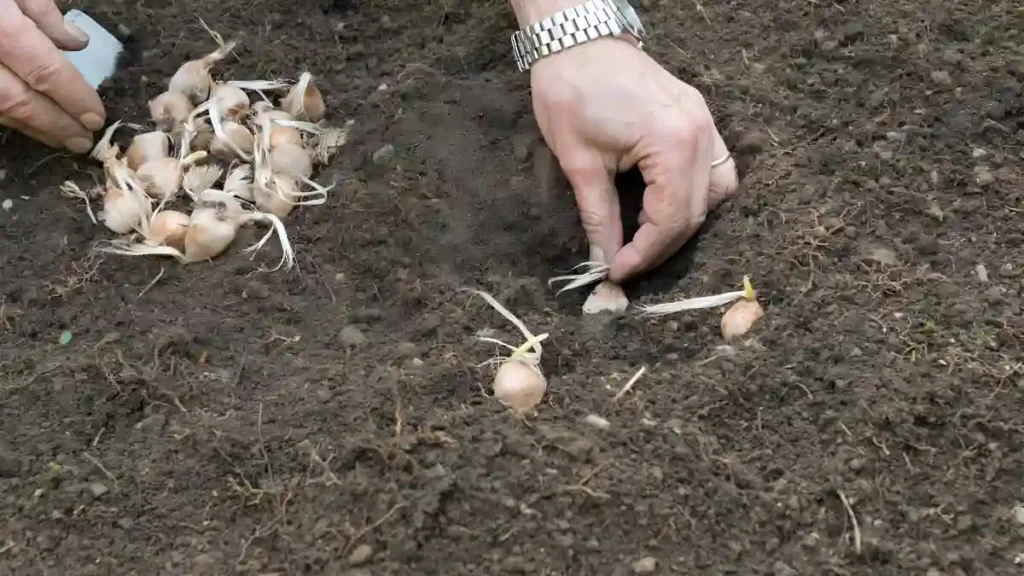
  • Saffron corms are best planted in late summer or early fall, ensuring sufficient space for growth and reproduction, 4-5 inches deep and 4-5 inches apart.
  • Planting a corm requires placing the pointed end up. Planting depth is important because planting too deep can prevent a corm from sprouting while planting too shallow can result in inadequate shelter from the cold. For most places, a depth of 5 inches is often advised. Make sure the pot is at least 12 inches (30 cm) deep if you’re planting in pots so that there is enough room for root growth and drainage.
  • Saffron crocus thrives in the broad sun but can thrive in partially shaded areas with trees, as they bloom in the fall after many trees have shed their leaves.
  • Saffron plants can withstand drought, but corms need moderate moisture. After planting, water thoroughly for soil settling, but avoid overwatering to prevent root rot. Maintaining damp but not soggy soil is crucial.
  • Water plants weekly during the growing season, excluding rain, from fall to early spring. In areas with abundant rainfall, water may be unnecessary. Stop watering after the spring flowering season.
  • Saffron crocus thrives at 70°F but can withstand colder temperatures. USDA Zones 3-4 require transplanting after blooming. Excessive humidity can lower saffron quality, so a 40-50% humidity range is ideal for saffron crocus corms. Digging or transplanting them to a warmer spot is recommended after blooming.
  • Crocus blossoms can be produced by planting corms that store enough nutrients. However, yearly fertilization with organic fertilizer, like bone meal, can improve the plants’ growth. Apply granular fertilizer with a 5-10-5 NPK ratio in early spring, keeping it away from the corm.
  • Growing saffron crocus is challenging due to pests such as squirrels, chipmunks, mice, moles, voles, and rabbits. To avoid injury, plant corms over 5 inches deep. Thrips cause unsightly leaves but have minimal impact on harvest. To avoid root and corm rot, plant in well-drained soil and provide minimal water.

Although learning how to grow saffron may seem difficult, it can be a very rewarding experience if done with the proper planning. Even inexperienced growers can provide premium saffron at home or on a larger scale by learning about the particular climate and soil requirements of the plant, planting and caring for bulbs with care, and perfecting the harvesting and storing techniques. Your saffron garden will flourish if you start modestly and adhere to these professional guidelines.

Certainly! If you’d like to learn more, please consider following our WhatsApp Channel: Harvest Gardening

Q1: How to grow saffron indoors?

A1: When growing saffron indoors, put the corms 4 inches deep in well-draining potting soil, give them lots of sunshine, and water them sparingly, letting the soil dry out in between applications. For optimum growth, make sure the temperature stays between 60 and 70°F (15 and 21°C).

Q2: How to harvest saffron crocus?

A2: Saffron crocus, a delicate plant, can be harvested by carefully removing red stigmas from blooms before they open, preserving flavor and color by drying them in cold, dark conditions.

Q3: What is the use of saffron crocus?

A3: Saffron crocus, a highly valued spice with distinct flavor, perfume, and color, is used in traditional medicine for treating various illnesses due to its colorful, tasty stigmas.

Q4: When to harvest saffron crocus?

A4: In late fall, generally in October or November, saffron flowers blossom. Since the blooms only bloom for a few days, the harvest window is sometimes very short—just a few weeks. To preserve the fragile stigmas, it is imperative to harvest as soon as the flowers open, early in the morning.