
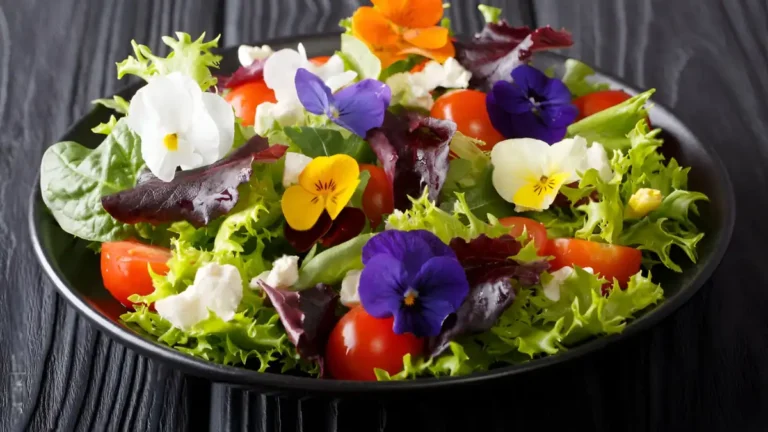
Spring is a great time to enjoy the wealth of nature, bringing with it a vivid array of colors and flavors. Edible spring flowers enhance meals visually and add flavors and textures. These flowers are visually appealing and offer many culinary options with their delicate petals and fragrant blossoms. Take a trip with us through the fascinating world of edible spring flowers, where flavor and beauty collide and culinary imagination has no limits.
Here are six edible spring flowers ideal for adding beauty to your culinary preparations:
- Nasturtiums: A visual and gastronomic feast, nasturtiums boast vivid colors ranging from flaming oranges to sunny yellows. These vibrant flowers, similar to watercress, enhance salads and sandwiches with their peppery taste.
- Violets: Not only are they aesthetically pleasing but also pleasantly tasty due to their delicate and dainty nature. Cakes, cookies, and even ice creams taste great with their sweet, flowery flavor. Violet petals can also crystallize for a sophisticated garnish.
- Rose Petals: Roses are a beautiful complement to your culinary creations, and they’re not only for bouquets. Select organic roses that haven’t been sprayed and use their petals to infuse jams, syrups, or even homemade chocolates. Their sweetness and subtle floral scent will enhance any meal.
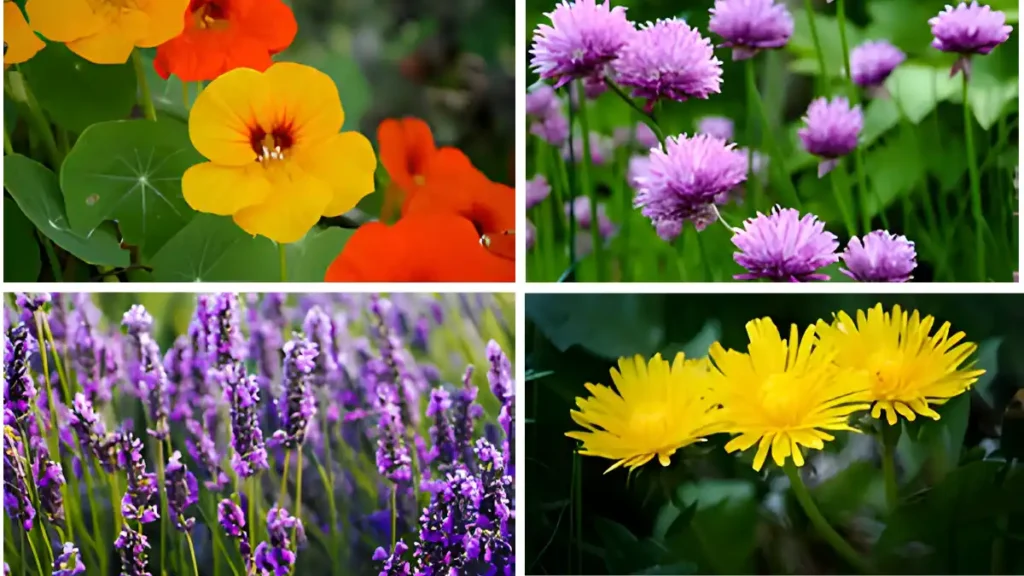
- Chive Blossoms: The beautiful purple blossoms of chives give your dishes a subtle onion taste in addition to a splash of color. For a tasty and novel twist, scatter the blooms over omelets, salads, and soups.
- Dandelions: Offer a variety of culinary uses, including their vibrant yellow blooms, bitter honey, and special springtime treats like dandelion wine, jelly, or fritters.
- Lavender: known for its soothing aroma, enhances the flavor of both savory and sweet foods, making it a versatile ingredient in preparing various dishes.
Conclusion:
Edible spring flowers are visually pleasing as well as incredibly versatile in the kitchen, enhancing a variety of recipes with mouthwatering tastes, hues, and textures. They are an excellent addition to seasonal menus because their usage in cooking fosters creative experimentation and improves the dining experience. But before you eat any flowers, make sure you identify them properly and proceed with caution—some blooms might be poisonous. All things considered, adding edible spring flowers to dishes can improve their presentation as well as their flavor, making for a special and unforgettable eating experience.
Certainly! If you’d like to learn more, please consider following our WhatsApp Channel, Facebook, Instagram, YouTube, Twitter, and Pinterest.
A frequently asked questions:
Q1: How should I prepare edible spring flowers for consumption?
A1: It’s important to wash edible spring flowers well to get rid of any dirt or toxins before eating them. Remove any pistils, stamens, or sepals with a paper towel after gently patting them dry, as they could taste harsh. Edible flowers can be used whole or divided into petals depending on the recipe.
Q2: Can edible spring flowers be used in cooking and baking?
A2: Yes, you may use edible spring flowers in baking and cooking to give meals distinctive flavors and looks. They can be added to soups, salads, sweets, and drinks, and even used as a natural food coloring substitute. But, you must make sure they go well with the other ingredients in the recipe and use them sparingly.
Q3: What are edible flowers?
A3: Flowers that are safe to eat are known as edible flowers, and they can be added to a variety of recipes for flavor, decoration, or garnish.