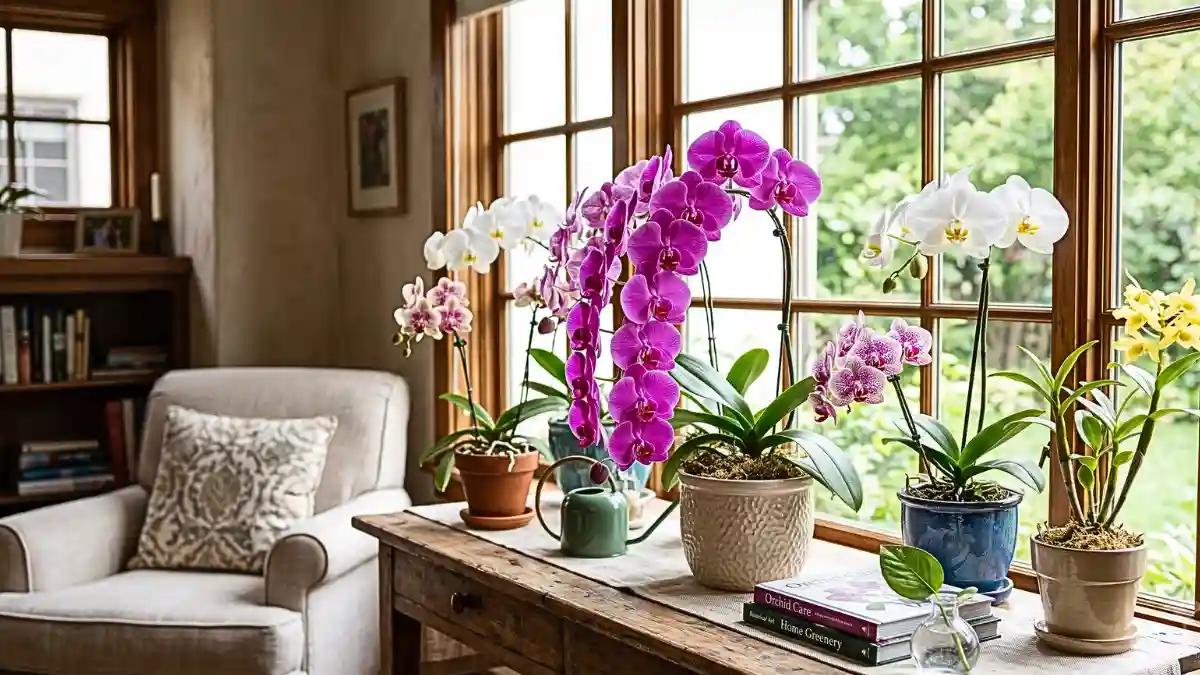
Orchids are one of the largest and most diverse flowering plant families on Earth, with over 25,000 naturally occurring species and more than 100,000 hybrids. If you’ve ever wandered through a nursery and felt overwhelmed by the sheer variety, you’re not alone. Understanding the different types of orchids is the first step to choosing a plant that fits your lifestyle, light conditions, and aesthetic taste.
In this tutorial, we’ll go over the most common & unique types of orchids, explain what makes each one distinctive, and provide simple care suggestions to help your new plant thrive rather than just survive.
Why learning about different types of orchids matters
Not every orchid is made equal. Some thrive in low light on a windowsill, whilst others require strong, filtered sunshine and high humidity to blossom. Some flowers bloom for months at a time, while others give a brief but brilliant display once a year. Knowing the many types of orchids available will assist you:
- Choose a variety suited to your home’s light and humidity levels
- Avoid common beginner mistakes like overwatering or underfeeding
- Select orchids based on bloom size, fragrance, or color preferences
- Build a diverse, ever-blooming orchid collection
Let’s dive into the categories and standout varieties.
Popular types of orchids for beginners
1. Phalaenopsis (Moth orchid)
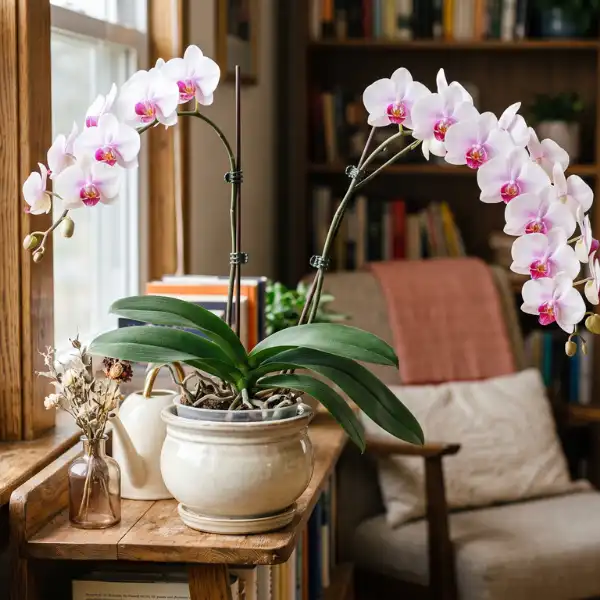
The Phalaenopsis, or moth orchid, is by far the most common and beginner-friendly orchid. Its flat, wide petals resemble a moth in flight, and the flowers can last two to three months. It can handle moderate indoor humidity and thrives in indirect light, making it excellent for workplaces and living spaces.
Care tip: Water only when the roots turn silvery-white, roughly once a week.
2. Dendrobium
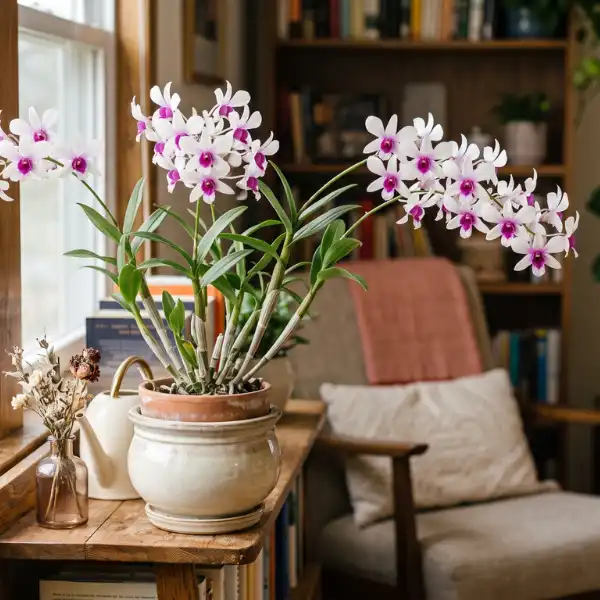
Dendrobium orchids produce tall, arching stems covered in multiple small blooms, often in vibrant purples, whites, and yellows. They’re hardy, adaptable, and bloom more than once a year if cared for properly.
Care tip: These orchids prefer bright, indirect light and a slight drying period between waterings.
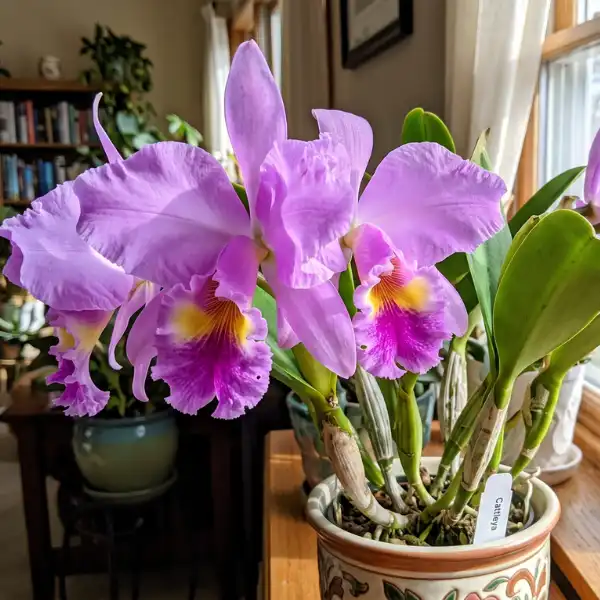
3. Cattleya (Corsage orchid)
Known as the “queen of orchids,” Cattleya varieties produce large, fragrant, and often ruffled blooms. They were historically used in corsages, thanks to their bold color and long-lasting flowers.
Care tip: Cattleyas need strong light and good air circulation to flower well.
Elegant and exotic types of orchids
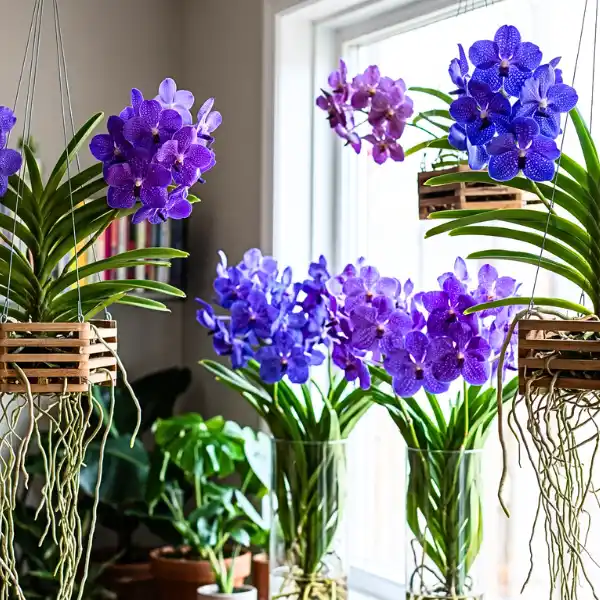
4. Vanda
Vanda orchids are recognized for their vibrant hues, including electric blues, rich purples, and blazing oranges. They are usually cultivated in hanging baskets with exposed roots, rather than in potting soil.
Care tip: Vandas need daily watering and misting since their roots are exposed to air.
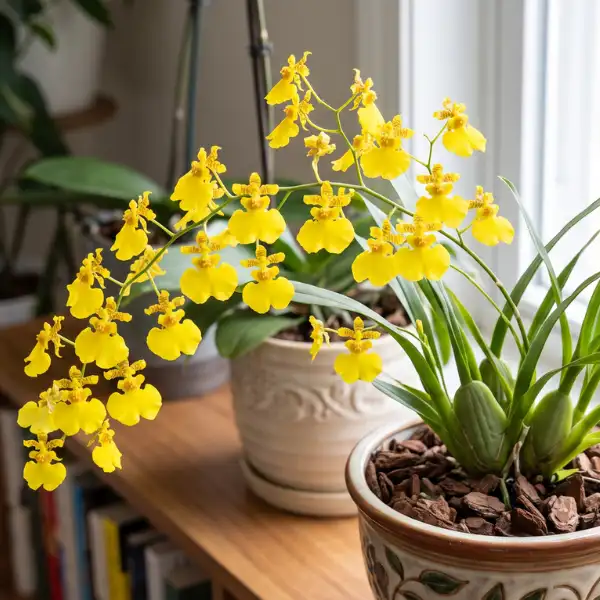
5. Oncidium (Dancing lady orchid)
Known as the “dancing lady,” Oncidium orchids produce dozens of tiny, ruffled blooms on branching sprays that resemble yellow-skirted dancers. Some kinds even have a subtle chocolate or vanilla aroma.
Care tip: Oncidiums like bright light and a well-draining bark mix.
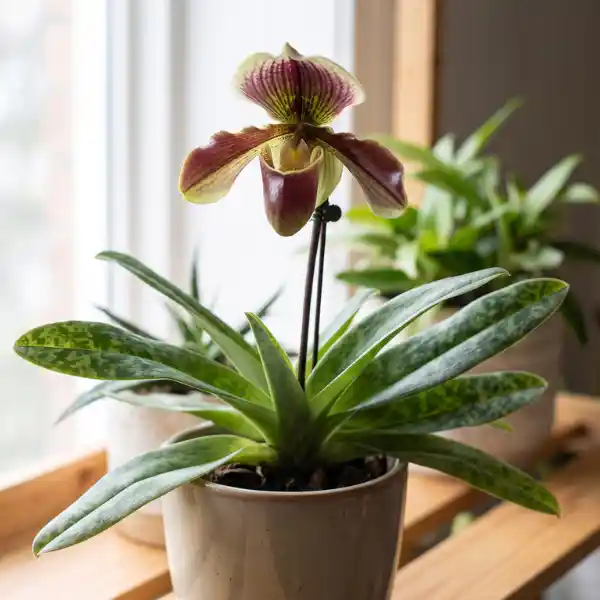
6. Paphiopedilum (Lady’s slipper orchid)
This unique orchid features a pouch-like petal that resembles a slipper, giving it its common name. Unlike many orchids, it prefers low to medium light, making it a great choice for shadier rooms.
Care tip: Keep the growing medium consistently moist but never soggy.
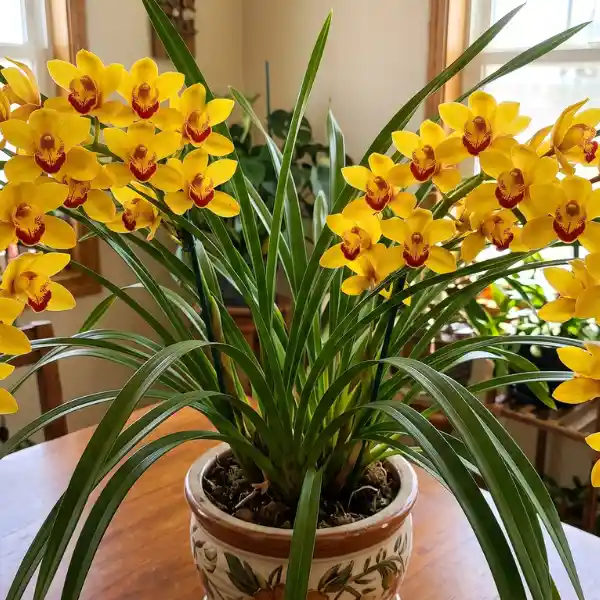
7. Cymbidium (Boat orchid)
Cymbidiums grow in long sprays of waxy, long-lasting blooms and are ideal for cut flowers and corsages. They prefer milder nighttime temperatures, which promote blooming.
Care tip: Place them somewhere with a noticeable day-to-night temperature drop for best blooms.
Rare and collector’s types of orchids
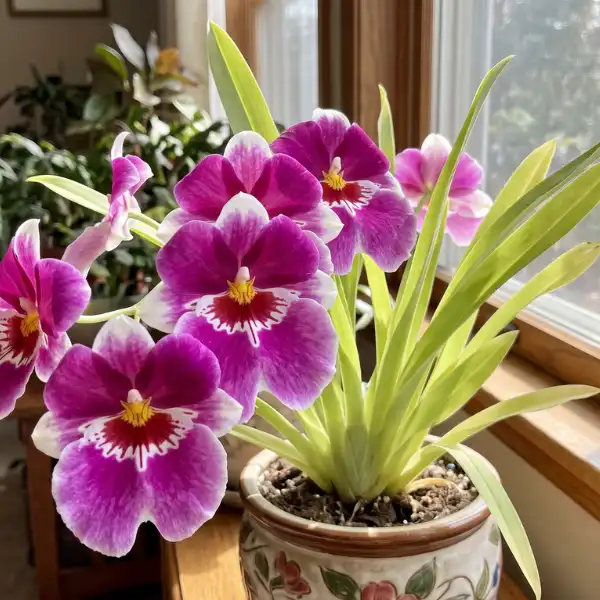
8. Miltonia (Pansy orchid)
Miltonia orchids produce flat, colorful flowers that resemble pansies, with prominent “masks” or patterns in the center.
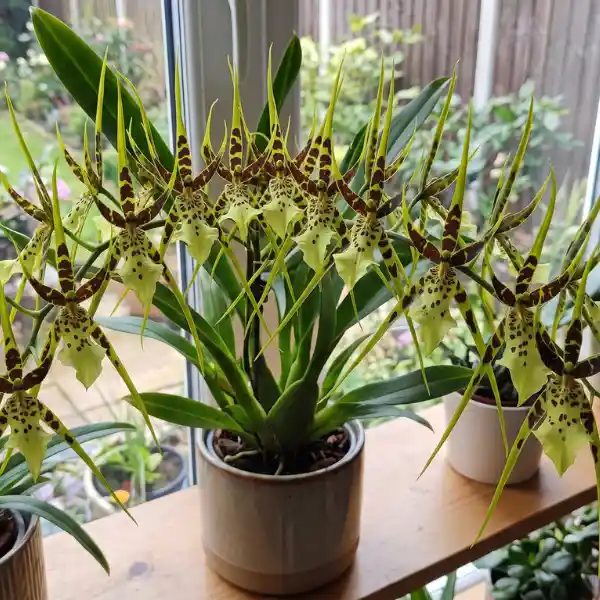
9. Brassia (Spider orchid)
With long, spidery petals, Brassia orchids are dramatic and unusual, often emitting a light, pleasant fragrance to attract pollinating wasps.
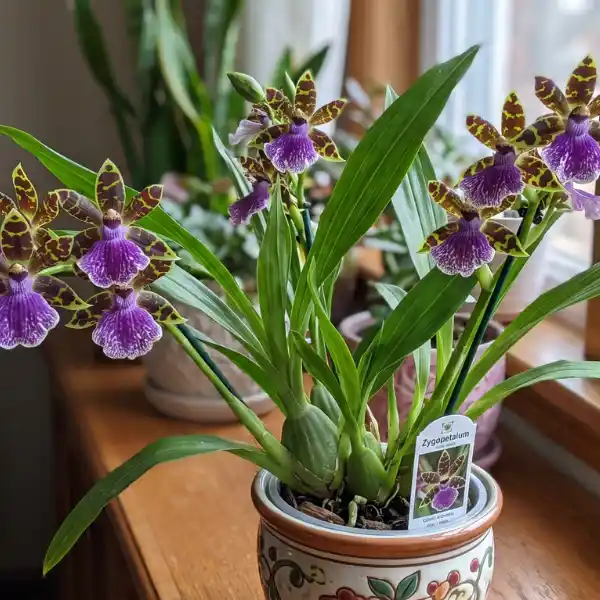
10. Zygopetalum
Zygopetalums, with their heady aroma and marbled purple-and-green flowers, are popular among orchid collectors.
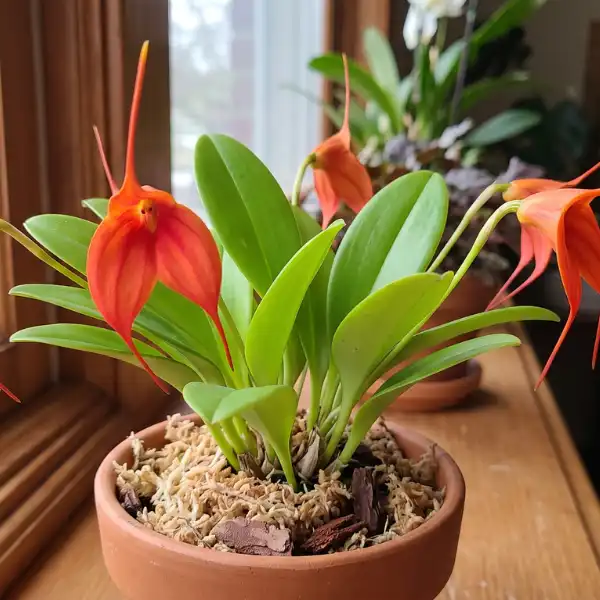
11. Masdevallia
These orchids have tiny, brilliantly colored triangular flowers and require cooler, more humid environments—ideal for terrariums or greenhouses.
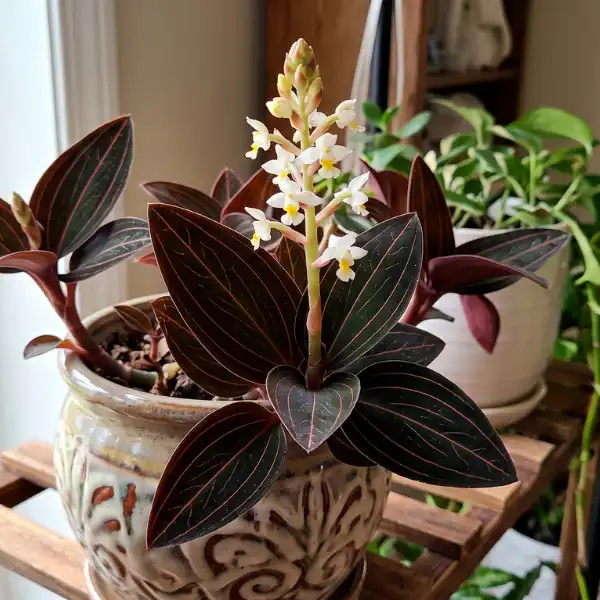
12. Ludisia (Jewel orchid)
Unlike most orchids grown for their flowers, Ludisia is prized for its velvety, dark foliage with shimmering veins. It’s one of the easiest orchids to grow in low light.
Fragrant types of orchids worth growing
If you love scented houseplants, these orchids double as natural air fresheners:
- Brassavola nodosa – A citrusy, night-blooming fragrance
- Cattleya – Sweet, classic floral scent
- Zygopetalum – Rich, hyacinth-like aroma
- Oncidium – Light chocolate or vanilla notes
Types of orchids by growing habit
Orchids are also classed based on how they grow in nature, which influences how they should be potted and cared for at home.
Epiphytic orchids
These orchids grow on trees in the wild, receiving moisture from the air and rain rather than soil. This group includes Phalaenopsis, Vanda, and Cattleya, which are frequently potted in bark or moss instead of regular potting soil.
Terrestrial orchids
Terrestrial orchids grow in the ground, usually in leaf litter or in humus-rich soil. Paphiopedilum and Cymbidium are typical terrestrial plants that demand a thicker, moisture-retentive potting mix.
Lithophytic orchids
Less common in home cultivation, lithophytic orchids grow on rocks and cliffs, drawing nutrients from mineral deposits and decaying organic matter around them.
How to choose the right orchid type for your home
| Factor | Best Orchid Types |
| Low light | Phalaenopsis, Paphiopedilum, Ludisia |
| Bright light | Cattleya, Vanda, Oncidium |
| Beginners | Phalaenopsis, Dendrobium |
| Fragrance lovers | Brassavola, Zygopetalum, Cattleya |
| Cool climates | Cymbidium, Masdevallia |
| Small spaces | Miltonia, Oncidium |
Quick care Tips that apply to most orchid types
- Light: Most orchids prefer bright, indirect light rather than direct sun.
- Watering: Water when the potting medium is nearly dry; avoid letting roots sit in water.
- Humidity: Aim for 40–70% humidity; a pebble tray or humidifier helps in dry climates.
- Potting medium: Use orchid-specific bark or moss mixes, not regular potting soil.
- Fertilizing: Feed with a weak, balanced orchid fertilizer every two weeks during active growth.
Conclusion:
With thousands of species and hybrids, exploring the different types of orchids can feel like discovering a new world of color, fragrance, and form. Whether you’re drawn to the easygoing Phalaenopsis, the vividly colored Vanda, or the velvety-leafed Ludisia, there’s an orchid suited to almost any home environment. Start with a beginner-friendly variety, learn its rhythm, and you’ll soon be ready to expand your collection with rarer, more exotic types.
Certainly! If you’d like to learn more, please consider following our WhatsApp Channel, Facebook, Instagram, YouTube, Twitter, and Pinterest.
Frequently asked questions about types of orchids
Q1: What are the easiest types of orchids to grow indoors?
A1: Phalaenopsis, Dendrobium, and Ludisia (jewel orchid) are considered the easiest types of orchids for beginners because they tolerate typical indoor light and humidity levels.
Q2: How many types of orchids are there?
A2: There are over 25,000 naturally occurring orchid species and more than 100,000 registered hybrids, making the Orchidaceae family one of the largest plant families in the world.
Q3: Which orchid type is best for low-light rooms?
A3: Paphiopedilum (lady’s slipper orchid) and Ludisia (jewel orchid) are among the few orchid types that thrive in low to medium light conditions.
Q4: Do all orchids need the same care?
A4: No. Care needs vary by type—epiphytic orchids like Vanda need more frequent watering and airflow, while terrestrial types like Cymbidium prefer denser, moisture-retentive potting mixes.