


You don’t have to use harsh chemicals or spend a fortune cleaning your house. A common pantry item, vinegar may be an efficient and reasonably priced DIY cleaner for a variety of surfaces and household chores. Here’s how to use it to keep your house immaculately clean.
Why use vinegar?
A natural deodorizer and disinfectant is vinegar. Because of its acidity, it works well to dissolve mineral deposits and filth. It’s also environmentally friendly and suitable for the majority of surfaces.
A basic vinegar-based DIY cleaner for all purposes
Ingredients:
- one part vinegar made of white
- one part aqueous
- A few drops of essential oil, such as lavender or lemon, are optional but add a nice aroma.
Guidelines:
- Using a spray bottle, mix equal parts water and white vinegar.
- Should you want to, add a few drops of your preferred essential oil.
- Thoroughly shake before using.
Using vinegar as a DIY cleaner
- Countertops: Apply a mist and use a fresh cloth to clean the surface. Because vinegar stains natural stone surfaces like granite and marble, it should not be used on them.
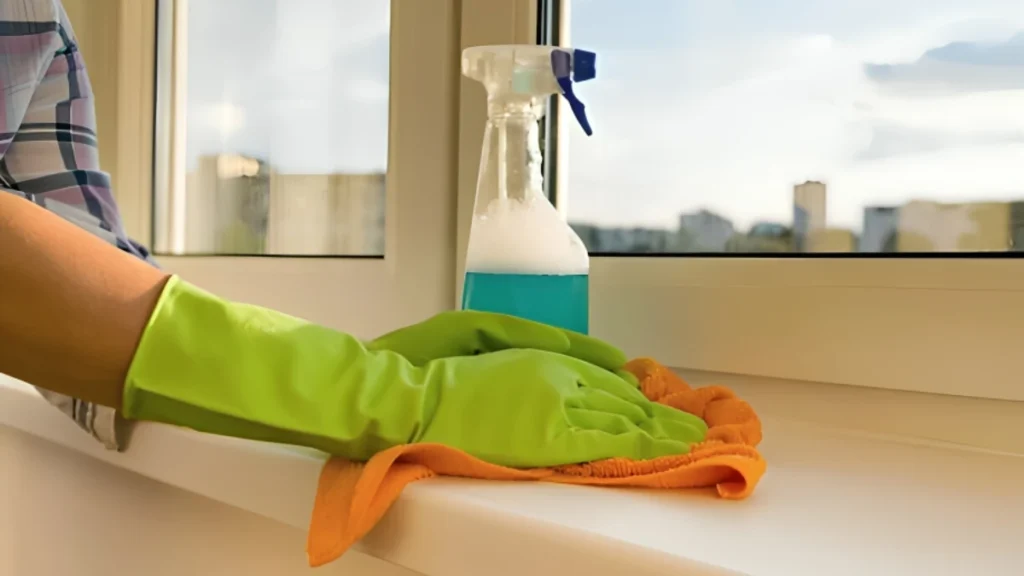
- Windows and Mirrors: For a streak-free shine, spray on glass surfaces and wipe with a lint-free cloth or newspaper.
- Floors: To mop tile or vinyl floors, mix half a cup of vinegar with one gallon of warm water. Again, do not use on floors made of genuine stone.
Conclusion:
As an eco-friendly and cost-effective DIY cleaner, vinegar works great. You don’t need to use expensive solutions to keep your home clean and glossy because you can accomplish a lot of household cleaning jobs with only a few items. Try these easy recipes and reap the rewards of a budget-friendly, spotlessly clean house!
Certainly! If you’d like to learn more, please consider following our WhatsApp Channel, Facebook, Instagram, YouTube, Twitter, and Pinterest.
A frequently asked questions:
Q1: What’s a good DIY cleaner for bathrooms?
A1: Combine one cup vinegar, one cup baking soda, and a few drops essential tea tree oil. This concoction is effective at cleaning tiles, sinks, and bathtubs.
Q2: Can vinegar be used to clean windows and mirrors?
A2: Indeed, vinegar works wonders for sanitizing glass surfaces. In a spray bottle, combine one part vinegar to one part water. For a streak-free finish, spray the solution over the glass and wipe with a paper towel or lint-free cloth.
Q3: Can I use a steam mop with my DIY cleaner?
A3: Using a steam mop on laminate floors is generally not advised because of the high heat and moisture content that can cause the laminate to bulge or distort. For cleaning, use a microfiber mop and slightly moistened rags.
Q4: How should I apply the DIY cleaner to my hardwood floors?
A4: Use a microfiber mop or cloth to wipe the floor after lightly spraying it with the homemade cleanser. To avoid causing water damage to the floor, try not to saturate it too much.