


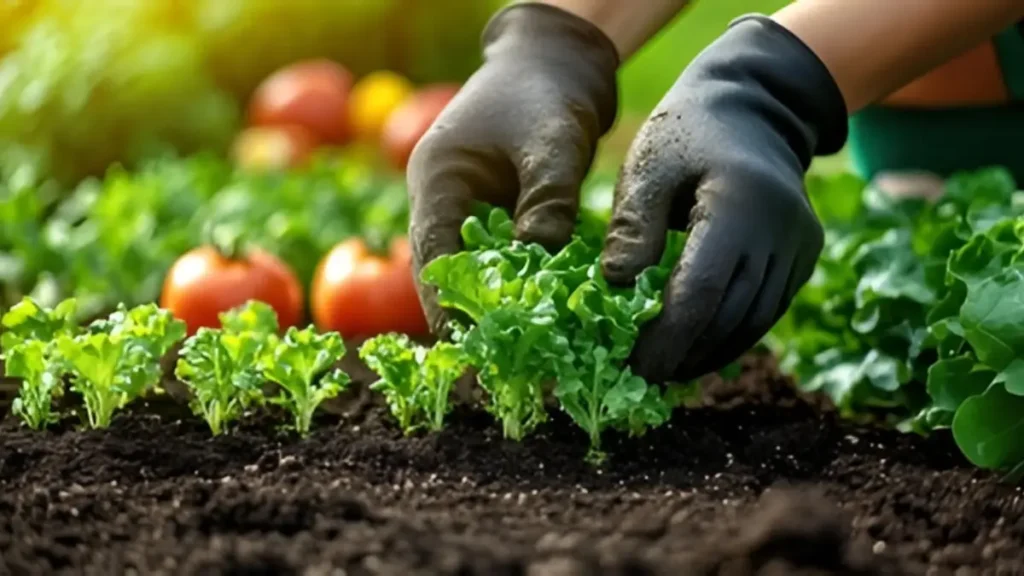
Starting a vegetable garden does not need to be difficult, expensive, or stressful. Every expert gardener understands the secret: pick the proper crops first. The easiest vegetables to grow reward even the most inexperienced gardener with bountiful yields after only a few weeks of basic labor — and the confidence they instill makes everything else in the garden seem doable. Whether you have a large back garden, a single raised bed, or just a few pots on a sunny balcony, these 10 veggies will flourish.
The 10 easiest vegetables to grow for beginners:
1. Radishes — harvest in just 3 to 4 weeks
Radishes are certainly the easiest and fastest vegetable to cultivate. Push a 1cm seed into prepared soil, water it, and after three to four weeks, you’ll be picking crisp, spicy radishes out of the ground. They take up absolutely no space—a single 30cm window box yields many. Radishes also serve as a natural pest deterrent for brassicas and are a good filler between slower-growing crops throughout the season. From April to October, sow a handful of seeds every 10 days to ensure a continual supply.
2. Lettuce & salad leaves — cut and come again in weeks
Lettuce and mixed salad leaves are undoubtedly the easiest vegetables to grow in the modern kitchen – a 60cm trough on a windowsill may produce enough salad for an entire household from a single sowing. Spread seeds thinly over damp compost, softly push in, then trim leaves with scissors when they reach 8-10cm tall. The plant will regenerate two to three times before requiring replacement. Grow a variety of vegetables, such as rocket, mizuna, and mustard, to provide flavor and visual appeal. Sow every two weeks to maintain a consistent yield from April until October.
3. Courgettes — prolific producers all summer long
A single well-grown courgette plant produces 20-30 courgettes every season, which is more than most households can consume. Sow one seed per 7.5cm pot inside in late April, on its side to prevent decaying, then transplant outside after the final frost in May. Courgettes require room (at least 60cm around each plant) and frequent watering once ripening begins, but they are otherwise amazingly self-sufficient. Harvest when the fruits reach 15-20cm — plucking often stimulates the plant to produce continually. Courgettes that are left unpicked become marrows after a few days.
4. Peas — satisfying, sweet, and simple
There is perhaps nothing more delicious in the vegetable garden than eating peas right from the pod – still warm from the sun, sweet and soft in a manner that no store pea can be. Sow 5cm deep in double rows from March to June, supporting with twigs or netting as they develop, then pluck pods when plump and full. Mangetout and sugar snap kinds are the most beginner-friendly since you pick the entire pod, eliminating the chance of missing prime harvest time. Peas also fix nitrogen into the soil, making it better for anything you plant next in that location.
5. Spring onions — quick, versatile, and space-saving
Spring onions are one of the most underestimated and easiest vegetables to grow for beginners. Sow thickly in 1cm deep drills and pluck as needed as they reach pencil thickness; no thinning is necessary. A single 30cm container sowed every three weeks provides a steady supply of fresh spring onions from May until September. Once planted, they do not require staking, particular soil, or much water. The entire plant is edible, from root to tip. Sow alongside quicker crops like radishes to maximize growth area.
6. Beetroot — stunning, easy, and incredibly versatile
Beetroot is one of those veggies that novices frequently realize they enjoy growing since it needs minimal effort, takes up little space, and yields both the root and the leaves. From April to July, sow in 2.5cm-deep clusters 10cm apart. Each cluster includes two to three seeds, ranging from the thinnest to the strongest seedling following germination. For the finest flavor and texture, harvest the roots when they reach golf-ball size. The deep red culinary types are the most popular, but the golden and striped chioggia species have outstanding visual appeal and a milder flavor.
7. Kale — the most productive long-season beginner crop
Kale is the best starter crop for value and longevity. Sow in April and you’ll be picking leaves from August to March the following year—a single sowing yields over a year’s worth of harvests. Kale is nearly indestructible; it can withstand drought, cold, wind, and poor soil more than any other vegetable. Pick outer leaves on a regular basis starting in August to foster continual new growth from the center. Cavolo Nero, Red Russian, and Curly Kale are all easy-to-grow varieties with distinct flavors and textures.
8. Runner beans & French beans — fast, tall, and generous
Beans are an excellent first crop for anyone with vertical space; a 1.8m cane teepee planted with six runner bean seeds will yield enough beans to serve a family all summer and into the fall. Beans can be started indoors in tiny pots in April or sown directly outdoors beginning late May. They grow quickly, blossom profusely, and reward daily harvesting with weeks of consistent yield. French beans are much easier to grow than runners; bush varieties require no propping and can be harvested in 10-12 weeks after planting.
9. Spinach & chard — fast, nutritious, and cut-and-come-again
Growing swiss chard, in particular, is one of the most forgiving and artistically appealing vegetables a beginner can produce – its vibrant stems in red, yellow, orange, and white look stunning in any garden setting while supplying healthy leaves for an incredibly long time. Sow directly in April, remove the outer leaves in 5-6 weeks, and the plant will continue to produce for many months. Chard tolerates heat and cold better than other green vegetables, making it considerably more dependable than spinach for novices in the changeable UK climate.
10. Tomatoes — the most satisfying vegetable you will ever grow
Tomatoes take somewhat more maintenance than the other crops on our list; they require indoor growing beginning in April, constant watering, feeding with a tomato fertilizer after blossom begins, and some warmth to mature properly. However, they recoup their tiny extra work with the most satisfying yield in the vegetable garden. A home-grown tomato eaten warm off the vine is an entirely different experience than anything sold in a supermarket—sweeter, more nuanced, and more unforgettable. Cherry tomato types such as Gardener’s Delight and Tumbling Tom are ideal for novices, producing abundantly with little effort even in pots on a sunny patio.
Quick reference: easiest vegetables to grow at a glance:
| VEGETABLE | PLANT | HARVEST | SPACE NEEDED | DIFFICULTY |
| Radishes | Direct outdoors | 3-4 Weeks | Very small | Very easy |
| Salad leaves | Direct/containers | 3-5 Weeks | Very small | Very easy |
| Spring onions | Direct outdoors | 8 Weeks | Small | Very easy |
| Spinach/Chard | Direct outdoors | 5-6 weeks | Small | Very easy |
| Peas | Direct outdoors | 10-12 Weeks | Medium | Easy |
| Betroot | Direct outdoors | 8-10 Weeks | Small-medium | Easy |
| Kale | Direct/ modules | 8 wks first peak | Medium | Easy |
| French beans | Direct outdoors | 10-12 Weeks | Medium | Easy |
| Courgettes | Indoors April | 10-12 Weeks | Large | Easy-medium |
| Tomatoes | Indoors April | 16-20 Weeks | Medium-large | Easy-medium |
5 beginner mistakes that kill even the easiest vegetables to grow
Overwatering is the major cause of seedling failure, with more fatalities than drought. It is critical to water plants only when the top centimetre of compost feels dry, rather than on a regular basis, because overwatered roots cannot breathe, get waterlogged, and decay rapidly.
Sowing too deeply. Tiny seeds such as lettuce and carrots require light to sprout. Burying them deeper than suggested (typically 0.5-1cm) stops germination completely. A good rule of thumb is to plant at a depth equal to twice the diameter of the seed, but no deeper.
Planting fragile crops like courgettes, tomatoes, beans, and cucumbers outside before the latest frost date of mid-May can result in cold stress, yellowing, and poor performance throughout the season. Waiting until mid-May to plant tomatoes, for example, resulted in considerably greater growth than planting in late March.
Newly emerging seedlings are extremely fragile right after germination, and slugs can swiftly destroy them. Organic slug pellets, copper tape, or beer traps can be used to protect seed beds beginning with planting.
Newly emerging seedlings are extremely fragile right after germination, and slugs can swiftly destroy them. Organic slug pellets, copper tape, or beer traps can be used to protect seed beds beginning with planting.
Conclusion:
The easiest vegetables to produce are not only for beginners; they are the foundation of every thriving kitchen garden, planted year after year by even the most expert gardeners since they are dependable, generous, and truly tasty. Begin with radishes and salad leaves for your first harvest in three weeks, then add peas and courgettes for early summer plenty, and let kale see you through the fall and winter. Each successful harvest will boost your confidence and expertise, allowing you to add more crops, experiment with new types, and increase your growing space season after season. The ideal time to start is now.
Certainly! If you’d like to learn more, please consider following our WhatsApp Channel, Facebook, Instagram, YouTube, Twitter, and Pinterest.
Frequently asked questions about the easiest vegetables to grow
Q1: What are the easiest vegetables to grow in containers?
A1: The easiest vegetables to grow in containers are salad leaves, radishes, spring onions, cherry tomatoes, and French beans. Salad leaves and radishes are the simplest to grow, requiring only a window box of soil and frequent watering. Cherry tomato cultivars, such as Tumbling Tom, have been particularly designed for container gardening and yield abundantly in hanging baskets or huge pots. The secret to container vegetable success is to use high-quality compost, water regularly (containers dry up much faster than ground soil), and feed with liquid fertilizer every 7-10 days after the plants are actively developing.
Q2: What are the easiest vegetables to grow in a raised bed?
A2: Raised beds are ideal for growing almost any crop on this list, although salad leaves, radishes, beets, peas, courgettes, and kale are the simplest. A raised bed’s regulated, free-draining soil results in higher germination rates, less weeds, and warmer growth conditions than open ground, making all crops easier to manage. A well-prepared raised bed loaded with high-quality compost provides newbies a major edge over ground gardening in their first season.