


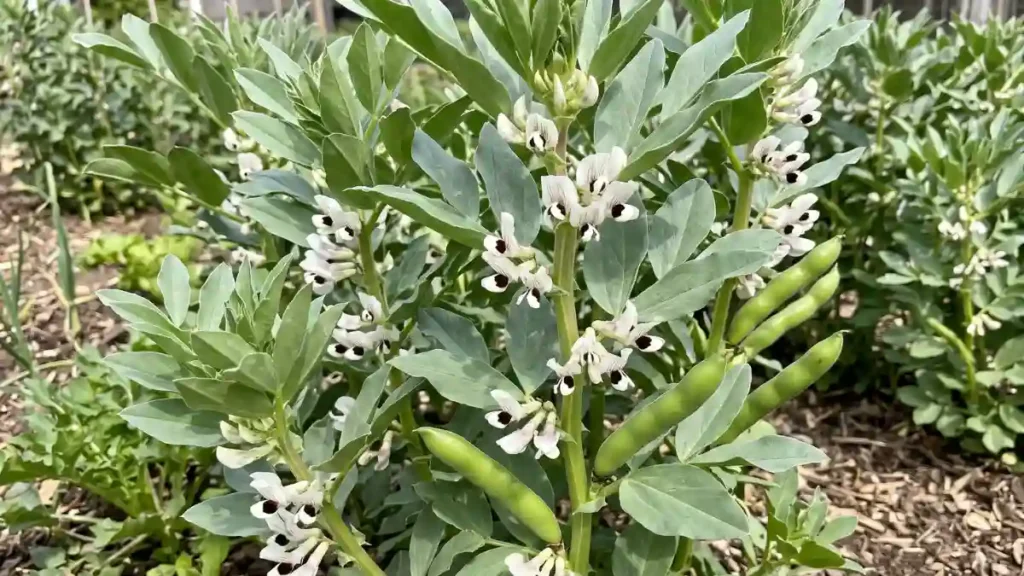
Long before quinoa, kale, and chia seeds took over grocery store shelves, one humble legume was already feeding civilizations for thousands of years — the fava bean. Also known as broad beans, faba beans, or horse beans, fava beans are one of the oldest cultivated crops on Earth, with roots tracing back to the Mediterranean, Middle East, and North Africa.
Despite their ancient origins, fava beans are enjoying a modern resurgence. Chefs enjoy them for their buttery texture and earthy flavour. Nutritionists commend them for their protein and fibre levels. And home gardeners enjoy them since they are one of the simplest legumes to raise, especially in colder climes.
If you’ve never cooked with fava beans before, or you’re simply curious about what makes them so special, this guide covers everything: their nutritional profile, science-backed health benefits, how to prepare and cook them, delicious recipe ideas, and answers to the most commonly asked questions.
What are fava beans?
Fava beans (Vicia faba) are large, flat, green legumes that grow inside thick, pod-like shells. They belong to the same plant family as peas and lentils and are sometimes called broad beans, faba beans, or Windsor beans depending on the region.
Unlike many other beans, fava beans have a two-layer protective structure: a huge outer pod and an inner skin that surrounds each bean. While the outer pod is often discarded, the inner skin can be eaten — though many recipes recommend peeling it away to reveal the brilliant green, fragile bean beneath for a more delicate texture.
A brief history of fava beans
Fava beans are regarded as one of the first domesticated crops in human history, with archaeological evidence indicating that they were cultivated as early as 6,000 BCE. They were a dietary staple in Ancient Egypt, Greece, and Rome, and they are still widely used in Mediterranean, Middle Eastern, Latin American, and East Asian cuisines today.
Fava beans nutrition facts
Fava beans are a nutritional powerhouse. A single cup (about 170 grams) of cooked fava beans typically provides:
- Calories: ~187
- Protein: ~13 grams
- Fiber: ~9 grams
- Carbohydrates: ~33 grams
- Fat: ~0.7 grams (virtually fat-free)
- Folate: Over 90% of the Daily Value
- Manganese: Around 40% of the Daily Value
- Iron: Roughly 14% of the Daily Value
- Magnesium, Potassium, and Phosphorus: Present in meaningful amounts
This nutrient density is why fava beans are regarded as a plant-based protein powerhouse, particularly among vegetarians, vegans, and those wanting to lessen their dependency on animal protein.
Health benefits of fava beans
1. Excellent source of plant-based protein
Fava beans have around 13 grams of protein per cooked cup, making them comparable to many animal protein sources while being fully plant-based. This makes them an ideal addition to vegetarian and vegan diets, since they promote muscle regeneration, immunological function, and overall cellular health.
2. Supports heart health
Fava beans contain soluble fibre, which has been demonstrated to reduce LDL (“bad”) cholesterol levels. They’re also high in potassium and magnesium, which help regulate blood pressure. Together, these nutrients make fava beans a heart-healthy supplement to a well-balanced diet.
3. May help manage parkinson’s disease symptoms
Fava beans naturally contain L-dopa (levodopa), which the body turns into dopamine. As a result, some research has looked into fava beans as a potential natural dietary supplement for persons with Parkinson’s disease, albeit they should never be used instead of prescribed medication unless under medical supervision.
4. Promotes digestive health
With nearly 9 grams of fiber per cup, fava beans support healthy digestion, regular bowel movements, and a balanced gut microbiome. Fiber-rich diets are also linked to a reduced risk of colorectal issues over the long term.
5. Helps regulate blood sugar
Fava beans provide around 9 grams of fibre per cup, which promotes healthy digestion, regular bowel motions, and a balanced gut bacteria. Fiber-rich diets have also been linked to a lower risk of colorectal diseases in the long term.
6. Rich in folate for cellular health
Fava beans are one of the most abundant plant sources of folate, a B-vitamin required for DNA synthesis and cell division. Folate is especially important during pregnancy because it reduces the likelihood of neural tube abnormalities in growing newborns.
7. Supports bone health
Because of their manganese, phosphorus, and magnesium concentration, fava beans help to maintain strong, healthy bones over time.

How to choose and store fava beans
Choosing fresh fava beans
- Look for pods that are firm, plump, and bright green, without brown spots or shriveling.
- Smaller pods tend to contain younger, more tender beans with a sweeter flavor.
- Give the pod a gentle squeeze — you should be able to feel the beans inside.
Storing fava beans
- Fresh, unshelled pods: Store in a paper bag or perforated plastic bag in the refrigerator for up to 5 days.
- Shelled fresh beans: Store in an airtight container in the fridge for 2–3 days, or freeze for up to 6 months.
- Dried fava beans: Keep in a sealed container in a cool, dry pantry for up to a year.
Delicious ways to cook fava beans
Fava beans are remarkably versatile and shine in a wide variety of dishes across global cuisines.
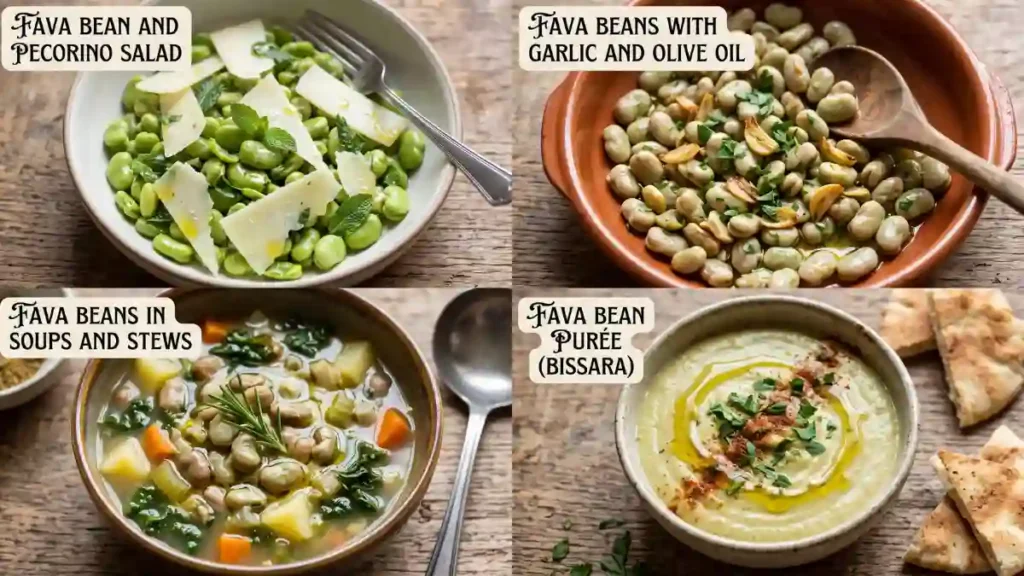
Fava bean purée (Bissara)
This smooth, garlicky purée, a Moroccan and Egyptian culinary classic, is produced by boiling peeled fava beans with olive oil, cumin, garlic, and lemon juice before blending until creamy. Serve as a dip on warm flatbread or a hearty breakfast soup.
Fava bean and pecorino salad
A classic Italian spring dish: toss blanched, peeled fava beans with shaved pecorino cheese, fresh mint, a drizzle of good olive oil, and a squeeze of lemon.
Fava beans with garlic and olive oil
Sauté peeled fava beans in olive oil with minced garlic, a pinch of chilli flakes, and fresh herbs like parsley or dill to make a simple, flavourful side dish that goes well with grilled meats or seafood.
Fava bean hummus
Replace chickpeas with fava beans in your favourite hummus recipe. Blend them with tahini, lemon juice, garlic, and olive oil for a creamier, earthier twist on the classic dip.
Fava beans in soups and stews
Dried fava beans keep their shape well and absorb flavor well, making them an excellent complement to substantial soups, stews, and braises – notably in Middle Eastern and Latin American cooking.
Growing fava beans at home
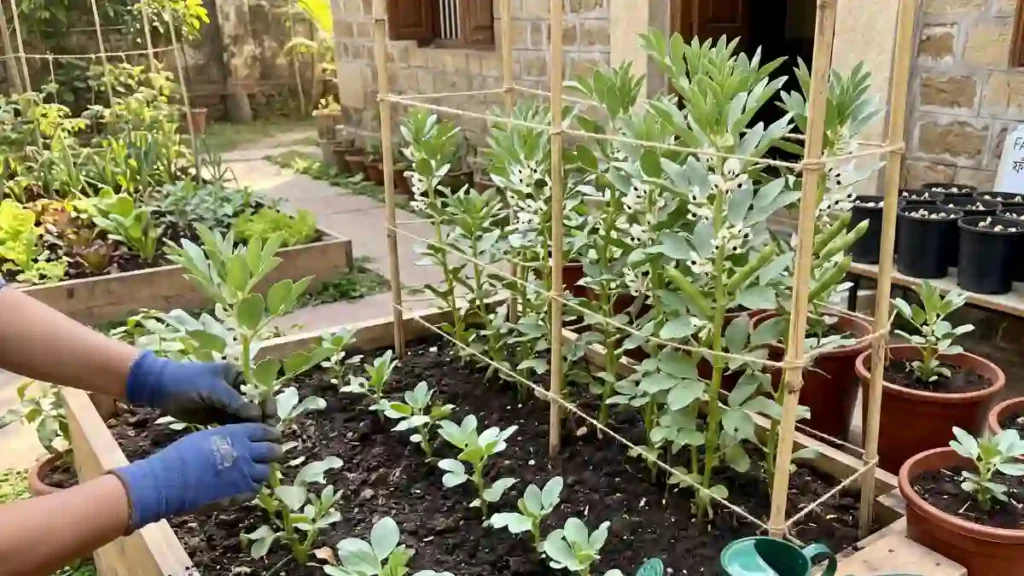
One reason fava beans have become popular with home gardeners is how forgiving they are to grow.
Planting tips
- Climate: Fava beans thrive in cool weather and can even tolerate light frost, making them ideal for early spring or fall planting.
- Soil: They prefer well-draining, slightly alkaline soil enriched with organic matter.
- Spacing: Plant seeds about 4–6 inches apart in rows spaced 18–24 inches apart.
- Sunlight: Full sun is ideal, though they tolerate partial shade in warmer climates.
Why gardeners love them
Fava beans are nitrogen-fixing plants, which means they naturally enrich the soil by absorbing nitrogen from the atmosphere and depositing it in the ground via their root systems. This makes them an ideal cover crop or companion plant, improving soil health for future crops.
Harvest normally takes place 80-100 days after planting, when the pods are plump and the beans inside are visible through the shell.
Fava beans vs. other legumes: How do they compare?
| Legume | Protein (per cup, cooked) | Fiber (per cup, cooked) | Flavor Profile |
| Fava Beans | ~13g | ~9g | Earthy, buttery, slightly nutty |
| Chickpeas | ~15g | ~12.5g | Mild, nutty |
| Lentils | ~18g | ~15.6g | Earthy, mild |
| Black Beans | ~15g | ~15g | Rich, slightly sweet |
While fava beans offer somewhat less fibre and protein than some competitors, their distinct buttery texture and adaptability to world cuisines make them an excellent choice for adding diversity to a plant-based diet.
Conclusion
Fava beans are proof that some of the best foods are the ones that have stood the test of time. Packed with protein, fiber, folate, and heart-healthy nutrients, they offer a genuinely impressive nutritional profile — all wrapped in a rich, buttery flavor that has delighted cooks for thousands of years.
Whether you’re making a smooth purée, tossing them in a spring salad, or growing them in your backyard garden, fava beans are a simple and satisfying addition to any kitchen. Give them a try; you could discover your new favourite legume.
Certainly! If you’d like to learn more, please consider following our WhatsApp Channel, Facebook, Instagram, YouTube, Twitter, and Pinterest.
Frequently asked questions about fava beans
Q1: Are fava beans the same as broad beans?
A1: Yes. Fava beans and broad beans refer to the exact same legume (Vicia faba). “Broad beans” is more commonly used in the UK and parts of Europe, while “fava beans” is the more common term in the United States.
Q2: Can you eat fava beans raw?
A2: Very young, tender fava beans can be eaten raw in salads, but they are more commonly cooked, as cooking improves both digestibility and flavor. People with G6PD deficiency should avoid raw or undercooked fava beans entirely.
Q3: Are fava beans good for weight loss?
A3: Fava beans are high in fiber and protein while being low in fat, which can help promote fullness and support healthy weight management as part of a balanced diet.
Q4: Can I use dried fava beans instead of fresh ones?
A4: Yes. Dried fava beans should be soaked overnight and simmered until tender, usually 45–60 minutes. They work particularly well in soups, stews, and purées where a softer texture is desired.