


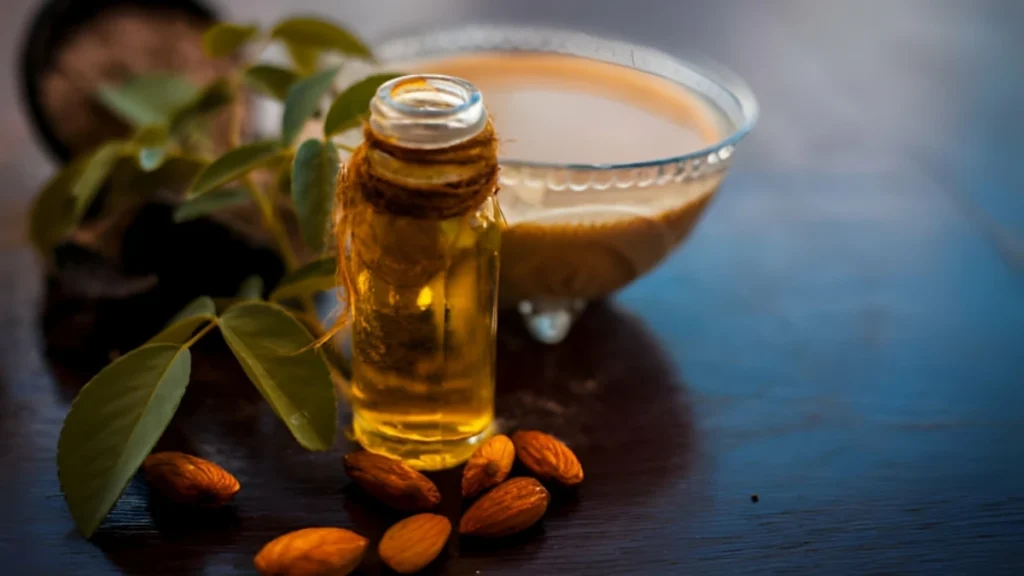
In the modern world, where vibrant, healthy hair is a must, many people look for all-natural hair growth enhancing products. Homemade shampoos provide an effective way to achieve this goal, which care for the scalp and increase the vitality of the follicles. Homemade onion hair oil is also effective in this regard. In this article, we will look at various methods and recipes for making DIY shampoos that promote hair growth organically.
Simple recipe on how to make homemade shampoo:
Components:
- One cup of liquid castile soap (you can use it unscented or with your favorite smell)
- one cup of water
- One tsp of coconut oil
- A single tsp of jojoba oil
- 10-15 drops of essential oil (such as lavender, tea tree, peppermint, or a mixture)
Instructions for making homemade shampoo::
- Combine the water and liquid castile soap in a bowl.
- To the mixture, add the jojoba and coconut oils. Mix thoroughly to blend.
- For extra benefits and scent, apply a few drops of essential oil. Stir once more.
- Transfer the blend into a shampoo bottle or any other unoccupied receptacle of your preference.
- Before using, give the bottle a good shake to make sure the components are fully combined.
- Apply this shampoo just like you would a conventional shampoo. After applying the shampoo to wet hair, thoroughly rinse.

Conclusion:
The majority of hair types can be used with this mild homemade shampoo recipe. However, you might want to alter the recipe or seek advice from a dermatologist before using it if you have particular hair issues or sensitivities. It’s also advisable to use this shampoo within a few weeks and store it in a cool, dry location because it doesn’t include any preservatives. The components may separate over time, so thoroughly shake before using each time.
Certainly! If you’d like to learn more, please consider following our WhatsApp Channel, Facebook, Instagram, YouTube, Twitter, and Pinterest.
A frequently asked questions:
Q1. What are the benefits of using homemade shampoo?
A1: This shampoo offers numerous benefits such as avoiding harsh chemicals, reducing plastic waste from commercial packaging, customizing it to your hair type, and being more cost-effective.
Q2: Can homemade shampoo be stored for a long time?
A2: This shampoo is recommended for use within a reasonable timeframe, as it doesn’t contain preservatives like commercial shampoos, and smaller quantities should be manufactured.
Q3: How often should I use homemade shampoo for dandruff?
A3: For optimal effects, it is advised to use homemade dandruff shampoo two or three times a week. However, the frequency may change based on the particular characteristics of each person’s scalp and the substances in the shampoo.
Q4: Are there any natural ingredients I can add to my homemade shampoo for dandruff?
A4: Yes, you can add natural components to your DIY dandruff shampoo, like tea tree oil, coconut oil, neem oil, apple cider vinegar, and aloe vera.
Q5: How should I store homemade shampoo and conditioner?
A5: Keep DIY shampoo and conditioner out of direct sunlight and moisture by storing them in clean, airtight containers.