


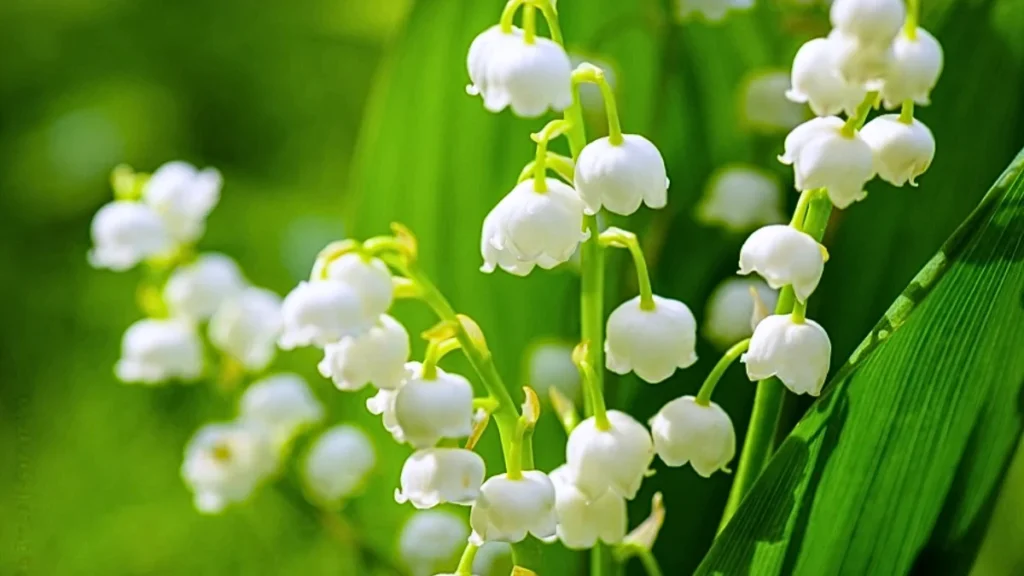
The Lily of the Valley Flower is one of the most beautiful and fragrant blossoms in the garden. For generations, this plant has charmed hearts with its exquisite white bell-shaped flowers and delicious smell. Gardeners value it not only for its beauty, but also for its strength and significance.
The Lily of the Valley Flower is native to Europe and parts of Asia, and it thrives in cold weather and shady wooded regions. It has gradually gained popularity as an ornamental plant across North America and beyond. What genuinely distinguishes this flower is its blend of gentleness and power. It appears delicate at first, but once established, it spreads quickly.
In this tutorial, we’ll go over all you need to know about the Lily of the Valley Flower, including how to cultivate it, what it represents, its intriguing history, and how to utilize it safely and efficiently.
Botanical profile of lily of the valley
| Scientific Name | Convallaria majalis |
| Family | Asparagaceae |
| Plant Type | Herbaceous perennial |
| Height | 6–12 inches |
| Bloom Time | Mid to late spring |
| Flower Color | White (occasionally pink varieties) |
| Hardiness Zones | 3–9 |
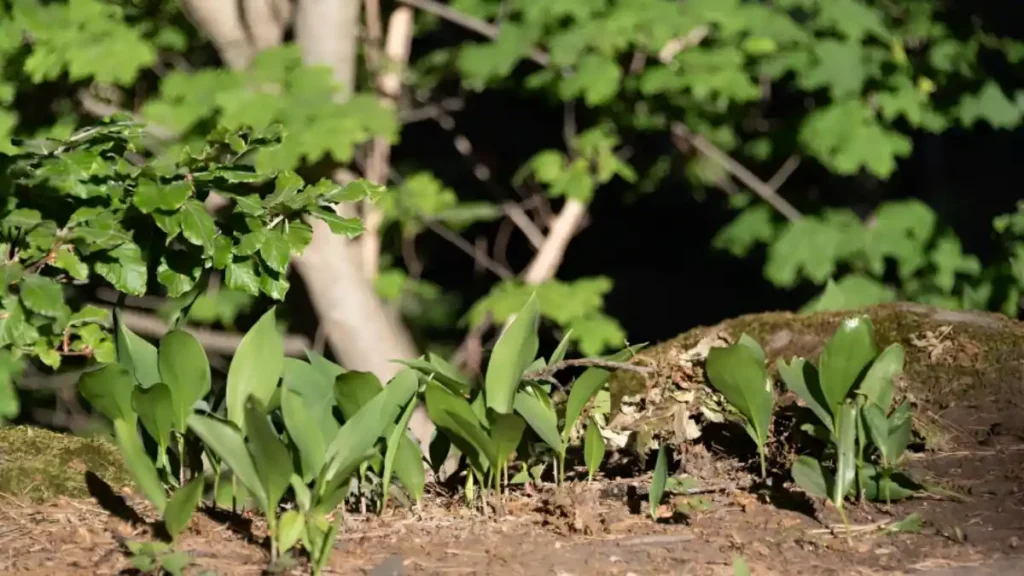
This plant spreads by underground rhizomes called “pips.” These pips reproduce quickly, making Lily of the Valley an ideal ground cover for shady regions.
Lily of the valley meaning
The Lily of the Valley meaning has deep roots in history, religion, and folklore. Across cultures, it represents:
- Purity and innocence.
- Renewal and Rebirth
- Humility
- Happiness returns.
In Christian tradition, the flower is linked with the Virgin Mary and is sometimes known as “Mary’s Tears.” In France, it is given on May 1st as a symbol of good fortune and riches.
Notably, the flower earned royal prominence when it was included in Catherine, Princess of Wales’ bridal bouquet at her wedding to Prince William, Prince of Wales, as a symbol of purity and eternal love.
How to grow lily of the valley successfully
1. Ideal location and light requirements
The Lily of the Valley flower grows in moderate to full shade. We recommend growing it behind trees, along shady paths, or in forest gardens. While it can withstand some morning sun, direct afternoon sunshine can burn its fragile leaves.
2. Soil conditions
For best plant development, well-drained, organic-rich soil is required. The soil’s pH should vary from slightly acidic to neutral, 6.0 to 7.0. Composting the soil also helps to promote robust root growth and powerful flowers.
3. Planting instructions
To plant pips effectively, do it in early spring or fall. Place them roughly 1 inch deep and 3-4 inches apart. After planting, be sure to properly water the pips. Within one season, these plants will establish themselves and begin to expand spontaneously.
4. Watering needs
Throughout the growth season, we maintain a steady moisture level. Although the plant is drought-tolerant once established, prolonged dryness diminishes flower output.
5. Fertilization
There is no need for extensive feeding. A small dose of balanced organic fertilizer in early spring promotes robust foliage and many blossoms.
Lily of the valley care and maintenance
- Applying a small layer of mulch helps to retain moisture and reduce weeds, especially in warmer regions.
- To keep everything looking neat, remove fading flowers and decaying foliage. Green foliage nourishes next year’s blossoms, so avoid removing it early.
- Lily of the Valley is popular as a ground cover plant, yet it has the potential to become invasive. To properly regulate its development, root barriers should be installed, clumps divided every 2 to 3 years, and any undesired rhizomes removed as soon as possible.
Common problems and solutions
| Problem | Cause | Solution |
| Leaf yellowing | Poor drainage | Improve soil aeration |
| Fungal spots | Excess moisture | Reduce watering |
| Slugs | Damp conditions | Use natural repellents |
Interesting facts about the lily of the valley
- The shrub produces vivid red berries after flowering.
- All components, including leaves, flowers, and berries, are very hazardous if consumed.
- It was employed in traditional European herbal medicine.
- Its aroma is commonly utilized in premium fragrances.
The alluring aroma influenced renowned perfume firms, notably Dior, who included Lily of the Valley components into legendary fragrance creations.
Lily of the valley in perfume and fragrance
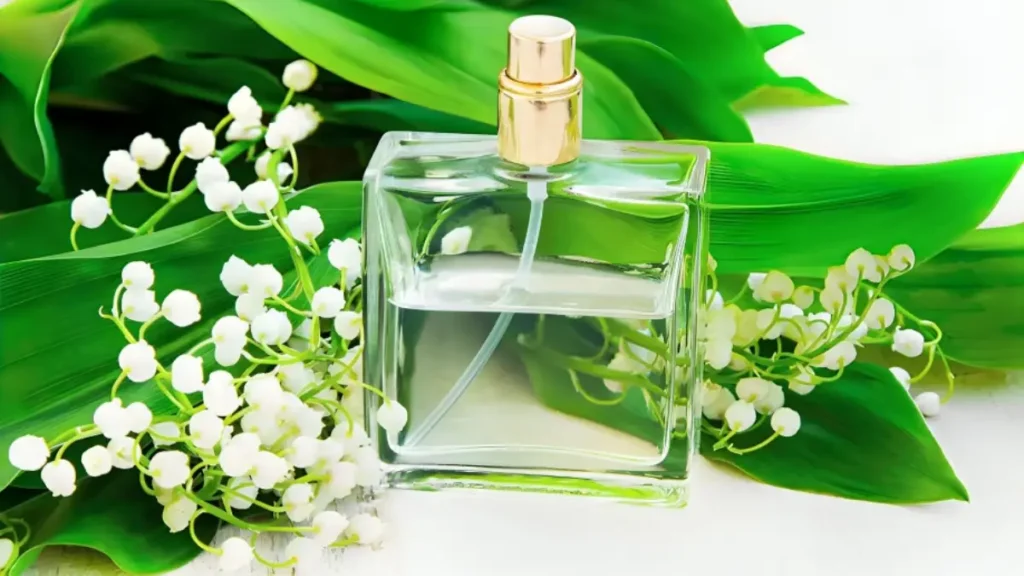
The flower’s original aroma cannot be extracted directly using traditional distillation techniques. Perfumers instead use synthetic chemicals to imitate the aroma. The end product is a fresh, green, flowery perfume that exudes springtime elegance.
Its fragrance profile contains:
- Sweet floral notes.
- Green leafy undertones.
- Soft, powdery finish.
This makes Lily of the Valley an essential component in both traditional and contemporary scent formulas.
Medicinal and traditional uses
Lily of the Valley has traditionally been employed in regulated pharmaceutical compositions due to its cardiac glycosides, which affect heart function. However, we highlight that the plant is dangerous and not suitable for self-medication.
In ancient herbal systems, extracts were carefully calibrated to support:
- Heart rhythm regulation
- mild diuretic effect.
- Heart health
Modern medicine knows its strong chemicals, but they must be used under proper medical supervision.
Is Lily of the valley poisonous?
Yes. Lily of the Valley is extremely harmful to both people and dogs.
Symptoms of poisoning might include:
- Nausea
- Vomiting
- An irregular heartbeat
- Dizziness
We recommend keeping the plant away from youngsters and animals. When working with big volumes, always wear gloves.
Conclusion
The Lily of the Valley Flower is a gardener’s perennial favorite. With its fragrant smell, exquisite white bells, and profound symbolism, it provides both beauty and significance. Although it appears fragile, it is remarkably robust and versatile.
This amazing plant may be successfully grown if you learn correct care practices, safety considerations, and its cultural heritage. Whether used in landscaping, as a symbolic gift, or just enjoyed in a forest garden, Lily of the Valley Flower lives up to its reputation as a strong and beautiful flower.
Certainly! If you’d like to learn more, please consider following our WhatsApp Channel, Facebook, Instagram, YouTube, Twitter, and Pinterest.
Frequently asked questions
Q1: Can Lily of the Valley Flower grow in pots?
A1:Yes, but containers must have enough drainage and some shade.
Q2: Why is Lily of the Valley Flower popular in weddings?
A2: Because it represents purity, contentment, and eternal love.