


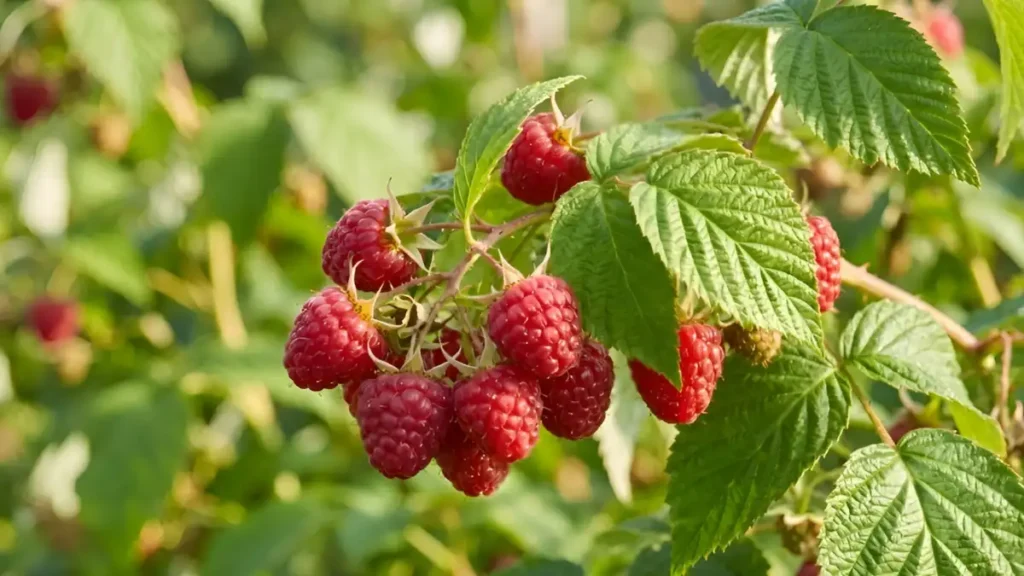
You’ve undoubtedly savored a bowl of fresh raspberries without thinking much about the plant’s leaves. But raspberry leaf, derived from Rubus idaeus, has quietly established itself as one of the most versatile therapeutic herbs in the natural health field.
Used for centuries in traditional herbalism across Europe and North America, raspberry leaf is most commonly consumed as a tea or supplement. Its high concentration of vitamins, minerals, and plant components elevates it above the status of a fruit plant byproduct. Whether you’re interested in hormonal balance, digestive health, or simply seeking a nutritious herbal tea, raspberry leaf should be included in your wellness regimen.
The nutritional profile of raspberry leaf
Before going into the benefits, it’s important to understand why raspberry leaf works. The leaves are an incredibly rich source of:
- Fragarine — a unique plant compound linked to uterine muscle tone
- Tannins — natural astringents with antioxidant and anti-inflammatory properties
- Flavonoids — including quercetin and kaempferol, known for their cellular protective effects
- Vitamins C, E, and B complex
- Minerals — magnesium, potassium, iron, and calcium
This combination makes raspberry leaf a very excellent tonic herb, one that promotes overall health rather than treating a specific illness.
Top health benefits of raspberry leaf
1. Women’s reproductive health support
The most well-known use of raspberry leaf is to promote female reproductive health. Fragarine is supposed to tone and strengthen the uterine and pelvic muscles, perhaps reducing menstrual cramps and regulating cycle abnormalities.
Many women say that drinking raspberry leaf tea on a daily basis leads to lighter, less painful periods over time – though individual reactions vary, and stronger clinical studies is still being conducted.
2. Pregnancy and labour preparation
Raspberry leaf has a long history as a “labour prep” herb during the third trimester of pregnancy. For decades, midwives and herbalists have advised it to help tone the uterine muscles in preparation for birth.
Some small studies indicate that it may shorten the second stage of labor and minimize the chance of interventions, although evidence is limited.
3. Rich antioxidant properties
The flavonoids and tannins in raspberry leaf have significant antioxidant activity, assisting the body in combating oxidative stress, a process connected to aging, inflammation, and chronic illness.
Drinking raspberry leaf tea on a regular basis is an easy, pleasurable method to increase your antioxidant consumption while maintaining a healthy diet.
4. Digestive health and gut support
Tannins in raspberry leaf have a mild astringent impact on the digestive tract, which may help decrease inflammation in the gut lining. Raspberry leaf tea has long been used to treat diarrhea, bloating, and overall digestive pain.
It is not a solution for digestive ailments, but as a daily herbal drink, many individuals find it soothing to the gut.
5. Immune system boost
Raspberry leaf is a natural ally for immune function due to its high vitamin C concentration. Raspberry leaf tea, when combined with anti-inflammatory tannins, may help the body adapt more effectively to seasonal illnesses and everyday immunological problems.
How to use raspberry leaf
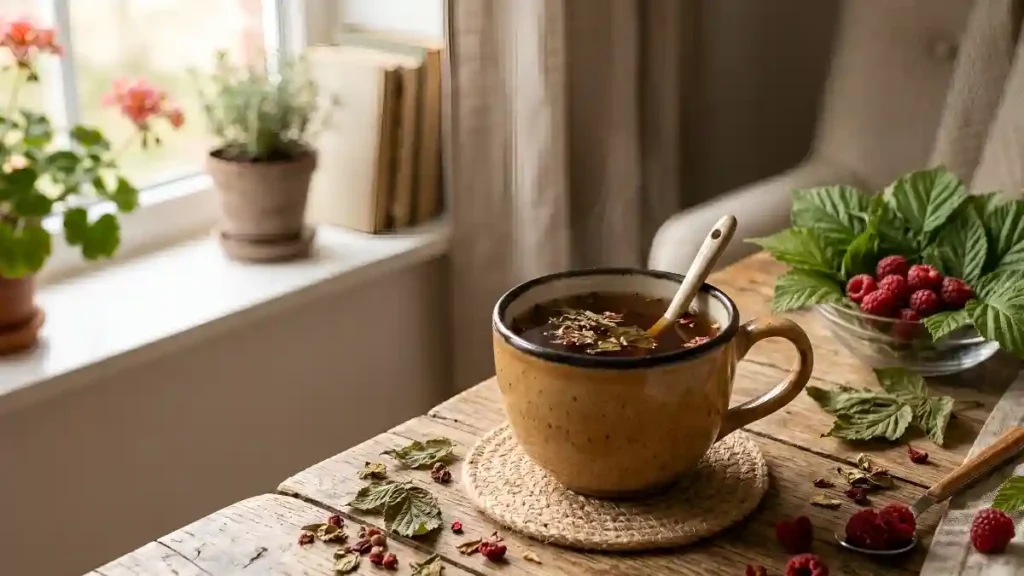
Raspberry leaf tea
This is by far the most common form. Here is how to brew it.
- Pour 1-2 tablespoons of dried raspberry leaf into a cup.
- Pour boiling water on the leaves.
- Steep for 5–10 minutes.
- Strain and enjoy—plain or with a touch of honey.
You can drink 1–3 glasses each day. It has a nice, somewhat earthy, mild flavor that may be enjoyed on its own or combined with other herbs such as peppermint or nettle.

Raspberry leaf capsules and tinctures
If you don’t like tea, raspberry leaf capsules and tinctures are commonly available. Follow the dose directions on the product label, and search for certified organic choices wherever feasible.
Raspberry leaf in herbal blends
Raspberry leaf is commonly found in women’s health teas, along with other beneficial herbs such as red clover, nettle, and oat straw. These mixtures are intended to complement hormonal health holistically.
Are there any side effects or precautions?
Raspberry leaf is usually regarded safe for most adults to ingest in moderation as a tea or supplement. However, bear the following considerations in mind:
- Pregnancy: Do not use during the first and second trimesters without expert supervision.
- Hormone-sensitive conditions: People with oestrogen-sensitive malignancies or endometriosis should see their doctor before using this product.
- Medication interactions: Raspberry leaf may interact mildly with some medicines, especially those that influence hormone levels or blood sugar.
- Allergies: Although uncommon, they may occur if you are allergic to Rosaceae plants.
As with any herbal product, begin with a modest dose to determine your tolerance, and see your doctor if you have any underlying health concerns.
Conclusion:
Raspberry leaf is one of those rare plants that truly deserves its reputation. With centuries of traditional usage and a growing body of current interest, it provides a mild yet important method to support women’s health, digestive wellness, and daily immunity – all in a simple, caffeine-free cup of tea. Whether you’re looking for cycle support, pregnancy preparation, or a nourishing daily ritual, raspberry leaf is a low-risk, high-reward complement to any herbal regimen. As usual, listen to your body, begin cautiously, and seek expert help when necessary.
Certainly! If you’d like to learn more, please consider following us on WhatsApp, Facebook, Instagram, YouTube, Twitter, and Pinterest.
Frequently asked questions about raspberry leaf:
Q1: What does raspberry leaf taste like?
A1: Raspberry leaf tea has a moderate, somewhat earthy, and astringent flavor. It’s frequently compared to a light, simple black tea, minus the caffeine.
Q2: When should I start drinking raspberry leaf tea in pregnancy?
A2: Most midwives recommend starting around 32-34 weeks of pregnancy, following checking with your healthcare provider. It should never be used during early pregnancy without professional counsel.
Q3: Can men use raspberry leaf?
A3: Yes. While raspberry leaf is most popular among women, its antioxidant, anti-inflammatory, and digestive effects are also important to men.
Q4: How long does it take for raspberry leaf to work?
A4: Many women see a change with menstruation support after 2-3 cycles of constant use. Digestive effects may be realized more rapidly, sometimes within a few days of frequent tea use.