Tag

Guide

Browsing

Flowers add vitality, color, and scent to any landscape, but growing lush, vivid flowers requires more than just water and sunlight. The appropriate fertilizer is critical for healthy development, strong roots, and long-lasting blooms. Flowers grow when given the proper nutrients, resulting in bright hues, stronger stems, and longer blooming periods. Choosing the best flower fertilizer has a huge impact on plant health and growth. In this post, we’ll look at the finest fertilizers for flowers, their benefits, and how to use them properly.

When selecting a flower fertilizer, think about your plants’ demands. The three main plant nutrients—nitrogen (N), phosphorus (P), and potassium (K)—are all present in an all-purpose flower fertilizer. Look for a balanced fertilizer (such as 10-10-10) for overall growth or a phosphorus-rich fertilizer (such as 5-10-5) to enhance blooming. Organic choices, such as compost or fish emulsion, increase soil health, but synthetic fertilizers deliver nutrients quickly. Slow-release fertilizers provide long-term benefits, but liquid fertilizers produce quick results. To avoid overfeeding, always check the label for key nutrients such as nitrogen (N), phosphorus (P), and potassium (K) and apply them at the appropriate rates.

The best time to apply flower fertilizer depends on the plant’s growth stage. Fertilize early spring for strong roots and healthy foliage, and use phosphorus-rich fertilizer during flowering. Feed perennials and annuals regularly, avoid late fall or winter, and follow the recommended feeding schedule to avoid over-fertilization.

To optimize effectiveness, fertilizers should be applied during the appropriate growth phases. Fertilize in early spring, before blossoming, and continue throughout the growing season.

Overfertilization can harm plants. To avoid nutrient burn, always follow the application directions provided by the manufacturer.

Watering ensures that nutrients are uniformly distributed in the soil, allowing plant roots to absorb them efficiently.

Mulching with organic materials such as compost or wood chips conserves moisture and improves soil quality, increasing fertilizer efficiency.

Fertilizers are available in a variety of formulations to suit different flowering plants and soil conditions. Understanding their distinctions will allow you to make an informed decision.

1. Granular fertilizers

Granular fertilizers come in two types: quick-release and slow-release. Slow-release fertilizers decompose over time, ensuring consistent nutrient flow, while quick-release fertilizers provide immediate nutrients but may require frequent application.

2. Organic flower fertilizer

Organic fertilizers such as compost, manure, and bone meal improve soil structure and microbial activity, supporting stronger plants in the long run, and include phosphorus for flowering.

In addition to improving soil tilth, organic fertilizers—which come from both living and non-living sources—give flowers vital nutrients. They boost immune systems, don’t burn plants, are non-toxic to wildlife and beneficial insects, and stay active in the soil for long periods. They are more expensive, have fewer formulas, and some pets like the taste. Severe nutritional deficits cannot be solved with organic fertilizers.

3. Liquid flower fertilizer

Liquid fertilizer is easily absorbed by the roots and leaves. They are great for quick-acting nutrients and should be administered monthly or biweekly for optimal results. Organic liquid fertilizers such as seaweed extract and fish emulsion are ideal for natural plant growth.

4. Homemade flower fertilizer

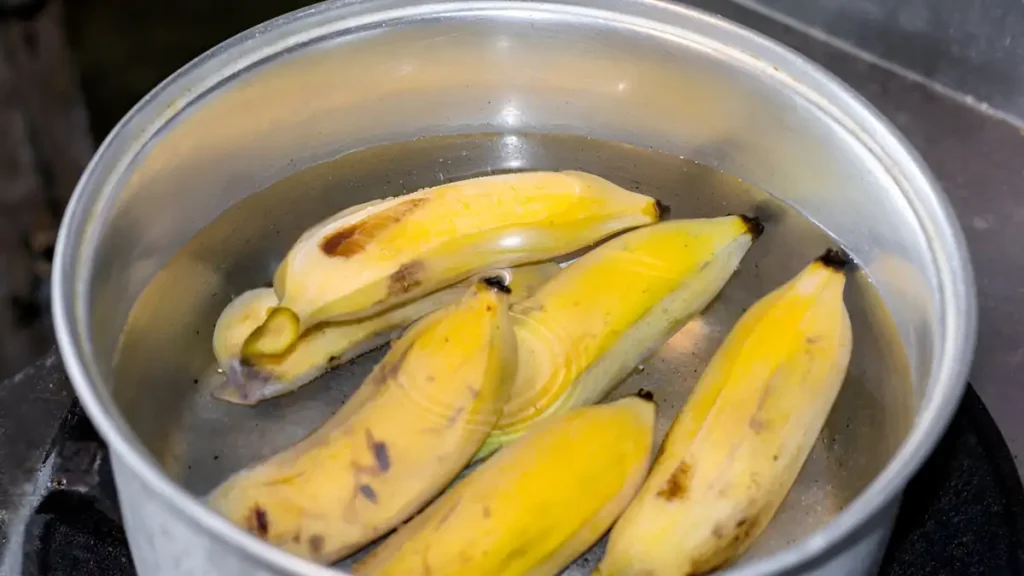
Homemade flower fertilizer is a natural and inexpensive approach to nourishing plants. Banana peels provide potassium, coffee grounds include nitrogen, and eggshells contain calcium. Compost tea and diluted fish tank water both contain critical nutrients. A simple DIY combination can be produced by combining vegetable scraps, Epsom salt, and molasses for a balanced boost. Organic fertilizers create vigorous, vivid blooms while reducing the need for harsh chemicals. Always use in moderation to avoid nutrient imbalances.

Sprinkle a little amount of homemade fertilizer around the base of your plants and then water them.

Flowers demand different nutrients. Here are some of the most effective fertilizers for popular flowering plants:

1. Rose flower fertilizer

Roses require high phosphorus fertilizers for strong blooms, such as Espoma Rose-Tone (4-3-2) and Miracle-Gro Rose Plant Food (18-24-16), for steady sustenance and increased bloom development.

2. Orchid flower fertilizer

Orchid growth is enhanced by using essential micronutrients and balanced fertilizers like Better-Gro Orchid Plus and MSU Orchid Fertilizer for strong roots and vibrant blooms.

3. Lilies

Lilies require potassium-rich fertilizers like Bulb-Tone and Joe’s Organics Bulb Fertilizer for robust stems and abundant blooms, with slow release and deep root development.

4. Petunias

Petunias require high phosphorus fertilizers like Miracle-Gro Bloom Booster (15-30-15) and Jack’s Classic Petunia Feed (20-6-22) for continued blooming.

Choosing the best flower fertilizer leads to larger, brighter flowers and healthier plants. Whether you prefer organic or inorganic fertilizers, using proper fertilization practices will increase bloom production and durability. Your garden will bloom with magnificent, bright blossoms all season if the appropriate nutrients are applied at the right time.

Certainly! If you’d like to learn more, please consider following our WhatsApp Channel, Facebook, Instagram, YouTube, Twitter, and Pinterest.

Q1: What is the best natural fertilizer for flowers?

A1: The finest natural fertilizers for flowers are compost, which nourishes the soil with organic content, and banana peels, which give potassium for vigorous blooms. Other excellent choices are fish emulsion for balanced nutrition and Epsom salt to increase magnesium, which improves floral color and growth.

Q2: What is the best fertilizer for the flowering stage?

A2: To stimulate strong flowers throughout the flowering stage, use a phosphorus-rich fertilizer, such as a 5-10-5 or 10-30-10 combination. Organic solutions such as bone meal and banana peel tea promote good flower development organically.

Gardening is a popular pastime, providing beauty, pleasure, and even sustenance. Gardens are frequently regarded as places of beauty and tranquillity, yet lurking among the brilliant flowers and lush vegetation may lie lethal hazards. Some of the most poisonous plants are commonly found in home gardens, endangering children, pets, and even people. Ingesting some of these plants can result in serious allergic reactions, poisoning, or even death. In this detailed guide, we will look at the most dangerous poisonous plants you may inadvertently have in your garden, their harmful consequences, and how to protect yourself and your loved ones.

1. Oleander (Nerium oleander) – A silent killer

This tall shrub’s lengthy, leathery leaves grow in three clusters. Bright clusters of blooms, ranging in color from pink and red to white, blossom at the tips of branches. It is among the most poisonous plants on the planet, nevertheless. Every part of the plant contains cardiac glycosides, which can lead to severe heart abnormalities, nausea, vomiting, and even death. These include the flowers, leaves, stems, and even the smoke from burning the plant.

Avoid burning oleander branches as smoke can be poisonous. Keep children and dogs away from the plant and wear safety gear when working with or trimming it.

2. Deadly nightshade (Atropa belladonna) – A deceptive beauty

This plant, also referred to as belladonna, is notoriously toxic. The berries and foliage contain atropine and scopolamine, which have been utilized historically for both medical and cosmetic purposes. indications of poisoning, including dilated pupils, hallucinations, convulsions, fast heartbeat, and death, in all parts, but particularly in the berries and roots.

Belladonna should not be planted in home gardens, children should be educated about the risks involved and gloves should be worn when working with potentially toxic plants.

3. Rhododendron and azalea – Beautiful but deadly

In the first century BCE, Roman soldiers were ill after consuming “mad honey” prepared from azalea flowers. According to historians, it was given to them by their Turkish adversaries to make them weaker before combat. It succeeded: the Romans were defeated. Grayanotoxins, found in these well-known blooming bushes, can cause major health issues if ingested. Although you would have to consume a lot of them, these plants’ leaves, nectar, and blooms can also be poisonous. It irritates your mouth and may cause you to feel so sick that you throw up. Children might ingest the nectar because they think it’s honeysuckle.

4. Daffodil (Narcissus) – A hidden garden threat

Although daffodils are a sign of spring, the powerful alkaloid lycorine, which can cause serious poisoning, is found in their bulbs. Bulbs Poisoning symptoms include unconsciousness, convulsions, vomiting, and stomach pain. Keep bulbs away from food items, keep an eye on kids near planted daffodils, and prevent ingestion at all costs to ensure safety.

5. Poison hemlock (Conium maculatum) – The plant that killed socrates

This plant, resembling a wild carrot or large parsley, has unique leaves and tiny white blooms. However, if it grows large, has ridged fruit, or has purple patches, it may be poisonous. Consumption can poison humans and animals, and skin absorption can cause illness.

Socrates died by the same poison. Coniine, which is found in hemlock, paralyzes the neurological system and causes asphyxiation. Don’t confuse this plant for parsley, put on gloves, take it out of your garden right away, and get medical help right away if you do.

6. Foxglove (Digitalis purpurea) – The beauty that kills

In the United States, people grow it for its appearance. In certain locations, it also flourishes in the wild. Its bell-shaped flowers can be white, yellow, or pink, but they are typically vibrant purple. In the spring, it blooms. Additionally, it contains a fruit with a lot of seeds that children occasionally consume. Nevertheless, it contains digitalis, a substance that is used in heart medications but is quite harmful if taken in excess. The entire bloom might slow or disturb your heart and is poisonous.

Foxglove should not be planted in children’s play areas, and after handling, handwash thoroughly. Inform family members of its risks.

7. Monkshood (Aconitum) – The queen of poisons

This gorgeous purple flower, also referred to as the “queen of poisons” or “wolf’s bane,” contains aconitine, a potent neurotoxin that damages the heart and neurological system. Every component, but particularly the root poisoning symptoms includes heart arrest, respiratory paralysis, tingling, and numbness.

To ensure safety, use gloves when working with this plant, avoid eating it, and seek medical attention immediately if exposed.

8. Lily of the Valley (Convallaria majalis) – Sweet-scented but lethal

A popular garden favorite, this delicate, aromatic plant is among the most hazardous for kids and dogs because of the cardiac glycosides found in its leaves and blooms. Toxic components found in leaves, flowers, and berries can result in symptoms like unconsciousness, seizures, reduced heart rate, nausea, and vomiting.

Plant in safe areas away from children and dogs, seek medical help if consumed, and avoid using it in flower arrangements for food-related occasions.

While a garden adds beauty to any home, it is critical to identify and eliminate harmful poisonous plants that may represent a threat. Always investigate plants before incorporating them into your landscaping, and educate family members about plant toxicity. By being aware, you may enjoy a safe and beautiful garden free of hidden threats.

Certainly! If you’d like to learn more, please consider following our WhatsApp Channel, Facebook, Instagram, YouTube, Twitter, and Pinterest.

Q1: Which plant is poisonous to humans?

A1: Many plants are hazardous to humans, including the deadly nightshade (Atropa belladonna), which contains toxic alkaloids that can induce paralysis and death, and oleander (Nerium oleander), which contains lethal cardiac glycosides if consumed.

Q2: How to identify poison plants?

A2: Poisonous plants often display warning signs like colorful berries, milky sap, pungent scents, or odd leaf forms, but identification depends on species. Seek advice from a reputable field guide.

Starting a flower garden is a terrific way to add beauty to the outside of your home, establish a floral company, or find a new pastime. If you’re new to gardening, you might wonder how to start. Some inventive flower garden ideas may help you add seasonal color to your landscape whether planting in raised beds, pots, or the ground, choosing the proper flowers for your area is crucial. A well-designed flower garden never gets dull for experienced gardeners and always inspires novices to get their hands dirty.

Creating a beautiful flower garden is one of the most satisfying ways to enhance your outdoor environment’s beauty, color, and life. A well-planned flower garden not only improves the appearance of your home, but also provides a habitat for pollinators, birds, and your peace of mind. Below are some of the best flower garden ideas to help you construct a colorful and pleasant landscape.

1. Ideal location for a flower garden

A flower garden thrives in sunlight-rich, well-drained soil with wind protection, and at least six hours of direct sunlight daily. Some require partial shade, and the soil should be water-resistant to prevent root system damage.

Position the garden near water, away from high traffic or pets for easy upkeep and vibrant blooms. Use a fence or hedge for wind protection and healthy growth.

2. Which season is best for starting a flower garden?

The best time to plant a flower garden depends on the type of flowers you want to cultivate, although spring is generally great. Spring is ideal for cool-season flowers like pansies and snapdragons, while warm-season flowers like zinnias and marigolds can be planted later. Fall is also a good time to start a garden with perennials and bulbs, allowing them to settle before spring blossoming.

Choose between sowing spring and summer bulbs or seeds, annual or perennial. Perennial flowers can survive for two or more years, while yearly flowers bloom and die in one year. Spring and summer bulbs only last for their season. Let’s examine the suggested planting time for these different flowers in greater detail:

Perennial seeds require colder weather for growth, typically planted indoors six to 10 weeks before the last frost and outdoors one to two weeks after.

Annual seeds are quick growers, typically planted indoors three to eight weeks before the last frost and outdoors on the day of the last frost.

Spring bulbs, like daffodils and tulips, bloom from early spring to early summer and should be planted in the fall. Summer bulbs, like dahlias and cannas, bloom in early summer and last until early fall.

Summer bulbs bloom from early summer until early autumn, similar to cannas and dahlias, and should be planted a few weeks after the last frost in spring.

3. Which flowers are best for your flower garden?

Choose plants that thrive in your local climate and hardiness zone, such as tulips that thrive in cool temperatures and hibiscus that prefer tropical warmth.

Choose a mix of flowers blooming in different seasons, such as daffodils in spring, marigolds in summer, and chrysanthemums in fall, for year-round color.

Determine the sunlight requirements for your garden, as sunflowers and zinnias thrive in sunny environments, while impatiens and ferns thrive in shade.

1. Experiment with vertical gardening

If you’re short on space, vertical gardening ideas can help you maximize what you have. Morning glories, clematis, and jasmine are climbing flowers that can be grown in trellises, arbors, or wall-mounted pots. Your garden gains depth and dimension with these structures.

2. Inspiration from themed gardens

Create a garden with a specific theme, such as Cottage Gardens featuring various flowers like delphiniums, foxgloves, and roses, Mediterranean gardens featuring drought-tolerant plants like olive trees and lavender, or Wildflower Gardens featuring indigenous plants.

3. Choose perennial flowers

Perennials, such as peonies, hostas, and daffodils, are low-maintenance, inexpensive flowers that return year after year. They are popular for their fragrant blooms, eye-catching leaves, and adaptability.

4. Garden designs in the cottage style

Cottage-style flower gardens feature a variety of blooms, such as roses, foxgloves, delphiniums, and hollyhocks, in an organic, unstructured arrangement. The aim is to create a layered look with different heights, textures, and colors. The aesthetic is enhanced by pathways, climbing plants, and rustic features like stone borders or picket fences.

5. Add edible flowers

Create an aesthetically pleasing and useful garden with edible flowers like calendulas, violets, and nasturtiums, which can be used in salads, desserts, and drinks.

Create a vibrant flower garden in your outdoor space by carefully selecting plants, organizing layouts, and adding special elements. With imagination and consistent care, your garden will be a delightful delight for years to come.

Certainly! If you’d like to learn more, please consider following our WhatsApp Channel: Harvest Gardening

Q1: What is the easiest flower to grow in a garden?

A1: One of the simplest flowers to cultivate in a garden is the marigold, which thrives in a variety of soil types and needs little maintenance. They are great for novices and bloom brilliantly all season long.

Q2: What soil is best for growing flowers?

A2: Well-draining, nutrient-rich loam soil with a pH of 6.0 to 7.0 is ideal for flower cultivation. For the best growth, adding organic matter, such as compost, can enhance the fertility and structure of the soil.

Azaleas are valued for their brilliant blooms and rich foliage, making them a favorite choice among gardeners. Proper trimming is critical for maintaining their health, promoting development, and producing a stunning display of flowers year after year. In this article, we present complete advice on when and how to prune azaleas for best results, even if you are a newbie.

Pruning azaleas can enhance their appearance, promote healthy growth, and increase flower production. Techniques include removing diseased or damaged branches, maintaining the plant’s size and form, making targeted cuts for air circulation, and, if necessary, revitalizing overgrown plants.

Pruning azaleas can be a simple yet effective method to remove diseased, dead, crossing, and damaged branches, or rejuvenation pruning if an established plant is struggling.

Pruning is a crucial process that promotes healthy growth by removing dead or unhealthy branches, allowing plants to focus on healthy sections. It also encourages more blooms by increasing light penetration and air circulation, while preserving size and shape in azaleas.

Azaleas should be pruned within three weeks of blooming, as waiting until mid-July may remove flower buds and reduce floral show the following year, as the buds for the following year form in the summer before blossoming.

In late summer or fall, avoid pruning any azaleas. It promotes delicate new growth that winter conditions can easily harm.

When pruning azaleas, there are a few exceptions. If you see a branch that is broken or sick, cut it off at any time of the year, leaving a cut slightly above another branch, leaf, or leaf bud. This stops the spread of illness and aids in the plant’s recovery. Any sick plant material should be disposed of in the trash rather than in your compost pile.

Evergreen azaleas don’t require pruning after flowering, as they don’t require pruning. To prune tall shoots, reach deep inside the plant and pull them out.

The purpose of pruning azaleas is to enhance their beauty and promote healthy growth. To do this, determine the type of azalea (deciduous or evergreen) and adjust the pruning strategy accordingly. Use clean, sharp shears to avoid damage and disease spread, and bypass pruners for accurate cuts.

  • Start by checking for diseased, dead, or damaged branches on your azalea. You can concentrate your efforts where they are most required by identifying these areas.
  • Any dead or diseased branches should be clipped off at the base with pruning shears. Cut cleanly to stop additional harm.
  • Cut off branches that go beyond the plant’s intended shape. Make a cut directly above a leaf node to encourage new development. 
  • To increase light penetration and ventilation, prune overloaded branches. Pay attention to branches that are developing inward or crossing.
  • To reroute energy to the main branches, remove any suckers or shoots that are emerging from the plant’s base.

It is no need to be afraid to prune azaleas. You can maintain your plants healthy, shaped, and blooming with the correct time, equipment, and methods. Season after season, your azaleas will repay you with a breathtaking show of color if you follow this easy-to-follow plan.

Certainly! If you’d like to learn more, please consider following our WhatsApp Channel: Harvest Gardening

Q1: What month do you prune azaleas?

A1: In most areas, the best time of year to prune azaleas is between May and July, though this will vary according on your location and environment. To prevent cutting off the flower buds for the following year, always prune soon after the blossoms fade.

Q2: How to prune azaleas in pots?

A2: Pruning potted azaleas involves cutting off any dead or lanky branches with clean, sharp shears and shaping the plant as soon as it has finished blooming. Steer clear of excessive pruning and concentrate on preserving ventilation and a pleasing shape.

Q3: What is the best tool for pruning azaleas?

A3: For accurate cuts on short branches, a pair of clean, sharp bypass pruners is the ideal instrument for azalea trimming. To prevent harming the plant, use pruning shears or loppers for thicker stems.

Q4: How to fertilize azaleas?

A4: In early spring and late summer, fertilize azaleas with a plant fertilizer that prefers acid, spreading it evenly around the base without getting any fertilizer on the roots. After fertilizing, thoroughly water the soil to aid in the absorption of nutrients.

One of the most popular blooming shrubs, azaleas add vivid blooms and luxuriant foliage to gardens. Since azaleas are easy to grow, a nutritional or environmental imbalance is nearly always the cause of poor performance from these shrubs, which are prized for their early, eye-catching blooms. Even though store-bought fertilizer isn’t always necessary for azaleas to produce stunning flowers, selecting the correct fertilizer and applying it at the right time and method will help these vibrant shrubs grow to their full potential.

However, to maintain their finest appearance throughout the year, appropriate fertilization is necessary. The difference between an azalea that thrives and one that struggles to bloom can be determined by knowing when and how to fertilize azaleas plant. This thorough guide will assist you in scheduling your endeavors to achieve optimal appearance.

Azaleas flourish in acidic, well-drained soil with balanced nutrients. They require focused feeding at the appropriate intervals, as excessive fertilization might harm the plant. Nitrogen is essential for leaf growth, phosphorus for root development and flower output, and potassium for vigor and stress resistance.

Knowing when to fertilize azaleas will help them grow to their full potential.

Best time to fertilize azaleas

1. Early spring (Before bud break)

Azaleas require nutrient increase during dormancy to sustain growth and bloom. Fertilize before buds open and as soon as they expand using a slow-release acid fertilizer, ensuring moist soil to prevent root burn.

2. Post-bloom (Late spring to early summer)

After blooming, Azaleas need to restore their nutritional stores by using balanced fertilizers to encourage root and leaf growth but avoid high-nitrogen fertilizers as they may cause buds to form later in the season.

3. Late summer to early fall (Optional)

Fertilize azaleas in late summer to alleviate stress and nutritional shortage symptoms, and avoid encouraging new growth that may not harden off before winter, avoiding stunted development.

There are granular, liquid, and spike forms of both organic and inorganic fertilizers designed especially for azaleas and other acid-loving plants.

Best inorganic fertilizer for azaleas

Choose an acid-forming product specifically labeled for azaleas, camellias, and rhododendrons with an NPK of 10-5-4 or 10-6-8, as the right balance may be included in certain fertilizers.

Excessive use of inorganic fertilizer can reduce the natural soil fungus that promotes nutrient uptake, leading to plant reliance on additional feeding. Azaleas require nitrogen for foliage, but excessive use can burn roots and build up salts.

Organic fertilizer for azaleas

Organic fertilizers like compost, cottonseed meal, coffee grounds, and fish emulsion are beneficial for azaleas, promoting healthy development and blooms. Pine needle mulch also helps retain moisture and suppress weed growth, while slowly releasing nutrients for long-term plant health.

Organic fertilizer with a balanced NPK ratio is recommended for yearly spring-feeding azaleas, hollies, and evergreen shrubs, specifically 4-3-4.

  • Select the Proper Fertilizer Choose a fertilizer made for plants that prefer acid. To maintain soil acidity and vital nutrients in proper quantities, these blends usually incorporate iron or sulfur.
  • Apply at the Base Avoid getting the fertilizer in direct touch with the stem by distributing it evenly around the base of the plant. Pay attention to the drip line where nutrients are actively absorbed by the roots.
  • Thoroughly water To aid nutrients in penetrating the soil and reaching the roots, properly water the area after fertilizer application.
  • Don’t Fertilize Too Much Excessive fertilization may cause the soil to become salted, which could be detrimental to the plant. Never deviate from the fertilizer’s recommended dosage as stated in the container.

Fertilize azaleas at the proper time and with the right methods is essential for anybody hoping to create gardens that exude beauty. Your azaleas will reward you with colorful flowers year after year if you follow the instructions provided here.

Certainly! If you’d like to learn more, please consider following our WhatsApp Channel: Harvest Gardening

Q1: What are the benefits of fertilizing azaleas?

A1: Azaleas benefit from fertilization because it supplies vital nutrients that support robust root systems, colorful flowers, and healthy growth. Additionally, it strengthens the plant’s defenses against environmental stress, illnesses, and pests.

Q2: What is the best fertilizer for azaleas?

A2: An acid-forming, slow-release fertilizer with balanced nutrients—like a 10-10-10 or 12-6-6 formulation—is the ideal fertilizer for azaleas. To maintain the pH of the soil and promote ideal growth, look for fertilizers that are specially labeled for plants that prefer acid.

Q3: How to make homemade fertilizer for azaleas?

A3: Compost coffee grounds, bone meal, and cottonseed meal—which supply nitrogen, phosphorus, and acidity—can be combined to create a DIY fertilizer for azaleas. To improve the soil and encourage strong development, spread this mixture around the plant’s base.

Taking care of a garden can provide us with joy, serenity, and pride. Furthermore, flowers and lush vegetation may instantly liven up your outdoor area. You can choose tropical plants, evergreen shrubs, or perennial flowers that require even less care, or you can choose easy-to-grow fruits, veggies, and herbs that can be collected throughout the busiest time of year. In any case, we’ve compiled a list of adorable small garden ideas that use raised garden beds called square-foot gardens and unusual vertical gardens as decor.

A journey of creativity, self-expression, and connection to nature, gardening is more than just a pastime. There’s always space for creativity and experimentation, regardless of your level of experience. These 6 creative gardening ideas will enhance your outside spaces with beauty, productivity, and delight, and they are suitable for all skill levels.

1. Vertical gardening for small spaces

Because plants in vertical gardens grow upright rather than spreading to the right or left, they save a significant amount of area. Attaching plant containers to a wall is an easy technique to create a vertical garden. Depending on the available area and whether the wall is in a living room, a balcony, a terrace, or outside, the vertical garden ideas will change. To guarantee enough sunshine, the vertical balcony garden should ideally be outside or close to a window. More sunlight is required for fruits and flowering plants. For these plants, make a potting mix with compost and coco peat. Compared to soil, these substances are lighter.

Vertical gardening, using trestles, hanging planters, and ladders, is perfect for limited space but high expectations. It’s ideal for herbs, vine crops, and flowers. A living wall, filled with soil and plants, creates a beautiful green backdrop while maximizing space.

2. Gardening ideas for containers

Container gardening offers versatility and creativity by using unconventional containers like old teapots, boots, or broken furniture, and selecting plants that fit the container’s size and depth, like succulents, dwarf tomatoes, or marigolds.

There are many different shapes, sizes, colors, and materials for pots and planters. For landscape symmetry, arrange them in rows on walkways, with drainage holes at the bottom. Terracotta pots are ideal for vegetables as they allow oxygen to access roots. Choose stands that can accommodate two or three pots if space is a concern.

3. Themed garden ideas with a personal touch

Themed gardens allow you to create a unique place that reflects your interests. For foodies, a pizza garden with oregano, basil, tomatoes, and peppers can be a treat. Butterfly or pollinator gardens, which include plants like milkweed and lavender, bring nature’s beauty into your backyard. Fairy gardens, with small plants and quirky décor, attract both youngsters and adults. Investigate plant compatibility to produce a successful themed garden.

4. DIY hydroponics for a modern edge

Hydroponics, for tech-savvy gardeners, provides a soilless technique of plant growth. You can create a basic DIY system with PVC pipes or buy ready-made kits. Hydroponic systems are efficient and sustainable, making them excellent for growing lettuce, spinach, and herbs both indoors and outdoors. Use nutrient-rich liquids and check pH levels regularly to ensure healthy growth.

5. Wildlife-friendly gardening: support local ecosystems

A wild garden is a naturalistic space where plants grow naturally, promoting biodiversity and showcasing local species, aiming to replicate nature while maintaining a relaxed appearance.

Wildlife-friendly gardening fosters local wildlife and enhances natural beauty by planting native flowers, trees, and bushes, attracting birds, bees, and butterflies, and incorporating items like birdbaths, bee hotels, and ponds.

Avoid pesticides to protect beneficial insects and promote biodiversity in your garden. Allow wild growth to attract pollinators and other creatures, building a healthy ecosystem that benefits both your garden and the environment.

Native species, wildflowers, and hardy perennials are ideal for a wild garden since they flourish in the local environment and contribute to biodiversity. Daisies, foxgloves, lavender, grasses, milkweed, and yarrow are some examples of pollinator-friendly plants.

6. Gardening ideas with repurposed materials

Repurposing materials like old tires and plastic bottles can enhance your garden and reduce waste, making it a creative and environmentally responsible way to enhance your space. Plastic bottles can be used as pesticide sprayers, bird feeders, and egg cartons for growing microgreens.

Old wooden ladders can be painted and used for plant storage, while used tires can be turned into tiny garden stools. Wooden pallets can be transformed into vertical gardens, and broken furniture can be turned into unique plant supports. Recycling materials adds sustainability and uniqueness.

Gardening is a never-ending journey where creativity and nature intersect. Whether you’re creating a vertical paradise, converting your yard with recycled decor, or nurturing a peaceful night garden, there’s always a way to make your place your own. By implementing these unique gardening ideas, you can transform your garden into a personal refuge that represents your taste and fosters your connection to nature. Remember that the best gardens produce not just plants, but also happiness and inspiration. 

Certainly! If you’d like to learn more, please consider following our WhatsApp Channel: Harvest Gardening

Q1: What are low-maintenance gardening ideas for busy homeowners?

A1: Low-maintenance gardening techniques involve growing drought-tolerant plants, using mulch to control weeds, selecting perennials that require less replanting, and implementing automatic watering.

Q2: How do I start a kitchen garden?

A2: Start a kitchen garden by planting easy-to-grow herbs like basil, mint, or parsley in sunny areas, using containers with good drainage and providing ample water and sunshine.

Winter is a time when many gardeners long for spring. There are still many ways to keep your green thumbs occupied throughout the winter, though, if you want to start working on your spring garden or use nature-themed crafts to express your creativity. 

Searching for winter garden ideas to add a lovely touch to your backyard despite the gloomy weather? It’s important to know that winter garden ideas can be just as fashionable, architectural, and bright as summer garden ideas. A garden doesn’t have to be drab and lifeless throughout the winter. With careful preparation and imaginative accents, your outdoor area can be transformed into a lovely, welcoming retreat throughout the year. To turn your location into a winter wonderland, try these 10 gorgeous winter garden ideas.

1. Evergreen foundation

Evergreens provide your garden structure and color all year long. Include plants like boxwood, juniper, and holly to keep your garden looking lush and healthy even during the coldest months. Use these plants to make hedges, topiaries, or decorative elements.

2. Seasonal blooms

Incorporate winter-flowering plants into your landscape to add vibrancy and color. Favorites like witch hazel, hellebores, and winter jasmine grow despite the cold, bringing visual interest and a hint of magic. These are the loveliest winter flowers.

3. Frosted beauty with ornamental Grasses

There are many different types of ornamental grasses, and if you learn how to grow them well, you’ll also find that they make great winter garden ideas because they keep their shape and shine when frozen. Snowfall should be removed as soon as possible since it might bend and break their stems, however they will swiftly recover in the spring.

4. Bird-friendly features

Winter is a challenging season for birds, so consider providing feeders, birdbaths, and nesting boxes. Winter garden ideas include bird homes and feeders, placed in areas where birds are unlikely to be preyed upon, benefiting local animals and adding excitement to your yard.

5. Winter containers and planters

Fill frost-resistant containers with hardy plants such as pansies, ornamental cabbages, and evergreen shrubs. Place them near entrances or along pathways to create a pleasant atmosphere.

6. Winter vegetable garden

If you wish to garden with winter vegetables, don’t allow the season to keep you from growing your food. Kale, Brussels sprouts, and winter lettuce flourish in cold weather. To lengthen your growing season, consider using raised beds or cold frames.

An indoor winter garden adds greenery and warmth to your house during colder months. Utilize vertical planters or shelving, grow tough herbs like rosemary and thyme, and low-light plants like pothos and ferns. Use small potted evergreens or succulents for texture. Add grow lights for plant growth. Place the garden near a seating area and decorate it with string lights or candles.

Creating a gorgeous winter garden is all about embracing the season’s distinct characteristics. These six greatest winter garden ideas can help you construct a lovely winter garden. With a combination of evergreen framework, seasonal accents, and smart design, your outdoor space can serve as a year-round oasis. Begin planning now, and by winter, your garden will be a stunning refuge. 

Certainly! If you’d like to learn more, please consider following our WhatsApp Channel: Harvest Gardening

Q1: What are the best plants for a winter garden in South Africa?

A1: Indigenous species such as aloes, proteas, and ericas are ideal for a winter garden in South Africa since they flourish in the colder months and attract wildlife.

Q2: What lighting options can enhance a winter garden?

A2: To create a warm and inviting atmosphere during the dark winter months, consider using LED pathway lights, string lights, tree uplighting, and solar-powered garden lights.

Q3: What are some tips for maintaining a winter garden?

A3: Tips for winter gardening include mulching plants, watering sparingly but frequently, trimming dormant plants, and ensuring appropriate drainage to avoid frost damage.

Soil is a natural resource of humus, organic and inorganic particles, and broken-down rock. On average, rocks take at least 500 years to turn into soil. When rocks fragment into their component pieces, soil is typically created. Read our guide to learn about the different types of soil, their qualities, and their functions.

The unique characteristics of different soil types allow them to be used for various purposes. The primary forms of soil will be covered.

Types of soil:

Loamy Soil:

  • It combines the advantageous qualities of clay, silt, and sand. Additionally, there are sufficient air spaces between the particles of this soil to hold the air that plant roots need. Loamy soil is highly prized for agricultural applications since it can support a variety of plants and crops. It has been noted to have a enough amount of humus. Consequently, loam soil is the most fertile soil and has all the nutrients needed for plant growth.

Silt Soil:

  • The soil of this kind is finer than sand. Although it has better drainage than clay soil, it is more fertile and retains water better than sandy soil. Among the three types of soil, silt soil is the most fertile. Thus, it is also applied in farming to increase the fertility of the soil. It may be harmed if worked or grazed in wet conditions. 

Clayey soil:

  • There is very little sand or silt in clayey soil, which is primarily made of clay. Clay soil is dense and sluggish to drain because its tiny particles fit together tightly. This soil is excellent at retaining water and preventing moisture and air from penetrating. The densest and heaviest soil type is clay, which is also the least conducive to drainage and the growth of plant roots.

Sandy soil:

  • The big particles in sandy soil facilitate rapid water drainage and decrease nutrient retention. Sand soil contains very little humus. With this kind of soil, drainage systems perform admirably. Rocks such as granite, limestone, and quartz typically break down or fragment to generate sandy soil. However, sandy soil quickly dries out, which is detrimental to plants. The yield of sandy soil is lower than that of other soil types.

Chalky Soil:

  • The majority of the calcium carbonate found in chalky soil is accumulated sediment. Chalky soil has the disadvantages of being alkaline and lacking in some minerals, such as manganese and iron. Increase watering and apply mulch around the plant’s crown to prevent drainage issues in this soil. In certain soils, a lack of certain minerals, such as manganese, causes the leaves to become yellow and grow more slowly. Using the right fertilizers to keep the pH balance is crucial to avoiding this. 

Peaty Soil:

  • In the realm of environmental and civil engineering, peat soil is regarded as one of the most troublesome soil types. As a result, peat soil frequently has a spongy consistency, a dark brown to black appearance, and a unique smell. Effective respiration of plant roots is made possible by the promotion of sufficient aeration. Peat soil’s non-renewable nature is a major disadvantage. Peat depletion can accelerate climate change by emitting greenhouse gases into the atmosphere.
  • A variety of religious uses exist for soil. Crops used in agriculture are grown on soil to provide food for people and animals. Numerous species, including insects, earthworms, and bacteria, live in soil, which breaks down organic materials and improves soil structure.
  • Making bricks and pottery requires the use of soil. Microbes in the soil help recycle nutrients from dead plants and animals. As water passes through layers of soil, it is naturally filtered. Plants that grow in soil can also be utilized to make construction materials, clothing, medications, and other items.
  • Carbon is stored in soil, which lowers atmospheric greenhouse gas concentrations. The soil replenishes the ecosystem with nutrients by recycling dead plants and animals. In addition to holding water and minerals, soil gives roots a place to anchor.

Overall, every type of soil offers unique benefits. To determine if a piece of land is suitable for construction or agriculture, it is crucial to know the varieties of soil. The distinct qualities of each of the soils mentioned above have an impact on plant growth potential and drainage. Learn about the many types of soil with this article. 

Certainly! If you’d like to learn more, please consider following our WhatsApp Channel: Harvest Gardening

Q1. How many types of soil are there?

A1. Soils can be classified into six primary categories: sandy, clay, silty, peaty, chalky, and loamy. Based on the ratio of sand, clay, silt, and organic materials, each variety has unique properties.

Q2. What type of soil for snake plant to be used?

A2. The ideal soil for snake plants is sandy, well-draining, and free of excess moisture. To increase drainage, it is better to add perlite or sand. 

Q3. What type of soil is generally most preferred for agriculture?

A3. In agriculture, loamy soil is normally favored because it includes critical elements such as potassium, phosphorus, and nitrogen, which are necessary for plant growth and healthy crop harvests.

Q4. What type of soil cannot be benched?

A4. The following types of soils cannot be benched: expansive, collapsible, unstable, or filled soils because of their high instability and collapse vulnerability.

Gorgeous grass improves the appearance and feel of any outside area, much like a bright green carpet. Memories are created, laughing reverberates, and relaxation takes place on a lovely lawn.  Healthy grass is aesthetically pleasing and good for the environment because it keeps the region cooler. Use our translation to get beautiful lawn ideas for landscaping.

The following advice can help you keep your lawn looking lovely.

Lawn of the pathway:

In outdoor design, pathway lawns are a lovely and useful feature. A system of walkways constructed from stepping stones, pavers, or flagstones is included in this ingenious design. 

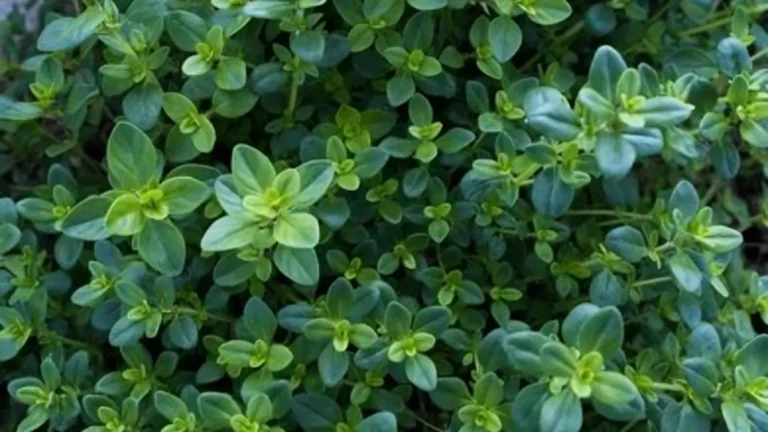
  • To create gravel or decomposed granite, you’ll need grass, thyme, brick or stone pavers, and wooden planks. A circular design can be used to connect several places. For ambiance, add lanterns or solar-powered lights.
  • Make use of organic materials such as stone, gravel, or wood. Include components such as stepping stones that are influenced by Japan. To stop erosion, make sure there is adequate drainage and choose low-maintenance materials. 

Front lawn ideas:

A walkway to the front entrance can be made using pavers or stepping stones. 

  • Gravel, brick or stone, and wildflowers can be used to create a front low-maintenance, more organic lawn path. Use perennials, like chrysanthemums in the fall and tulips in the spring, for hues that last.
  • For a more formal look, line the walkway with topiaries or ornamental pots filled with evergreens. At night, use low-voltage, gentle landscape lighting to draw attention to the foundation. 

Wildflower lawn ideas:

A wildflower lawn is a great way to add biodiversity and natural beauty to your yard. They are both environmentally friendly and incredibly gorgeous.

  • Choose native wildflower species. They tolerate dryness and require little care to develop. Popular wildflowers include sunflowers, cosmos, coneflowers, and others. Combine wildflowers and grasses to get a harmonious aesthetic.
  • Lightly fertilize and water them gently. Choose hardy perennials that need little to no annual replanting because they can reseed themselves. To keep young plants moist, cover them with a thin layer of mulch. 

Lawn ideas without grass:

A gorgeous, low-maintenance, grass-free lawn can be achieved with these inventive solutions.

  • A modern, minimalist effect can be achieved by combining pavers with gravel; decorative white or colored stones can be added. For practicality, establish a distinctive green area with artificial grass.
  • Apply bark mulch to flower beds and plants to add a natural appearance, conserve moisture, and suppress weeds. Water is saved and less upkeep is needed with this kind of lawn. enhances the quality of the air.

Lawn with herb garden:

A herb garden combined with a lawn can enhance the aesthetics and usefulness of your outdoor area. Here are some ideas for layout and pointers for this.

  • Most herbs will grow best in an area that receives at least six hours of sunlight every day; this lawn shape can be geometric. For a fertilizer source, dig at least 6 to 8 inches deep and incorporate compost into the soil.
  • Herbs like basil, parsley, mint, and rosemary are used for lawns. Select herbs that can withstand drought. To prevent harming the plants, hand-trim the area surrounding the herb garden while routinely mowing the lawn. Mulch the herb garden to keep it moist, keep weeds out, and make it look better.

Designs for lawns with moss carpet:

Installing a moss carpet on a lawn gives outdoor areas a rich, velvety, and colorful appearance while providing an ecologic option. To begin placing moss carpets on your lawn, consider these ideas. 

  • For a visually appealing and textural ground cover, experiment with different moss types, such as sphagnum or sheet moss. Choose a spot beneath trees or a side of the home that receives little direct sunlight. 
  • Lay flat stones in a pattern for moss carpet walkway designs, then let moss grow between them. To improve the natural appearance, place moss carpets around shrubs and tree bases. In its early stages, moss requires constant moisture. It will remain bright and fresh with occasional trimming.

In conclusion, a thoughtfully designed, lovely lawn design may add areas for leisure and improve the look of any outdoor area. A balanced appearance can be achieved by blending lawns with hardscapes, garden beds, or pathways. After all, a well-planned lawn can enhance your outdoor living space and be both aesthetically pleasing and long-lasting. The information listed above might assist you in replacing your home’s beautiful lawn ideas.

Certainly! If you’d like to learn more, please consider following our WhatsApp Channel: Harvest Gardening

Q1. How can I add design colors to my beautiful lawn ideas?

A1. Around lawn borders or in specific garden areas, add color by arranging seasonal flowers or a variety of foliage plants.

Q2. What are the low maintenance lawn ideas?

A2. Choose grass types resistant to drought. Ferns, moss, and shade-tolerant ground coverings like sweet woodruff are low-maintenance plants that do well in locations that receive little sunlight. Climbing Jenny are excellent substitutes for grass since they need little upkeep, including watering and mowing.

Q3. How can I keep my lawn ideas looking beautiful all year round?

A3. Water and mow your grass often, fertilize when needed, and pull weeds as soon as possible to maintain its beauty throughout the year. Select cultivars that are suited to the climate in your area.

Versatile and low-maintenance, ornamental grass gives gardens and landscapes texture, movement, and visual intrigue. We grow ornamental grasses for their structure, texture, dependability, and almost careless character. It can be thrilling and difficult to choose the perfect decorative grass for your yard because there is such a large variety of sizes, colors, and textures available. So in this comprehensive guide, we’ll examine some of the best ornamental grass species that are perfect for your landscape.

Miscanthus sinensis (Japanese silver grass)

  • 4–8 feet tall.
  • Firstly, Miscanthus adds a touch of refinement to any landscape with its gracefully arching foliage and fluffy plumes that appear in late summer and fall. Because of their compact growth habit and delicate texture, varieties such as ‘Gracillimus’ and ‘Morning Light’ are well-liked.

Pennisetum alopecuroides (Fountain Grass)

  • Height: two to four feet
  • The bottlebrush-like flowers that fountain grasses are known for appearing in the summer and last into the fall, giving the appearance of a fountain. Dwarf cultivars like “Hameln” and “Little Bunny” are perfect for little gardens or container plantings.

Carex spp. (Sedge)

  • Height: Depending on the species
  • Sedges are adaptable plants that resemble grass and can grow in a range of environments, including sun and shade as well as wet and dry soils. There is a sedge for practically any garden because to the wide variety of species and cultivars that are available, each with unique colors, textures, and growth patterns.

Stipa tenuissima (Mexican Feather Grass)

  • Height: one to three feet
  • The airy, ethereal appearance and fine, delicate foliage of Mexican feather grass make it highly valued. When planted in large quantities or utilized as a gentle backdrop for other plants, it gives movement and texture to the garden.

Calamagrostis x acutiflora (Feather Reed Grass)

  • Height: two to five feet
  • In early summer, the upright-growing plant with fluffy plumes of feather reed grasses appears, and in the fall, it turns golden. The plant itself possesses these highly valued characteristics. A well-liked cultivar called “Karl Foerster” is distinguished by its drought resistance and strong, upright form.

Hakonechloa macra (Japanese Forest Grass)

  • Height: one to two feet
  • The low-growing Japanese forest grass displays colorful, arching leaves that change from golden yellow to chartreuse, and exhibits a cascading tendency. It is ideal for giving forest gardens a burst of color and texture because it grows well in shaded spots.

Panicum virgatum (Switchgrass)

  • 3 to 6 feet in height
  • Switchgrass, native to the area, has a fine texture, upright shape, and vibrant foliage that changes from green in the fall to crimson, purple, or gold hues. Popular cultivars ‘Shenandoah’ and ‘Heavy Metal’ are highly valued for their powerful vertical lines and eye-catching foliage.

In summary, ornamental grass provides a plethora of choices to amplify the allure and variety of any garden setting. We’ve looked at some of the best options for planting through this guide; each has its special qualities, textures, and aesthetic appeal. In conclusion, You may add seasonal interest, movement, and depth to your landscape design with ornamental grasses that require little upkeep. So you can utilize these grasses as accents, borders, or focal points to create a dynamic and appealing outdoor setting.

Certainly! If you’d like to learn more, please consider following our WhatsApp Channel: Harvest Gardening

Q1: What is ornamental grass?

A1: The long, thin leaves and gracefully swinging stalks of perennial ornamental grass make it prized for its showy appearance. They enhance gardens and landscapes with texture, movement, and eye-catching detail.

Q2: When to plant ornamental grass?

A2: Typically, decorative grasses are planted in the spring, following your area’s last frost date, to give them time to form roots before the summer heat hits.

Q3: What are some popular varieties of fast-growing ornamental grass?

A3: Miscanthus sinensis (Chinese silver grass), Pennisetum alopecuroides (fountain grass), and Panicum virgatum (switchgrass) are a few common fast-growing ornamental grass species.

A great method to make the most of available space and add greenery to even the smallest spaces is through vertical gardening. Vertical gardening gives you the ability to produce lush, vivid displays without taking up valuable floor space, whether you have a tiny balcony or a large backyard. We’ll look at some imaginative and useful vertical gardening ideas in this post to help you turn your area into a lush haven.

Planters installed on walls:

Installing wall-mounted planters is one of the easiest ways to begin vertical gardening. These can be as elegant as contemporary metal grids or as simple as reused pallets. Plant a range of plants in them to give any wall texture and color, from small herbs to trailing vines.

Arbors & trellises:

Essential components of vertical gardening are trellises and arbors, which offer support for climbing plants like beans, tomatoes, and cucumbers. Use them to create living walls by placing them up against walls or fences, or you can use them to mark off distinct zones in your garden. If you want your outdoor space to have more visual appeal, go for decorative patterns.

Hanging containers:

Make use of the vertical space over your head by suspending baskets from pergolas, tree branches, or even ceilings. Fill lightweight baskets with appropriate drainage with cascading plants such as petunias, ferns, or ivy. In addition to adding visual interest, hanging baskets give your garden a sense of depth.

Hydroponic systems for vertical gardening ideas:

Vertical hydroponic systems are a practical option for urban gardeners or those with little outside area. These systems are perfect for balconies, patios, or even indoor spaces because they grow plants without soil by using water-based nutritional solutions. Grow a range of herbs, leafy greens, and strawberries in a vertical garden to get the most produce in the least amount of room. Hydroponic gardening is an effective and sustainable method of farming that has several advantages, including higher yields, less water use, and more control over the health of the plants.

To sum up, vertical gardening provides a flexible and room-saving way to grow plants in confined spaces. These vertical gardening ideas will motivate you to create a lush haven in your home. Its many advantages include optimizing green areas, improving appearance, and making upkeep simple. Adopting vertical gardening is a highly satisfying undertaking for gardeners of all skill levels because it not only adds vibrancy to environments but also encourages sustainability and builds a closer connection with nature.

Certainly! If you’d like to learn more, please consider following our WhatsApp Channel: Harvest Gardening

Q1: Can I create a DIY vertical garden?

A1: Yes, vertical gardens built at home are both common and adaptable. Online resources abound with guides and inspiration for building vertical gardens out of inexpensive or recycled materials. Just make sure your plants have enough drainage and support.

Q2: Can you share some vertical gardening ideas for small spaces?

  • Make a vertical herb garden using a hanging shoe organizer; this is ideal for tiny balconies or kitchen windows.
  • For a space-saving gardening solution, turn an old wooden pallet into a vertical planter by adding soil to each level and adding tiny flowers or succulents.