


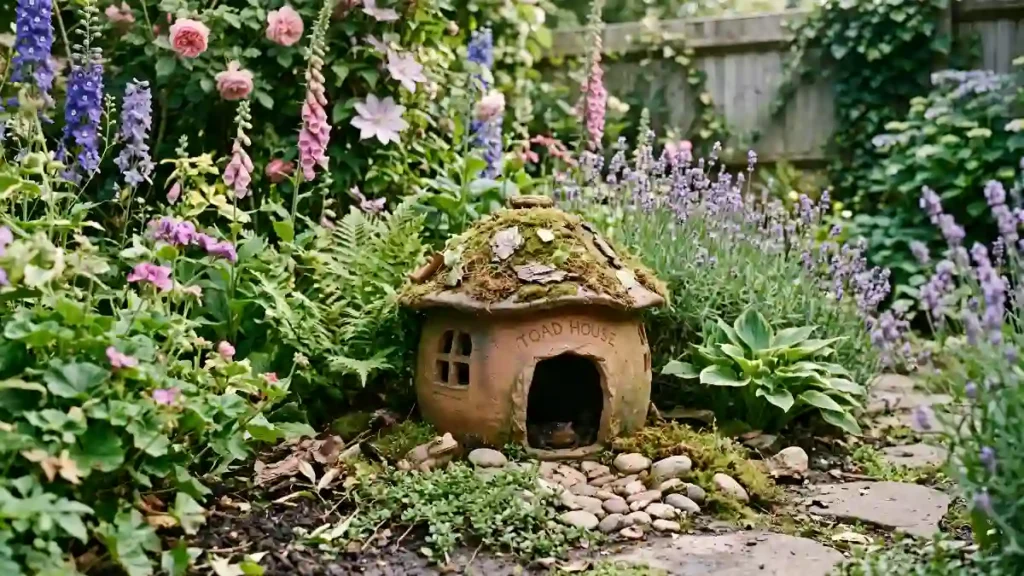
Picture this: you wake up, walk into your garden, and find zero slugs, no aphids, and barely a mosquito in sight — all without spending a penny on pesticides. Sound too good to be true? Not if you have a toad house for your garden.
Toads are one of nature’s most underrated garden allies. A single toad may consume up to 100 insects every night, including slugs, beetles, and mosquitoes – the very pests that devastate vegetation and spoil summer nights. By installing a toad home in your yard, you are effectively hiring a relentless, chemical-free pest exterminator who works the night shift for free.
This guide covers everything you need to know — from choosing the best toad house to placing it for maximum results.
What is a toad house for garden use?
A toad house (also known as a toad domicile or toad shelter) is a modest construction meant to provide garden toads with a secure, cool, and moist hiding place during the daytime. Toads are nocturnal hunters who require daytime cover from heat, predators, and dryness.
These shelters come in many forms:
- Classic ceramic or terracotta domes with an arched entrance
- Hollow log-style wooden shelters
- Decorative fairy-garden toad cottages
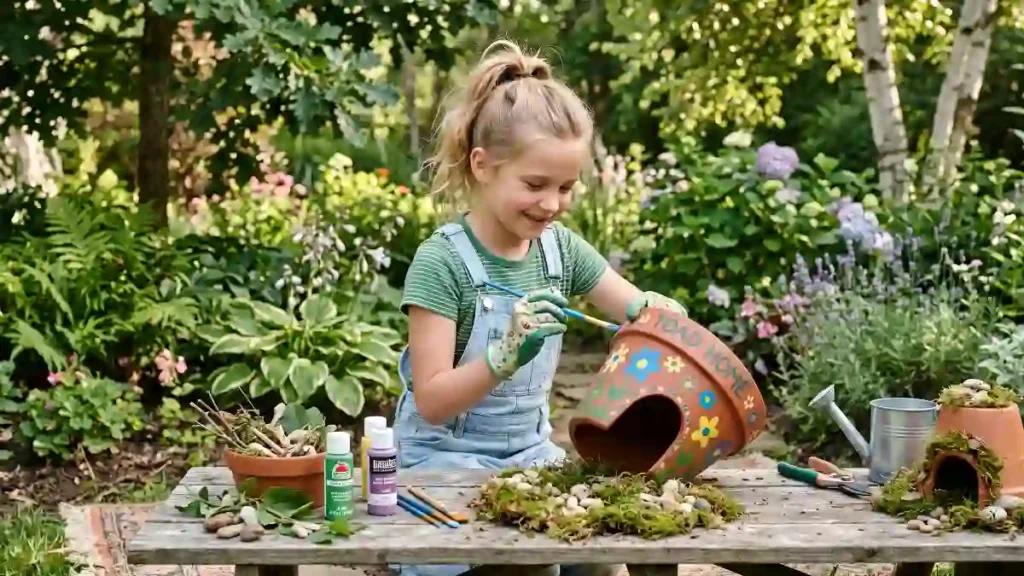
- DIY options made from broken terracotta pots or stones
Whether you choose a charming hand-painted ceramic cottage or a simple overturned clay pot, the goal is the same: create a damp, shady microhabitat that makes toads feel at home.
The surprising benefits of attracting toads to your garden
Natural pest control — Zero chemicals needed
Toads eat slugs, snails, beetles, ants, earwigs, and mosquito larvae. One toad in your yard may devour thousands of bugs per season. Thousands of insects will not consume your veggies, flowers, or plants.
Better for bees and butterflies
When you skip pesticides and let toads handle pest control, beneficial insects like bees and butterflies thrive. A toad house indirectly makes your garden a richer, more biodiverse ecosystem.
Low maintenance, high reward
Once a toad home is placed in the appropriate location, nature takes care of the rest. No batteries, no refills, and no timetable. Just a happy toad doing what they do best.
Kid-friendly wildlife gardening
A toad house is a wonderful way to introduce children to wildlife gardening. Spotting a toad peeking from its little home is a magical moment that sparks curiosity about nature.
How to choose the best toad house for your garden
Not all toad houses are created equal. Here’s what to look for:
Size and entrance hole
The opening should be at least 3-4 inches wide, allowing a toad to enter comfortably. Avoid shelters with small ornamental holes that no genuine toad could pass through.
Material matters
- Terracotta and ceramic — excellent for retaining moisture and staying cool; the classic choice
- Wood — natural-looking and durable, but ensure it’s untreated to avoid chemical exposure
- Resin or plastic — weather-resistant and often very decorative, though less breathable
Drainage
Look for a home that has a slightly higher foundation or built-in drainage. Toads like wet conditions rather than soggy ones. Instead, standing water in the shelter might attract mosquitos.
Aesthetic style
Garden toad houses range from rustic natural designs to whimsical fairy-tale cottages. Pick a style that complements your garden’s vibe — there’s genuinely something for everyone.
Where to place a toad house in your garden
Placement is everything. Even the finest toad house will sit empty if it’s in the wrong spot.
Golden rules for placement
- Shade is essential. Place the house under a shrub, near a garden wall, or beneath large-leafed plants. Direct sunlight heats the shelter and drives toads away.
- Near water if possible. Toads breed in ponds. If you have a garden pond, place the house within a few metres of it.
- Facing north or east helps keep the interior cool during hot afternoons.
- Low to the ground. Set the shelter directly on bare soil or leaf litter — toads love to burrow slightly and need ground contact.
- Away from lawn chemicals. Never place a toad house near areas treated with pesticides or lawn fertilisers. These can be toxic to toads, who absorb substances through their skin.
DIY toad house for garden: Make your own in minutes
You don’t need to spend money to attract toads. Here’s the easiest DIY toad house ever:
What you need: One medium terracotta pot, a small stone or piece of tile
How to do it:
- Take a clean terracotta pot (at least 6 inches wide).
- Chip or break a small arch at the rim — just enough for a toad to squeeze through.
- Turn it upside down in a shady, moist spot in the garden.
- Place a flat stone slightly under one edge to elevate it for ventilation.
- Optionally, bury the rim slightly in soil to stabilise it.
Done. You now have a toad house. Check back in a few days — you may find a new resident.
Toad house garden tips for long-term success
- Add leaf litter or moss inside and around the shelter for extra insulation and moisture.
- Install a shallow water dish nearby — even a buried terracotta saucer works. Toads absorb water through their skin rather than drinking.
- Avoid disturbing the shelter once toads move in. Frequent handling will cause them to relocate.
- Clean the shelter once a year in early spring before toads return from hibernation.
Conclusion:
A toad house in your garden is one of the most affordable, effective, and lovely improvements you can make to your outdoor environment. For a few pounds or dollars — or absolutely nothing if you install it yourself — you get a natural pest controller, increase your garden’s biodiversity, and add a fun little element that never gets old.
Place one today. Your plants will thank you tonight.
Certainly! If you’d like to learn more, please consider following our WhatsApp Channel, Facebook, Instagram, YouTube, Twitter, and Pinterest.
Frequently asked questions about toad house for garden
Q1: What type of toad house is best for gardens?
A1: Terracotta or unglazed ceramic toad houses are widely considered the best for maintaining natural temperature and moisture. Avoid fully glazed or plastic options if your climate is warm.
Q2: Are toads safe around children and pets?
A2: Common garden toads (such as the European common toad or American toad) secrete a mild toxin through their skin as a defence mechanism. This is generally harmless to humans with normal skin contact but can cause irritation if a pet mouths one. Always wash hands after handling toads.
Q3: Will a toad house really attract toads?
A3: Yes — but it depends on your garden’s habitat. If toads already live nearby (common in most UK and US gardens with any green space), a shaded, moist shelter placed near the ground will attract them within days to weeks.
Q4: How do I keep my toad house moist?
A4: Place it in natural shade and on bare soil. Occasionally mist the surrounding ground with plain water during dry spells. The soil itself provides most of the moisture toads need.