


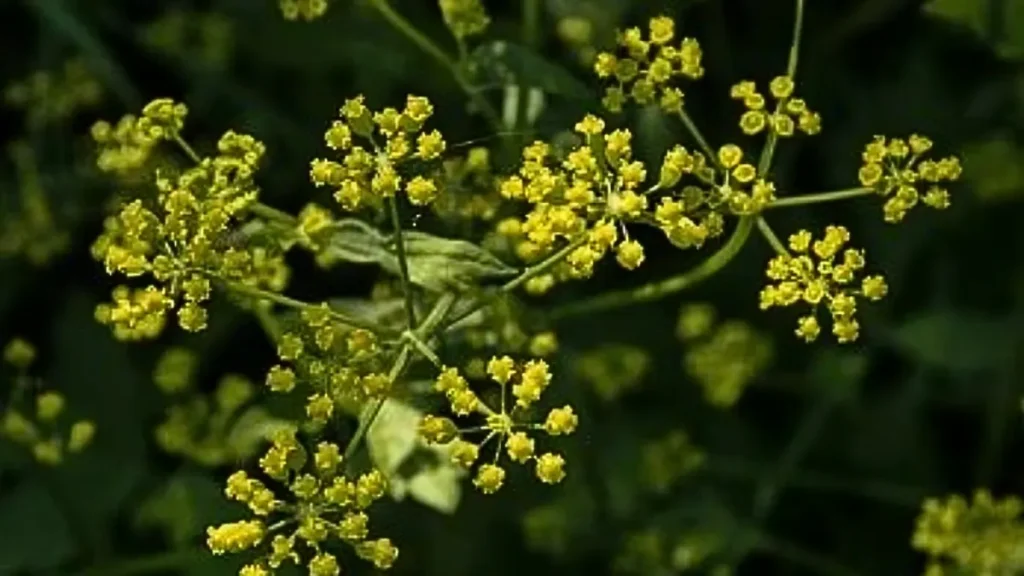
Wild parsnip, technically known as Pastinaca sativa, is a tall, yellow-flowered plant that grows along roadsides, fields, and open spaces. Although it appears innocuous at first appearance, this plant may inflict severe skin burns if handled in direct sunlight. That’s why knowing our Wild Parsnip Guide is critical for homeowners, gardeners, and land managers.
Wild parsnip, which was originally grown as a root crop in Europe, escaped domestication and spread over North America. Over time, it adapted well to disturbed soils and open terrain. Today, it is regarded as invasive in many areas.
Botanical classification
Wild parsnip, a member of the Apiaceae family that includes carrots, parsley, and celery, distinguishes itself from its edible cousins by producing deadly sap. Wild parsnip has a biannual growth cycle, hollow and grooved stems, yellow umbrella-shaped flower clusters, and a strong taproot.
History and introduction to North America
Wild parsnips were introduced to North America in the 1600s as a food crop. Unfortunately, it has expanded beyond gardens and farms. It now flourishes in sunny settings like roads, meadows, and open lots.
How to identify wild parsnip
Wild parsnip must be correctly identified because to its similarity to benign plants, with misidentification providing the danger of severe skin damage. Wild parsnip has flat-topped clusters of little yellow flowers that bloom from late spring to midsummer and are distinguished by an umbrella-like structure known as umbels. Unlike its white-flowered siblings, wild parsnip blossoms are a striking yellow.
The stem grows to a height of 2-5 feet, has vertical grooves across its surface, is hollow in nature, and may have sparse hairs.
The plant in issue has a thick root that resembles a carrot, a pale yellow interior, and a pungent stench when sliced. Its full form, which is distinguished by its height and colorful blossoms, is plainly seen during the flowering season.
Wild parsnip vs. similar plants
| Feature | Wild Parsnip | Queen Anne’s Lace | Giant Hogweed |
| Flower Color | Yellow | White | White |
| Height | 2–5 ft | 1–3 ft | 10–15 ft |
| Toxic Sap | Yes | No | Yes (Severe) |
| Stem | Grooved | Hairy | Purple blotches |
Why wild parsnip is dangerous
Wild parsnip contains furanocoumarins, which interact with sunlight and human skin, causing phytophotodermatitis. This response, which occurs when plant sap comes into contact with the skin and is then exposed to UV rays, causes symptoms including redness, burning, and blistering within 24 to 48 hours, as well as long-lasting dark spots on the skin. The delayed onset of these symptoms frequently causes people to be unaware of their exposure until hours later. Children, gardeners, and roadside workers are particularly vulnerable to this illness.

Symptoms of wild parsnip exposure
signs vary depending on the degree of exposure, but early signs include moderate redness, tingling, and small swelling.
Advanced symptoms include painful blisters, skin discolouration, peeling skin, and potential scarring. These symptoms usually appear within two days and might worsen with prolonged sun exposure.
Wild parsnip rash treatment
If you suspect contact, wash the afflicted skin promptly with soap and cold water. It is best to avoid sunlight exposure for 48 hours. Cool compresses can be used to relieve moderate discomfort, and hydrocortisone cream is advised.
Effective control tips
Managing wild parsnip requires a continuous approach. Mechanical management methods include digging first-year rosettes, clipping flower heads before they generate seeds, and ensuring that the root system is completely removed.
Chemical control through the use of selective herbicides is most successful when applied early in the target plant’s growth cycle. Adherence to label directions is critical for proper application.
Natural techniques for promoting healthy landscapes include fostering the growth of native plants, keeping dense turf grass, and mowing before flowering to encourage vigorous plant development and avoid unpleasant flowering. These practices contribute to ecosystem health and biodiversity.
Safe removal techniques stress the use of protective equipment to reduce dangers during operations. It is usually advisable to wear long sleeves, gloves, eye protection, and closed shoes to guarantee proper protection from any threats.
Conclusion
This thorough Wild Parsnip Guide has offered full information on identification, hazards, and control methods. While wild parsnip may appear appealing with its beautiful yellow blossoms, it also offers serious concerns. Fortunately, with correct education, precautions, and prompt action, you may effectively control and prevent its spread.
Maintain alertness, wear safety gear, and educate others. When handled correctly, even invasive issues such as wild parsnip may be managed safely and ethically.
Certainly! If you’d like to learn more, please consider following our WhatsApp Channel, Facebook, Instagram, YouTube, Twitter, and Pinterest.
Frequently asked questions
Q1: Can wild parsnip kill you?
A1: No, it is not generally lethal. However, it can cause severe skin damage.
Q2: What time of year is wild parsnip most dangerous?
A2: Late spring to midsummer, when sap levels are highest and flowers bloom.
Q3: Can animals eat wild parsnip?
A3: Some animals may graze on immature plants, while adult plants might be irritating.
Q4: Is wild parsnip the same as garden parsnip?
A4: They are the same plant, Pastinaca sativa, but wild versions have greater chemical responses.