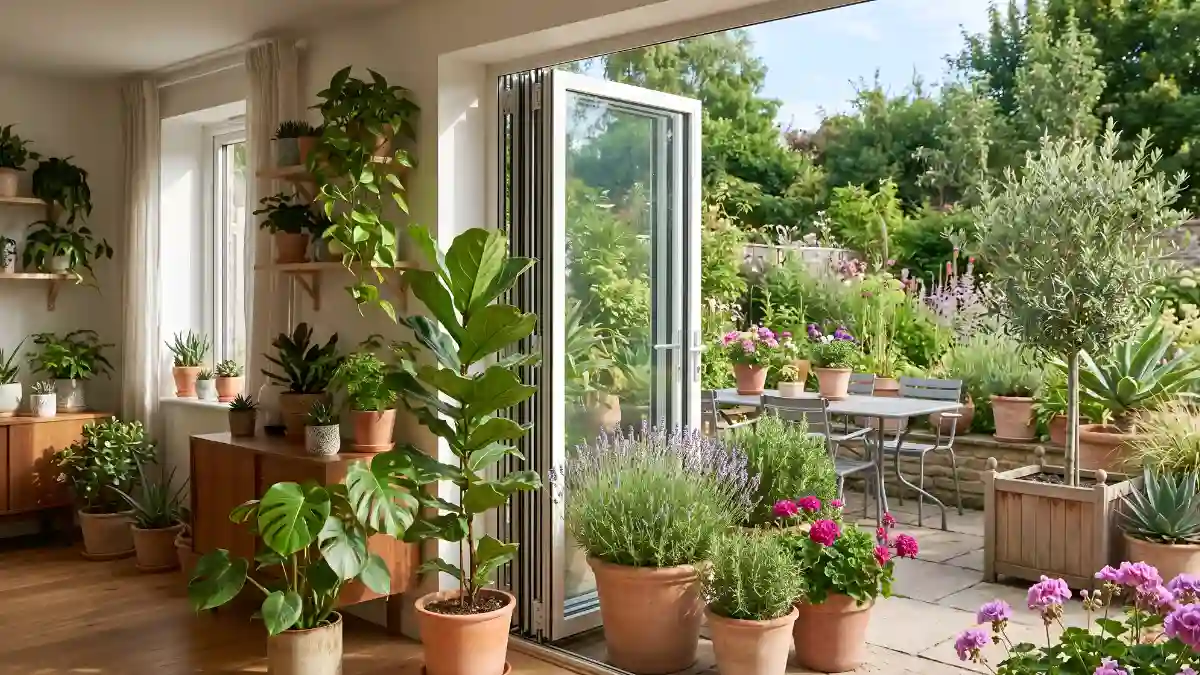
The correct container is the cornerstone of any thriving plant. Whether you’re growing tomatoes on a balcony or a sun-loving succulent on a ledge, the container you pick has a direct impact on drainage, root health, and moisture levels, ultimately determining whether your plant thrives or struggles. With so many materials, sizes, and styles available — from classic terracotta to modern self-watering planters — finding the best pots for plants can feel overwhelming. This guide cuts through the confusion and helps you make the best decision for each plant in your house or yard.
Why the pot you choose matters more than you think
Plant pots are more than simply beautiful vessels; they directly affect moisture retention, root temperature, ventilation, and drainage. An improper pot is the leading cause of root rot, slowed development, and plant mortality. Whether you’re growing herbs on a windowsill or tropical plants indoors, the container is just as crucial as the compost.
The 6 best types of pots for plants
1. Terracotta pots — The timeless classic
Terracotta’s natural porosity lets air and moisture travel through the walls, making it great for succulents, cacti, herbs, and any plant that is susceptible to root rot. The earthy red-brown tones complement both rustic and modern homes. The disadvantage is that they dry up rapidly and crack when exposed to cold, so keep them indoors throughout the winter. Ideal for succulents, cacti, Mediterranean herbs, and orchids.
2. Ceramic & glazed pots — Style meets function
Glazed ceramic pots retain moisture longer than terracotta, making them a better choice for ferns, peace lilies, and moisture-loving tropical plants. They are heavier, which provides support for tall plants, and are available in every color conceivable. Always have a drainage hole, as the glazing hinders airflow through the walls. Ideal for: ferns, calathea, and tropical houseplants.
3. Plastic pots — Lightweight & budget-friendly
Do not discard plastic pots. They are lightweight, inexpensive, keep moisture well, and range in size from tiny seedling trays to massive 50-litre containers. Modern plastic pots imitate the appearance of concrete or ceramic. They are great for plants that require frequent repotting. Recommended for: novices, seedlings, moisture-loving plants, and extensive collections on a budget.
4. Wooden planters — Outdoor champions
Wooden planters, particularly treated cedar or hardwood, provide excellent insulation for roots in both summer and winter temperatures. They’re ideal for raised garden beds, balconies, and patios. Untreated wood will deteriorate, so line the interior with landscaping fabric. Ideal for: outdoor veggies, herbs, shrubs, and raised bed gardening.
5. Self-watering pots — Perfect for busy plant parents
Self-watering pots have a reservoir beneath the growth media that draws moisture up when the plant requires it. They are a game-changer for vacationers, forgetful waterers, and drought-sensitive plants such as African violets and peace lilies. The roots get water from below, just as nature intended. Best for African violets, peace lilies, herbs, and frequent travelers.
6. Fabric grow bags — The root health revolution
Fabric pots air-prune roots; when a root hits the bag wall, it stops growing outward and redirects energy to create a denser root system. This results in far healthier, more productive plants. They are breathable, lightweight, collapsible for storage, and ideal for tomatoes, potatoes, and cannabis. Best for: veggies, fruits, aggressive growers, and tomatoes.
How to choose the right pot size
Most newbies make the mistake of thinking that bigger is always better when it comes to pot size. A large container traps additional moisture around the roots, causing rot. A pot that is too tiny inhibits development and dries up in hours. As a general rule, select a pot that is 2-5 cm wider in diameter than the plant’s existing root ball. For fast-growing plants, you may increase the size by 5-8 cm. Always repot in the spring, when growth is most robust.
Drainage: The non-negotiable feature
Every decent plant container requires drainage holes. Without them, water accumulates at the base, oxygen is lost from the soil, and roots suffocate—a condition known as anaerobic rot. If you fall in love with a pot with no drainage hole, transform it into a cache pot (a beautiful outer sleeve) with a draining inside pot. Never clog drainage holes with stones; this is an old superstition that delays drainage.
Best pots by plant type — Quick match guide
| Succulents & Cacti | Terracotta |
| Herbs | Terracotta or Wood |
| Ferns & Tropicals | Glazed Ceramic |
| Peace Lily | Self-Watering |
| Tomatoes | Fabric Grow Bag |
| Large Trees | Fibreglass or Heavy Ceramic |
Conclusion:
The best pots for plants are those that suit their watering requirements, root structure, and habitat. Terracotta remains the all-around winner for most common plants. For tropical plants, ceramic glazed pots are more visually appealing. Fabric grow bags are ideal for food gardening. Self-watering pots are the best investment for busy homes. Choose wisely, and your plants will repay you handsomely.
Certainly! If you’d like to learn more, please consider following us on WhatsApp, Facebook, Instagram, YouTube, Twitter, and Pinterest.
Frequently asked questions about the best pots for plants
Q1: What are the best pots for indoor plants?
A1: For most indoor plants, glazed ceramic or terracotta pots with drainage holes are the ideal option. Ceramic maintains moisture effectively for tropical plants, whereas terracotta is ideal for succulents and herbs. Always use a matching saucer to protect surfaces.
Q2: Are plastic pots bad for plants?
A2: No, plastic containers are ideal for many plants, particularly moisture-loving species. They’re lightweight, inexpensive, and come in a variety of sizes. The trick is to always ensure that there are appropriate drainage holes. Modern alternatives perfectly replicate the appearance of expensive materials.
Q3: How often should I repot my plant?
A3: Most houseplants benefit from repotting every 1-2 years, preferably in spring. Signs that it’s time include roots sprouting out of drainage holes, soil drying up within hours of watering, and the plant looking to be too huge for its container.
Q4: Do self-watering pots work for all plants?
A4: Self-watering containers are ideal for moisture-loving plants such as African violets, herbs, peace lilies, and vegetables. They are not suitable for succulents or cacti, which prefer to be fully dry between waterings.