


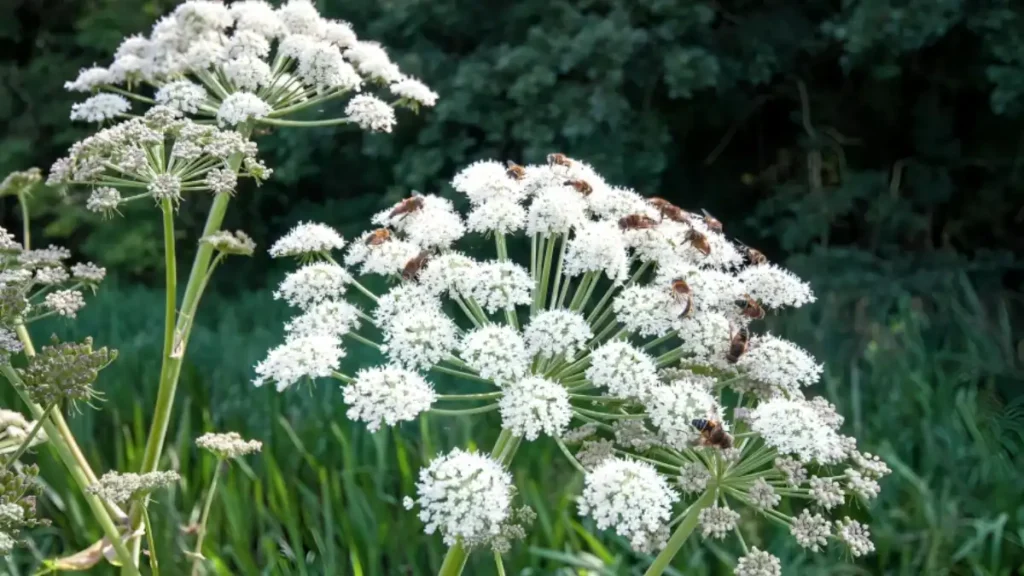
Cow Parsnip Explained begins with a fundamental understanding of this fascinating plant. Cow parsnip (Heracleum maximum) is a big, perennial plant endemic to North America. It belongs to the Apiaceae family, which includes carrots. At first view, it may appear dramatic and even threatening. However, this plant has a significant ecological significance in woods, meadows, and riverbanks.
Cow parsnip grows large, reaching 4 to 10 feet in height. Its broad leaves and big white flower clusters make it easily identifiable. While it offers many advantages, it also poses certain concerns. Gardeners, hikers, and environmental enthusiasts must all grasp cow parsnip.
In this tutorial, we’ll go over everything from identification advice to conventional applications and safety considerations. In conclusion, you will have a comprehensive and balanced perspective.
Botanical classification and taxonomy
| Kingdom | Plantae |
| Order | Apiales |
| Family | Apiaceae |
| Genus | Heracleum |
| Species | Heracleum maximum |
Key identification features of cow parsnip
| Height | Usually 5–10 feet tall. |
| Leaves | Large, palmate, deeply lobed leaves with coarse texture. |
| Stems | Green, ridged, hollow stems covered with fine hairs. |
| Flowers | Flat-topped white umbels, 8–12 inches across. |
| Habitat | Moist meadows, forest edges, riverbanks, and roadside ditches. |
Traditional and historical uses
Cow parsnip has long been utilized by indigenous tribes. While it is not commonly used in current medicine, it has had major historical applications.
Young stems and leaf stalks from certain plants are occasionally peeled and cooked, but they must be collected before becoming fibrous. Roots can also be cooked for culinary reasons, however incorrect handling may cause discomfort. Thus, preparing these substances requires meticulous knowledge and skill.
Cow parsnip has traditionally been used in medicine, particularly as a poultice to treat injuries, respiratory discomfort, and joint pain. However, it is vital to note that many applications are based on ancient knowledge, and there is a paucity of current scientific proof for their usefulness.
Is cow parsnip dangerous? understanding the risks
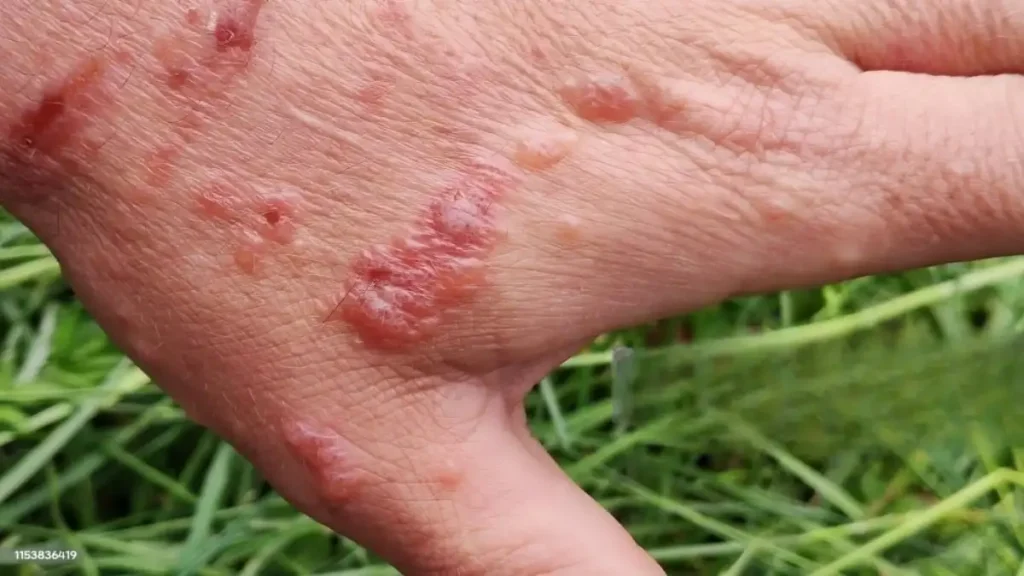
Cow parsnip contains furanocoumarins, which can cause phytophotodermatitis if its sap comes into touch with the skin and subsequently exposed to sunlight. Exposure symptoms include redness, blistering, burning, and long-lasting skin discolouration.
The intensity of cow parsnip responses is determined by the amount of sap exposed, the duration of sunlight exposure, and individual skin sensitivity. Although cow parsnip is less dangerous than gigantic hogweed, it is still vital to use caution.
How to safely handle cow parsnip
To safely handle cow parsnip, it is advised to wear long sleeves and gloves, avoid crushing stems or leaves, and wash any exposed skin immediately with soap and water. It is also critical to keep afflicted regions away from sunlight for 48 hours. Mechanical removal while wearing protective clothes is suitable for garden or landscape clearance, and herbicides can be used selectively in situations of significant infestations.
Cow parsnip vs. Giant hogweed: critical differences
One of the most critical safety considerations with Cow Parsnip Explained is identifying it from giant hogweed (Heracleum mantegazzianum).
| Feature | Cow Parsnip | Giant Hogweed |
| Height | 4–10 ft | Up to 15–20 ft |
| Stem | Green, lightly spotted | Thick, heavily purple-blotched |
| Toxicity | Mild to moderate | Severe burns possible |
| Leaf Size | Up to 2 feet | Up to 5 feet |
| Native Status | Native to North America | Invasive species |
Water Hemlock vs Cow Parsnip
| Feature | Water Hemlock | Cow Parsnip |
| Plant Height | 3–6 feet (0.9–1.8 m) | 4–10 feet (1.2–3 m) |
| Stem | Smooth, hollow, often purple streaked or spotted | Thick, hairy, green stem |
| Leaves | Finely divided, toothed leaflets | Very large, broad, deeply lobed leaves |
| Flower Type | Small white flowers in umbrella-shaped clusters | Large white flower clusters (umbrella-shaped) |
| Root System | Tubers with chambers (very toxic) | Thick taproot, not chambered |
| Toxicity Level | Extremely poisonous (one of North America’s most toxic plants) | Mildly toxic (sap can cause skin irritation) |
| Smell | Unpleasant, carrot-like odor | Mild, celery-like smell |
| Geographic Range | North America | North America |
Conclusion
Cow parsnip is a powerful native plant that is ecologically vital, visually appealing, and controllable with proper care. We can cohabit with this magnificent species with confidence if we grasp its identifying characteristics, ecological advantages, and safety measures.
Certainly! If you’d like to learn more, please consider following our WhatsApp Channel, Facebook, Instagram, YouTube, Twitter, and Pinterest.
Frequently asked questions
Q1: What should I wear when handling cow parsnip?
A1: Wear gloves, long sleeves, and safety glasses.
Q2: Where does cow parsnip typically grow?
A2: Cow parsnip thrives in damp areas such as riverbanks, meadows, woodland borders, and roadsides.
Q3: How is cow parsnip different from poison hemlock?
A3: Cow parsnip, unlike poison hemlock, has no purple-spotted stems and is less poisonous, yet its sap can still cause skin irritation.