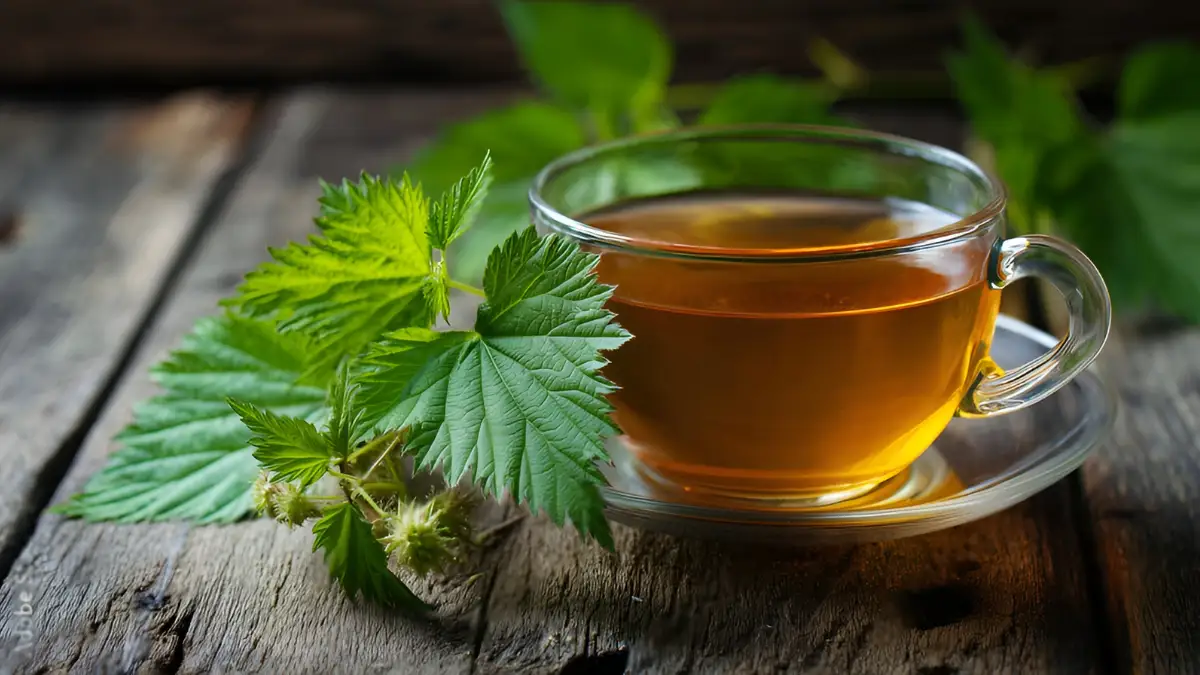
Raspberry leaf tea is a herbal infusion produced from the dried leaves of the Rubus idaeus plant, the same shrub that produces the popular red raspberry fruit. However, unlike the fruit, the leaves have been used in medicinal teas for millennia, long before store shelves existed.
Raspberry leaf tea was a go-to cure for menstrual cramps, digestive problems, and even birthing preparation among traditional herbalists throughout Europe and North America. Today, it’s one of the world’s most popular herbal teas, and current science is catching up to what generations of healers already understood.
Key nutrients found in raspberry leaf tea
What makes raspberry leaf tea different from plain hot water with flavor? It’s actually rich in bioactive compounds:
- Tannins—natural astringents having anti-inflammatory effects.
- Flavonoids—strong antioxidants that battle oxidative damage.
- Fragarine – a distinct plant alkaloid that may tone the uterus.
- Vitamin C, E, and B-complex—essential nutrients for immunity and energy
- Minerals—including magnesium, potassium, iron, and calcium.
Together, these components make raspberry leaf tea one of the most nutrient-dense herbal teas available.
Raspberry leaf tea benefits
1. Supports menstrual health
Perhaps the most well-known benefit of raspberry leaf tea is its ability to improve the menstrual cycle. The tannins and fragarine in the leaves may help relax and tone the uterine smooth muscles, thereby alleviating cramping, lowering heavy flow, and shortening the cycle time. Many women claim that drinking it daily during their cycle reduces their pain significantly.
2. Pregnancy and labour preparation
Raspberry leaf tea has a long history as a “uterine tonic” for the third trimester of pregnancy. Midwives have been recommending it for decades to help prepare the uterine muscles for labor. Some modest studies indicate that it may shorten labor and lessen the need for medical interventions; nonetheless, healthcare providers should always be contacted before using it during pregnancy.
3. Rich in antioxidants
Raspberry leaf tea’s flavonoids and vitamin C help the body combat free radicals, which are unstable chemicals associated with aging, chronic sickness, and inflammation. Drinking it on a daily basis may help improve immunological defense, skin health, and minimize cellular damage over time.
4. Aids digestive comfort
Tannins in raspberry leaf tea have a moderate astringent effect that might ease the digestive system. It has been traditionally used to treat diarrhea, nausea, and stomach irritation. The anti-inflammatory qualities may also help people with IBS or overall gut sensitivity.
5. Supports hormonal balance
Some herbalists and naturopaths prescribe raspberry leaf tea as part of a comprehensive hormone-balancing regimen, especially during perimenopause. While strong scientific data is still emerging, anecdotal accounts suggest that mood swings, bloating, and irregular cycles have improved – symptoms that are frequently associated with hormone fluctuations.
6. Good for oral health
Raspberry leaf tea’s astringent tannin concentration makes it suitable for use as a light mouth rinse to calm sore gums, stop bleeding, and freshen breath. It has modest antibacterial characteristics that may help keep hazardous mouth germs under control.

How to make raspberry leaf tea
Making raspberry leaf tea is simple:
- Pour 1-2 tablespoons of dried raspberry leaves (or one tea bag) into a cup.
- Pour over fresh boiled water.
- Steep for 5-10 minutes. Longer steeping improves strength and tannin content.
- Strain and serve simple or with honey and lemon to taste.
Steep the tea in cold water overnight in the fridge for a pleasant, less astringent beverage.
Are there any side effects?
Raspberry leaf tea is generally regarded as safe for most healthy persons. However, a few measures are worthwhile:
- Pregnancy (first/second trimester): Avoid until the third trimester, and only under medical supervision.
- Hormone-sensitive conditions: Those with estrogen-dependent conditions should check with a doctor.
- Blood thinners: The vitamin K concentration may interact with anticoagulants.
- Excessive consumption: drinking large quantities may induce mild laxative symptoms.
Moderation — one to three cups per day — is typically well-tolerated and considered safe for most people.
Conclusion:
Raspberry leaf tea is one of nature’s most quietly effective herbal treatments. Whether you’re looking for relief from menstrual cramps, preparing for delivery, boosting your digestion, or simply adding a nutrient-dense herbal drink to your routine, it delivers in several ways.
As with any herbal supplement, consistency and moderation are essential. Steep a cup, allow centuries of ancient wisdom to steep, and then enjoy.
Certainly! If you’d like to learn more, please consider following us on WhatsApp, Facebook, Instagram, YouTube, Twitter, and Pinterest.
Frequently asked questions about raspberry leaf tea
Q1: Is raspberry leaf tea the same as raspberry tea?
A1: No. Raspberry-flavored tea is usually black tea with raspberry flavoring added. True raspberry leaf tea is produced entirely from raspberry plant leaves and does not include any fruit taste.
Q2: Does raspberry leaf tea induce labour?
A2: There is no solid clinical evidence that it initiates labor. Its typical aim is to tone the uterus rather than to cause contractions, but always seek expert advice before taking it during pregnancy.