Tag

Grow & care

Browsing

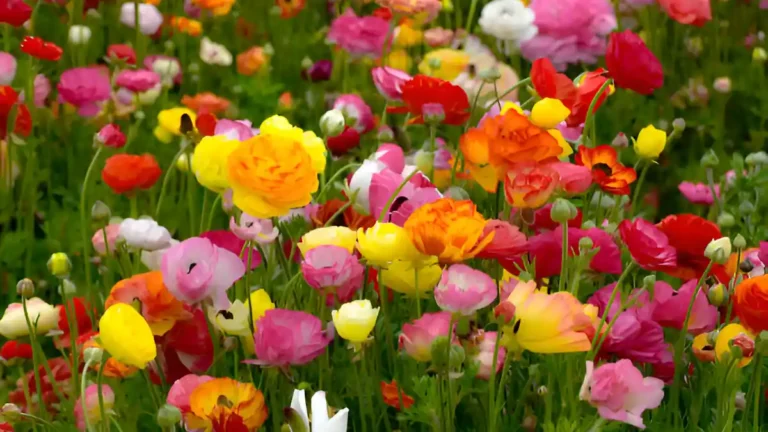
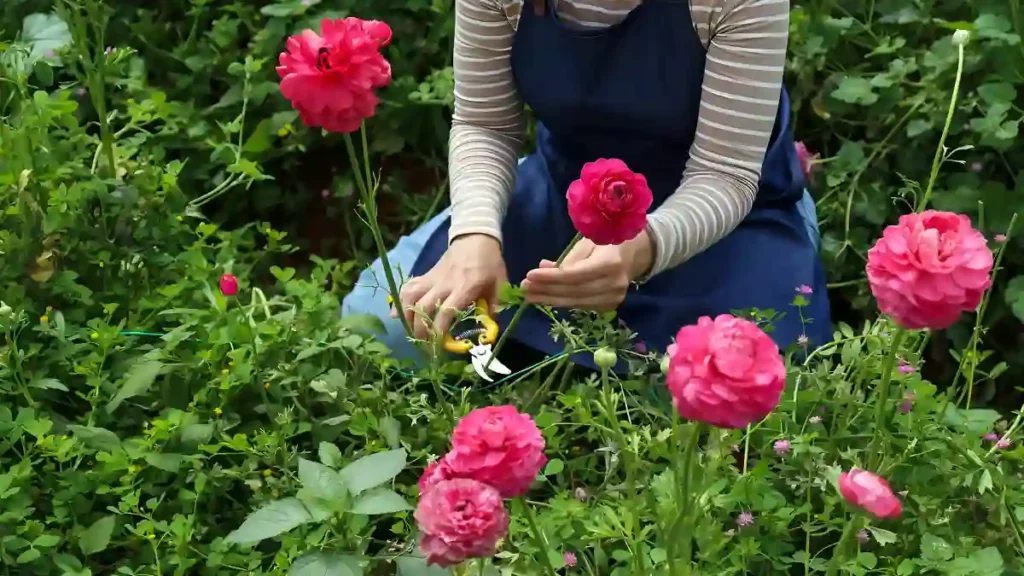
Ranunculus flowers, referred to as “spring roses,” are distinguished by their vivid color and glossy coating of petals. Another name for this bloom is Buttercup. Hardy perennials of the cool season, ranunculus flowers are prized for their delicate, heavily layered blooms. Growing ranunculus is easy in areas with mild winters and cool springs; the plants like a warm, but not hot, climate and are generally cold-hardy in USDA Zones 8–11. However, if you relocate them to a safe spot during the winter, you can grow ranunculus in temperatures as low as Zone 4. Learn how to plant and take care of these adorable tiny flowers.

One of the most beautiful blooms you may include in your garden is the ranunculus flower. Ranunculus flowers, prized for their vivid hues and delicate, rose-like petals, can turn any backyard into a verdant haven. You may grow these lovely blooms in your garden with the right planting methods and maintenance. To effectively develop ranunculus flowers, adhere to this thorough guide.

Ranunculus, or Ranunculus asiaticus, is a genus of 600 plant species in the Ranunculaceae family. Known for their sumptuous blooms in white, pink, orange, red, and yellow colors, they thrive in temperate zones.

The Ranunculus flower symbolizes charm, attractiveness, and bright beauty, with delicate petals resembling roses. They are popular for romantic gestures and bridal bouquets, expressing admiration and appreciation. Ranunculus also symbolizes prosperity and new beginnings.

Choosing the right ranunculus variety is crucial for your landscape. Popular varieties include Tecolote Ranunculus, Persian Buttercups, and Cloni Ranunculus. Tecolote Ranunculus is known for its large, double blooms, Persian Buttercups are small but beautiful, and Cloni Ranunculus is premium with large, long-lasting blooms. Consider the environment and function of the flowers when selecting.

Ranunculus can be grown in various locations, including flower beds, borders, and containers, as long as the soil is well-drained and the plants receive adequate sunlight or shade. They are commonly cultivated in Southern and Western states with moderate winters.

Cool temperature with lots of sunlight is ideal for ranunculus growth. Pick a spot for your plants that gets at least 6 to 8 hours of direct sunlight each day. 

Plant ranunculus in rich, loamy soil with a pH of 6.0 to 7.0, rich in organic matter, and effective drainage. Avoid clay-based soils to prevent decay, but certain native ranunculus thrive in heavier, wetter soils.

Add compost or well-rotted manure to the soil after loosening it to a depth of 12 to 15 inches to promote healthy development. In addition to giving the plants vital nutrients, this enhances the soil’s structure.

Ranunculus enjoys mild temperatures and thrives in USDA hardiness zones 8-10. In milder climes, they can be cultivated in greenhouses or begun indoors before being transplanted outside.

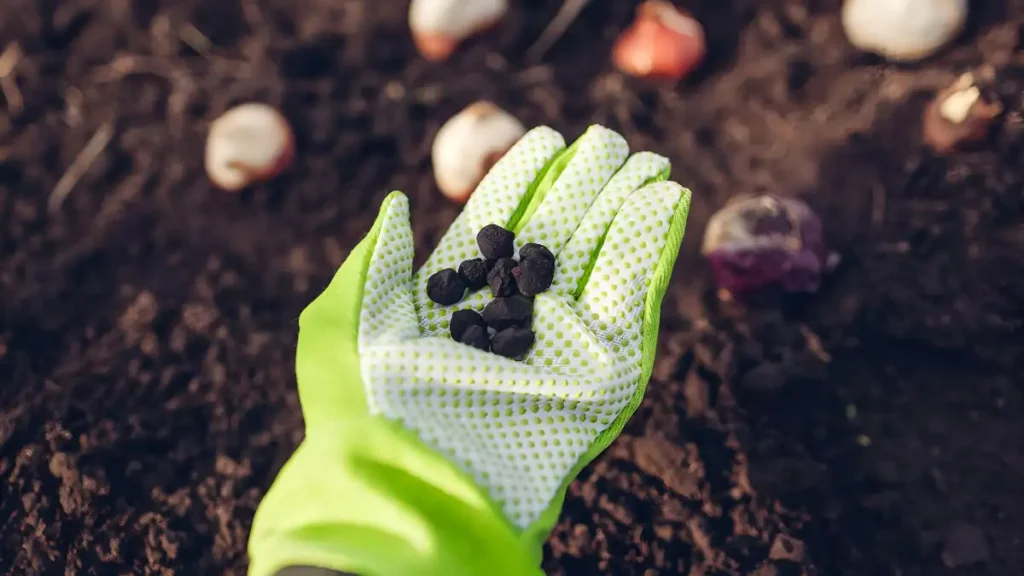
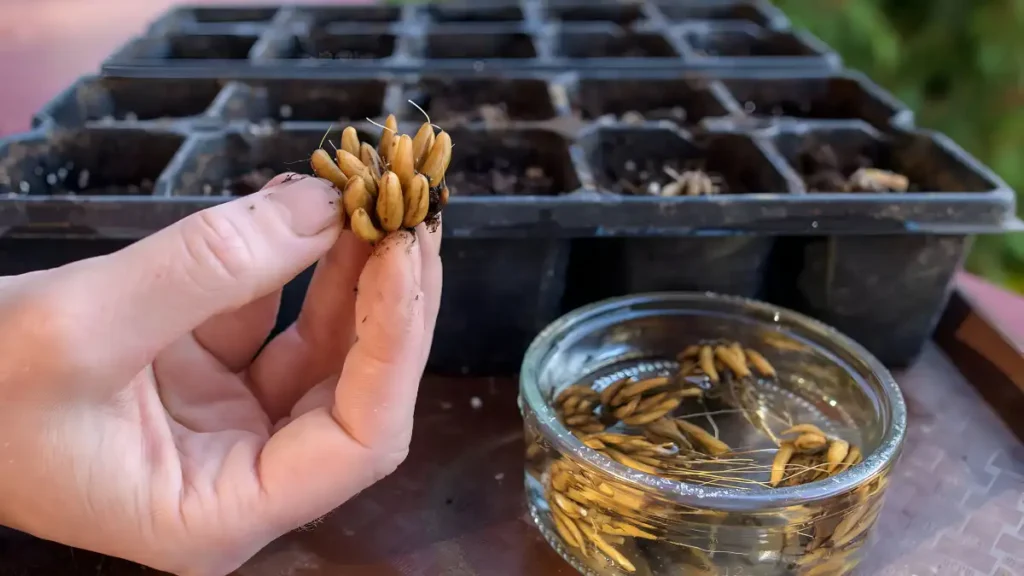
Ranunculus corms, also known as “bulbs,” must be soaked in water for three to four hours before planting. This process rehydrates them and prepares them for growth. Put 1 to 2 inches of slightly moistened grow mix into a flat planting tray that has no holes in it.

Plant the corms with their claws pointing downward, 2–3 inches deep, and space them about 4–6 inches apart. Proper spacing improves air circulation and lowers the risk of sickness.

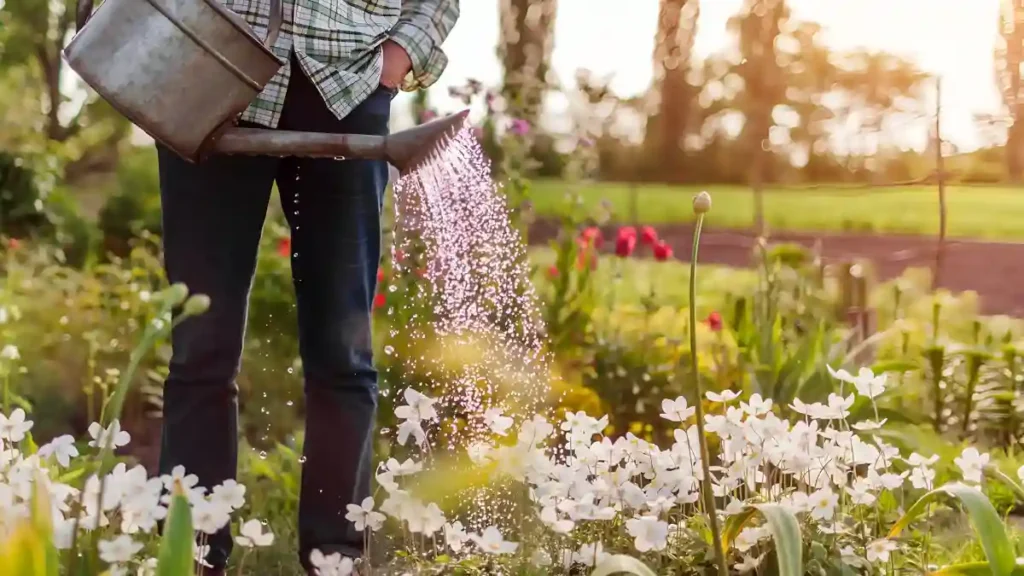
Ranunculus plants require regular watering, but should never become saturated. Water them once or twice a week, allowing the dirt to dry. Reduce watering frequency after flowers fade and leaves turn yellow.

To promote ranunculus growth, apply a balanced, water-soluble fertilizer every two to three weeks, with higher phosphorus content for more flowers. As border-planted ranunculus grow, frequent feedings with bone meal or balanced fertilizer are beneficial. Meadow- or pond-side plants don’t need feeding.

Ranunculus blooms don’t need pruning, but deadheading is necessary. Leaves can be chopped to the ground after yellowing, and native ranunculus must be removed when weedy to prevent overspreading. Deadheading promotes more flowers.

To manage aphids, apply neem oil or insecticidal soap. Check for spider mites and water foliage regularly. Ranunculus can be affected by fungal diseases like root rot and powdery mildew. Minimize problems by planting in well-draining soil, avoiding overhead watering, and ensuring air circulation.

By following this precise method, you may successfully cultivate and care for ranunculus flower, transforming your backyard into a colorful floral oasis. Whether you are a seasoned gardener or a beginner, these gorgeous blossoms are guaranteed to give a touch of sophistication to your landscape.

Certainly! If you’d like to learn more, please consider following our WhatsApp Channel, Facebook, Instagram, YouTube, Twitter, and Pinterest.

A frequently asked questions:

Q1: Are ranunculus perennials?

A1: Ranunculus can be either perennials or annuals, depending on the temperature. In warmer zones (USDA 8-11), they grow as perennials, while in colder locations, they are frequently handled as annuals or cultivated from tubers each year.

Q2: What is the season for ranunculus?

A2: Ranunculus flowers from late winter to early spring and thrives in cooler temps. In warmer climates, they are planted in the fall to provide a colorful spring display.

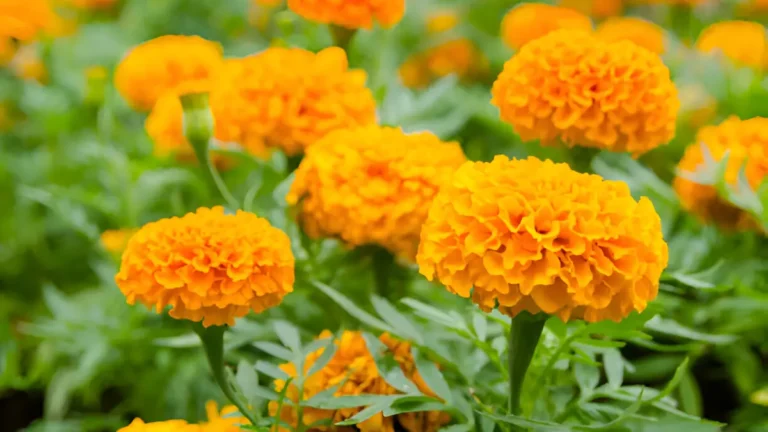
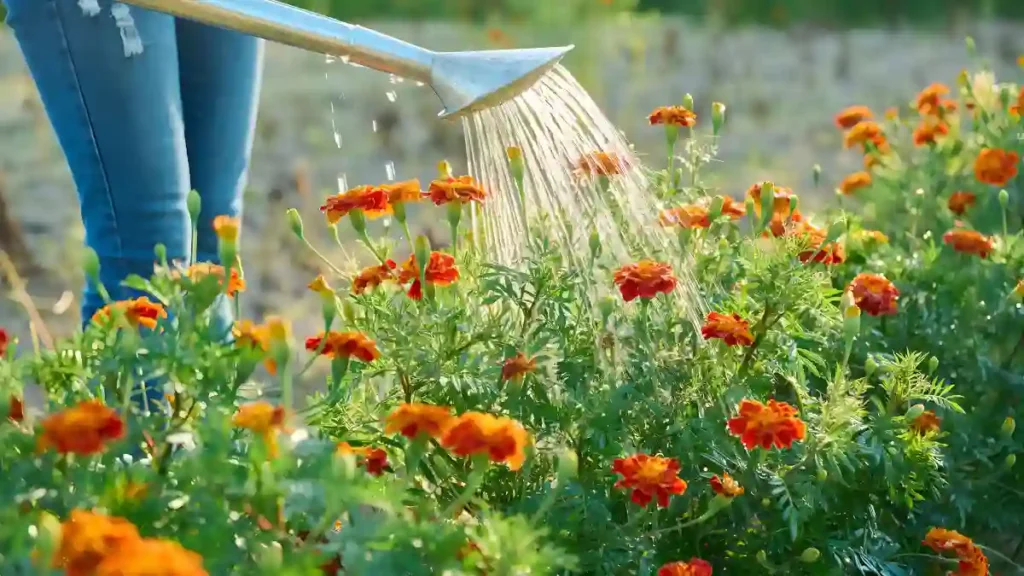
Marigold flowers are among the most popular and versatile in Indian gardens, particularly during the holiday season. They are used to adorn homes and create a joyful mood during Diwali, Navratri, and other celebrations because of their brilliant hues. Marigolds come in a magnificent array of colors, including yellow, orange, white, red, gold, and bi-color, providing a lovely variety to your garden.

Marigold flowers are among the most popular blossoms among gardeners worldwide. Their vivid colors, simplicity of growing, and multiple benefits have made them a popular choice for both ornamental and practical gardening. Whether you are a seasoned gardener or just starting, marigolds provide unrivaled appeal and practicality to any setting.

The Asteraceae family includes marigolds (genus Tagetes), which can be either annual or perennial flowers. Marigolds, which are indigenous to Central and South America, are distinguished by their vivid colors, which range from deep reds and flaming oranges to golden yellows. These blossoms, which have a distinctive daisy-like look and potent scent, are not only lovely but also an effective way to replenish soil and control pests.

Marigold flowers, with their vibrant colors, symbolize warmth, creativity, optimism, passion, wealth, and life’s beauty. They are often used in celebrations like Día de los Muertos to remember loved ones and represent enduring strength and perseverance in many cultures.

Tagetes erecta, or African marigolds, are the largest marigolds, known for their large flowers and tall stature, making them ideal for gardens and landscapes.

French marigolds, smaller and bushier than African marigolds, bloom in bi-color patterns and are ideal for small garden beds, containers, and borders.

Signet Marigolds, small, citrus-scented plants with delicate, fern-like leaves, are commonly found in herb gardens due to their culinary applications.

Triploid marigolds, a hybrid of French and African marigolds, are sterile but have large, colorful blooms that can withstand harsh weather conditions.

Vibrant flowers are often associated with marigolds. Whether in gardens, balconies, or containers, their striking, warm-toned blooms evoke a positive mood.

Marigolds have a reputation for keeping pests like whiteflies, aphids, and nematodes away. Because of the blossoms’ potent fragrance, nearby plants are shielded from dangerous insects.

Planting marigolds alongside plants such as tomatoes, peppers, and cucumbers can increase the health of your crops by minimizing pest infestations.

Marigolds increase biodiversity in your garden by drawing in helpful pollinators like ladybugs, bees, and butterflies.

Tall African marigolds are best planted in spring after frost has passed, as they mature and flower slower than young French and signet marigolds, which can be planted from spring through July.

Plant seeds in the spring when the soil is warm, as they germinate easily outdoors. African marigolds are best purchased as young plants or started indoors four to six weeks before frost, as they germinate more readily outdoors.

In warm climates, marigolds sprout in as little as one week, and plants usually bloom in eight weeks.

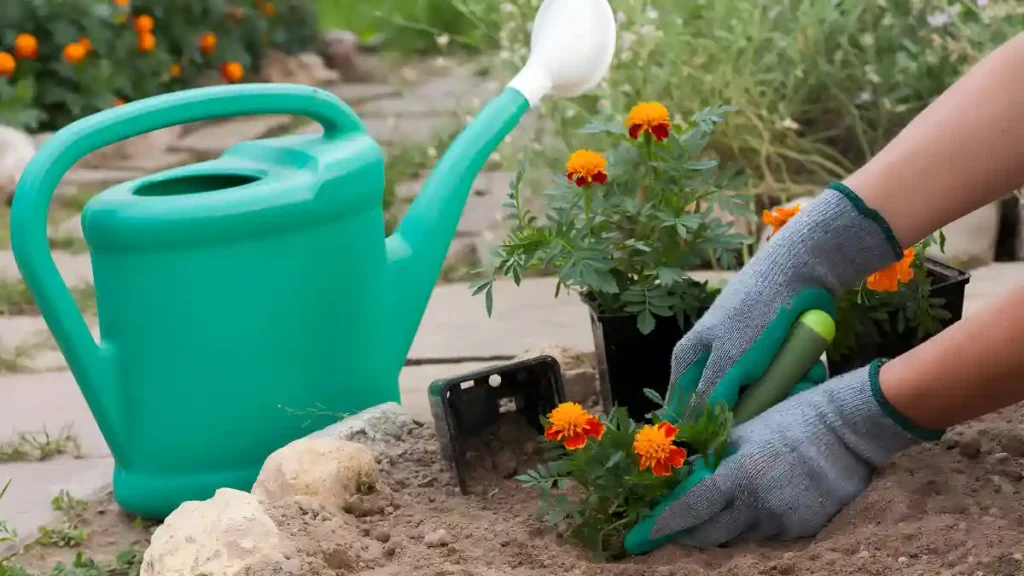
African marigolds are best started as young plants, as they take longer to flower. French marigolds are easier to start from seed. If the soil is nutrient-starved, sprinkle slow-release granular fertilizer in the planting hole. Sow seeds 1 inch apart, no deeper than 1 inch, and thin the seedlings while they are young. Keep signet and French fonts 8-10 inches apart, and separate larger African marigolds by 10-12 inches. Water each plant after transplanting.

To plant marigolds in pots, use a soil-based potting mix, slow-acting granular fertilizer, or diluted liquid fertilizer frequently. Provide enough room to prevent crowded marigolds from overcrowding.

Marigolds require frequent watering until they develop a strong root system, only after the soil settles and feels dry, and avoid watering from above, focusing on the plant’s base to prevent powdery mildew.

Marigolds require a general-purpose garden fertilizer every six weeks for health, but not during growth to prevent excessive nitrogen intake, as it can lead to luxuriant foliage instead of flowers.

Deadheading is the act of removing fading blossoms from plants, such as marigolds, to prolong their flowering season and maintain their vibrant appearance. This process helps plants create additional blooms instead of wasting energy developing seeds, thereby enhancing their overall appearance. Regular removal of spent flowers is essential for continued flowering.

While marigolds are generally pest-resistant, they can be susceptible to spider mites and fungal diseases. Keep an eye out for indicators of problems and respond quickly with organic or chemical treatments.

Marigold flowers are the perfect example of a diverse and rewarding flower garden. Whether you want to add color, attract pollinators, or protect your vegetable crop, these blossoms are great options. Marigolds can easily transform your outside space into a lively and thriving oasis.

Certainly! If you’d like to learn more, please consider following our WhatsApp Channel, Facebook, Instagram, YouTube, Twitter, and Pinterest.

Q1: Are marigold flowers edible?

A1: Yes, marigold flowers are edible and are frequently used to add color and a little lemony or peppery flavor to salads, drinks, and desserts. However, only certain types, such as Calendula officinalis (pot marigold), are suitable to eat, thus confirming appropriate identification before ingestion.

Q2: Do marigolds like sun or shade?

A2: Marigolds prefer full sun and grow in direct sunshine for at least 6-8 hours every day. While they can withstand partial shade, their flowers may appear less vivid in low-light circumstances.
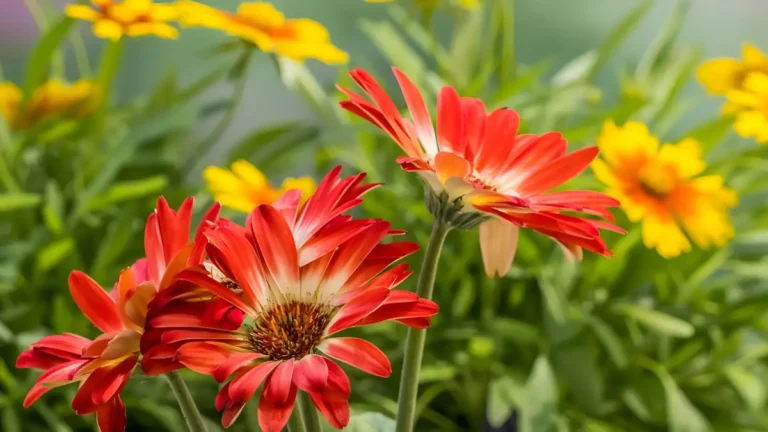
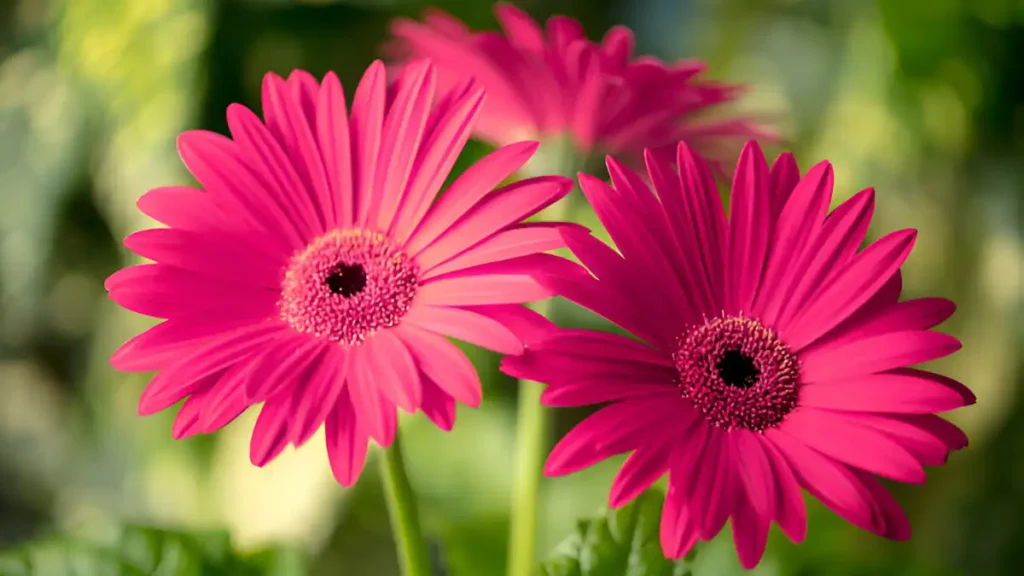
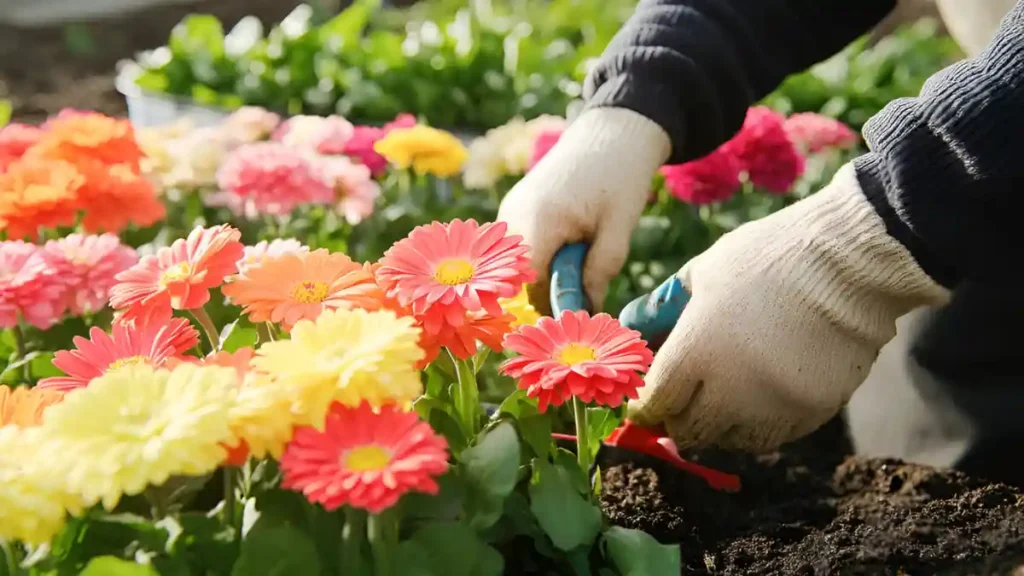
A Gerbera daisy is easily identified by its vibrant colors and distinctive shapes. They are one of the most widely used options for cut flowers worldwide. Growing your flowers at home will yield even more flowers for your money than purchasing a bouquet. Plant enough to fill vases indoors, and line your garden walkways with their vibrant hues. Additionally, Gerbera daisies can be grown outdoors in containers, brought indoors for the winter in all but the coldest climates, or kept as houseplants.

Gerbera daisies come in various cultivars for bloom shape and color. Choose compact plants suitable for the container or planting bed size, as compact plants have more robust flower stems.

Gerbera daisy is a great option for designing a gorgeous garden that is full of color and charm. The vibrant and cheery blossoms of these lovely flowers make them popular among gardeners. Everything you need to know to cultivate, maintain, and enjoy Gerbera daisies will be covered in this extensive book, which will turn your garden into a stunning setting.

Gerbera daisies are colorful, large flowers suitable for both indoor and outdoor gardens. They have a long blooming season and are easy to grow with minimal care. They are versatile and suitable for borders, containers, or bouquets. Gerbera daisies are pollinator-friendly, attracting bees and butterflies, and promoting biodiversity. Their vibrant colors add life to any garden design.

The gerbera daisy is a colorful flower that is frequently linked with happiness, purity, and innocence. Its bright colors and prominent look represent happiness and positivism, making it a popular way to communicate excitement and admiration. Gerberas, in floral language, convey deep emotions as well as gratitude and admiration. Their adaptability and charm make them an appropriate addition to bouquets for any occasion.

Gerbera daisies, native to South Africa, are delicate perennials that thrive in USDA Zones 8-10, particularly in warm climates like California and are cultivated as annuals in colder regions.

Gerbera daisies, growing 6-18 inches tall, are ideal for flowerbeds or pots. Display them in containers if clay soil is present, as they can grow up to 18 inches tall.

Gerbera daisies flourish in regions with lots of sunlight. Choose a site in your garden that receives at least 6-8 hours of direct sunlight per day. While they prefer direct sunlight, they may withstand some shade, particularly in hot climates.

Gerbera daisies thrive in warm weather, so they should be planted in spring after frost has passed. They require well-draining soil and sunlight for healthy growth. Start seeds indoors 8-10 weeks before frost and move them outside when warm. Gerberas can also be planted in fall in moderate winters.

Gerbera daisies thrive in well-draining, pH 5.5 to 6.5 soil, with adequate nutrient content from organic matter like compost or manure.

Dig a hole twice the height of the container and add soil if needed. Place the Gerbera daisy in the hole, crowning it over the ground. Backfill the remaining hole with soil, water the plant, and space the daisies 12-18 inches apart for optimal airflow and powdery mildew prevention.

When growing Gerbera daisies in a container, it’s better to stay away from dark ceramic pots because they retain heat and could burn the delicate roots. Place the Gerbera daisy in it with its crown slightly above the soil line after filling it with high-quality potting soil.

Gerbera daisies can be grown indoors in a wet seed-starting mix 12 weeks before frost. Plant seeds on top, gently press them in and allow light for germination. Place seeds in a warm location and cover with a plastic bag. Once seedlings appear, move them outdoors once healthy.

Gerbera daisies require consistent hydration, but overwatering can cause root rot. Soak them once a week, increase watering frequency during hot weather, and only provide light water during winter, as they become inactive.

The soil’s condition influences Gerbera daisies’ fertilizer needs. Fertilize every two weeks in spring and summer with a nitrogen-rich water-soluble fertilizer or apply compost once a month.

To encourage new flowers and keep the plant looking its best, remove spent blooms regularly. Trim any yellowed or damaged leaves to keep the plant healthy.

The Gerbera daisy, a vibrant and low-maintenance plant, is a versatile addition to any garden, making it perfect for creating flower beds, and patio decorations, and attracting pollinators, transforming your yard into a colorful masterpiece.

Certainly! If you’d like to learn more, please consider following our WhatsApp Channel, Facebook, Instagram, YouTube, Twitter, and Pinterest.

Q1: Are Gerbera daisies perennial or annual?

A1: Although Gerbera daisies are planted as perennials in most climates, they may act more like annuals in colder climes.

Q2: How long do Gerbera daisies bloom?

A2: Gerbera daisies can bloom constantly from spring to October if cared for properly.

Q3: How to propagate Gerbera daisy?

A3: Gerbera daisies can be propagated by dividing existing plants in the spring or early fall, making sure that each division has good roots and foliage. They can also be produced from seeds, although this takes longer and may result in flowers that are not similar to the parent plant.

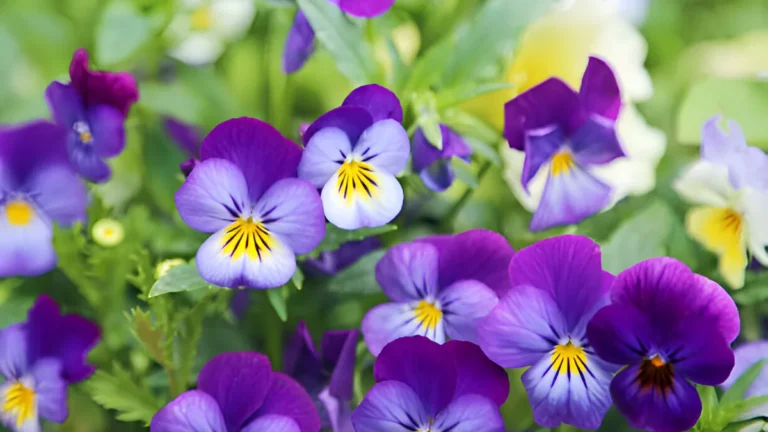
The pansy flower is a beautiful addition to any landscape, known for its vibrant colors and endearing charm. Pansies, a versatile and durable plant, provide vibrancy and flair to your outdoor space. Pansy flowers are popular because of their bright colors, variety, and ease of growing. Whether a seasoned gardener or a newbie, adding pansies to your garden may convert it into a vivid sanctuary. This comprehensive guide covers everything you need to know about growing and caring for pansy flowers.

Pansy flowers, despite being fragile perennials, are hardy annuals that thrive in temperatures between 40-60 degrees Fahrenheit and USDA zones 7-11. They can withstand low temperatures but not high, and reseed as biennials or short-lived perennials.

Flower colors offer a seasonal palette of possibilities, including white, yellow, purple, blue, red, pink, and orange. Pansies bloom year-round when planted in the fall or spring. Fall-planted pansies can survive from winter to spring in warm climates.

The pansy flower (Viola × wittrockiana) belongs to the Violaceae family and is a hybrid plant created from wild violets. Pansies are known for their brilliant, velvety petals and come in various colors, including rich purples and reds, bright yellows, blues, and even multicolored variations. Their distinctive “faces,” generated by contrasting petal patterns, make them among the most popular garden flowers.

The pansy flower represents love, remembering, and thoughtfulness. Its name is derived from the French word pensée, which means “thought,” indicating its relationship with deep introspection and memory. Pansies, commonly given to convey affection or commemorate someone, are also associated with creativity and free thinking due to their brilliant, multicolored petals. They are popular in gardens because of their cheery appearance and capacity to flourish in milder climates.

Pansies can be planted in fall or early spring, with early spring and summer flowering starting in late winter. Seeds can be sown in late summer for fall and winter flowering. Depending on soil temperature, seeds can take a while to sprout. Planting in the ideal soil temperature range of 45°F to 65°F (7°C to 18°C) is recommended. Pansies can withstand frost, but avoid it if temperatures remain below freezing.

Growing pansy flowers successfully involves careful planning and attention. To guarantee a vibrant display of these charming flowers, follow the following instructions.

1. Choosing the right types of pansy flowers

Clear-Faced Pansies have solid-colored petals, while Blotched Pansies have unique patterns in the middle of the bloom. Trailing Pansies have a cascading growth pattern, making them ideal for hanging baskets.

2. Choosing the best site

Pansies thrive in sunlight-rich environments but can tolerate shade in hotter temperatures. Proper soil drainage and organic material content are essential for optimal growth.

3. How to plant pansy flower

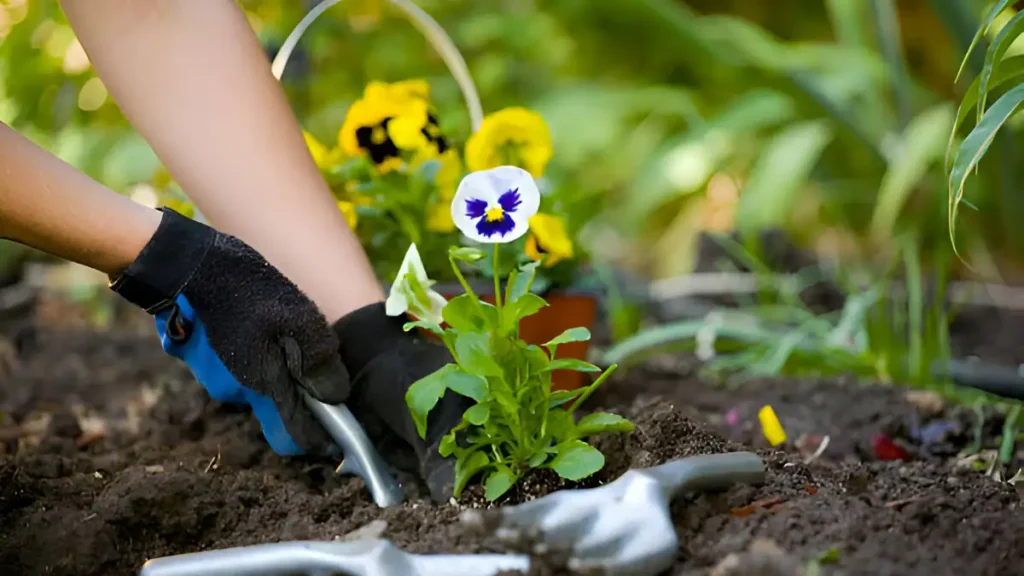
To grow pansies in garden beds or containers, choose bushy, stocky plants with numerous buds, and avoid open blooms as they may be overworked and exhausted in small pots.

The garden center offers established pansy plants from August to April, so plant them in early spring or fall. Plant them in well-draining soil, add compost or a balanced fertilizer, and consider three to four plants in a 10- to 12-inch pot to avoid over-packing.

Proper care is required to keep your pansy flowers healthy and blooming. Follow these guidelines to keep their brilliant appearance.

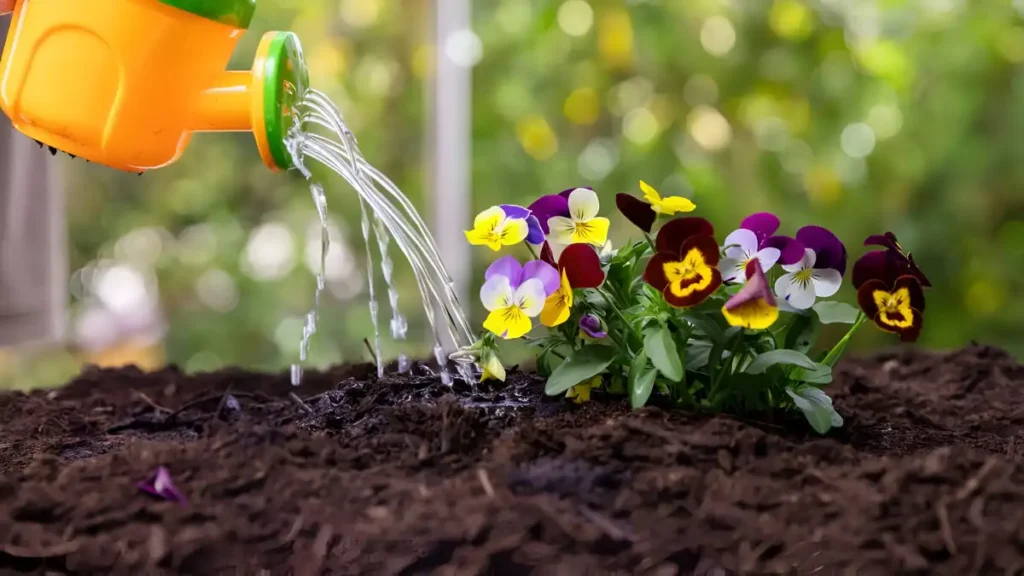
Don’t expect your pansies to endure the entire season, but regular watering will help them hold on a little longer as the temperature heats. Pansies detest soggy circumstances but love continuously moist soil. Depending on the weather, give them a deep watering once or twice a week. Mulching the area surrounding the plants’ bases can help keep the soil moist and weeds at bay.

To maintain healthy pansies, provide them with a balanced, water-soluble fertilizer every 2-3 weeks during the growing season, avoiding overfertilization to prevent lanky growth and fewer blooms.

To promote continual blossoming, remove spent blooms regularly. Trim lanky stems to keep them bushy and compact.

Pansies are generally pest-free but can attract snails, slugs, and aphids. Using natural solutions like neem oil or introducing beneficial insects to manage pests. Maintain air circulation.

Pansies are versatile flowers that can be used for garden borders, patios, balconies, and pairings with other cool-season flowers. They also add a charming garnish to salads and desserts but should be farmed organically before consumption.

The classic pansy flower can benefit any garden and adds color and charm in the cooler months. Pansies are a must-have for gardeners looking for durable and colorful blossoms because of their many colors, ease of growing, and adaptability. Using the advice in this tutorial, you can make a gorgeous display that will make your neighborhood jealous.

Certainly! If you’d like to learn more, please consider following our WhatsApp Channel, Facebook, Instagram, YouTube, Twitter, and Pinterest.

Q1: What are the benefits of pansies?

A1: Pansy, a flowering herb, is used to treat moderate seborrheic skin conditions like acne and internal skin diseases, believed to have blood-purifying or metabolism-stimulating properties in traditional medicine.

Q2: Are pansies perennials?

A2: Pansies are technically short-lived perennials, but they are commonly cultivated annually because they prefer moderate temperatures and may not withstand intense heat or cold. They can function as biennials in mild areas, blooming over several seasons.

Q3: What is special about pansy flower?

A3: The pansy flower, known for its velvety petals and “face-like” pattern, symbolizes thoughtfulness and love, and its cool-blooming ability and antioxidant-rich petals make it a favorite garden and culinary treat.

Q4: What temperature will kill pansies?

A4: Pansies can withstand mild frosts and temperatures as low as 20°F (-6°C), but prolonged exposure to temperatures below 15°F (-9°C) would kill them. They thrive in chilly conditions but struggle in high temperatures above 80°F (27°C).

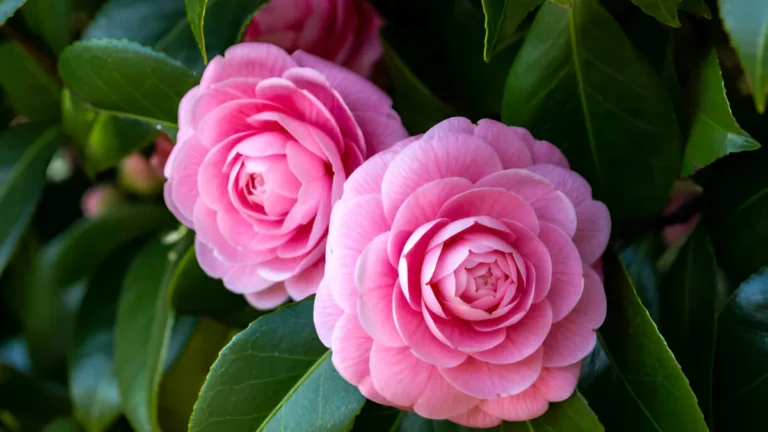
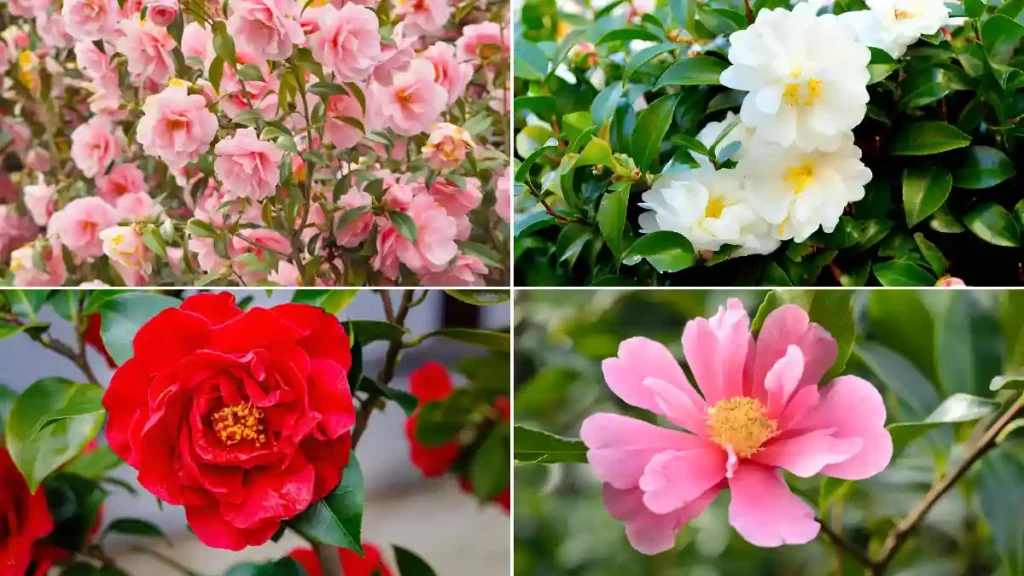
The camellia flower is well known for its delicate blossoms, evergreen leaves, and graceful beauty, which enhance any garden. These lovely flowers, which originated in East Asia, are popular among gardeners all around the world because of their flexibility and symbolism. Indeed, the common camellia (Camellia japonica) is Alabama’s state flower.Camellias symbolize admiration, perfection, and longevity, making them a thoughtful addition to any garden.

The camellia is an evergreen shrub with large, luxuriant blossoms and dark, glossy foliage. It blooms in warmer climates from fall to early spring, and is popular in zones 7 to 9, with over 3,000 recognized varieties in various hues, shapes, and sizes, similar to peonies

To assist you in creating a flourishing and significant garden, we will examine the common types, care needs, and deep symbolic value of camellias in this post.

1. Choosing the right location

Camellias thrive in moderately shaded settings, where they are protected from the intense afternoon sun. Choose a position with dappled sunshine or morning sun for optimal growth. Proper positioning reduces plant stress, prevents leaf burn, and promotes bright flowers.

2. Soil requirements

Camellias thrive on soils that are slightly acidic, well-drained, and rich in organic matter. If necessary, add organic matter to enhance the drainage or texture of the soil. To keep the soil moist and nutritious, enrich it with organic materials like compost or leaf mold. Maintaining ideal conditions can be aided by routinely checking the pH of the soil. 

Alkaline soils can cause low iron uptake and yellowing leaves in Camellias. To increase acidity, add peat moss during planting. Consult local extension offices for soil testing and pH advice. A well-draining, acidic soil with a pH of 5.5 to 6.5 is crucial for healthy Camellias.

For heavy clayy soil in gardens, grow camellia in a container. Large pots with drainage holes and rich soil are ideal for smaller cultivars.

3. Watering instructions for healthy camellia flower

New plants require frequent watering for the first year or two, while established plants can survive with minimal watering. During dry spells, provide extra water as buds develop.

Depending on the weather, give it a deep watering once or twice a week. Strike a balance between avoiding overwatering and preventing dryness during the growing season. Mulching the area around the plant’s base aids in temperature regulation and soil moisture retention.

4. Temperature and humidity

USDA Plant Hardiness Zones 7 to 9 are ideal for camellia growth, but winter-blooming varieties may experience bud drop. Protect them against severe winds, especially near shore or Upper South’s edge, and avoid the coast due to salt spray resistance.

5. When to fertilize camellia flower

Fertilize azalea or camellia plants in spring after flowers fall. If growth slows or foliage loses color, fertilize again in late spring or midsummer. Apply at the recommended rate, avoid overdoing, and avoid feeding sick or disturbed plants.

While mature camellias need less nitrogen, younger camellias that you want to produce greater growth should use a fertilizer with more nitrogen, such as 12-4-8 or 10-10-10.

6. When to prune camellia flower

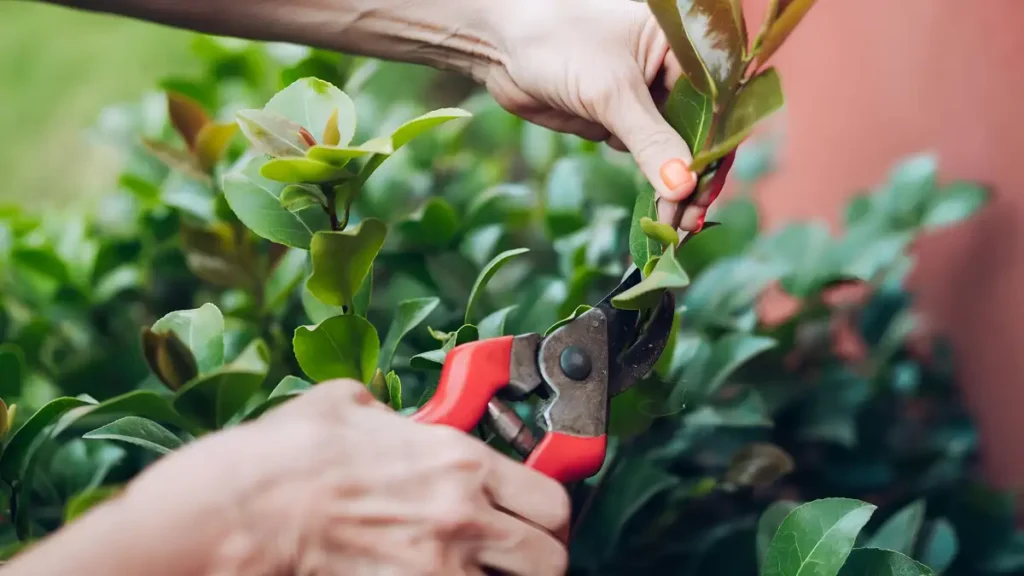
To maintain Camellias in form and promote healthy growth, prune them shortly after flowering. Eliminate diseased or dead branches to keep pests and illnesses at bay. Frequent pruning keeps your camellias looking well and encourages airflow around the plant.

Camellias come in a stunning array of varieties, offering diverse colors, shapes, and sizes to suit any garden. Below are some of the most sought-after types:

1. Camellia japonica

Camellia Japonica, known as the “Queen of Winter Flowers,” is a stunning plant with large, vibrant red, pink, and white flowers, ideal for a focal point in gardens.

2. Camellia sasanqua

Camellia Sasanqua, blooming from late fall to early January, is ideal for hedges or espalier patterns due to its delicate branches, modest blossoms, and aromatic allure.

3. Camellia reticulata

Camellia Reticulata, a popular garden plant, is known for its large, vibrant blooms, thriving in warm regions and producing a variety of colors.

4. Hybrid camellias

Hybrid cultivars, such as ‘Debutante’ and ‘Spring Festival,’ combine the best features of various Camellia species, resulting in increased hardiness, distinct bloom forms, and longer flowering seasons.

Camellias are often associated with admiration and perfection in various cultures. Their beautiful petals and luxuriant appearance make them an ideal gift for loved ones, representing great regard and admiration.

Camellias’ perennial nature symbolizes longevity and eternal love. In Japanese culture, they are connected with supernatural benefits and are commonly utilized in traditional ceremonies.

The beauty of camellias has inspired numerous works of art, poetry, and literature. From paintings to literature, these blossoms have been revered as emblems of grace and refinement.

The camellia flower is a timeless addition to any garden, providing beauty, symbolism, and variety. You may create a dynamic and meaningful garden environment by understanding their care needs, investigating the many options available, and respecting their cultural value.

Certainly! If you’d like to learn more, please consider following our WhatsApp Channel: Harvest Gardening

Q1: What is special about camellia flower?

A1: Camellia flowers, known for their delicate, rose-like blossoms in bright colors, are a symbol of love and admiration, thriving in milder areas with glossy, evergreen foliage.

Q2: What is the scientific name for camellia?

A2: Camellia is scientifically known as Camellia japonica, but other species such as Camellia sinensis (tea) and Camellia sasanqua are also well-known. These evergreen bushes are from the Theaceae family.

Q3: Can you grow camellias from cuttings?

A3: Yes, cuttings are a frequent way to propagate camellias. Semi-hardwood cuttings collected in late summer or early fall root well when placed in a wet, well-draining medium and stored in a humid climate.

Q4: Why are camellia leaves turning yellow?

A4: Camellia leaves turn yellow due to overwatering, inadequate drainage, nutrient shortages, high temperatures, or soil pH, which reduce nutrient absorption.

Poppies are among the most attractive flowers, and they can instantly enhance the beauty of any garden. With their delicate petals, brilliant hues, and symbolic meaning, poppies provide a timeless beauty that gardeners and nature lovers appreciate. Whether you are a seasoned horticulture or a beginner, adding poppies to your flower garden can turn it into a beautiful paradise. You need to know to grow and appreciate these lovely flowers.

Poppy flowers represent remembering and reverence, particularly for fallen soldiers, because of their association with World War I. They also represent peace, sleep, comfort, and beauty. Poppies can represent perseverance, endless life, or love and sacrifice in many cultures.

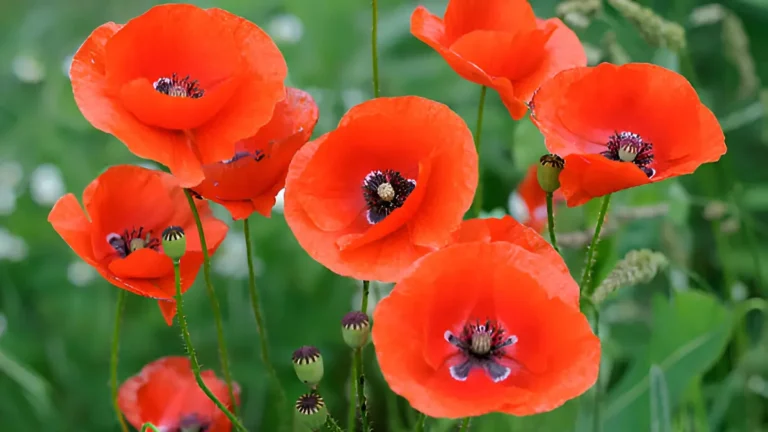
There is a poppy to suit every taste, ranging from the timeless red of the famous Flanders Poppy to the whimsical pastel hues of Icelandic Poppies.

Poppies give your garden depth and significance, representing resilience, peace, and remembering.

These flowers are perfect for gardeners of all skill levels because they are relatively easy to grow and flourish in various environments.

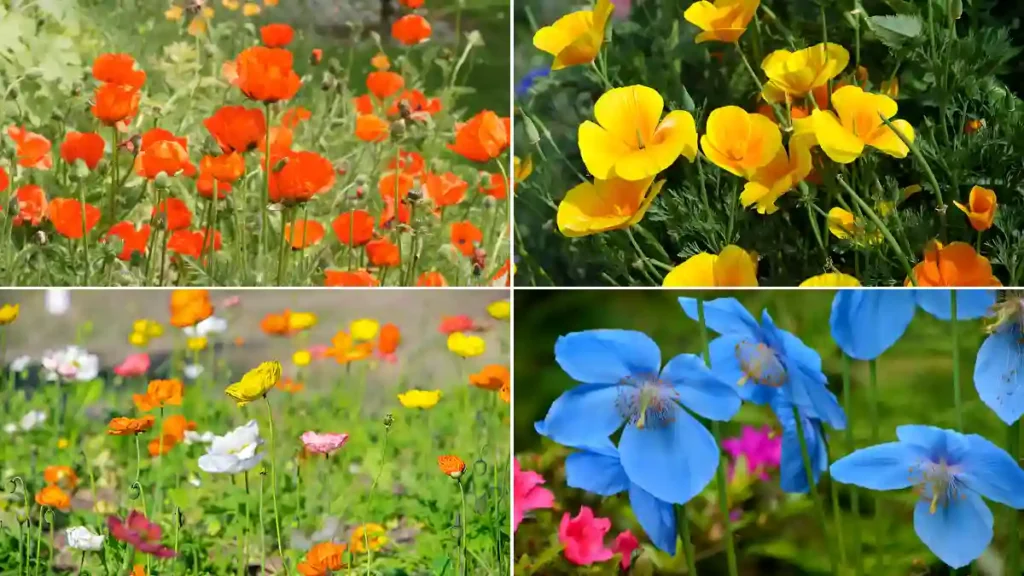
1. Oriental poppies (Papaver orientale)

A common perennial poppy for landscape applications. features intriguing pods but isn’t often used as a cut flower. Oriental poppies are popular among gardeners because of their big, showy blooms. They range in color from flaming red to delicate whites, and their petals frequently have eye-catching patterns.

2. California poppies (Eschscholzia californica)

These resilient annuals brighten any garden with their beautiful orange and gold blooms. They are ideal for cottage-style gardens or wildflower meadows and do well in sunny locations.

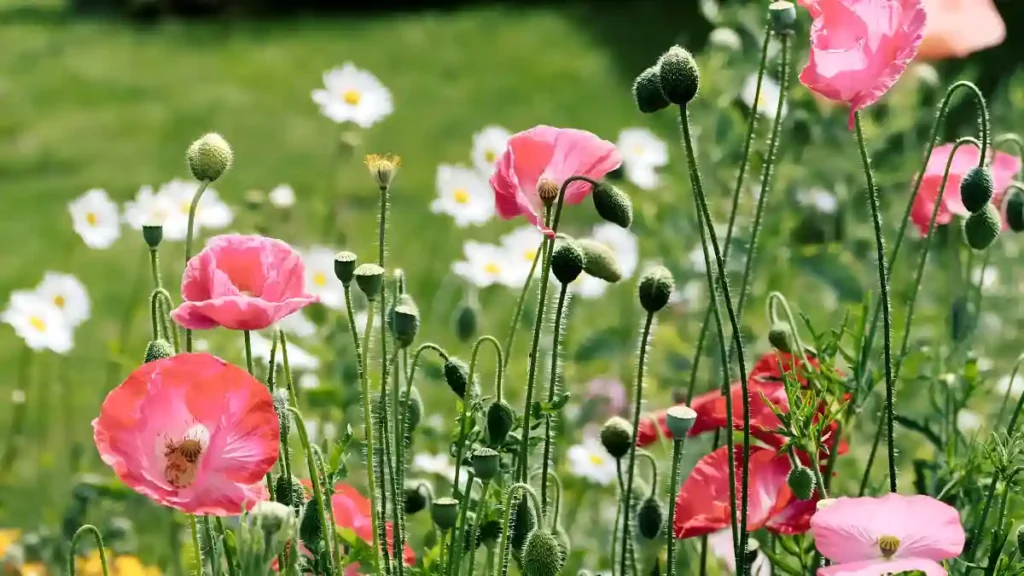
3. Icelandic poppies (Papaver nudicaule)

The ideal poppy variety for usage as cut flowers. Although it is technically a perennial, it is typically planted as an annual or biennial because it is short-lived and dislikes heat. If picked at the right time and treated to extend their vase life (more on that later), Iceland poppies have the longest vase life of any poppies, lasting almost five days. Icelandic poppies are great for milder regions and blossom in beautiful pastel tones with their ethereal, tissue-paper-like petals.

4. Himalayan blue poppies (Meconopsis betonicifolia)

These rare and in-demand blue poppies give shady gardens a touch of exoticism. Their stunning beauty is a prize for meeting certain requirements.

Poppies thrive in moderately fertile, well-drained soil with a loamy or sandy texture and pH between 6.0 and 7.0, and can benefit from organic matter like compost.

The majority of poppies need at least six hours of direct sunlight per day to flourish. Select a location away from high winds to avoid damaging fragile petals.

Plant annual poppies in late autumn or early spring, while perennial cultivars can be planted in fall. Spread seeds on the soil’s surface, gently press them down, and ensure they are 6-12 inches apart for optimal growth.

Poppies require moderate watering, keeping soil damp but not soggy during germination, and applying a low-nitrogen, balanced fertilizer to promote flowers during growth season.

Deadhead flowers regularly to prolong the blossoming season, then trim back leaves after flowering to refocus on root growth.

Ensure pest control by utilizing natural deterrents like diatomaceous earth or neem oil, avoid overhead irrigation, and maintain proper air circulation to prevent fungal infections.

By adding poppies to your garden, you can connect with a rich tapestry of meaning and history while also improving the garden’s aesthetic appeal. Poppies are a classic choice for gardeners all over the world because of their gorgeous blooms and low maintenance requirements.

Certainly! If you’d like to learn more, please consider following our WhatsApp Channel: Harvest Gardening

Q1: Are poppies perennials?

A1: Oriental poppies (Papaver orientale) are perennials, whereas the common corn poppy (Papaver rhoeas) is an annual. The type of poppy affects its growth cycle and longevity.

Q2: What birth month is the poppy?

A2: Poppy is the birth flower for August. It represents inventiveness, reminiscence, and pleasant sleep.

Q3: What is the best month to plant poppies?

A3: The optimum month to plant poppies varies by climate, but they are often planted in the fall or early spring. Fall planting is great in warm climates because it allows seeds to germinate and develop strong roots throughout the winter.

Q4: How to grow a poppy plant at home?

A4: To grow poppies at home, sprinkle seeds in well-drained soil in a sunny location, either in early spring or fall. Lightly press the seeds into the soil without covering them, as they require light to develop. Water sparingly.

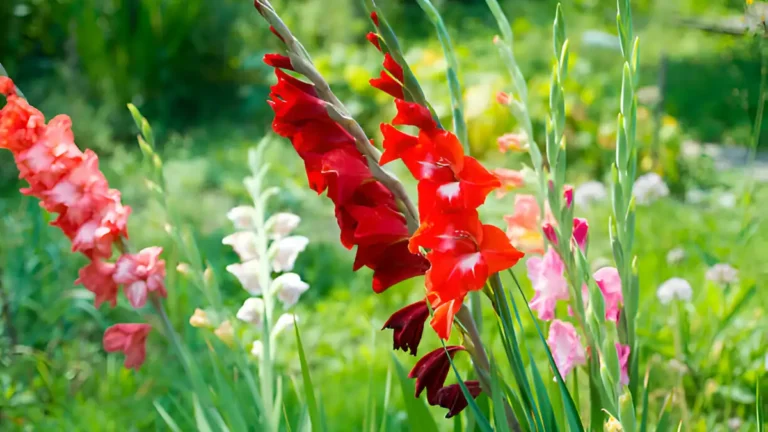
Often called “sword lilies,” gladiolus flowers are a gardener’s paradise. They add unmatched elegance and appeal to any garden with their towering spikes of colorful blossoms. Although gladiolus cultivation calls for careful preparation and attention to detail, the outcome is a stunning floral arrangement. Here, we outline the best practices for cultivating gladiolus flowers and guaranteeing a successful garden.

Gladiolus bulbs, a South African archaic flower, are easy to grow and complement vibrant perennials. Their ruffled single florets can be easily cut and placed in bowls and vases. These bulbs are suitable for garden celebrations and can be sown in spring.

Gladiolus flowers stand for moral character, power, and integrity. Known as the “sword lily” because of their long, blade-like stems, they also evoke adoration and remembering. These colorful blooms are popular for romantic gestures because they are linked to love at first sight and infatuation. Gladiolus flowers are also of special importance for people born in August because they are the birth flowers for that month.

Glads, or flowering plants, belong to the iris family and come in various sizes and colors, from small container-friendly hybrids to large-flowered Grandiflora hybrids with spikes of blooms.

Gladioli, varying sizes from miniature to giant, typically grow 2 to 5 feet tall. Taller plants require staking and are typically placed at the rear of a garden to balance out shorter plants.

The best time to plant gladiolus bulbs, also known as corms, is in the spring, once the soil has warmed to at least 55°F (13°C) and the risk of frost has passed. From spring through early summer, space plantings every two weeks for continual flowering. Plant the corms 4 to 6 inches deep and spaced approximately 6 inches apart in a sunny spot with well-drained soil. Gladiolus produces gorgeous bursts of color all summer long, usually blooming 70 to 90 days after planting.

1. Getting the ideal soil ready for gladiolus

Gladiolus needs at least 6 to 8 hours of direct sunlight per day. Choose a spot that is not shaded and shielded from severe winds.
To improve soil quality, keep it to a minimum of 12 inches and add organic materials like old manure or compost. Bone meal can increase phosphorus levels, promoting root growth and colorful flowers. Test and modify pH levels using a soil test kit, adding sulfur or lime as needed.

2. How to choose and maintain gladiolus corms

To ensure a successful gladiolus garden, choose high-quality corms that are firm, plump, and free from blemishes or mold. Larger corms typically produce stronger plants with more blooms.

If planting is postponed, keep the corms somewhere dry and cool. To keep them from decaying, keep them away from dampness and direct sunshine.

3. Planting gladiolus corms

Gladiolus plants require proper planting time and depth for optimal growth. Plant corms 4-6 inches deep, pointing the pointed end up, 6-8 inches apart. Plant every two weeks from spring to early summer for uninterrupted bloom display. Thoroughly water the planting area after planting to settle soil and promote root formation.
  • Especially when the weather is dry, keep the soil consistently moist—water at the base to prevent disease-causing damp foliage.
  • When the shoots appear, apply a balanced fertilizer (10-10-10). When flower spikes start to appear, reapply. Steer clear of overfertilizing as this could result in too much foliage at the price of blossoms.
  • To avoid toppling, gladiolus flowers frequently need assistance. Plant them close to fences or use stakes. Use delicate garden ties to carefully bind the stems.
  • To lessen competition for nutrients, keep the area surrounding gladiolus clear of weeds. Mulching helps keep the soil moist and inhibit weed growth.
  • Compost enhances soil for spring planting, followed by applying balanced, water-soluble fertilizer when plants reach 10 inches tall and when flowers display color.
  • Gladiola can be grown as cut flowers or annuals, and after flowering, deadhead stems to prevent self-seeding in winter-strewn areas, and trim back remaining leaves for winter.
  • For winter protection, spread hay or straw in USDA Hardiness Zone 8 or higher, and gladiolus can remain in the ground without a hard freeze.
  • Gladioli corms should be dug up in colder climates after the first fall frost, as the leaves may be killed by frost, but the plant will survive. Failure to dig up before a hard freeze can cause severe damage.
  • Gardeners in border zones 6 and 7 have found gladiolus plants to survive when left in the ground, despite the decision based on microclimate and gladiolus variety.

These comprehensive instructions will help you cultivate captivating and motivational gladiolus blooms. Gladiolus enhances any environment with unmatched beauty, whether it is used as a stand-alone feature or as part of a mixed garden.

Certainly! If you’d like to learn more, please consider following our WhatsApp Channel: Harvest Gardening

Q1: Where is the best place to plant gladiolus?

A1: Gladiolus should be planted in a sunny spot with soil that drains well and is high in organic matter. To prevent the long flower spikes from bending or shattering, make sure they are protected from severe winds.

Q2: Do gladiolus grow in summer or winter?

A2: Since gladiolus prefers warm climates, they usually develop and bloom throughout the summer. They are planted in the spring for summer blooms in mild climes, but they can also be planted in the fall for winter blossoms in warmer climates.

Q3: How to propagate gladiolus?

A3: Gladiolus is propagated by planting corms (bulb-like structures) or cormels (little corm offsets) in well-drained soil. To produce new plants during the dormant season, separate and transplant cormels.

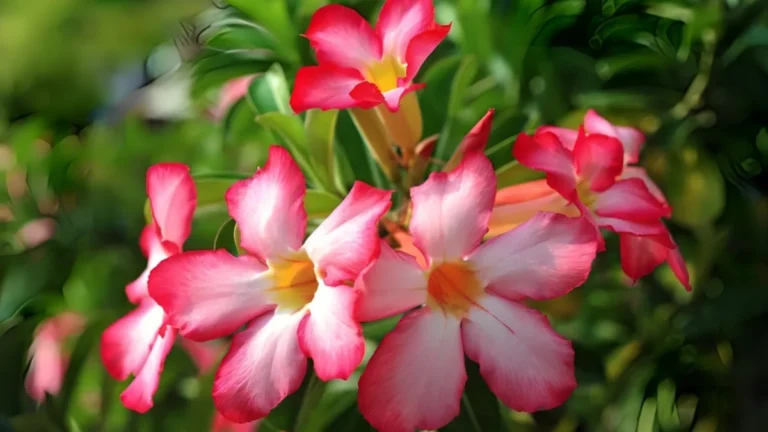
The Azalea flower, a shade-loving shrub with elliptic leaves and loose branches, produces exquisite white, purple, yellow, and red flowers in spring gardens. It requires midday shade and at least four hours of sunlight daily and thrives in healthy, acidic, moist soil.

The best seasons to grow azalea plants are spring or early fall. Although species-specific growth rates vary, most develop somewhat slowly. Although it may take up to ten years for a one-gallon container plant to reach its full size, it typically flowers in its first year. Azaleas poison both humans and animals. They can become the focal point of any landscape with the correct maintenance. The best advice for growing azalea flower in your garden is provided here.

Azalea flowers, which are frequently connected to femininity, are a sign of beauty, grace, and passion. They symbolize prosperity, good fortune, love, caring, and thanks. They also have a cautionary meaning, representing temperance. Azaleas are a popular symbol of natural balance and harmony.

Azaleas are best planted in the spring or fall when temperatures are warm so that their roots can grow before the extremes of summer heat or winter cold. Pick a spot with some shade and acidic, well-drained soil that is rich in organic matter. Planting during these seasons ensures vibrant development and blossoms by reducing stress on the plant and assisting in its adaptation to its new surroundings.

  • Azaleas come in various varieties, including deciduous and evergreen. They are popular in warmer regions due to their never-lost leaves, while deciduous varieties are known for their vibrant fall colors.
  • Azaleas prefer dappled sunlight and moderate shade. While too much darkness can prevent them from blooming, too much direct sunlight can burn their leaves. Choose a location in your garden that receives morning sunlight and afternoon shade for optimal effects.
  • Azaleas require well-draining soil due to their short roots. Grow them in raised beds or containers with low pH or acidic environments. If the soil is alkaline or has a high pH, modify the growth area with pine needles, coffee grinds, sulfur, and aluminum sulfate. Peat moss is no longer recommended due to environmental issues.

Because azaleas are acidic soil (pH 4.5 to 6.0), peat moss is typically used as the planting medium for potted nursery plants. Additionally, the soil should have lots of organic matter, adequate fertility, and good drainage. Natural mulch, like pine bark mulch, is ideal for azaleas.

  • Plants should be spaced two to five feet apart, depending on their type. To ensure the root ball’s top is level, excavate a hole twice as wide and deep as the root ball.

1. Azalea flower water requirements

Azaleas are water-demanding, especially during the first growing season. To ensure healthy roots, water frequently and monitor the soil for overflow. Drip irrigation is the best method, while mulch helps retain moisture, prevents waterlogging, and reduces watering in winter.

2. When to fertilize azalea flowers

Use fertilizer with caution. Knowing when and how to fertilize azaleas is crucial since they are shallow-rooted plants that might be harmed by excessive fertilizer—acid-forming fertilizer made especially for rhododendrons and azaleas. If required, fertilize again after blossoming and in the early spring.

Acidifying fertilizers are suitable for neutral or alkaline soils, with simple products containing nitrogen, phosphorus, and potassium. Azalea-Tone, a special fertilizer for azaleas, is also an appropriate choice.

3. When Is the best time to prune Azalea flower?

Pruning encourages healthy growth and preserves the shape of plants. It is better to prune azaleas after they have flowered. Pruning azaleas is best done after they have blossomed. Any growth that is taken away from a beautiful shape, such as suckers, can be removed. Pinch off new growth as soon as possible to enhance the shrub’s shape. 

4. Protect against pests and diseases

Azalea diseases and problems exist, although they are generally hardy and low-maintenance plants. Nematodes, mealybugs, aphids, bark scales, spider mites, and lace bugs are common pests that can harm azaleas. Shrubs planted in full sun are more prone to be targeted by lace bugs.

Azalea diseases like root rot, rust, powdery mildew, leaf spots, and petal blight can be reduced by planting in well-draining areas and using mulch for water conservation.

Azalea flowers may add elegance and beauty to your yard, making them a delightful experience to grow. These gorgeous plants will flourish and offer years of beauty if given the right care. These pointers will help you create the ideal conditions for your azaleas to thrive.

Certainly! If you’d like to learn more, please consider following our WhatsApp Channel: Harvest Gardening

Q1: What does azalea flower symbolize?

A1: Azalea blossoms stand for grace, passion, and restraint. They are frequently linked to femininity, plenty, and a reminder to look after oneself and those you love.

Q2: Do azaleas like full sun or shade?

A2: When taking care of them, one must take into account their shallow, fibrous root system. Azaleas thrive when exposed to full sun or partial shade (about four hours of sunlight).

Q3: Is azalea an indoor or outdoor plant?

A3: Depending on the kind, azaleas can be grown indoors or outdoors. While indoor azaleas need cool temperatures and bright, indirect light to grow, outdoor azaleas do best in landscapes with some shade.

Q4: Can you grow azaleas from cuttings?

A4: Azaleas can be grown from semi-hardwood cuttings in summer, soaked in rooting hormone, and planted in proper, draining soil, promoting root development.

Cauliflower is a versatile and nutritious vegetable that thrives in mild temperatures, making it an ideal choice for winter planting. Growing cauliflower in the winter is a wonderful experience for any gardening enthusiast. Cauliflower is a versatile vegetable that thrives in milder climates, thanks to its crisp texture and mild flavor. Growing cauliflower in the winter months needs planning, care, and attention to detail. This article discusses the best ways to ensure a plentiful crop of delicious and nutritious cauliflower during the winter.

Cauliflower, a cool-season crop in the cole family, is grown in California’s coastal valleys due to mild temperatures. The primary edible portion is the cauliflower head, which is made up of immature flower buds called curds. Cauliflower has a similar flavor to broccoli and a noticeable nuttiness, making it a popular choice for its temperate nature.

1. Let’s find out when to plant cauliflower

Cauliflower seedlings should be planted two weeks before the final typical spring frost date for a summer crop. Since more mature seedlings often struggle to establish themselves, it is advisable to plant the seedlings no more than four to five weeks old. Before putting your transplants in the garden, make sure they have hardened off.

The ideal month to grow cauliflower varies by area, but it is often March or April for a spring yield and July or August for a fall harvest. Plant in cool weather, avoiding extreme heat and frost.

Cauliflower can be planted in frost-free or almost frost-free areas in the fall, starting in September and continuing through February for winter harvest.

2. Now let’s look at how to grow cauliflower

  • Choosing the proper cauliflower variety for winter gardening is critical, with cold-tolerant varieties like Snow Crown, Purple Cape, and Winter White being suitable for rapid growth and tolerance.
  • Pick a spot that receives plenty of sunlight or some afternoon shade. Rich, fertile, and well-draining soil is ideal. In accordance with crop rotation guidelines, avoid planting in the same location as other cole crop family members that were grown there during the previous two years, ideally more.
  •  Well-draining, nutrient-rich soil with a pH of 6.0 to 7.0 is ideal for cauliflower growth. Use balanced fertilizers for critical nutrients, make sure drainage is adequate, and prepare with compost. 
  • Plant seedlings 18 to 24 inches apart for best growth, make sure the root ball is just below the earth’s surface, and mulch the soil to control temperature and keep moisture. 

3. Proper care tips for growing cauliflower in your garden

  •  Cauliflower requires constant moisture for optimal growth. Soak 6-8 inches into the soil and provide 1 to 2 inches of water weekly. Insufficient water can cause buds to expand, resulting in gritty or ricey heads. Insufficient water can also cause buttoning, resulting in deformed, tiny flower heads.
  • Cauliflower, despite being frost-sensitive, prefers chilly conditions and is typically planted in spring or fall, picked before or after the hottest summer days, as temperatures exceed 80 degrees Fahrenheit. Mulching helps retain moisture and maintain soil cold.
  • A heavy feeder is cauliflower. Use kelp or fish emulsion, or fertilize it every two to four weeks using an organic vegetable all-purpose fertilizer. Since organic fertilizers won’t burn nitrogen, they are better. 

If cauliflower production is affected by a lack of boron in the soil, it’s recommended to have the soil analyzed by a specialized laboratory and follow the boron fertilizer instructions based on the test results.

  • Aphids, cabbage worms, and slugs are among the pests that can damage cauliflower. Crop rotation, natural remedies like neem oil or insecticidal soap, and routine inspection can all aid in disease prevention.
  • To protect young cauliflower plants from winter frost damage, use lightweight row covers, water judiciously, and create temporary wind barriers to hide them from sunlight and air while reducing exposure to cold winds. 

4. Knowing when and how to harvest cauliflower

  • When cauliflower heads are firm, compact, and between 6 and 8 inches in diameter, they are ready to be picked.
  • Using a sharp knife, cut off the head from the stem, leaving a few leaves around to shield it while being stored.

Growing cauliflower in winter may be a rewarding venture if done correctly. You can enjoy a plentiful harvest of this multipurpose vegetable if you choose the right type, plant at the right time, and follow these best practices. Winter planting needs patience and care, but the results are well worth it. Start designing your winter cauliflower garden today and enjoy the benefits of homegrown produce!

Certainly! If you’d like to learn more, please consider following our WhatsApp Channel: Harvest Gardening

Q1: How long does it take for cauliflower to grow?

A1: Cauliflower normally matures around 50 to 85 days after transplanting, depending on variety and growth conditions. Early cultivars may be ready sooner, whilst late-season kinds take longer.

Q2: Can we grow cauliflower in rainy season?

A2: Yes, cauliflower can be grown during the rainy season if the variety is appropriate and the soil is well-drained to avoid waterlogging. However, severe rain and high humidity might raise the risk of fungal infections.

Q3: How many heads of cauliflower does one plant produce?

A3:  Cauliflower produces a single, compact head called a curd, with an average head weighing around two pounds and measuring six to seven inches in diameter, causing stunted growth and other issues.

Snapdragon are popular, short-lived perennial flowers that are usually produced as annuals. Antirrhinum majus is its scientific name. People value them for their vivid, upbeat hues, but they also serve as a vital source of honey for bumblebees. They flourish in cool climates and are available in various colors, including pink, red, yellow, purple, and white. These pointers will help you plant and grow snapdragons. 

Snapdragon is a wonderful flower to plant since it provides beauty to your landscape. Here are some planting ideas.

How to grow snapdragons

  • In your garden, find a location that receives at least six hours of sunlight each day. It thrives on soil that is wet and drains well, sand or compost can be added to improve soil drainage. Transplant snapdragon 9 inches apart 6 to 8 weeks before the last typical frost date in your area. 
  • Maintain warm, wet soil. Transplant seedlings outside once they have hardened off and a couple of sets of genuine leaves. Snapdragons should be spaced 6–12 inches apart to allow for growth. Holding the base of the plant at soil level, plant them at the same depth as they were in their pots.

Snapdragons are stunning, easy-to-grow flowers that come in a variety of brilliant colors. Follow these guidelines to make sure your snapdragon grows.

How to care for snapdragons:

  • When snapdragon gets established, it will require around one inch of water each week if there is no rainfall. As watering the leaves can promote fungal diseases, water the base of the plant instead. For healthy snapdragons, water close to the plant’s crown rather than overhead.
  • As soon as the plants begin to bloom, fertilize them. During the growing season, give snapdragons a balanced fertilizer every four to six weeks; do not fertilize too much. Once fertilized, give it plenty of water.
  • To promote bushy growth and avoid excessive flopping because of the height of snapdragons, give young plants a thorough pinch. Deadhead frequently to promote ongoing blooming. To maintain a compact and healthy plant, trim back any lanky growth.
  • The ideal temperatures for them are in the low 70s during the day and the low 40s at night, they also like lower temperatures. They are typically grown as annuals as a result. Snapdragons can tolerate temperatures below freezing once they are established. 
  • Snapdragon rust fungus can be a serious issue. It is preferable to cultivate snapdragons in a different area of the garden the next year if rust does show up in a planting. In extreme infestations, common pest issues like spider mites and aphids may need the use of horticultural oils or insecticides.

Snapdragon can be easily grown from seed and are inexpensive to purchase as nursery seedlings, but if you’d like, you can also propagate them from stem cuttings.

  • For a healthy root plant, cut off a 2-inch part of the stem just below the leaf nodes, remove the lower leaves, dip the cutting’s bottom in rooting hormone, and then plant it in potting soil or seed starting mix.
  • Keep the cutting moist by covering the pot with plastic. Remove the cover once a healthy root system has formed, then keep growing in a bright window or artificial light. After the final frost, transplant outside.

In conclusion, the brilliant and distinctive snapdragon flowers are well-known for their multicolored, dragon-shaped blossoms. Native to the Mediterranean region, Snapdragons are grown in gardens all over the world and are prized for their beauty and adaptability. It is a popular choice for gardeners all around the world because of its adaptability to different conditions and its attraction to pollinators like bees.

Certainly! If you’d like to learn more, please consider following our WhatsApp Channel: Harvest Gardening

Q1. When to plant snapdragons?

A1. Due to their preference for milder weather, snapdragons are best planted in early spring or late autumn. 

Q2. Are snapdragons perennials?

A2. Although snapdragon is frequently planted as annuals, in warmer areas they may be regarded as short-lived perennials. They can survive mild frost, but if grown as annuals, they will perish in extreme cold.

Q3. How to propagate snapdragons from seed?

A3. Using ordinary potting soil, press the seeds onto the soil’s surface. For 16 hours per day, place the tray in a bright area. Pinch off the top of the stem when the seedling has roughly six true leaves. When the final predicted frost is eight to ten weeks away, start snapdragon seeds indoors.

Q4. Are snapdragons poisonous to cats?

A4. Indeed, snapdragons are thought to be poisonous to cats. If your cat has consumed snapdragon, keep a watchful eye on them and get help from a veterinarian right away if they start acting strange. 

Q5. How to plant snapdragons in pots?

A5. When planting snapdragons in pots, place the seeds 1/8 inch deep and 1-2 inches apart in a container with soil that drains well. Then, water the plants gently. Set the temperature between 65°F and 75°F and provide full sun. Move the seedlings into individual pots or larger pots until they are 6 to 8 inches tall.

Angelonia, often known as summer snapdragon, is a herbaceous perennial native to Mexico and the West Indies. The scientific name is Angelonia angustifolia. It belongs to the plant family Plantaginaceae. Most angelonia plants grow upright, with flowering spires and deep green, glossy foliage. It is also low-maintenance, attracting bees and butterflies while repelling deer and rabbits. Please read our guide to learn more about its growth and therapy.

For optimal results, while planting Angelonia, commonly called summer snapdragon, follow these steps:

Planting angelonia

  • Plant angelonia bedding plants two or three weeks after the last frost in the spring. Locate an area that receives at least six hours of sunlight per day. They can survive a wide range of soil pH, but it favors 5.5 to 6.2. Place them 12 to 18 inches apart in well-drained soil and keep them moist. 
  • Plant in the spring after the last frost, when the weather is warm. As deep as the root ball of the plant, dig a hole. Place the plant in the hole and cover it with earth, gently pushing around the roots. Once established, they only need approximately an inch of water per week. 

Watering accordingly

  • Water young plants frequently to keep the soil evenly moist, water only when the top few inches of soil feel dry. Once established, it becomes more drought-resistant. To keep the soil moist, mulch the plant.

Fertilization

  • Angelonia is a light feeder that requires little fertilizer; use a balanced, slow-release fertilizer once a month during the growing season to promote blooming and luxuriant growth. Follow the quantity specified on the product label.

Trimming of angelonia 

  • Angelonia doesn’t need to be deadheaded to encourage blooming as many other annuals do. Trimming back the plant on occasion helps promote more compact growth and more flowers.

Propagating angelonia

  • Using a sharp knife, cut a 3-inch portion off the angelonia stem tip. Take off any leaves from the cutting’s lower portion. Fill a tiny pot with soilless potting mixture, and create a small hole in the soil with a pencil or your finger. Avoid placing the pot in direct sunlight. You can move it into your garden as new leaves start to appear.

Moisture and temperature

  • USDA zones 9–11 are ideal for angelonia, which thrives in warm climates. They also do well in the Southwest with some additional watering. The Angelonia plant is tolerant to drought and does not mind hot, muggy summer days.

Pest issues and their fixes

  • Aphids can be an issue early in the growth season, but otherwise, angelonia is pest-free. To prevent pests from causing damage to your plants, apply a little spray of insecticidal soap twice a week, as directed by the product’s directions. Whiteflies and aphids are uncommon, so keep a lookout for them.

Angelonia is a hardy and adaptable flowering plant that grows best in warm areas. They can withstand drought, making them perfect for gardeners in hot, sunny climates. Overall, angelonia is a low-maintenance, stunning addition to any garden. For healthy Angelonia growth, adhere to the given guidelines.

Certainly! If you’d like to learn more, please consider following our WhatsApp Channel: Harvest Gardening

Q1. How to grow angelonia from seed?

A1. Approximately six weeks before the final frost, start angelonia seeds inside. Press them into sterilized potting soil. Keep the seeds moist. It will take one to three weeks for germination to happen. In the garden, plant seedlings eight inches apart.

Q2. Is Angelonia a perennial?

A2. Warm climates are suitable for growing angelonia as a perennial. In colder climates, it is typically considered an annual. 

Q3. When to plant angelonia flower?

A3. Angelonias are best planted in late spring, once the earth has warmed up from the previous frost. To ensure the best planting circumstances, the soil should be at least 60°F.

Q4. Are angelonia poisonous to dogs?

A4. Angelonia is indeed hazardous to dogs if they consume it. Vomiting, diarrhea, drooling, and lethargy are possible symptoms.

Q5. How to grow angelonia in pots?

A5. Angelonias do best in potting soil that drains well and is high in organic content; do not overwater. Keep it in the sun for six hours a day. Apply a balanced, slow-release fertilizer to the angelonia every four to six weeks.

A genus of blooming plants called gardenias is distinguished by its fragrant white or cream-colored blossoms. Native to the Pacific Islands, Asia, and Africa’s tropical and subtropical zones. Gardenia jasminoides is the scientific name for it. It’s easy to see why so many people are enticed to include this gorgeous specimen in their home landscaping, with its exquisite foliage and heady scent.There are many types of gardenia flowers that you can easily grow in your garden. Note that both people and pets can be poisoned by these flower. 

Due to their tendency to be a little picky, gardenias require special care. These are the main pointers for effective gardenia care. 

Planting gardenias:

  • Even though they can be grown in full sun, most gardenias thrive in partial shade or areas that get early morning sunlight. Acid-loving plants, gardenias favor soil with a lower pH. To improve the soil, add compost or well-rotted manure, and mix a teaspoon of agricultural sulfur into the planting hole to help reduce the pH. 
  • After filling the hole with the adjusted soil, plant the gardenia, making sure the top of the root ball is level with or just above the soil’s surface. To aid in settling the soil around the roots, give the plant lots of water.

Gardenias are lovely, aromatic plants that need special attention to flourish. This is some advice for taking care of it.

How to care for gardenia plant

  • Adequately water
  • These plant prefers around 1 inch of water each week. The best irrigation is drip irrigation, which minimizes watering during the winter and keeps water off the leaves, which can result in fungal leaf spots. The roots of gardenias should not be waterlogged, yet they do not like to be dry. 
  • Fertilizer for gardenias

Apply fertilizer with a high acid content to garden gardenias in mid-March and again in late June. To prevent overfertilization, it is better to use a little less than the required dosage. Steer clear of excessive fertilizer as this can burn the leaves or generate salt buildup, which can harm the shrub.

  • Pruning gardenias

The green and brown wood should be shaped back when pruning using sharp garden shears. Once the plants have finished blooming, it is ideal to do this in late spring or early summer. However, this type of gardenia can survive with a cutback every other year; it doesn’t require pruning every season. To increase air circulation, remove any weak or dead stems.

  • Propagating gardenia

The best way to reproduce gardenias is to root stem cuttings in the early spring. Remove the lowest leaves by cutting off a 3- to 5-inch section of the stem directly below a leaf node. Before planting the stem in the hole, dip its cut end in the rooting hormone. In a room that is at least 75 degrees, place your pots in indirect sunshine.

  • Potting and repotting gardenia plant

The optimum time to repotte gardenias is in the spring when they are starting to emerge from their winter hibernation. If there are no insects or diseases but your plant appears less lively, you can also repot it. Increase the pot size and use a terracotta or natural stone pot. 

  • Typical issues and their solutions

Aphids, spider mites, mealybugs, and whiteflies are common pests that consume gardenias. Fortunately, treating most infestations is not too difficult. Numerous horticultural oils, soaps, and organic solutions can be used to control this. To treat infestations, you can also apply neem oil or insecticidal soap.

The gardenia, with its glossy green leaves and lovely white blossoms, is a fragrant and charming addition to any indoor or outdoor area. It can flourish and repay you with its captivating scent and sophisticated look. You can use gardenias to adorn your garden by precisely following the above instructions. 

Certainly! If you’d like to learn more, please consider following our WhatsApp Channel: Harvest Gardening

Q1. Why are the gardenia leaves turning yellow?

A1. Overwatering can result in root rot, which turns gardenia leaves yellow. Another factor that might cause gardenia leaves to become yellow is a shortage of iron or magnesium. Additionally, gardenias require bright sunshine to thrive.

Q2. How to grow gardenia from seed?

A2. Dry the seeds in a bright place for three to four weeks after removing them from the dry seed pods and washing them. Move the seedlings into pots with peat-based potting soil after they are a few inches tall. When the seedlings have three sets of leaves or more, move them to your garden.

Q3. How to propagating gardenia from cuttings?

A3. Select a 4-6 inch long, healthy, semi-hardwood cutting. After removing the lower leaves, plant in a well-drained mixture and dip the cut end in the rooting hormone. Usually, gardenia cuttings take 4–8 weeks to grow roots.

Q4. What is the best fertilizer for gardenias?

A4. An acidic fertilizer with a balanced mixture of nitrogen, phosphate, and potassium is ideal for gardenias. Since they are not actively developing in the winter, gardenias should not be treated during this time.

Q5. Are gardenias poisonous to cats?

A5. Indeed, gardenias are poisonous to cats and can have a variety of negative effects if consumed. Vomiting, diarrhea, and appetite loss are typical symptoms.