Tag

Grow & care

Browsing

Thanks to their unique flavor and ability to be used in various cuisines, onions are a common ingredient in kitchens worldwide. It can be a satisfying experience to grow your onions because you can harvest flavorful, fresh bulbs straight from your garden. Regardless of your level of gardening experience, this article will take you through the easy steps to grow a bumper crop of onions. You can find all the information you need to guarantee a plentiful harvest, from selecting the ideal type to planting, tending to, and harvesting your onions. Let’s explore the fundamentals of how to grow onions

Garlic and chives are linked to onions (Allium cepa), which belong to the Allium family. Onions grow in what way?

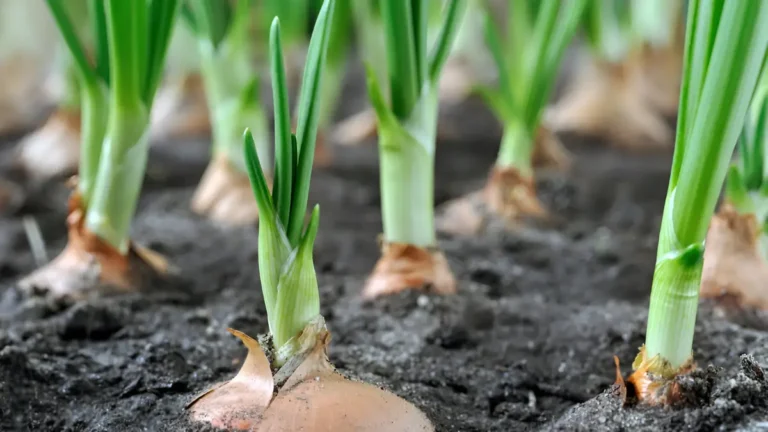
I find onions to be fascinating. They essentially grow in layers that are an extension of the onion’s leaves. Therefore, there are more layers of crunchy onion behind an onion that you can see emerging from the top. You are growing some quite large onions if you notice a lot of leaves.

  • Three primary varieties of onions are day-neutral, long-day, and short-day. Ideal for areas in the south with moderate winters. perfect for areas in the north with lengthy summer days. Most places can use it because it is less sensitive to the duration of the day.
  • Onions like their soil to be healthy, and well-draining, with a pH between 6.0 and 7.0. clearing away trash and weeds. Compost or well-rotted manure can be added to increase fertility. ensuring appropriate drainage to avoid flooding.
  • Eight to ten weeks before the latest frost date, begin inside. When seedlings are 3–4 inches tall, transplant them outside. Plant straight in the garden one to two weeks ahead of the final anticipated date of frost. Acquire from a nursery and sow following the final frost.
  • Plant seeds in rows spaced 12–18 inches apart, 1/4 inch deep. Plant rows 12–18 inches apart in sets that are 1 inch deep and spaced 4-6 inches apart. Place plants in rows 12–18 inches apart, spacing them 4-6 inches apart.

1. Hydrating:

Onions do not like soggy soil; they need constant moisture. Once a week, give the soil a thorough watering to keep it equally hydrated. When onions get older, water them less to avoid rot.

2. The process of fertilization:

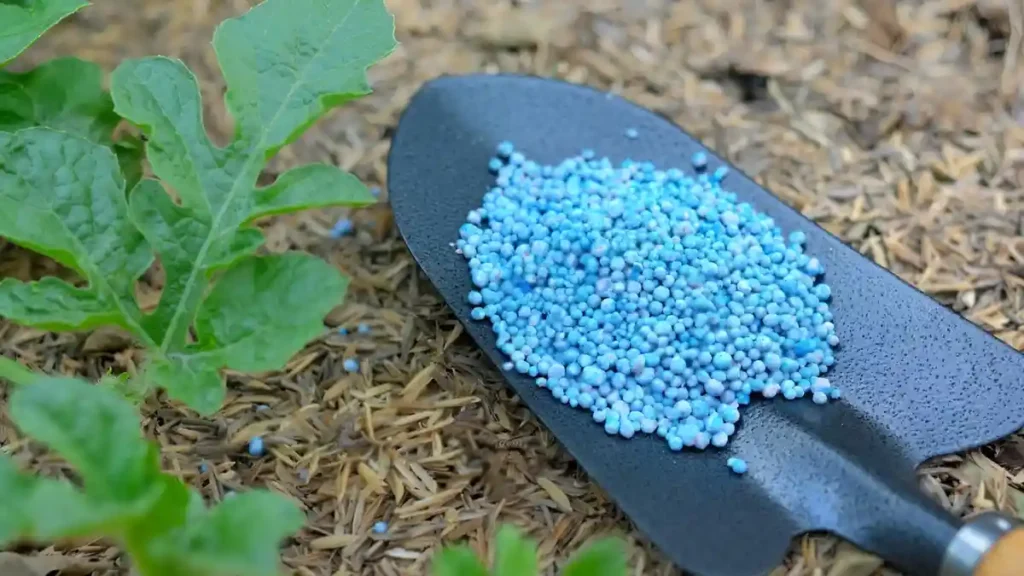
Frequent feeding is beneficial for onions. To encourage bulb development, use a fertilizer that is heavy in phosphorus or one that is balanced. During the planting season and every few weeks thereafter, fertilizer should be applied.

3. Mulching:

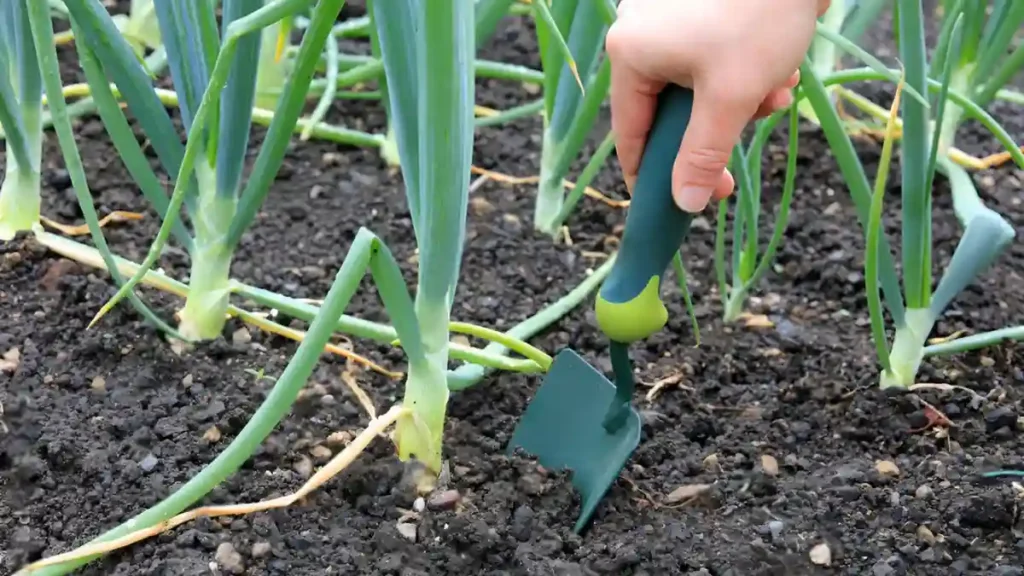
To control soil temperature, inhibit weed growth, and conserve moisture, mulch the area surrounding your onion plants. Mulch made from straw, grass clippings, or compost is effective.

4. Diseases and pests:

Keep an eye out for typical onion pests such as aphids, thrips, and onion maggots. If necessary, apply the proper chemical or organic controls. By maintaining adequate air circulation and avoiding overhead watering, you can prevent infections.

5. Harvesting onions from garden:

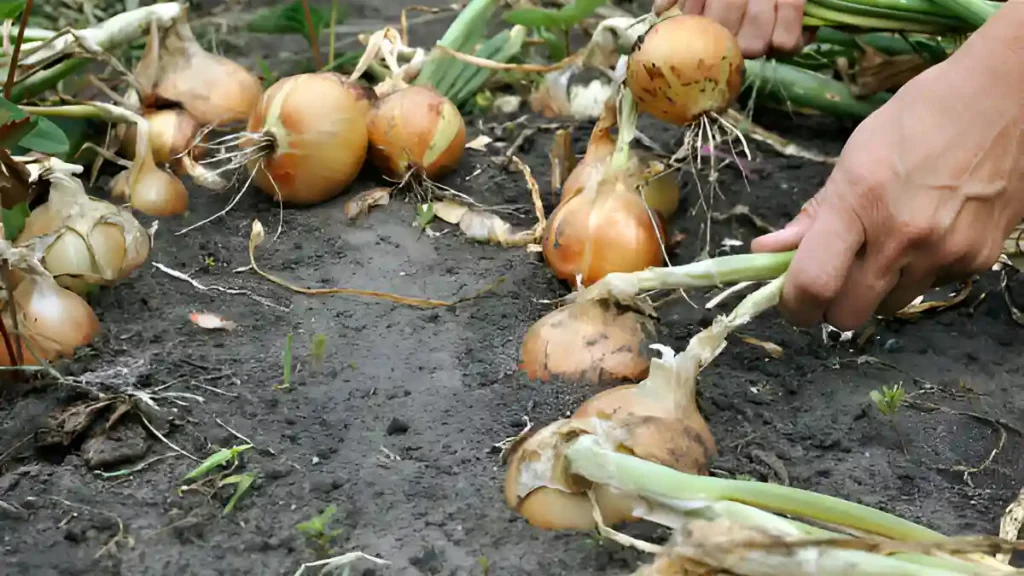
When the onion tops turn yellow and fall off, harvest them. After removing the dirt from surrounding the bulbs, carefully lift them out. Let onions cure for two to three weeks in a well-ventilated, warm, and dry place before keeping.

6. How to store onions:

Onions should be kept dry, cold, and well-ventilated when being stored. With the right storage, they can last for several months.

How to grow onions is a simple operation that, with the right preparation and attention, may provide an abundant harvest. These easy techniques will help you harvest an abundance of onions from your garden. Happy expanding!

Certainly! If you’d like to learn more, please consider following our WhatsApp Channel: Harvest Gardening

Q1. How to plant onions from seed?

A1. If starting from seed, sow onions inside in trays with seed-starter mix at least six weeks and up to twelve weeks ahead of time for outdoor planting. The tray should be exposed to artificial grow lights for ten to twelve hours per day.

Q2. How to grow onions in pots?

A2. Onions can grow well in containers if the soil in your yard is too compacted or if the lighting isn’t ideal. Select a container that is about one foot deep. Provided that each onion has around 6 inches of room on both sides, you can plant more than one onion in a container. 

Q3. Are onions easy to grow?

A3. Though most gardeners can grow onions with a little experience, they are thought to be tough to grow. Assets typically have a high success rate, try developing from them first.

Q4. How to grow onions from seeds?

A4.  Choose an area that receives at least six to seven hours of sunlight each day. Set the onion seeds 2 inches deep and 4 inches apart if you want them to grow big. The onions will have plenty of space to grow as a result. 

Q5. Can dogs eat onions?

A5. No, onions are harmful to dogs and can lead to major health problems, therefore they shouldn’t consume them.

The Irish name for “young clover,” shamrock, comes from the word seamróg and has come to represent Ireland. Oxalis spp is the scientific name for it. It originated in Southern Africa, South America, and Central America. Frequently, people purchase flowers to commemorate springtime festivities or to bring good fortune into their interior areas. Due to its lovely blossoms and simplicity of maintenance, this fragile plant is a favorite among those who enjoy houseplants. I’ll cover all you need to know in the following article to cultivate and maintain shamrock plant with ease.

  • Locate a spot for your shamrock planting that receives plenty of indirect light. Although they enjoy sunlight, oxalis might benefit from some shade during the warmest portion of the day. For instance, windows facing south are ideal in the winter but could be excessively warm in the summer. 
  • Since planting in the spring coincides with their usual flowering season, shamrocks prefer to go dormant in the summer rather than the winter. It usually takes 2-4 weeks for foliage to appear after planting, while flowers may not appear for 8-10 weeks.
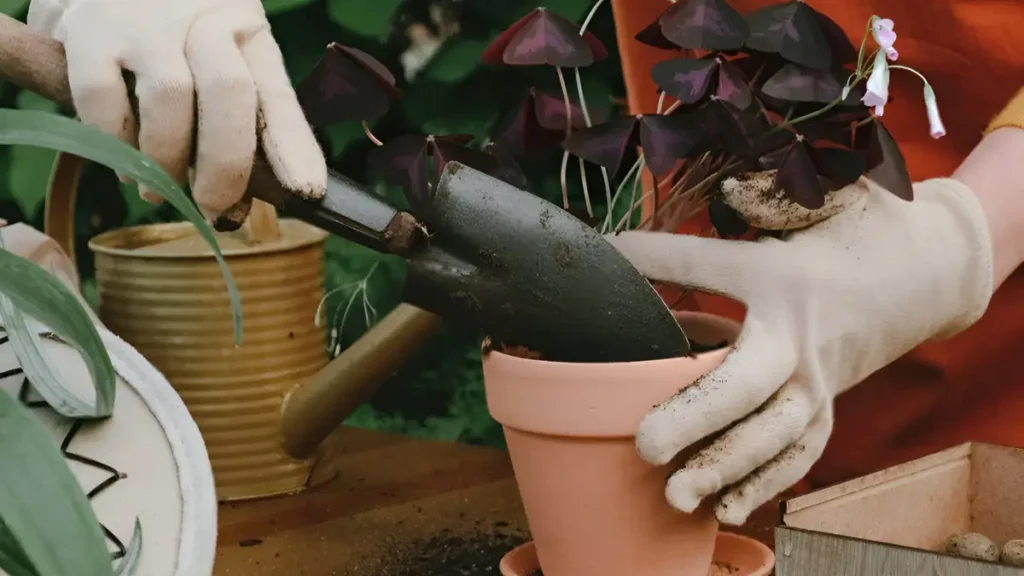
  • Make sure the potting mix drains well. In case you’re planting bulbs, be sure to excavate holes big enough to accommodate them and arrange them roughly 3.4 inches apart and 1-2 inches deep. Cover with surrounding dirt and push down carefully after the bulbs are in the holes.
  • To plant in a container, locate a bright, direct light place in your house and fill the container approximately three-quarters full with well-drained potting mix. Add one to two inches of more dirt on top of the bulbs. Water sparingly—between ½ and 1 cup will usually work until the top growth appears.

A lovely and well-liked plant is the shamrock houseplant. It belongs to the family of wood sorrels and is prized for its pretty leaves and little blooms. Both novice and expert gardeners love shamrock plants because they are low maintenance and require little attention.

  • To prevent the soil from drying out entirely, water the plant when it seems dry to the touch. The plant’s leaves may droop and wilt if it is not getting enough water. If you observe this, water more often. An alternative would be to provide a water source for the plant by setting a tray of water underneath the pot. Additionally, this will lessen the likelihood of the soil drying out too soon.
  • During the growing season, fertilize your shamrock once a month at half intensity with a balanced liquid fertilizer for plants. Feed the plant every two to three months when it is in a dormant state. If you see any evidence of nutritional insufficiency, think about increasing the frequency of fertilization as overfertilization might turn the leaves yellow or brown.
  • To promote healthy growth, remove any leaves that are dead or becoming yellow. Shady plants should be replanted every one to two years or when they become root-bound. If needed, use a slightly larger pot and a new potting mix.
  • Temperatures between 60 and 70°F are ideal for shamrock growth. An excessively hot or low temperature can stress a plant and make it more prone to illness. If you see any signs of stress in the plant, you may want to consider relocating it to a better area.
  • Aphids, spider mites, and whiteflies should be avoided. Stay away from overwatering your plant to keep these pests from attacking it. To get rid of these pests, you can also spray your plant with a solution of dish detergent and water. Typical diseases of shamrock plants include powdery mildew and leaf spot. These illnesses can also be treated with fungicides.

In conclusion, Bringing some greenery and good fortune into your house, raising and tending a shamrock plant may be a fulfilling endeavor. Your shamrock plant will flourish if you follow these care instructions, giving you years of beauty and perhaps even good fortune.

Certainly! If you’d like to learn more, please consider following our WhatsApp Channel: Harvest Gardening

Q1. How to propagate shamrock plant?

A1. With a clean knife, trim the roots, then divide them and repot them in a pot with premium potting mix. To assist them in settling into their new surroundings after repotting.

Q2. How long do shamrock plants last?

A2. The plant can grow indoors for an extended period with the right care. After a one to three-month dormant phase in the winter, it blooms intermittently throughout the growing season.

Q3. Why are the leaves of my shamrock plant turning yellow?

A3. Shady plants may turn yellow in the leaves due to overwatering or inadequate drainage. To avoid root rot, make sure the plant has adequate drainage and water it less frequently.

Q4. How to grow a shamrock plant indoors?

A4. A shaded spot is ideal for your shamrock houseplant. During the growth season, fertilize your shamrock plants every two to three weeks and cut back on watering in the winter to promote blossoms.

Q5: What is a Purple Shamrock Plant?

A5: Native to South America, Oxalis triangularis, commonly known as the Purple Shamrock Plant, is a blooming plant. It is distinguished by its exquisite white or pink flowers and unusual purple, triangular leaves.

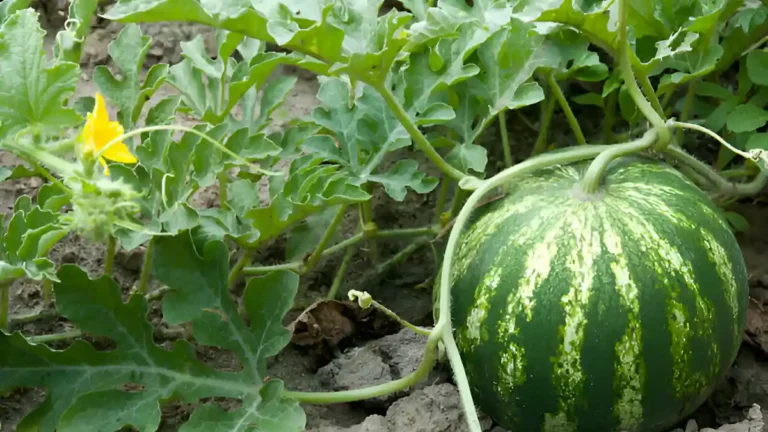
Growing watermelon may be a productive and pleasurable gardening endeavor, producing juicy, sweet fruits ideal for the summer. But growing big, tasty watermelons requires close consideration of a few crucial elements. No matter how experienced you are in gardening, you can still cultivate the best-tasting watermelons by learning the fundamentals and putting some professional advice into practice.

  • When thinking about growing watermelons, remember that it’s pretty easy. The plant does everything. Watermelons thrive in warmer climates, but if you reside in the north, there are some helpful recommendations you may follow to make your attempts to produce them fruitful.
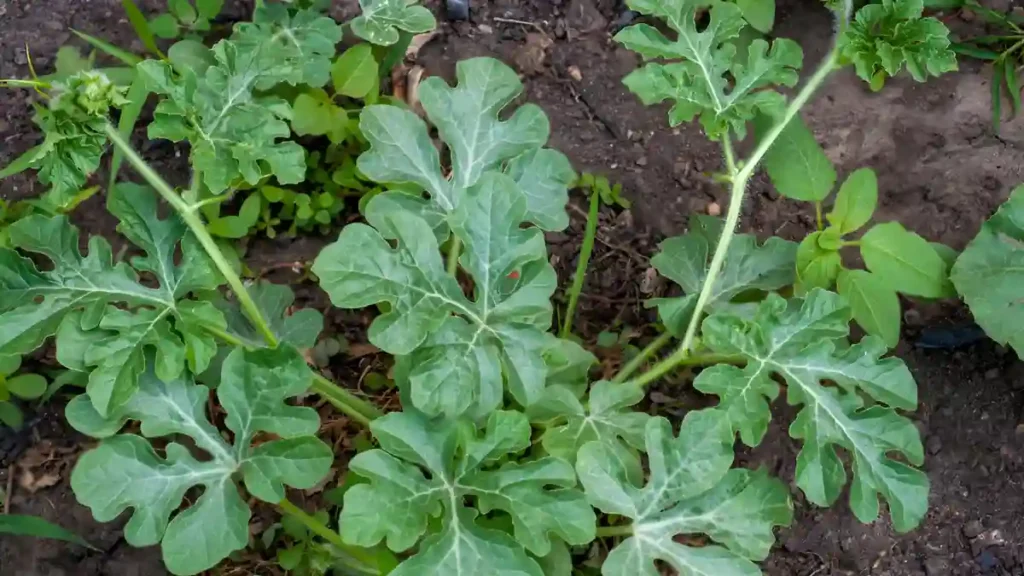
  • One of the best ways to cultivate watermelon in the north is to start early varieties indoors and utilize transplants rather than sowing seeds directly into the ground. Large-growing watermelon seedlings don’t transplant well, so although the plants can be started indoors and then moved outdoors, don’t start them too early.

1. Choosing the Correct Varietal

Selecting the right type of watermelon is essential. Fruits of various shapes, sizes, and sweetness levels are produced by distinct types, each with its specific growing requirements. Among the popular kinds are:

  • Sugar Baby: Distinguished by its little stature and delicate nature.
  • Crimson Sweet: A big variety with a lot of sweetness.
  • Jubilee: Generates long, massive fruits.

2. Ideal conditions for growth

Although it can withstand temperatures as high as 90°F (32°C), the crop thrives best in long, hot summers with daytime highs of 70 to 85°F (21 to 29°C). Planting should wait until there is no longer a chance of frost because cold is harmful to crops. The watermelon’s growth and harvesting period will be slowed by cold temperatures below 50°F (10°C) or high temperatures above 95°F (35°C). 8 to 10 hours a day in direct sunlight.

3. Ideal soil for growing watermelons

Given the crop’s high nutritional needs, lush, nutrient-rich soils are ideal for its growth. Although sandy loam is the best type of soil for growth, the crop will grow in practically any type of soil that drains well. Growing these plants might be challenging in excessively clay-rich, poorly draining soils.

Plant development and yield are closely correlated with soil pH since the latter influences the plant’s capacity to absorb nutrients. Watermelons grow best on soils with an acidic pH of 6.0 to 6.5. Soil additives can be used to bring the pH of the soil to the optimal level needed for crop growth.

4. How to get your soil ready for watermelon

Before planting watermelons, clear the field of pebbles and trash, aerate the soil, add old manure or compost, and lime to balance acidity and nutrient absorption. Irrigate the field and let it dry and warm before planting.

5. When to start growing watermelon

In temperate growing zones, direct sowing is the recommended method; in colder growing regions, start seeds indoors two to three weeks before the last anticipated frost. Watermelons should not be planted in a hurry since seeds sown too soon may take longer to germinate and result in uneven stands.

6. Properly spaced

Watermelons need lots of room to spread out. Sow seeds or seedlings 6 to 12 feet apart in rows, with 6 to 8 feet between each row to provide for proper air circulation and plenty of growing space.

  • Because their roots are deep, watermelons less regularly but deeply. Try for one to two inches of water each week. For disease prevention and dry foliage, use soaker hoses or drip irrigation.
  • For foliage growth promotion, use a fertilizer high in nitrogen. When the vines start to flower, switch to a fertilizer with higher potassium and phosphorus content. During this stage, an excess of nitrogen can result in more foliage and fewer fruits.
  • Reduce overgrown vines to focus the plant’s energy on developing fruit. To maximize the amount of space and sunshine exposure, train the vines to grow in a particular direction.

Producing larger, more flavorful watermelons through successful cultivation. You can raise your chances of growing watermelon that are a summertime delight by paying attention to these guidelines.

Certainly! If you’d like to learn more, please consider following our WhatsApp Channel: Harvest Gardening

Q1: When is the best time to harvest watermelon?

A1: When the tendril nearest to the fruit turns brown and dries up, the melon’s underside becomes yellow, and the fruit taps hollow, watermelons are ready to be harvested.

Q2: What are the varieties of some fastest-growing watermelon?

A2: With a maturity period of roughly 75 to 80 days, the ‘Sugar Baby’ watermelon is frequently the fastest-growing type.

Q3: How can I prevent pests and diseases in watermelon plants?

A3: Aphids, cucumber beetles, and squash bugs are common pests. To manage infestations, apply neem oil or insecticidal soap. Crop rotation, adequate spacing for air circulation, and steering clear of overhead watering are ways to prevent diseases such as fusarium wilt and powdery mildew.

Raspberries are a popular fruit due to their bright color, juicy texture, and sweet-tart flavor. Raspberries are great in jams, pies, tarts, smoothies, and drinks, in addition to being ideal for plucking and eating right off the stem. They are indigenous to North America, Europe, and Asia, and they thrive in a variety of temperatures. Here is detailed information on planting and caring for raspberries.

  • Start with raspberry canes from a reliable nursery that is one year old. As the earth thaws and becomes workable, plant in the early spring. 
  • Planting in late autumn might also offer plants a head start in milder climates.
  • After there is no longer a chance of frost, plant potted transplants in the spring. 
  • Before planting, let the roots soak for one or two hours. Ideal soil has a pH of 5.5 to 6.5, is well-drained, and is slightly acidic. Loamy, rich soil is suitable.   
  • Growing raspberries requires six to eight hours of sunlight per day, so place them where they will receive this benefit.
  • Create a space in the hole that allows the roots to grow. The depth of the roots should be two to three inches.
  • Not placing them within 300 feet of any wild blackberry bushes is another thing to take into account while planting.
  • Watering

Water frequently, particularly in arid times. Keep the roots consistently moist without letting them get too wet. Foliage should be kept dry and disease risk should be minimized via drip watering or soaker hoses.

  • Fertilizing

Fertilize raspberries twice a year in the first year of planting, according to recommended care. You may then fertilize your raspberry plants every year as they grow. Each 100 feet of row requires two to three pounds of 10-10-10 fertilizer. 

  • Mulching

Mulching helps manage soil temperature, suppresses weeds, and retains moisture. Make sure the land is kept clear of weeds when cultivating raspberries. Don’t forget to give the shrubs regular watering. Utilizing a mulch made of straw can aid in controlling weed growth.

  • Pruning of raspberry plants

The type of raspberry you’re cultivating will determine how you prune it. Trimming summer raspberries is recommended twice a year. Pruning should be done either selectively for two crops or completely for an autumn crop in late winter or early spring.

  • Propagating

As raspberries are susceptible to numerous diseases and viruses as they mature, reproduce only from recently purchased, certified virus-free plants. This will ensure that the new plants have less vitality and crop potential.

  • Treatment of diseases and pests

During June through August, be aware of Japanese beetles and spider mites. Particularly, Japanese beetles love strawberries. In winter, rabbits enjoy munching on the canes. Rabbit damage can be avoided with the use of a chicken wire fence. 

  • Seasonal care tips

In colder climates, cover plants with a layer of mulch or straw to insulate their roots. To get your raspberries ready for the upcoming growth season, prune them according to the kind you have.

  • Harvesting raspberries

When your berries are vibrantly colored, they are ripe enough to eat. Gather raspberries by carefully pulling the fruit off. Once you find the ideal sweetness, you can begin sampling them every day. Before the birds do, make sure you gather your raspberries.

Raspberries are renowned for their sweet-tart flavor and vivid color. They are a very nutritious and adaptable fruit. They are a great complement to a balanced diet because of their abundance of vitamins, minerals, antioxidants, and dietary fiber. Antioxidants such as vitamin C and quercetin, which are abundant in raspberries, may offer protection against some chronic diseases. Planting raspberries can be successful if you adhere to the above criteria.

Certainly! If you’d like to learn more, please consider following our WhatsApp Channel: Harvest Gardening

Q1. Can dogs have raspberries?

A1. Sure, when given in moderation, dogs can eat raspberries. Dogs may benefit from the antioxidants, fiber, and vitamins found in raspberries.

Q2. How to grow raspberries indoors?

A2. When growing raspberries indoors, it is recommended to use fertile soil, expose the plants to direct sunlight for at least 6 to 8 hours each day and water them whenever it feels like the top inch of soil is dry.

Q3. How long do raspberry plants live?

A3. Though their productivity begins to diminish after around 5-8 years, raspberry plants normally live for about 10-15 years. Their productive lifespan can be increased with proper upkeep and care.

Q4. How many types of raspberries are there?

A4. There are more than 200 species of raspberries, including well-known kinds like golden, black, purple, and red. The color, flavor, and growth traits of these types vary.

Welcome to our detailed guide on Clementine tree maintenance and growth! A beautiful kind of mandarin orange, clementine trees are known for their fragrant flowers and sweet, juicy fruits. These little citrus trees are delightful to nurture and enhance any indoor or outdoor area with a hint of elegance and smell. Nevertheless, a large portion of the nation is far too cold to support the growth of these semi-tropical fruits since clementine fruit trees need mild weather above 50 F (10 C). Remarkably resilient to freezing temperatures, clementines are small enough to be kept as houseplants.

1. Selecting the ideal clementine tree

There are three varieties of clementines: common, seedless, and self-pollinating; monreal, with seeds and self-pollinating; and sweetclems, with just ten sections of citrus and high sugar content. Red Ruby, Tardivo, Mandared, and Commune are ideal choices for container gardening.

2. Selecting the ideal site:

  • Sunlight: Clementine trees need full sun, meaning they need six to eight hours a day in direct sunlight.
  • Climate: USDA hardiness zones 9 through 11 are ideal for them. They can be cultivated in containers and brought indoors for the winter in colder climes.
  • Soil: The soil must be able to drain well. The optimal sandy loam has a pH of 6.0 to 7.0.

3. How to plant a clementine tree:

  • After the last frost, plant clementine trees in the spring.
  • First things first: pick a planting location that gets at least six hours a day of direct, unfiltered sunlight.
  • Eliminate any weeds and sweep up any trash and turfgrass.
  • Create a hole that is the same depth but three times wider than the container your clementine tree arrived in.
  • Using your hand or a tiny spade, gently tease the roots of the root ball.
  • In the hole, set your clementine tree.
  • After adding soil to halfway, top it off with water.
  • Once it evaporates, proceed to fill the hole completely.
  • To assist retain moisture, cover the roots with a 2-3 inch layer of mulch, taking care to keep the mulch away from the trunk.
  • Ascertain that the soil is consistently moist but not drenched. Generally speaking, deep watering once a week is sufficient; however, this can vary depending on the soil and weather.
  • To avoid rot, spread a layer of mulch around the base of the tree that is two to three inches thick, staying a few inches away from the trunk. Mulch aids in controlling soil temperature and moisture retention.
  • Apply fertilizer in the early spring, late spring, and early fall of each year. Observe the application rates specified in the manufacturer’s instructions.
  • Before new growth appears, prune in late winter or early spring. Make use of sharp, clean tools. Just above a bud or branch junction, make 45-degree incisions.
  • Aphids, scale insects, and spider mites. To control infestations, apply horticultural oil or insecticidal soap.

Any patio or yard can benefit from the wonderful addition of clementine trees. You will be well-equipped to care for a robust and fruitful Clementine tree that will give you delicious fruits for many years to come if you heed the guidance in this book. Together, let’s set out on this rewarding quest to turn your garden into a citrus oasis!

Certainly! If you’d like to learn more, please consider following our WhatsApp Channel: Harvest Gardening

Q1: How long does a clementine tree take to fruit?

A1: After planting, clementine trees usually take two to three years to begin bearing fruit. Nonetheless, fruit production peaks often appear between 4 and 5 years of age.

Q2: Can dogs eat clementines?

A2: In moderation, dogs can indeed consume clementines. However, citrus should be consumed in moderation as too much of it might upset the stomach.

Q3: What is the significance of clementine tree flowers in the fruiting process?

A3: The clementine tree’s blossoms are essential to the fruiting process. Fruit develops after the blooms are successfully pollinated, and it usually reaches maturity by late fall or early winter.

Q4: What is a dwarf clementine tree?

A4: A smaller form of clementine tree that may be grown in tiny gardens or containers is called a dwarf clementine tree. It bears tasty, seedless fruit and requires little maintenance.

Cherry trees are a lovely addition to any garden because of their beautiful flowers and tasty fruits. Knowing the proper techniques for cultivating and maintaining cherry trees is crucial for a strong, fruitful tree, regardless of gardening skill level. You’ll get vital advice and methods from this book to make sure your cherry trees flourish.

The first step is to select the appropriate variety of cherry trees. Cherry trees can be classified as either sour (Prunus cerasus) or sweet (Prunus avium). Tart cherries are usually used for baking and cooking, while sweet cherries are usually consumed fresh. Consider your climate; sour cherries can withstand greater cold than sweet cherries, which need a more moderate environment.

Planting cherry trees:

  • Dig a hole that is exactly as deep and twice as wide as the root ball.
  • Make sure the root collar—the area where the roots and trunk meet—is level with or just above the soil surface when you plant the tree in the hole.
  • After adding soil to the hole, gently compact it to eliminate any air pockets. To help the dirt settle, thoroughly water.
  • In early spring or late fall, when the earth is still soft and has a higher-than-average moisture content, plant cherry trees in a sunny spot with good air circulation and deep, well-drained soil.
  • After adding the mulch, water it well. If your tree has fruit, you will need to cover it after it blooms with wildlife-safe netting to keep birds away from the fruit.
  • Cherry trees thrive on soil that is deep, drains well, and has a pH of 6.0 to 7.0. Cherry blossoms require at least six hours of direct sunlight per day.
  • Planting cherry trees requires healthy, well-drained soil. Cherry trees require well-drained soil since they are vulnerable to root rot.
  • Additionally, as they require around eight hours of sunlight every day, you cannot plant them in an area where they will grow in the shade of other trees.
  • Any handbook on cherry tree maintenance will tell you that sour cherry trees are self-pollinators. It means that for them to produce fruit, just one tree is required. If you grow sweet cherry trees, you will need at least a few trees for optimum pollination.
  • Plant cherry trees in locations with higher elevations.
  • Since low-lying areas get more early spring frost, you should place them differently than elsewhere.
  • Because cherry tree blooms are so susceptible to frost damage, the amount of fruit produced is decreased.
  • Because sweet cherry trees blossom earlier than sour ones, they are more susceptible to frost damage.
  • Pruning cherry trees properly results in higher quality and more fruit production.

Watering:

  • Watering young cherry trees regularly is essential, especially in the early years. Water the soil often and deeply to keep it damp but not soggy. Although established trees are more resistant to drought, they still require frequent irrigation when the weather is dry.

When to prune cherry trees:

  • Twice a year, in early spring (before buds emerge but after the possibility of a cold snap) and late summer, pruning should be done. To get exact cuts, use clean, sharp instruments. Crossing branches, suckers, and any branches growing toward the core of the tree should be the main targets for removal.

Fertilizing cherry trees:

  • Fruit production and good growth are encouraged by fertilization. A balanced fertilizer, like 10-10-10) should be applied in the early spring before new growth begins. Stick to the fertilizer package’s suggested application rates; overfertilizing might result in excessive vegetative growth at the price of fruit output.

Cherry trees are lovely to grow and tend to, producing tasty fruit in the summer and lovely blossoms in the spring. You can take advantage of the abundance and beauty of healthy cherry trees for many years by adhering to these suggestions. An effective and profitable experience can be guaranteed with timely attention to the tree’s needs and proper care.

Certainly! If you’d like to learn more, please consider following our WhatsApp Channel: Harvest Gardening

Q1: How to grow cherry trees from pits?

A1: Cherry trees can be grown from pits by first cleaning and drying the pits, then storing them in a wet medium in the refrigerator for ten to twelve weeks. Finally, the pits can be planted outdoors in the spring in well-draining soil.

Q2: What are the main types of cherry trees?

A2: Prunus avium, or sweet cherry trees, and Prunus cerasus, or sour cherry trees, are the two principal varieties of cherry trees.

The succulent plant purslane, or Portulaca oleracea, has long been prized for its culinary and therapeutic uses. Although purslane is regarded as a weed by some, its remarkable nutritional content and ease of growing make it a valued addition to any garden. We will examine all facets of purslane plant care in this article, including planting, upkeep, and harvesting.

  • Sunlight: Full sun is ideal for purslane growth. Be careful to place it where it will receive six to eight hours of sunlight every day at the very least.
  • Soil: Purslane likes its soil to drain easily and have a pH that is between slightly acidic and neutral. Although it may thrive in unfavorable soil, it prefers rich soil that has been supplemented with organic matter.
  • Watering: Purslane needs regular hydration, although once established, it can withstand droughts. Particularly in dry seasons, give your purslane plants regular irrigation; however, watch out not to overwater since this might cause root rot.
  • Spacing: Plants of purslane should be spaced 6–12 inches apart, depending on the variety, to promote healthy development and air circulation.
  • Mulching: To help keep the soil moist and prevent weed growth, mulch the area around the base of purslane plants. Straw and shredded leaves are excellent examples of organic mulches.
  • Fertilizing: Since purslane is a light feeder, little fertilizer is needed. To promote healthy development, you can, nevertheless, apply a balanced fertilizer once or twice during the growing season.
  • Pruning: To promote bushier growth and keep purslane from growing lanky, pinch back or harvest it on a regular basis. Fragile stems and leaves can be harvested and used in recipes.
  • Control of Pests and Diseases: Although purslane is largely immune to pests and diseases, it can occasionally be harmed by fungi, snails, or aphids. Regularly check on your plants, and if any problems emerge, take the necessary action, such as hand-picking pests or applying organic pest management techniques.

In conclusion, regular watering, plenty of sunlight, and well-drained soil are all essential for purslane plant care. Mulching can aid in weed control and moisture retention. Furthermore, infrequent fertilization can encourage robust development. The general health of the plant depends on proper maintenance, which includes getting rid of any unhealthy or damaged portions. Purslane is a vegetable that can grow well and yield a lot of healthy greens for cooking.

Certainly! If you’d like to learn more, please consider following our WhatsApp Channel: Harvest Gardening

Q1: How do you grow purslane plant?

A2: The purslane plant is a low maintenance garden that grows best in well-drained soil with lots of sunshine. After your area’s last frost date, sow the seeds straight into the ground and maintain the soil moist until germination takes place. To give them room to grow, thin the seedlings so that they are about 6 inches apart.

Q2: What is the rock purslane plant?

A2: Calandrinia grandiflora, or rock purslane, is a blooming perennial plant endemic to South America. Its vivid, spectacular flowers and succulent foliage are what define it.

Q3: What are the health benefits of common purslane plant?

A3: The many health advantages of common purslane are well documented. It has high levels of calcium and magnesium, as well as omega-3 fatty acids, vitamins A, C, and E. Its antioxidant and anti-inflammatory qualities may strengthen the immune system and enhance heart health.

One of the most satisfying crops to raise is the tomato, which has an abundance of flavor, vivid colors, and culinary applications. Although it’s desirable to have a large garden, not everyone can afford one. Luckily, tomatoes grow just as well in pots and containers, so anyone with limited outside area, even urban dwellers and balcony gardeners, can grow tomatoes. In this guide, we’ll explore the essential steps on how to grow tomatoes in pots.

  • Choose a pot with bottom drainage holes that measure at least 18 inches in diameter. Bigger pots give the roots more room to spread out and slow down the rate at which the soil dries out.
  • A superior potting mix that is light, well-draining, and full of organic matter should be added to the container. Garden soil should not be used since it can compress in containers and impede root development.
  • In each pot, plant one tomato seedling. Create a hole that is just a little bit bigger than the seedling’s root ball, then carefully transfer it to the pot’s center. Fill in the hole with soil, being careful to compact it slightly around the plant’s base.
  • Water the plants often, especially in hot and dry weather, as tomatoes require steady hydration to flourish. Do not overwater the soil; instead, water deeply until any extra water runs out of the bottom of the pot.
  • Tomatoes grown in containers will benefit from consistent feeding. Utilize a tomato-specific fertilizer that is balanced and adheres to the directions on the container. As an alternative, you can provide the plants’ nutrition by using compost or organic fertilizer.
  • Get rid of any suckers that grow in the leaf axils to motivate the plant to concentrate its efforts on producing fruit. Watch out for illnesses and pests, and take the necessary action to keep them under control.
  • The pots should be placed in a bright area with at least 6 to 8 hours of sunlight per day. Full sun is ideal for tomatoes, and they will yield more fruit if given enough light.

To sum up, learning how to grow tomatoes in pots can be a satisfying and practical method to eat fresh food even in small settings. This book provides insightful advice for effective container gardening, covering everything from choosing the ideal container and soil to giving it the necessary care and upkeep. Whether on a modest urban patio or a sunny balcony, anyone may enjoy the delights of homegrown tomatoes with a little attention to detail and perseverance.

Certainly! If you’d like to learn more, please consider following our WhatsApp Channel: Harvest Gardening

Q1: How to grow tomatoes indoors?

A1: When growing tomatoes inside, make sure the soil drains effectively, maintain constant moisture levels, and give the plants lots of natural or artificial light.

Q2: How can I support tomato plants in pots?

A2: To provide your tomato plants support as they grow, stake or cage them. This keeps them from buckling or shattering under the fruit’s weight. When planting the tomato seedling, place the support structure in the pot to prevent subsequent disturbance of the roots.

Q3: How to grow tomatoes upside down?

A3: Tomatoes can be grown upside down by hanging a container with soil-filled drainage holes and inserting the tomato seedling through the bottom to allow it to grow downward.

Basil, one of the most utilized herbs in the world, is famous for its many culinary and medicinal uses from India to Italy. The intensely fragrant leaves are a vital component of many well-known dishes, including Vietnamese, Thai, and Italian. Basil is well-known for its nutritional value and health advantages. It is a good source of antioxidants, trace minerals, and vitamins. Learning how to grow basil in your own house, be it on a sunny windowsill, garden, or balcony, may be a fulfilling experience.

  • Warm, bright areas are ideal for basil growth. Choose a spot that gets at least 6 to 8 hours of sunlight each day.
  • Basil is a heat-loving plant that can become stressed by the cold. Hold off until the weather is consistently in the 70s during the day and over 50 degrees F at night, which is in late spring or early summer.
  • Basil likes its soil to have a high organic content and good drainage. Make sure the soil is rich and loose. To improve the soil’s quality, you can add old manure or compost.
  • Basil can be grown from seeds or transplanted from a nursery as seedlings. When directly sowing seeds, make sure they are buried in the ground about ¼ inch. When transplanting, give the seedlings a 6–8 inch gap between them.
  • Don’t let plants dry out; instead, keep them evenly hydrated. Underwatering can result in stressed or wilted plants while overwatering can lead to fungal diseases and root rot. Watering in the morning is ideal to prevent sopping the leaves.
  • There is rarely a need for additional fertilizer when the soil is well-amended. Rapid growth brought on by overfertilization may produce a loss of flavor. During the growing season, apply an all-purpose organic liquid fertilizer at half intensity once or twice if needed. Fertilize once a month as nutrients will leak out of containers more quickly.
  • To promote bushier growth and keep the basil plant from blossoming too soon, pinch off the tips of the plant regularly. When harvesting leaves, take care not to take off more than one-third of the plant at once.
  • Tomatoes, peppers, and other herbs like cilantro and parsley thrive well with basil. When planted together, they can ward against pests and enhance general plant health.

In conclusion, gardeners of all skill levels can find pleasure and fulfillment in learning how to grow basil. You can grow robust basil plants that will give you a consistent supply of fresh herbs for flavoring and cooking by adhering to these simple guidelines. Adding basil to your garden can enhance the flavor, aroma, and aesthetic appeal of your outdoor area, regardless of your level of gardening expertise. Now gather your gardening tools, roll up your sleeves, and get ready to enjoy a plentiful harvest of your basil!

Certainly! If you’d like to learn more, please consider following our WhatsApp Channel: Harvest Gardening

Q1: How to grow basil indoors?

A1: Basil can be grown indoors with proper drainage, regular watering, and placement in a sunny area to avoid root rot.

Q2: What type of soil is best for growing basil?

A2: Well-draining soil with a pH of 6.0 to 7.5 is ideal for basil growth. For best results, use a light, healthy soil mixture that has been enhanced with compost.

Q3: How do I harvest basil leaves?

A3: To cut basil leaves, pinch off individual leaves or cut the stems above the leaf nodes. Frequent harvesting increases plant longevity and promotes bushier growth.

The Asparagaceae family includes the yucca plant. Their tall, spiky leaves and distinct rosette structure are what set them apart. While some yucca plants grow into shrubs, others produce a trunk like a tree. In the south, where they receive lots of sunshine, yuccas thrive organically. However, cultivating yucca in a container garden is a wonderful way to bring the outside in. If you take proper care of your houseplants, you can prolong the life of these powerful figures. We will delve into the intriguing world of indoor yucca plant in this in-depth guide, and we’ll look at how they can completely transform the look and feel of your living area.

  • Light: Bright, indirect light is preferred by yucca plants. Avoid placing them directly in the sun, especially during the hottest part of the day; instead, place them close to a window where they may get enough of natural light.
  • Water: Although the indoor yucca plant can withstand drought, consistent watering will promote optimal growth. Watering the leaves directly could encourage fungal illness, so avoid doing so. When the top third of the compost is dry, it requires watering. In winter, cut back on watering by half.
  • Soil: Soil and compost are two of the main problems in caring for yucca plants indoors. Yuccas like well-draining soil, so choose compost wisely for your indoor plants. To provide proper drainage and avoid waterlogging, choose cactus or sandy soil.
  • Temperature and Humidity: Yuccas can tolerate a wide range of temperatures, though they do best in warmer climates. Although they can withstand dry indoor air, they will enjoy the odd mist in hot, dry weather.
  • Fertilizing: To promote healthy development, feed your yucca plant a balanced fertilizer throughout the spring and summer. For information on application rates, refer to the fertilizer package directions.

Understanding the unique requirements of indoor yucca plants and creating the right environment for growth is key to mastering their care. Indoor yuccas may flourish and make eye-catching accents to interiors when given the right care and attention to soil, light, temperature, and watering. You can easily maintain a gorgeous and healthy indoor yucca plant with little work if you adhere to these easy-care guidelines.

Certainly! If you’d like to learn more, please consider following our WhatsApp Channel: Harvest Gardening

Q1: How can I deal with pests on my indoor yucca plant?

A1: If your indoor yucca plant has pests like scale insects or spider mites, gently wipe the afflicted leaves with a moist cloth or sponge to get rid of the pests. Use neem oil or insecticidal soap as prescribed for severe infestations.

Q2: What are some indoor yucca plant problems?

A2: Overwatering can cause root rot in indoor yucca plants, while inadequate light can limit growth or cause yellowing of the foliage.

Q3: How do I propagate red yucca plant?

A3: You can multiply red yucca plants by dividing them or by gathering and sowing their seeds. The best times to divide plants are in the spring or early summer, although seeds can be put indoors in late winter and moved outside following the last freeze.

Q4: What are some common indoor yucca plant varieties?

A4: Yucca guatemalensis, or Guatemalan yucca, Yucca aloifolia, or Spanish bayonet, and Yucca elephantipes, often called spineless yucca or huge yucca, are some typical types of yucca plants grown inside.

The string of pearls plant (Curio rowleyanus) is a wonderful illustration of the diversity and variety seen in the world of succulents. The plant, often called string of beads, looks just like its namesake. Unique leaf structures that resemble peas adorn cascading stems, evoking the image of a delicate string of pearls. You’ve come to the perfect location whether you’re a novice wishing to add a distinctive plant to your collection or an experienced succulent fan. We’ll cover all you need to know in this guide to take care of and grow string of pearls (Senecio rowleyanus), an eye-catching succulent with trailing stems decorated with leaves that resemble beads.

Light

This string of beads, which belongs to the aster family, was discovered growing wild in South Africa’s eastern Cape. In its natural habitat, the plant grows in bright, sunny spots. String of pearls are a great houseplant that do best in bright, indirect sunshine. Especially during the hottest times of the day, place them close to a window so they may get sufficient of light without being directly exposed to the sun. A plant that receives insufficient light may grow lanky and lose its distinctive shape.

Water

Although String of Pearls is a drought-tolerant succulent, over watering can cause root rot. In between waterings, let the soil almost fully dry out. During the growing season (spring and summer), water sparingly, usually once every two to three weeks, and even less frequently during the dormant season (autumn and winter). To keep the fragile pearls from decaying, irrigate the soil directly rather than above.

Temperature

Temperatures between 70 and 80 degrees Fahrenheit (21-27 degrees Celsius) are optimal for growth. This plant does not withstand freezing temperatures and is hardy in zones 9 through 11 of the US Department of Agriculture’s hardiness map. In winter dormancy, the plant can tolerate temperatures as low as 50°F (10°C).

Soil

The soil around a string of pearls plant needs to drain extremely well. Choose a succulent potting mix or a well-draining cactus for your indoor plant. Sand or perlite can also be added to enhance drainage. Steer clear of dense, water-retaining soils since they may cause root rot.

Fertilizer

During the growing season, which spans the spring and summer, feed String of Pearls approximately once a month with a diluted, balanced liquid fertilizer. Don’t fertilize when the plant is dormant.

Pruning

As part of the upkeep of your string of pearls, you can occasionally discover that pruning plants is required to keep its size or attractiveness. It’s easy to accomplish this. Cut off any pearls that have fallen off the stems and any stems that have lost a significant amount of beads. Plants that are fuller and more compact will benefit from pruning back.

Pests and Diseases

Although overwatering can cause fungal problems and root rot, String of Pearls are comparatively resistant to pests and illnesses. Look out for symptoms of overwatering, such as burnt roots or mushy stems. These plants can also occasionally become infested by mealybugs and aphids; treat infestations as soon as possible with neem oil or insecticidal soap.

As we get to the end of our comprehensive guide to string of pearl plants, it is clear that these unusual succulents have low care needs and visual appeal. Fans may grow healthy specimens indoors or out by knowing their particular requirements for light, water, soil, and temperature. These lovely plants may beautify living areas with their cascading strands of spherical leaves, giving a touch of whimsy and beauty to any atmosphere with a little patience, care, and nurturing.

Certainly! If you’d like to learn more, please consider following our WhatsApp Channel: Harvest Gardening

Q1: What is a string of pearls plant?

A1: Senecio rowleyanus, commonly known as the string of pearls plant, is a succulent plant distinguished by its trailing branches that are covered in spherical, pearl-like leaves.

Q2: Can I propagate my string of pearls plant?

A2: Yes, a string of pearls plant is readily propagated by taking stem cuttings and letting them callus for a few days before planting them in a soil that drains properly. To encourage root development, make sure the cuttings are exposed to oblique sunlight and give them occasional mists.

Q3: How can I encourage my blue string of pearls plant to grow and trail?

A3: Enough sunlight, sporadic fertilization during the growing season, and frequent pruning to stimulate branching are all necessary to encourage growth and trailing. To promote trailing growth, you can also gently guide the stems along a support structure.

Clematis is one of the most well-liked and eye-catching flowering vines for home landscaping. These plants come in both herbaceous and evergreen forms, as well as woody, deciduous vines. With its breathtaking variety of hues and forms, clematis has long captivated gardeners’ affections across the globe. However, cultivating these magnificent blossoms can occasionally be difficult without the proper knowledge and care methods. Prepare yourself for an exciting voyage of exploration as we reveal the techniques for cultivating exquisite clematis blossoms with ease.

  • Clematis comes in a wide range of cultivars, each with specific requirements for growth. While some flower in the spring, others bloom in the summer or fall. Select a variety that is appropriate for your garden’s climate and size.
  • Clematis prefers either moderate shade or full sun. They do, however, prefer chilly roots, therefore it may be advantageous to put them close to other plants that shade their roots.
  • Clematis vines like their soil to be regularly moist and well-drained. The optimal pH range for soil is 6.5 to 7.0, which is ever so slightly acidic.
  • Create a hole that is twice as big and deep as the ball of clematis roots. Make sure the top of the root ball of the plant is level with the soil surface before planting it in the hole. Completely backfill the hole with soil and water.
  • Since most clematis kinds climb, they require assistance to develop healthily. Build a fence, trellis, or other support structure next to the plant so the vine has something to cling to as it grows.
  • Clematis has to be well-watered when first planted. Maintaining steady moisture levels is crucial for the growth of a strong, resilient root system. After they are established, clematis blossoms need to be watered at least once a week, or 1 inch or 2.5 cm. One way to keep an eye on the moisture levels in flower beds is to keep a rain gauge in your garden. Even while a lot of growers will have plenty of rainfall, other areas may need additional irrigation, especially during prolonged dry spells.
  • When new growth starts to show in the early spring, feed clematis with a balanced fertilizer. Steer clear of nitrogen-rich fertilizers, as they may encourage overly dense leaf growth at the expense of flower development.
  • Depending on the clematis variety, different pruning requirements apply. Pruning spring-blooming plants should be done after they have finished flowering, while summer- and fall-blooming plants should be pruned in late winter or early spring before new growth starts.
  • Mulch the area surrounding the plant’s base to help retain moisture, control weed growth, and maintain a consistent soil temperature.
  • Aphids, slugs, and snails are examples of pests to watch out for. Common illnesses to watch out for include powdery mildew and clematis wilt. Use the proper fungicides or insecticides to address any problems as soon as possible.

The main ideas discussed in the article or guide would be summed up by cultivating and taking care of clematis. It might stress how crucial it is to give clematis plants the necessary care, including choosing the ideal spot, offering sufficient support, giving them the perfect amount of water and fertilizer, and taking care of common pests and illnesses. It might also inspire readers to use the given advice and techniques to grow gorgeous and flourishing blossoms in their gardens. The overall goal of the conclusion is to equip readers with the knowledge and skills necessary to grow these plants successfully.

Certainly! If you’d like to learn more, please consider following our WhatsApp Channel: Harvest Gardening

Q1: When is the best time to plant clematis?

A1: Early spring or fall, when the ground is chilly but not frozen, are the ideal seasons to grow clematis. This enables the roots to grow before extremely high or cold temperatures. To save the plants from being stressed, avoid planting in the sweltering summer months.

Q2: Can I grow clematis vines in containers?

A2: These vines may be grown in containers, yes, but make sure the container is big enough and has drainage holes.

Q3: What are the different types of clematis flowers?

A3: These blooms can be divided into three primary categories: late-flowering, large-flowered hybrids, and early-flowering types. Each bunch has unique qualities related to size, color, and bloom duration.