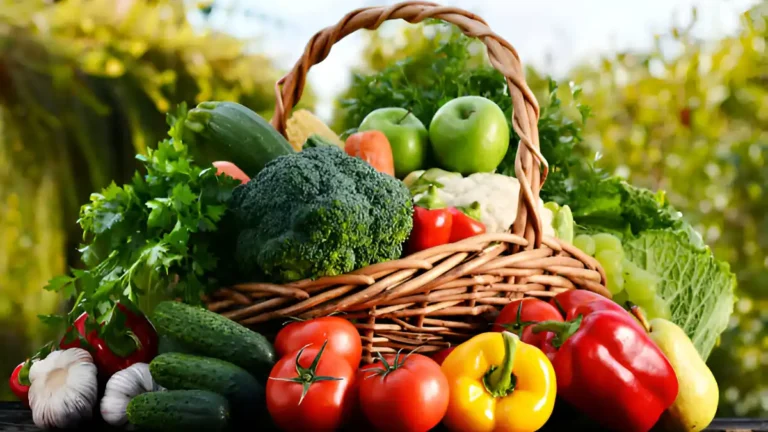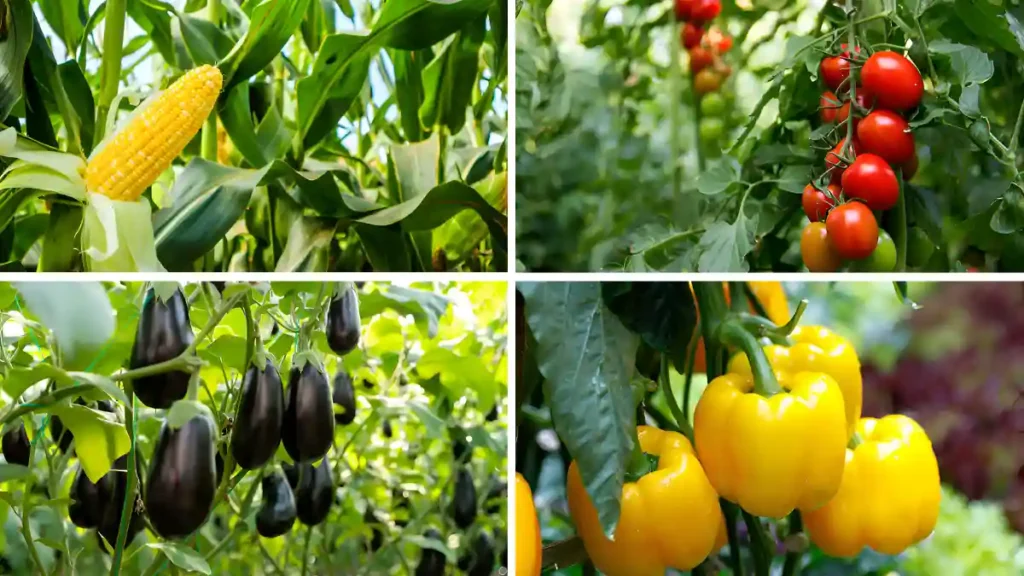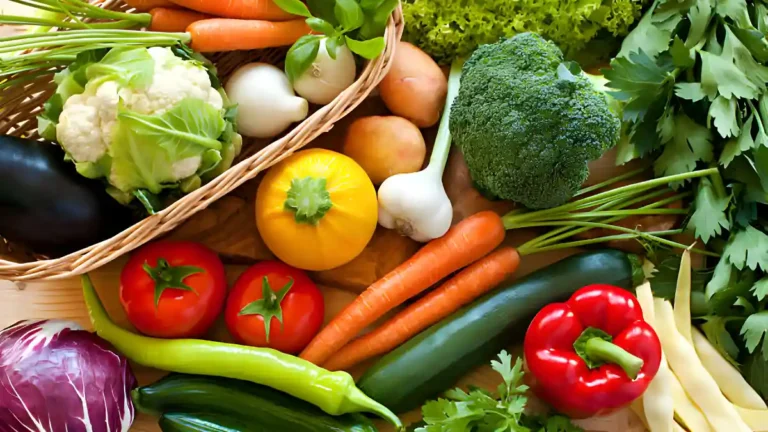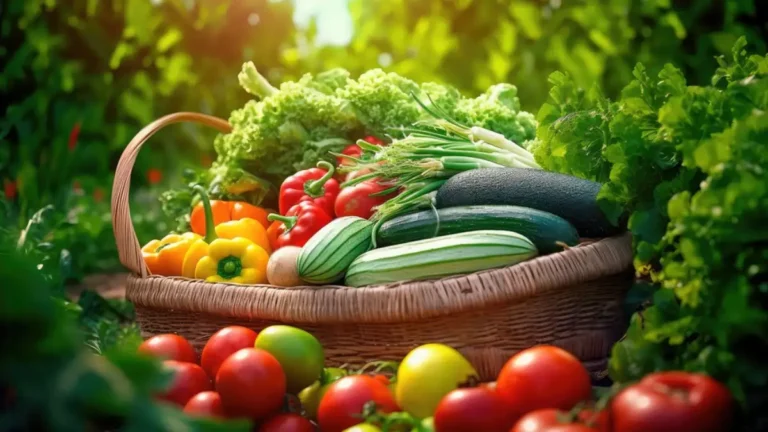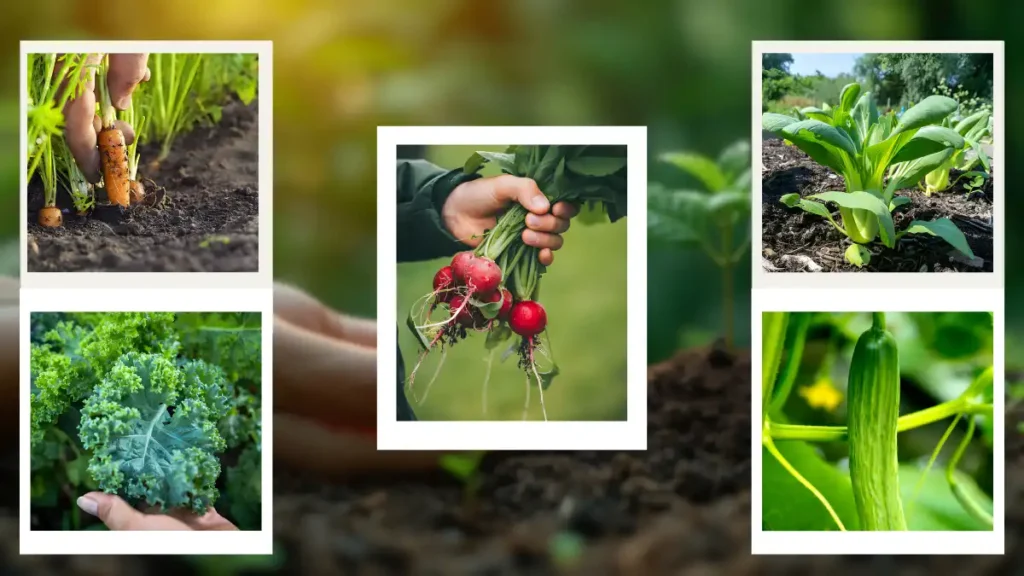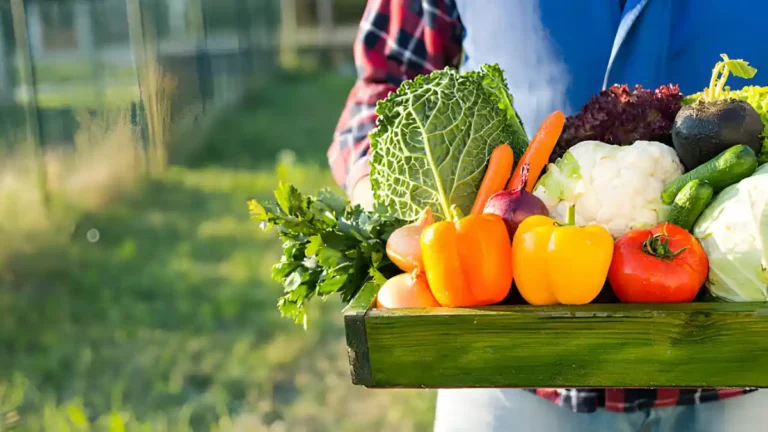
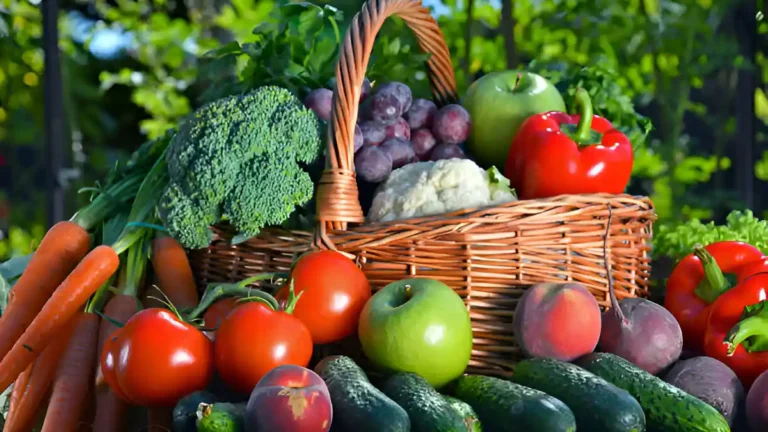
The summertime heat! As the temperature increases, a brilliant selection of hot-season crops emerges from our gardens. These marvels of sunshine that flourish in the heat add a pop of color and taste to our dishes. Savory and heat-loving, these veggies are ideal for summer gardening since they can withstand high temperatures and enjoy the warmth. Read this entire article to learn about some of the hot-weather vegetables that thrive in the summer heat.
Best hot weather vegetables:
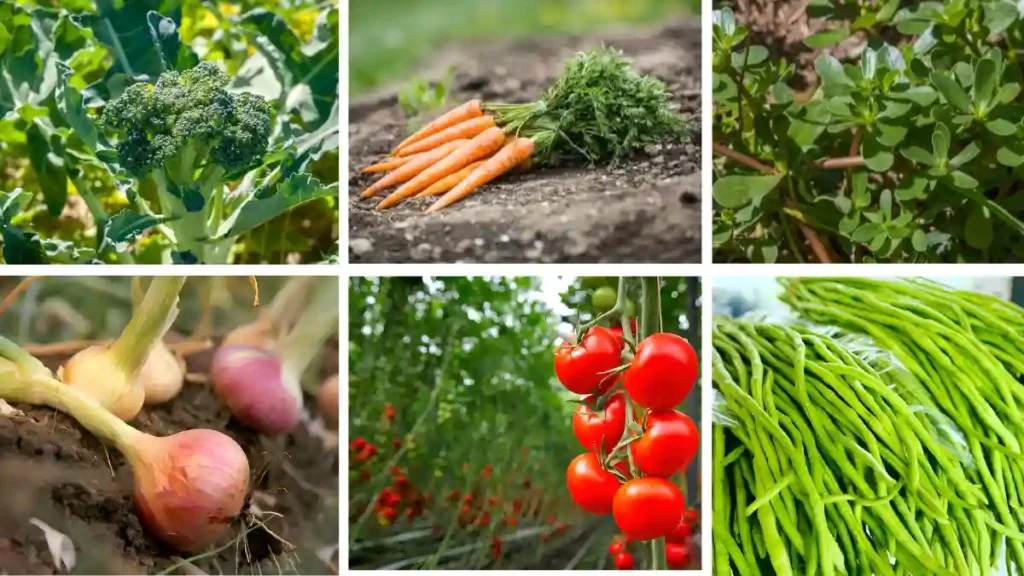
Hybrid Broccoli
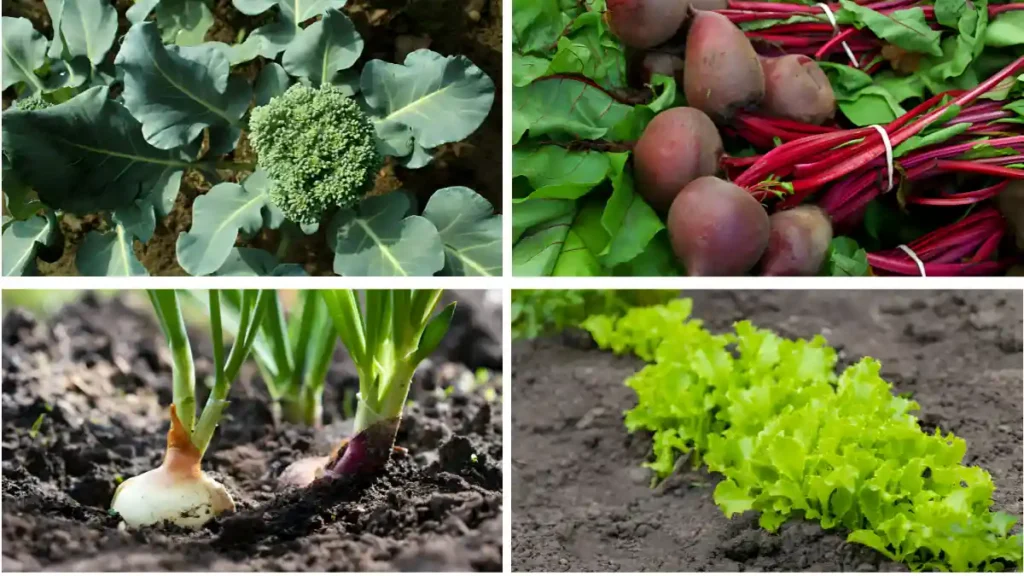
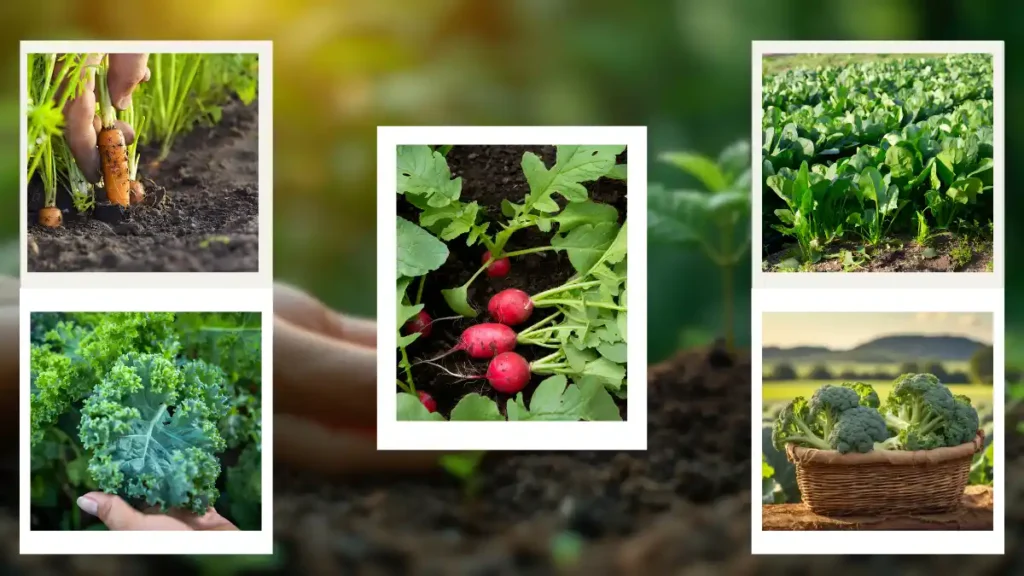
Broccoli is a sturdy, thick-stemmed plant from the brassicaceae family, which also contains cabbage, kale, and Brussels sprouts. To harvest in the early summer, it is usually planted in the early to mid-spring.
- Broccoli likes thick, loamy soil that is high in organic content. It grows best in full daylight, or at least six hours of direct sunshine most days. That should be about one to one and a half inches of water a week. Mulch can aid in keeping soil moisture in the ground.
- A few weeks after seedlings appear, fertilize with an organic low-nitrogen fertilizer. Throughout the growing season, fertilize again according to the label’s instructions. Any sick or broken stems should be removed right away to prevent the entire plant from becoming weaker.
Purslane
Although this plant is edible, it is frequently seen as a weed. Purslane is an annual, although it self-seeds rapidly and comes back each year. It’s a tasty and delicate green to add to salads in the summer.
- Purslane grows well and does best in pH-neutral soil that drains properly. It adores the full sun. Water the soil when it appears to be the top inch dry.
- Once a month, fertilize purslane with a balanced blend. Retrim lengthy stems to encourage bushy growth. Mulch around plants helps control soil temperature, keep moisture in the soil, and discourage weed growth.
Carrots
As a vegetable, carrots are biennial. They appear in a variety of colors and sizes, but their long, orange roots are what people most commonly associate them with.
- For the carrot roots to grow swiftly and build their sugars, the leaves need full light to partial shade. Loose soil that drains easily is ideal for carrots.Treat your carrots to a weekly bath in one inch or more of water. Mulching will help retain soil temperature and save water.
- You can use any high-quality organic vegetable fertilizer. Avoid overusing nitrogen fertilizer, which primarily promotes foliage growth, as they are cultivated for their roots. During the growing season, keep the area clear of weeds to prevent distorted roots.
Onions
Onions! The inexpensive bulb infuses numerous recipes all across the world with flavor, depth, and a touch of sweetness.
- For proper growth, onions require six hours or more of direct sunlight each day. It will work nicely in a loose loam. Water them with one inch each week. Mulch in a light layer might aid in keeping soil moisture content.
- Every few weeks, give them a high-nitrogen fertilizer. Check the product label for the recommended amount to use. In general, onions don’t need to be pruned. But make sure you get rid of any broken leaves as soon as possible.
Tomatoes
In warm climates with extended growing seasons, tomatoes are typically grown outside. It might take up to three months for seeds planted outdoors to develop into fruit-bearing plants.
- Tomatoes need full sun and a warm place; if not, you’ll need to get some grow lights. Regularly check the containers to see whether the plants require watering. Watering should be done if the soil feels dry around an inch down. Air circulation is still necessary to avoid fungal issues.
- Tomatoes require a lot of food. Apply organic slow-release tomato fertilizers to your plants as directed on the packaging. Tomato plants don’t need to be pruned, although indeterminate types should have any short stems growing from the main stem removed.
Yardlong Beans
Asparagus beans are sometimes called yardlong beans. They are a popular low-calorie vegetable in Asian cooking.
- For optimal yield, yardlong beans require full sun. It prefers soil that drains well and is productive. Maintain a constant, but not soggy, moisture content in the soil. Mulching can help retain soil moisture and keep them cool.
- Apply a monthly dose of balanced fertilizer. Don’t use fertilizer with a lot of nitrogen. Instead, feed the plants according to the product’s instructions using a 10-20-10 fertilizer during the growing season. Trim the vines’ tips regularly to promote bushy growth.
Conclusion:
Vegetables for hot weather are a varied collection of plants that do well in high temperatures and frequently have special adaptations to survive dry heat. Summertime is a critical time for these veggies, which include onions, tomatoes, broccoli, and carrots. Vegetables are a good source of vitamins, minerals, and antioxidants in hot weather. You can enjoy all the delicious summer vegetables if you correctly follow the preceding rules. Not only, follow our website to learn more about hot-weather vegetables.
Certainly! If you’d like to learn more, please consider following our WhatsApp Channel: Harvest Gardening
A frequently asked questions:
Q1. How to grow summer vegetables easily?
A1. Summer veggies thrive in soil that is rich in nutrients and require 6 to 8 hours of direct sunlight every day to thrive. Once a week, ideally in the morning, give the vegetables a good 1-2 inches of water.
Q2. What are some examples of fast-growing hot weather vegetables?
A2. Tomatoes, cucumbers, squash, okra, and beans are a few examples. These veggies grow swiftly and do well in hot regions.
Q3. What soil types are ideal for gardening in warm climates?
A3. Sandy or loamy soils that drain well are perfect for hotter regions. These soils facilitate easier root access to oxygen and avoid waterlogging.
Q4: What are some vegetables that can thrive in hot weather in Texas?
A4: Vegetables such as okra, peppers, sweet potatoes, eggplant, and southern peas grow well in hot Texas climates.