Valentine’s Day is more than a celebration; it is a worldwide display of passion, devotion, and deep connection. Plants have served as potent symbols of affection, passion, and enduring ties throughout history and throughout cultures. If you find Valentine’s Day flowers to be overpriced and short-lived, consider our alternate idea of thoughtful Valentine’s plants that provide longer-lasting beauty. Giving a plant feels considerably more meaningful than picking something like a cellophane-wrapped bouquet of cut flowers that will rapidly fade.
There are many things to pick from, including scented indoor potted roses and houseplants with heart-shaped foliage. Aside from being a more thoughtful decision, it is also a more sustainable alternative, since the best indoor plants that last are always preferred to the cut flower business, which has a considerable environmental impact, especially around Valentine’s Day.
In this guide, we look at six Valentine’s plants from across the world that represent love, explaining their origins, meanings, and why they remain everlasting presents for expressing emotion.
1. Sweetheart hoya
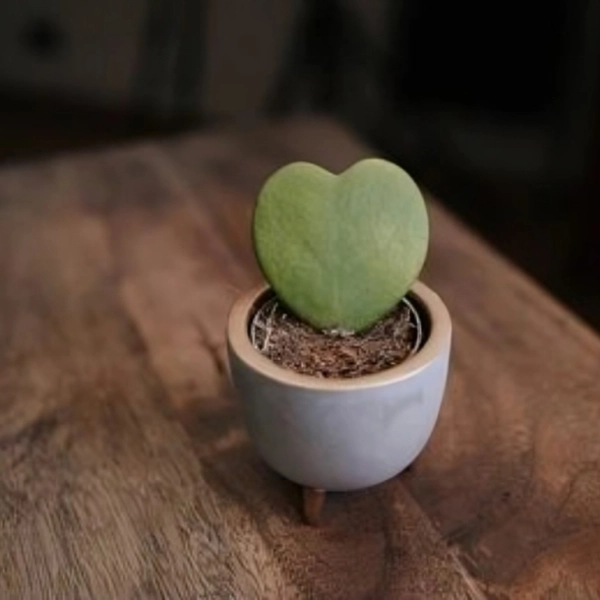
The Sweetheart Hoya plant, also known as Hoya kerrii, is a lovely succulent vine notable for its thick, heart-shaped leaves. This plant, which is native to Southeast Asia, particularly Thailand and Laos, is in the dogbane family (Apocynaceae). It is also known as the “Valentine plant” because single-leaf cuttings are sometimes offered in tiny pots as love presents. The leaves are glossy, meaty, and deep green, allowing the plant to retain water and withstand brief periods of drought.
Although many people purchase it as a single heart-shaped leaf, Sweetheart Hoya is actually a climbing vine that may develop long trailing stems with proper care. Clusters of tiny, star-shaped blooms can occur on mature plants, generally pink or creamy white with a darker center. Hoyas, often known as wax plants, feature faintly aromatic blossoms with a waxy feel. Sweetheart Hoya enjoys sunny, indirect light, well-drained soil, and minimal watering, making it a low-maintenance and visually appealing houseplant for both novices and collectors.
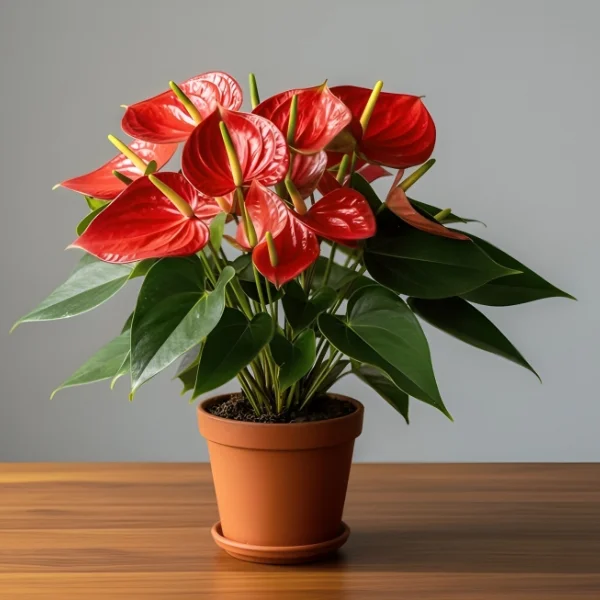
2. Anthurium – The heart-shaped emblem of hospitality and passion
The Anthurium plant, often known as the flamingo flower, is a member of the Anthurium genus that grows in Central and South American tropical rainforests. Anthurium andraeanum is one of the most popular houseplants. It is prized for its glossy, heart-shaped leaves and its vibrant, long-lasting “flowers,” which are actually colored modified leaves known as spathes. These spathes are commonly red, pink, white, or purple, and they surround a center spike known as a spadix, which contains the genuine small flowers.
Anthuriums thrive in warm, humid areas with bright, indirect lighting. They appreciate well-drained soil and moderate watering, as overwatering can result in root rot. With careful care, the plant may bloom all year, making it a popular choice for interior decor. Aside from their beauty, anthuriums are treasured for their ability to filter the air, providing elegance and freshness to homes and businesses.
3. Bleeding heart
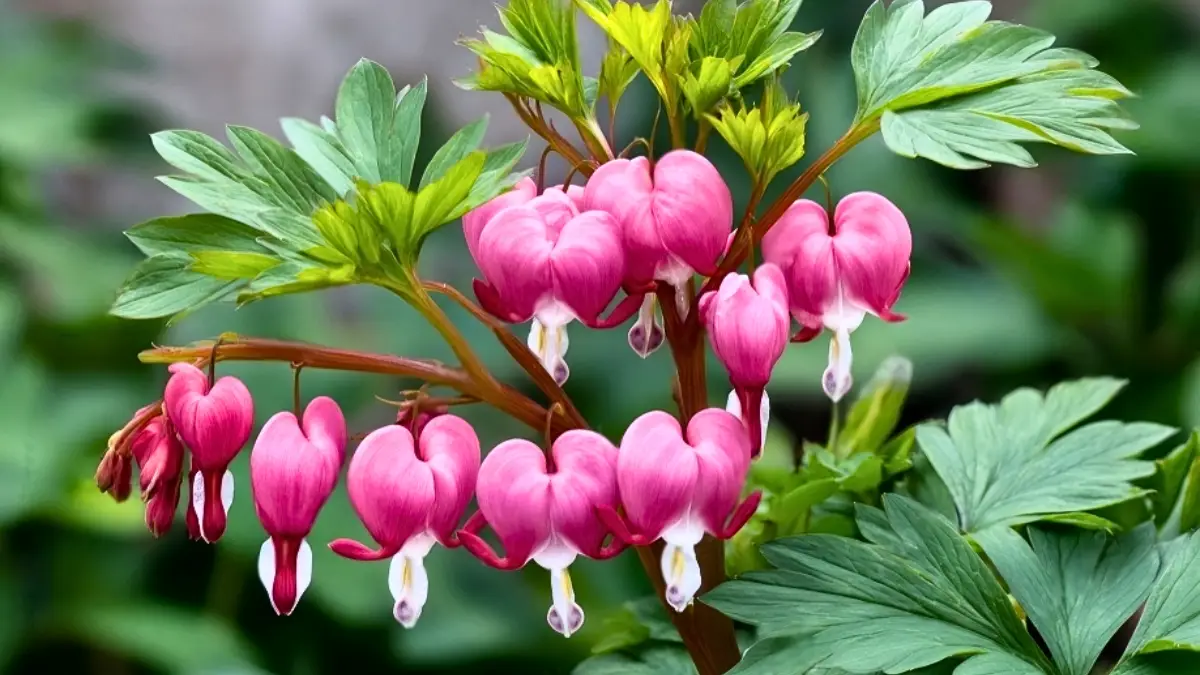
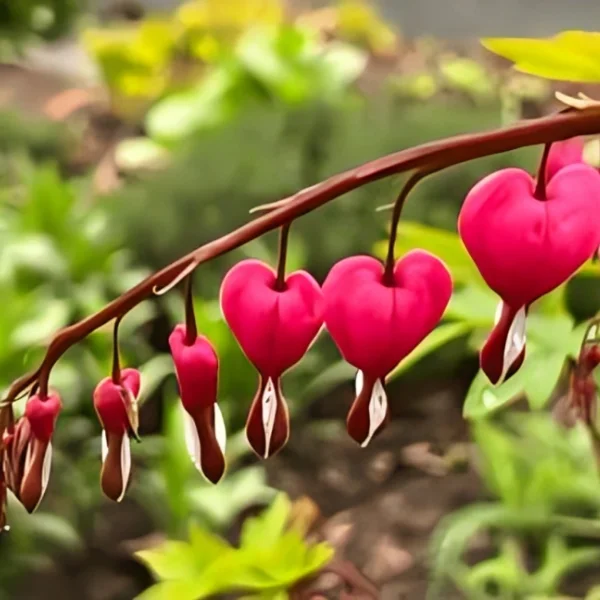
The Bleeding Heart plant, formally known as Lamprocapnos spectabilis (formerly Dicentra spectabilis), is an elegant perennial recognized for its distinctive, heart-shaped blooms. This plant is native to Asia, including China, Korea, and Japan. It has arching stems adorned with delicate pink or white blossoms that resemble little hearts with a droplet beneath them—hence the name “bleeding heart.” The delicate, fern-like leaves enhance its decorative appeal, making it popular in shady garden settings.
Bleeding Heart grows in cold, moist, well-drained soil and likes partial to complete shade. It usually blooms from spring until early summer, after which the leaves may naturally fade off in hotter temperatures. Despite its fragile look, it is a resilient plant in temperate areas that returns year after year with sufficient care. Its romantic form and graceful growth pattern make it a popular option for woodland gardens and ornamental landscapes.
4. String of hearts
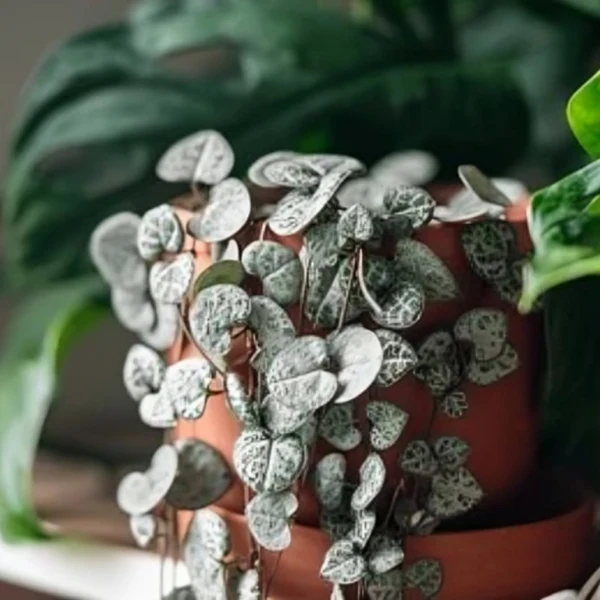
The String of Hearts plant, also known as Ceropegia woodii, is a delicate trailing succulent notable for its slender, cascading branches and small heart-shaped leaves. This plant is native to South Africa and is also known as Rosary Vine or Chain of Hearts. Its thin, fleshy leaves are often green with silver marbling on top and a velvety purple underside, lending it a beautiful, decorative appearance.
String of Hearts thrives in bright, indirect light and loves well-drained soil, just like other succulents. It is drought resistant and should only be irrigated when the soil is fully dry. During the growth season, it may produce tiny, tubular purple flowers, but the foliage is the major appeal. With its graceful trailing habit, this plant looks great in hanging baskets or on shelves, making it a popular and low-maintenance indoor plant option.
5. Moth orchid
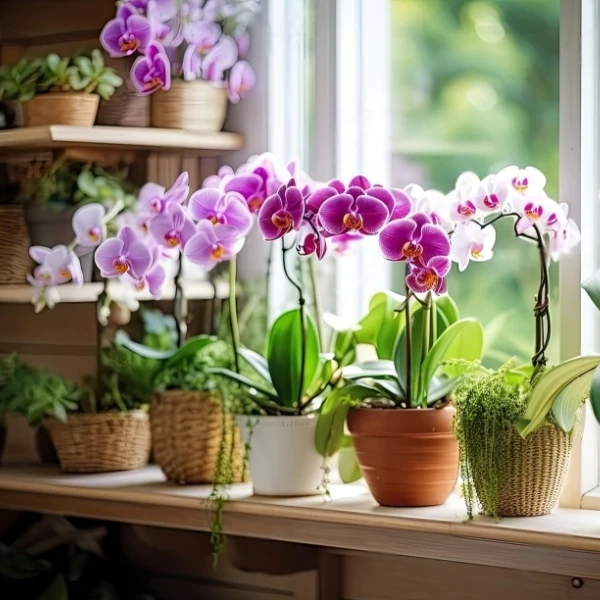
The Moth Orchid (Phalaenopsis) is one of the most popular and extensively grown indoor orchids in the world. This exquisite plant, native to Southeast Asia and parts of Australia, is named from its broad, flat blossoms, which mimic moths in flight. The flowers come in a variety of hues, including white, pink, purple, yellow, and even spotted or striped types, and can remain for weeks to months.
Moth orchids thrive in warm, humid environments with bright, indirect lighting. They prefer a specialized orchid potting mix that promotes proper air circulation around the roots. To avoid root rot, water should be applied moderately—only when the growth media is nearly dry. With the right care, Phalaenopsis orchids can bloom once or twice a year, making them a long-lasting and elegant addition to homes and businesses.
6. Caladium
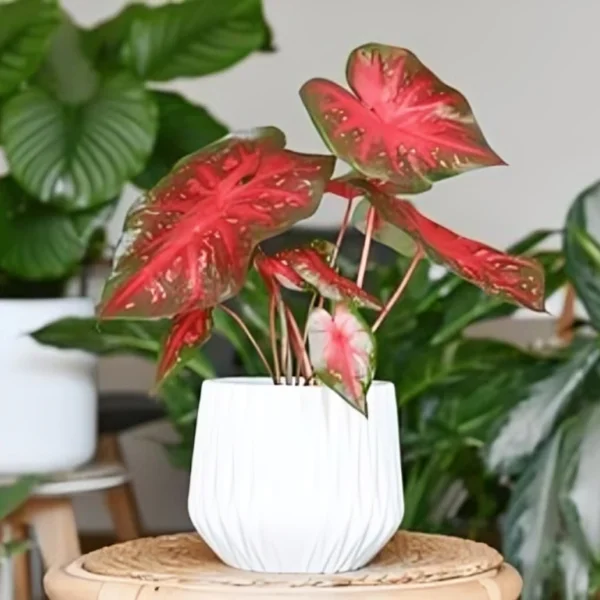
Caladium bicolor is a tropical ornamental plant notable for its enormous, thin, heart-shaped leaves and eye-catching color patterns. Caladium is native to South America, particularly Brazil, and is planted mostly for its vivid leaves rather than blooms. The leaves come in a variety of colors, including green, red, pink, white, and even deep rose, and they frequently have contrasting veins or speckles.
Caladium thrives in warm, humid environments and loves partial to complete shade, making it suitable for shady gardens or bright indoor settings with indirect lighting. It develops from tubers and is often planted in the spring. The plant requires well-drained soil and regular watering, but the soil should not get damp. Caladium lies dormant in milder climes over the winter, allowing its tubers to be saved and transplanted the following season. Caladium’s vibrant colors and dramatic foliage lend a tropical flare to any landscape or house.
How to choose the perfect valentine’s plants
| Ideal Plant | Emotion to Express |
| Orchid (Moth Orchid) | Luxury, grace, refined romance |
| Anthurium | Bold attraction and confidence |
| Hoya (Sweetheart Plant) | Lasting commitment and steady affection |
| String of Hearts | Connection and eternal bond |
| Bleeding Heart | Emotional depth and heartfelt love |
| Caladium | Creative expression and joyful affection |
Conclusion:
Valentine’s plants are more than just decorations. They represent history, mythology, cultural legacy, and genuine feeling. By selecting plants that represent love from throughout the world, we link to centuries of romantic heritage.
We celebrate love in all its forms with these six Valentine’s plants: passionate, devoted, elegant, and lasting. And by doing so, we enable nature to say the most important messages.
Certainly! If you’d like to learn more, please consider following our WhatsApp Channel, Facebook, Instagram, YouTube, Twitter, and Pinterest.
Frequently asked questions:
Q1: Are Valentine’s plants limited to one specific region?
A1: No, Valentine’s plants originate from a variety of places and civilizations throughout the world.
Q2: Do Valentine’s plants always symbolize romantic love?
A2: Not always. While many depict romantic love, others may express affection, appreciation, or emotional relationships.
Q3: Why are plants associated with Valentine’s Day?
A3: Plants are connected with Valentine’s Day because they naturally symbolize love, beauty, and emotional connection.
Q4: Are Valentine’s plants only used as gifts?
A4: Valentine’s plants can be employed as ornamental elements or profound cultural symbols in addition to being given as presents.