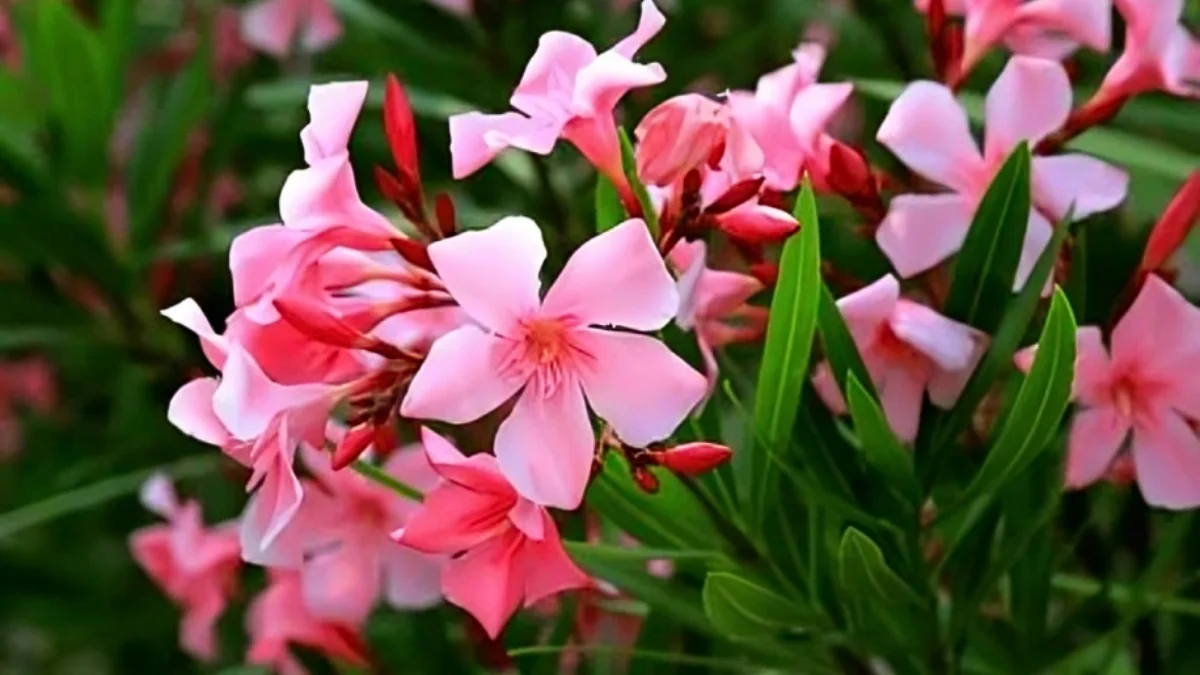
Oleander (Nerium oleander) is one of the most visually appealing ornamental plants, known for its vibrant blossoms and everlasting leaves. Oleander is popular in home gardens, parks, and along roads because to its drought tolerance and low care requirements. However, behind its beauty lurks a severe danger: oleander is one of the most poisonous plants in the world.
In this post, we’ll look at why oleander is deadly due to its poisonous chemicals, signs of poisoning, and safety precautions.
What is Oleander?
Oleander is a fast-growing evergreen shrub native to the Mediterranean and portions of Asia. It thrives in warm regions and produces blooms in pink, red, white, yellow, and peach.
Oleander is commonly employed in landscaping because it can withstand hard circumstances and pollution; nonetheless, its toxicity makes it a concealed menace.
Botanical classification
| Scientific name | Nerium oleander |
| Family | Apocynaceae |
| Plant type | Evergreen shrub |
| Height | 6–20 feet |
| Growth habit | Shrub or small tree |
Common names around the world
This plant is known by many names, including:
- Rose Bay
- Desert Rose
- Nerium
- Kaner (in South Asia)
Despite cultural differences, one thing remains constant—its toxicity.
Why Oleander is considered deadly:
The major reason this plant is so dangerous is its chemical composition. This isn’t just any somewhat harmful flora; it’s a plant with powerful chemicals that directly impact the heart.
Toxic chemicals in oleander include a variety of toxins, with cardiac glycosides being the most harmful. These chemicals can have a significant impact on cardiac function.
cardiac glycosides are a family of drugs that work by interfering with the sodium-potassium pump in heart cells. This interference disturbs normal electrical activity, which might result in irregular cardiac rhythms. Cardiac glycosides have a tremendous influence; even low dosages can have serious results such as irregular heartbeat, cardiac arrest, or even death.
Oleandrin and neriine are the two most poisonous chemicals found. These poisons stay active in dried leaves or plant detritus, providing a risk even in their non-living condition.
How Oleander poisoning happens:
- Accidental ingestion (children, pets)
- Herbal abuse or home remedies.
- Burning oleander wood (toxic smoke inhalation).
- Skin contact with sap produces inflammation.
- contaminated food or drink.
Symptoms of Oleander poisoning:
Symptoms might appear within 30 minutes to a few hours of exposure and may include nausea, vomiting, stomach discomfort, diarrhea, dizziness, weakness, or disorientation. More serious and life-threatening symptoms include irregular heartbeat (arrhythmia), a sluggish pulse, fainting, seizures, cardiac arrest, and death.
Oleander poisoning in humans:
Oleander poisoning affects both adults and children, however children are more susceptible owing to their lower body size.
Children and adults at risk
Children may mistake flowers for food vegetation. Adults may underestimate the risks involved in gardening. Even traditional medicines using oleander can be lethal and should be avoided entirely.
Medical personnel consider oleander poisoning as a medical emergency, which frequently necessitates hospitalization and heart monitoring.
Oleander toxicity in pets and livestock:
Animals are highly sensitive to oleander, so you should keep pet-friendly plants in your home.
Dogs may eat sticks or leaves, while cats may be harmed by combing infected fur. Oleander may be lethal to horses and cattle if consumed in tiny doses. Veterinary instances of oleander poisoning usually have a dismal prognosis if therapy is not offered quickly.
Oleander vs Other Toxic Plants:
| Plant Name | Toxic Level | Risk |
| Oleander | Extremely high | Fatal |
| Foxglove | High | Heart failure |
| Castor | Extremely high | Organ failure |
| Dieffenbachia | Moderate | Moderate |
Safer alternatives to Oleander:
Non-toxic decorative plants are an excellent alternative for people who want to add beauty to their surroundings while minimizing danger. Examples include Hibiscus, Bougainvillea, Ixora, Gardenia, and many rose types. These plants provide brilliant hues while offering low health risks.
Conclusion:
Oleander’s gorgeous look conceals a hidden and deadly threat. While it is revered for its strength and beauty, it is nevertheless a plant that requires utmost caution, knowledgeable handling, and responsible placement. Awareness is the most effective safeguard against unintentional poisoning. We highly advise recognizing the hazards before planting or maintaining oleander in any setting where human or animal safety is concerned.
Certainly! If you’d like to learn more, please consider following our WhatsApp Channel, Facebook, Instagram, YouTube, Twitter, and Pinterest.
Frequently asked questions:
Q1. Can oleander be used in traditional medicine?
A1. No. Any medical usage is exceedingly hazardous and not encouraged.
Q2. Is oleander safe for indoor decoration?
A2. No. It is unsuitable for families with children or pets.
Q3. Can dried oleander leaves still be toxic?
A3. Absolutely. Drying does not lower toxicity.