Menstrual pain affects millions of women worldwide, frequently affecting daily routines, productivity, and general well-being. As we look for natural, effective, and compassionate alternatives to traditional pain management, herbal therapies have emerged as valuable friends. The finest herbal plants for period pain treatment have anti-inflammatory, antispasmodic, and hormone-balancing characteristics that treat cramps, bloating, mood swings, and exhaustion at their source.
In this thorough guide, we look at the most effective herbal plants for menstrual cramps, as well as their mechanisms of action, preparation techniques, and safe use to guarantee the best possible relief.
Types of menstrual pain
Primary dysmenorrhea is the most common type. It is not caused by an underlying medical condition. Instead, it’s associated with typical hormonal cycles.
Secondary dysmenorrhea results from medical disorders such as endometriosis or fibroids. This sort of discomfort may intensify over time, necessitating medical attention.
Although herbal plants can assist with period discomfort, you should visit a doctor if:
- Pain suddenly gets acute.
- Bleeding is really heavy.
- Periods last longer than seven days.
- Fever accompanies cramping.
Why choose herbal plants for menstrual cramps?
Herbal medication complements the body’s natural functions. Instead of concealing symptoms, many herbs can help control uterine contractions, decrease inflammation, relax muscles, and balance hormones. These natural remedies are especially useful for people seeking:
- Non-Synthetic Pain Relief
- Long-term Menstrual Cycle Balance
- Reduced inflammation.
- Hormonal regulation.
- Increased digestive comfort during menstruation
Top herbal plants for period pain relief
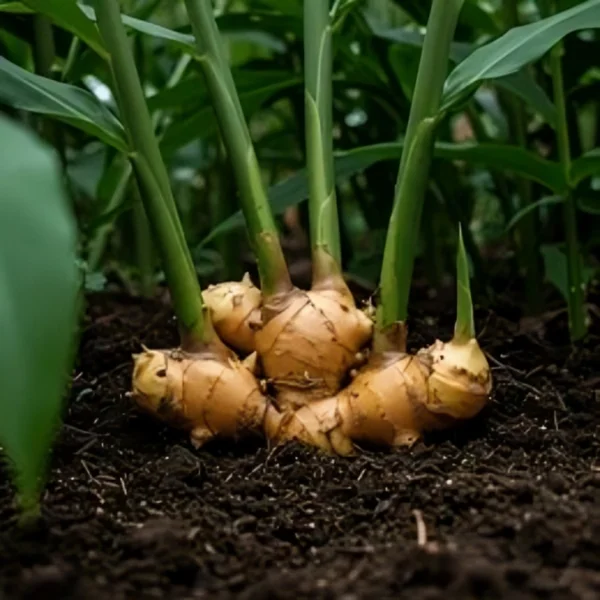
1. Ginger – The powerful anti-inflammatory root
Ginger is one of the most extensively investigated medicines for menstrual pain treatment. Its main chemicals, gingerols and shogaols, are potent anti-inflammatory and analgesic agents. Ginger decreases the formation of prostaglandins, which are responsible for uterine contractions and cramps.
In conclusion, the paper emphasizes a number of advantages associated with improved menstrual health. It mentions a reduction in the severity of menstrual cramps, less nausea during periods, improved circulation, and relief from bloating.
Fresh ginger tea, made by steeping 1-2 inches of sliced ginger root in hot water for 10 minutes, as well as ginger powder capsules and adding ginger to warm soups or herbal decoctions, have been shown to significantly reduce pain severity when consumed regularly during the first three days of menstruation.
2. Turmeric – Natural pain and inflammation control
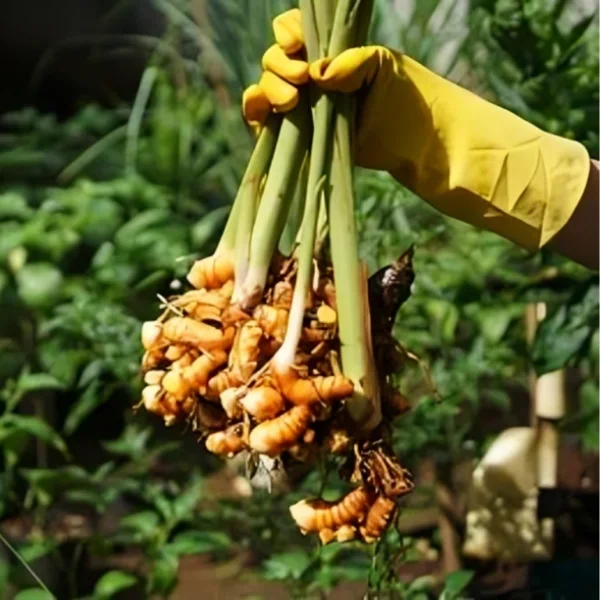
Turmeric includes curcumin, a potent anti-inflammatory that relieves menstrual cramps by reducing uterine inflammation and oxidative stress. This natural medication efficiently relieves pelvic discomfort, lowers excessive bleeding, promotes hormonal balance, and boosts immunity.
Golden milk, made with turmeric, warmed milk, and black pepper, is a popular beverage noted for its health benefits. Turmeric tea can also be brewed for therapeutic purposes. Furthermore, standardized curcumin pills are available for people looking for high dosages of this active ingredient. Notably, the combination of turmeric and black pepper enhances curcumin absorption, boosting its potential health benefits.
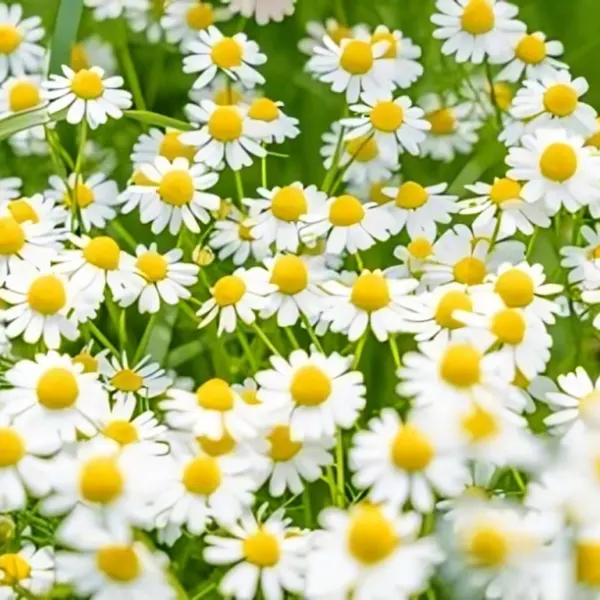
3. Chamomile – The gentle uterine relaxant
Chamomile is well-known for its soothing and muscle-relaxing properties, notably in treating uterine spasms and lowering anxiety during premenstrual syndrome (PMS). Its effects include relaxing uterine muscles, reducing inflammation, improving sleep quality, and calming mood swings.
Chamomile tea, when drunk at a rate of 2-3 cups per day during menstruation, is useful to women, particularly in offering comfort during this time. Additionally, regular consumption of chamomile tea can help regulate menstrual periods over time. This herbal infusion is known for its relaxing characteristics and possible hormonal balancing effects.
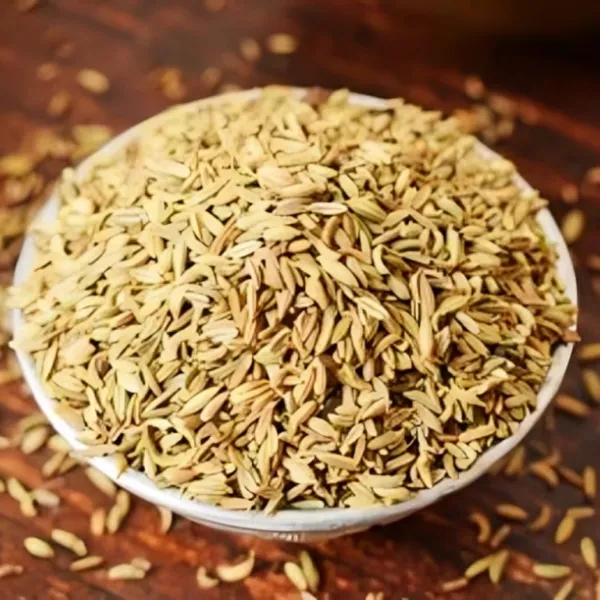
4. Fennel – Traditional remedy for menstrual cramps
Fennel seeds have antispasmodic characteristics that successfully reduce uterine contractions, making them a viable alternative to several over-the-counter pain treatments. Clinically recognized advantages include cramp alleviation, bloating reduction, improved digestion, and hormone balance assistance.
Fennel tea may be made by steeping 1 teaspoon crushed fennel seeds in boiling water. Another way to consume fennel seeds is to chew them after being soaked. Fennel works best when given at the commencement of cramping.
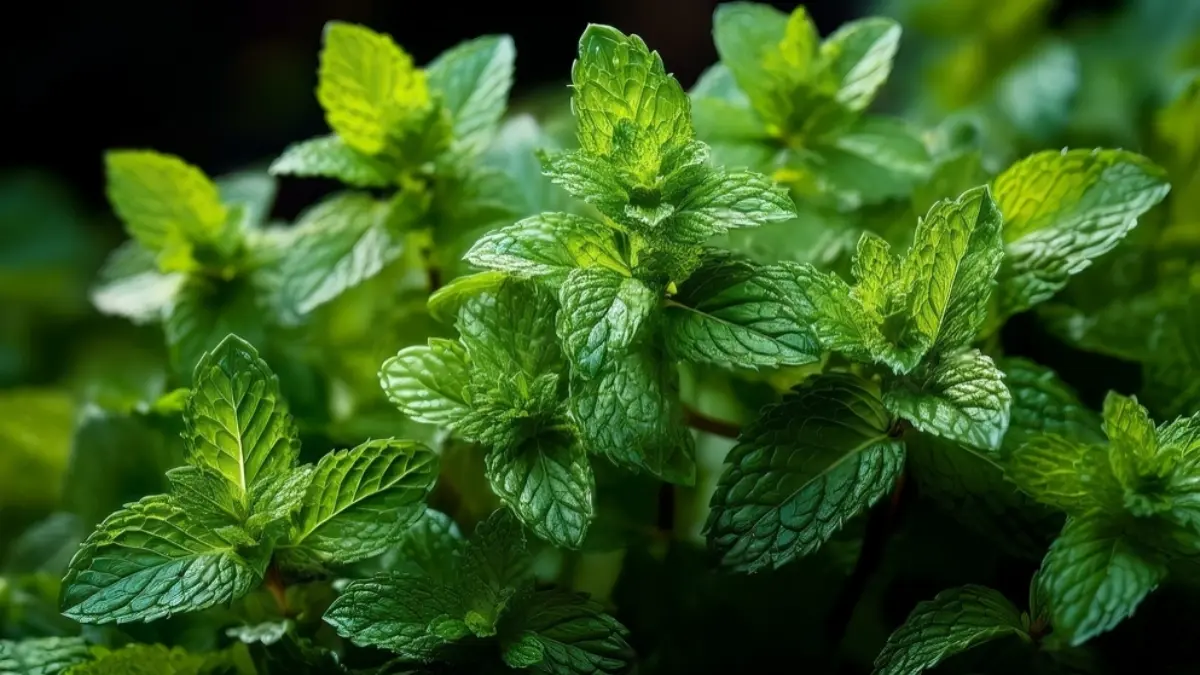
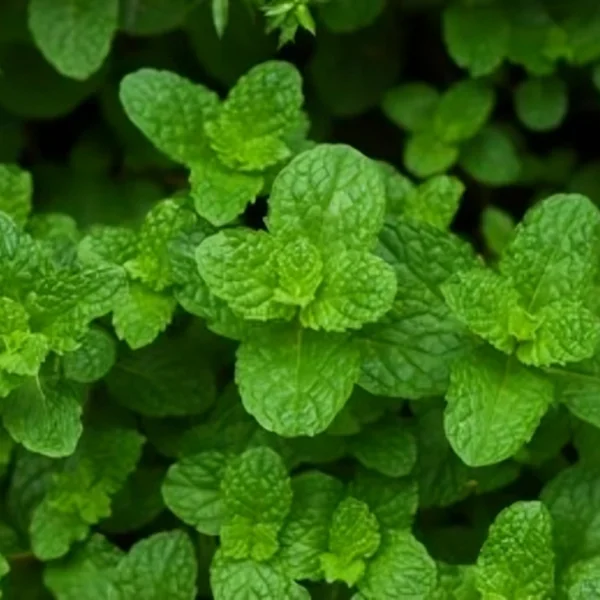
5. Peppermint – Cooling relief for abdominal pain
Peppermint’s menthol component offers a variety of medicinal properties. It relaxes smooth muscles and improves blood circulation, making it ideal for relieving lower abdominal stress. Additionally, peppermint helps to relieve muscular spasms, headaches, and stomach pain. Furthermore, it is invigorating and energetic.
Peppermint tea, noted for its refreshing flavor and scent, is frequently used for its digestive benefits, which assist to relieve symptoms like bloating and gas. Diluted peppermint oil may also be used for abdominal massage, which provides pleasant relief from intestinal problems. This procedure can assist to relax the muscles while also potentially increasing the advantages of peppermint’s natural characteristics.
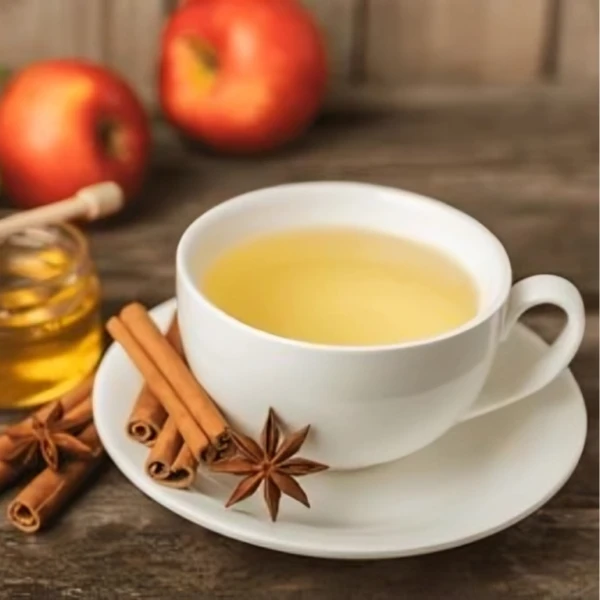
6. Cinnamon – Warming spice for cramp reduction
Cinnamon is a spice known for its high concentration of anti-inflammatory and antispasmodic chemicals, which provide several health advantages. It has been shown to lessen menstrual bleeding, nausea, irritation, and enhance blood flow.
Cinnamon tea is often used in warm drinks and can also be taken in capsule form, although it should only be eaten under expert supervision.
7. Cramp Bark – The traditional antispasmodic herb
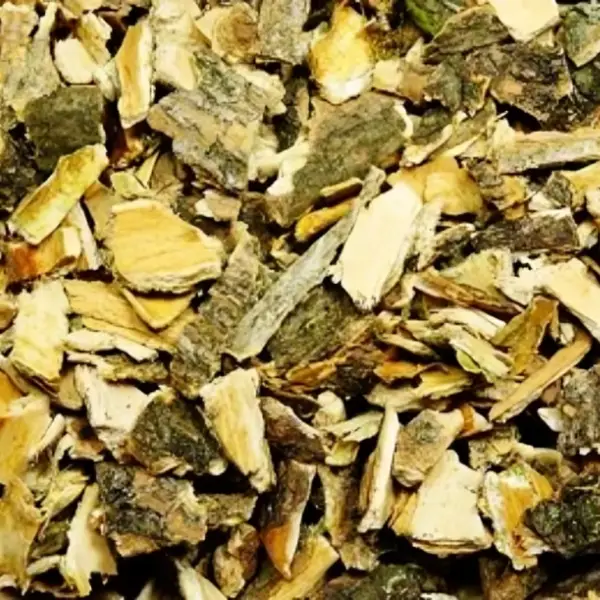
Cramp bark is well-known for its ability to relieve muscular spasms in the uterus and has a long history of usage in herbal medicine, notably in the treatment of painful menstruation. Its advantages include the relaxation of uterine muscles, the decrease of severe cramping discomfort, and the soothing of nerve tension.
Herbal treatments can be prepared in two ways: tincture form or herbal decoction. To guarantee safety and efficacy, these forms should be used under the supervision of a skilled herbalist.
8. Raspberry Leaf – Uterine tonic for cycle support
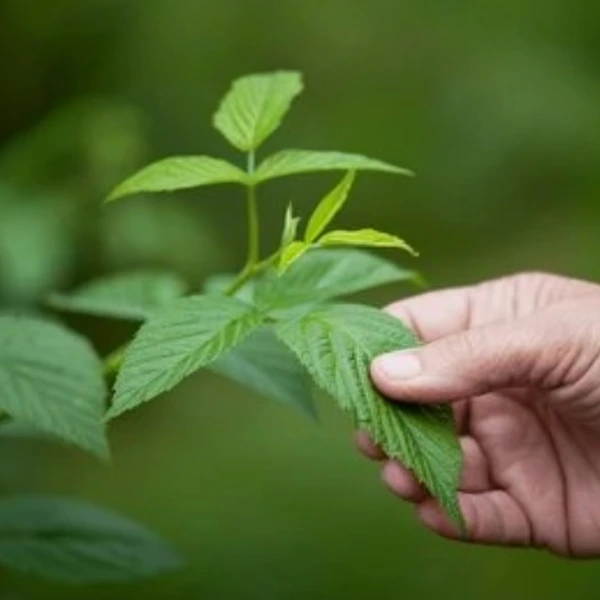
Red raspberry leaf is renowned as a uterine tonic due to its potential to strengthen uterine muscles and reduce unpleasant contractions over time. It has several advantages, including toning uterine tissue, decreasing excessive bleeding, improving reproductive health, and naturally regulating hormones.
Regular drinking of raspberry leaf tea and herbal pills during the menstrual cycle offers the best results.
9. Ashwagandha – Hormone and stress regulator
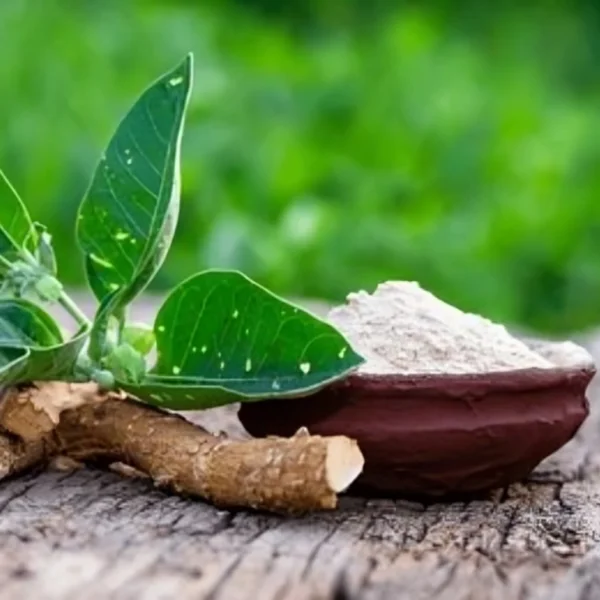
Ashwagandha is an adaptogenic plant that promotes endocrine balance and reduces stress-related menstrual abnormalities. Ashwagandha’s key effects include cortisol management, hormonal balance, tiredness reduction, and mood stabilization.
To use the product, combine the powder with warm milk or use standardized extract capsules for easy intake.
10. Dong Quai – The female ginseng
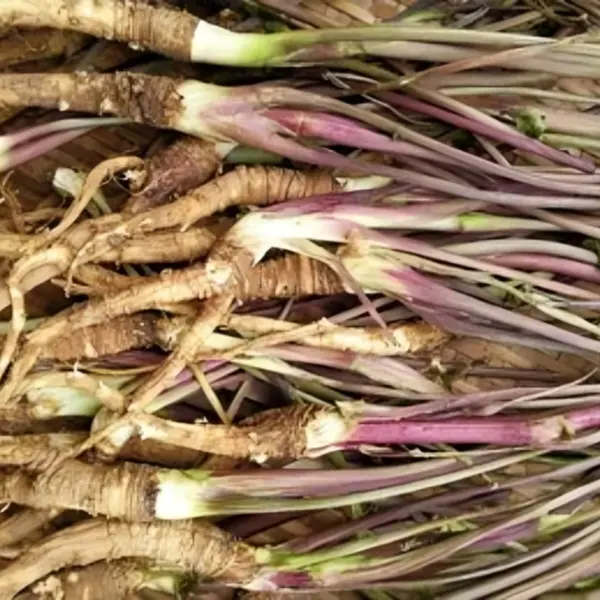
Dong Quai, a traditional medicine mainstay, is well-known for its ability to improve female reproductive health. It promotes blood circulation and regulates menstrual periods. Dong Quai’s main benefits include its capacity to lessen period cramps, improve healthy blood flow, relieve PMS symptoms, and promote hormonal balance, making it an important herb for women.
Tinctures are herbal formula mixtures that should be utilized with the supervision of a specialist. It is recommended that you seek guidance before using this product.
How to use herbal plants safely
Herbal plants for period pain alleviation are natural, but they are not without danger.
- Always follow the suggested doses.
- Avoid combining many plants without assistance.
- Check for allergies.
- Consult a healthcare practitioner if you are pregnant or using medication.
Natural does not always equal harmless. So it’s best to proceed cautiously.
Conclusion:
The best herbal plants for menstrual pain reduction are potent, safe, and effective alternatives to pharmaceutical pain medications. Incorporating ginger, turmeric, chamomile, fennel, peppermint, cinnamon, cramp bark, raspberry leaf, ashwagandha, and dong quai into our health regimen provides us with long-term menstrual support.
Natural relief does more than just relieve cramps; it also promotes hormonal equilibrium, emotional balance, and long-term reproductive health. These medicines, when used consistently and mindfully, turn menstrual pain into tolerable, balanced cycles.
Certainly! If you’d like to learn more, please consider following our WhatsApp Channel, Facebook, Instagram, YouTube, Twitter, and Pinterest.
Frequently asked questions
Q1: Are herbal plants for period pain relief safe for teenagers?
A1: Most mild herbs, such as chamomile and ginger, are rather harmless. However, before using it on a regular basis, speak with a healthcare expert.
Q2: Can I combine different herbal plants?
A2: Yes, but don’t combine too many at once. Begin with one or two and observe your body’s reaction.
Q3: Can herbal plants replace painkillers completely?
A3: They may provide great relief for minor discomfort. Serious discomfort may still necessitate medical attention.