
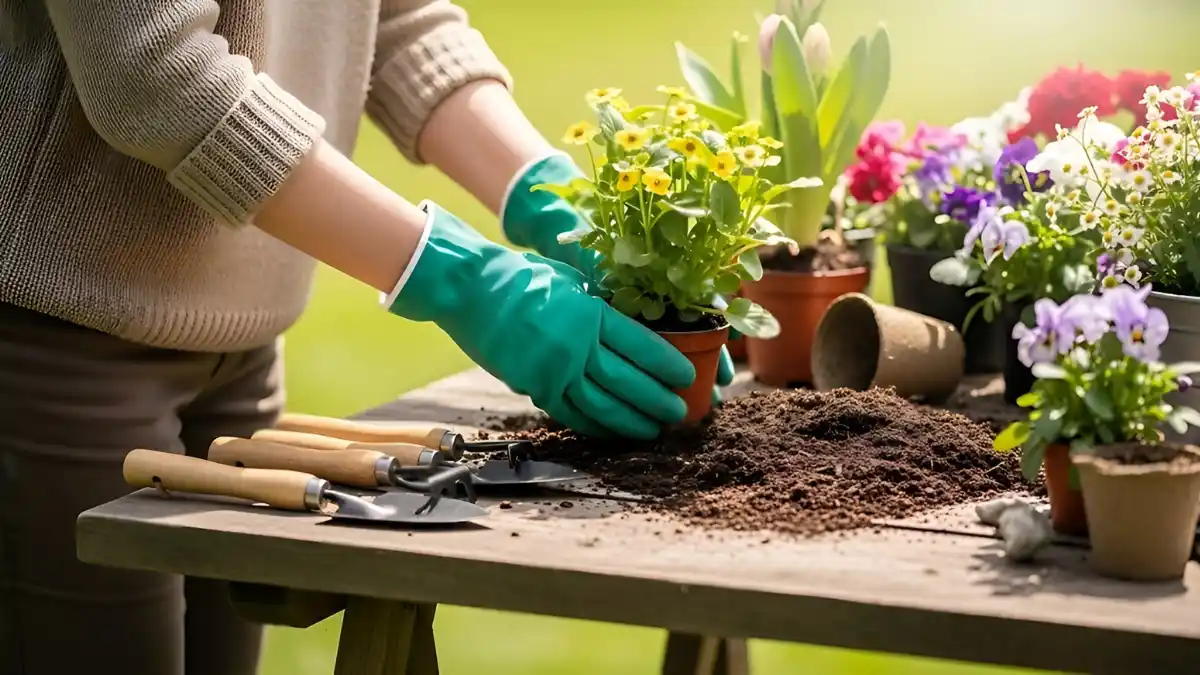
Did you know that spending only 30 minutes in your garden might help to decrease stress and boost mood? Gardening is more than simply a pastime; it’s an effective approach to improving your physical and emotional health. In today’s fast-paced world, gardening provides a welcome respite and a sense of accomplishment.
The benefits of gardening go far beyond growing plants.. Gardening has the potential to significantly improve your health and happiness. Everyone, whether they have a vast garden or a little balcony, may reap the benefits of plant care.
Overview of gardening:
Gardening is the practice of producing and tending plants, including vegetables, fruits, herbs, and flowers. It may be done in the garden, on balconies, roofs, or even inside.
Key elements of gardening
- Good soil is the foundation of successful gardening.
- Selecting the appropriate plants for your climate and area.
- Watering and sunlight are critical for plant development and production.
- Pruning, weeding, and fertilizing are all part of regular maintenance.
Beginners should start with easy-to-grow plants like tomatoes, mint, or spinach to ensure a successful garden. Using compost instead of artificial fertilizers produces better soil, which improves plant growth and sustainability. Additionally, watering plants early in the morning is suggested to reduce evaporation losses and provide proper hydration.
11 benefits of gardening:
1. Gardening reduces stress and anxiety
One of the major benefits of gardening is its capacity to decrease stress. Spending time in nature reduces cortisol (the stress hormone) levels and promotes relaxation.
- Digging dirt and putting seeds produces a relaxing effect.
- Exposure to flora enhances mood
- Gardening serves as a form of meditation.
2. Boosts physical health
Gardening is an effective exercise that increases physical activity by increasing flexibility and strength while burning calories at a rate comparable to mild exercises. Digging, watering, and weeding exercise different muscle areas, delivering a full-body workout. Furthermore, gardening promotes outside activity, which improves general health and fitness.
3. Improves mental well-being
Gardening has been shown to boost mental health and emotional well-being. It is an excellent approach for combating depression, increasing feelings of enjoyment, and promoting awareness among those participating in this exercise.
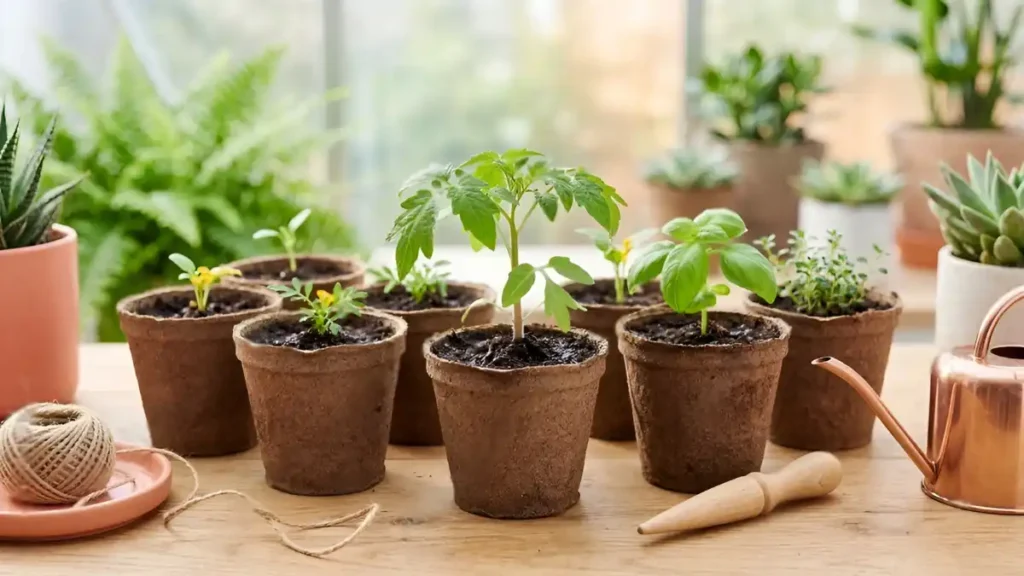
4. Provides fresh and organic food
Growing your own fruits and vegetables has several advantages, including access to fresh, chemical-free products. It promotes healthy eating habits, lowers shopping bills, and improves the flavor and nutritional content of food. Harvesting your own tomatoes, herbs, or spinach is a pleasant experience that much outweighs purchasing pre-packaged alternatives.
5. Increases vitamin D intake
Gardening outside has various health advantages owing to the natural sunshine exposure. It increases vitamin D levels, strengthens bones, and helps the immune system. Morning planting is very beneficial for increasing sunshine absorption.
6. Enhances mood and happiness
Gardening has been related to the release of “happy hormones” including serotonin and dopamine, which help to promote emotional equilibrium. Gardening promotes a sense of accomplishment and reduces negative thinking. The excitement and satisfaction gained from seeing plants develop is a distinguishing feature of this hobby, bringing a level of contentment that is difficult to obtain in other hobbies.
7. Encourages mindfulness and patience
Gardening is an activity that promotes patience and concentration. It encourages people to wait for plants to grow, which promotes present-moment awareness and reduces overthinking. This mindful technique increases mental clarity and promotes relaxation.
8. Supports biodiversity
Your garden may function as a little ecosystem, attracting pollinators like bees and butterflies, sustaining local fauna, and improving environmental health. Planting native plants is critical to preserving biological equilibrium in this habitat.
9. Improves sleep quality
Gardening improves sleep patterns by offering physical activity that naturally exhausts the body, lowers tension and anxiety, and promotes deeper sleep. Gardeners frequently report more peaceful evenings.
10. Builds social connections
Gardening promotes communal relationships through a variety of activities. Community gardens serve an important role in bringing people together and fostering the development of ties between members. The common experience of swapping plants and gardening knowledge not only strengthens friendships but also fosters family togetherness. Overall, gardening is a great way for people to interact with their neighbors and loved ones.
11. Boosts creativity and productivity
Gardening is a unique combination of art and science that allows people to express themselves creatively via garden design. Planning layouts not only encourages creative expression but also enhances problem-solving abilities. Furthermore, gardening activities improve productivity and attention. Gardening, from choosing the correct plants to arranging them in an aesthetically beautiful manner, stimulates one’s creativity greatly.
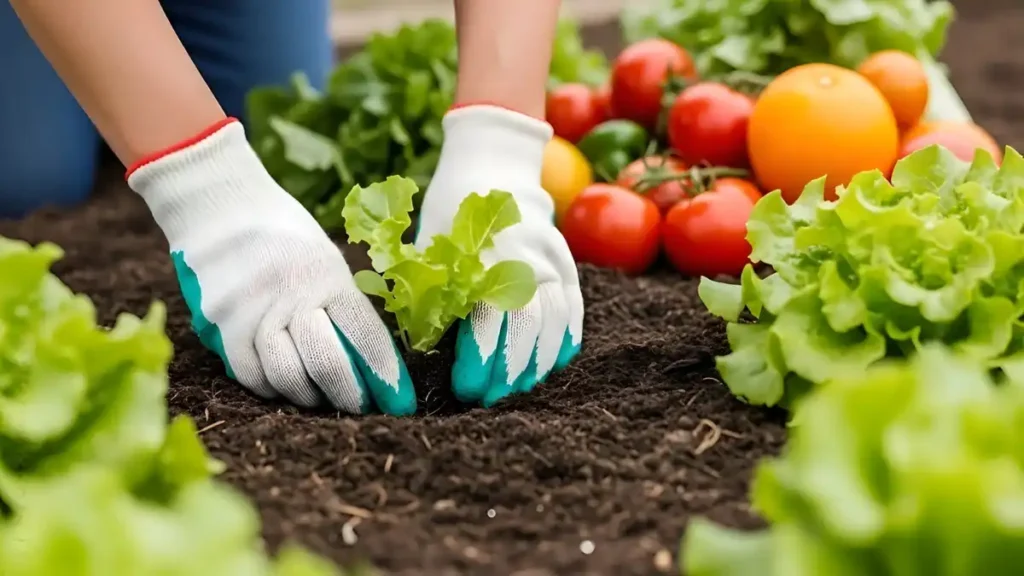
Tips to start gardening for beginners:
If you’re new to gardening, here are some basic suggestions:
- Begin with simple plants such as herbs or succulents.
- Utilize excellent soil and compost.
- Water plants frequently, but don’t overwater.
- Ensure proper sunshine.
- Have patience and enjoy the process.
Conclusion:
The 11 benefits of gardening clearly demonstrate how this simple hobby may improve your life. Gardening has several benefits, including improved mental health and physical fitness, as well as increased enjoyment and creativity.
Whether you’re growing herbs on your balcony or creating a large backyard garden, each step takes you closer to a healthier and happier life.
Certainly! If you’d like to learn more, please consider following our WhatsApp Channel, Facebook, Instagram, YouTube, Twitter, and Pinterest.
FAQs about benefits of gardening:
Q1: Can gardening improve mood?
A1: Yes, gardening may boost mood by triggering the production of feel-good chemicals in the brain and creating a sense of delight and contentment.
Q2: What are the benefits of gardening for children?
A2: Children who garden develop better relationships with food, stronger science literacy, improved fine motor skills, and greater responsibility and patience. School garden programmes are consistently linked to healthier eating habits and increased outdoor activity.
Q3: Can gardening improve children’s learning and development?
A3: Yes, gardening teaches children key ideas such as responsibility, patience, and fundamental science, which improves their cognitive and problem-solving abilities.
Q4: Can gardening boost the immune system?
A4: Yes, spending time outside and interacting with the earth can boost immune function by exposing the body to beneficial bacteria and fresh air.