If you are hunting for a plant food that is cheap, filling, protein-rich and ancient yet trendy again, meet the humble fava bean. The benefits of fava beans go far beyond a tasty spring side dish. These pale green legumes pack impressive protein, fiber, folate, manganese, copper and plant compounds into a small package, and they have fed people across the Mediterranean, Middle East, Africa and Asia for thousands of years.
But there is a catch you should know before you start cooking: fava beans are not safe for everyone. A small group of people, and anyone taking certain medicines, need to be careful. In this guide you will learn what fava beans are, what is inside them, the nine biggest health benefits, who should avoid them, how to cook them properly and how to fit them into everyday meals.
Quick answer: Fava beans (also called broad beans) are a high-fiber, high-protein legume rich in folate, manganese, copper, iron and magnesium. Eating them may support heart health, digestion, blood sugar control, healthy pregnancy, bone strength and muscle maintenance. People with G6PD deficiency and those taking MAOI antidepressants should avoid them.
What Are Fava Beans?
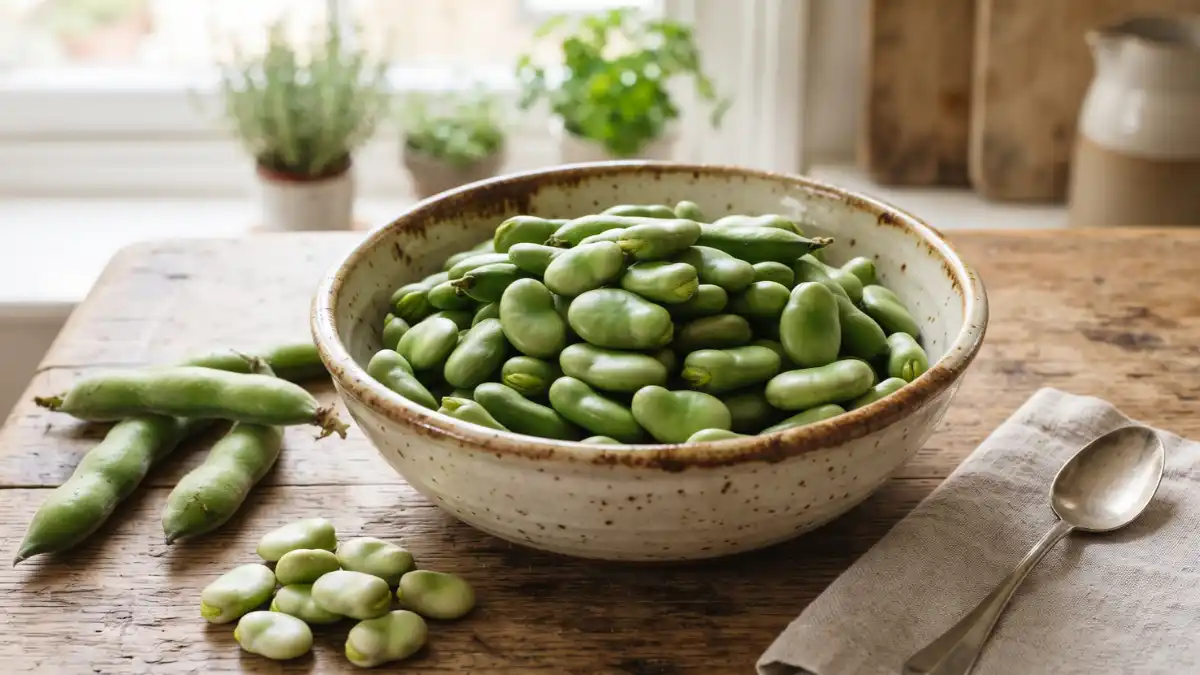
Fava beans (Vicia faba) are flat, plump legumes that grow inside thick, spongy green pods. In the United Kingdom, Australia and parts of Asia they are known as broad beans, and in some regions you will also hear faba beans, field beans or horse beans. They belong to the same plant family as peas, lentils and chickpeas.
Few cuisines boast a lengthier resume. Archaeological discoveries indicate that fava beans were cultivated around 8,000 years ago, making it one of the earliest crops in human history. Today, they can be found in iconic recipes such as Egyptian ful medames, Italian macco di fave, Persian baghali polo, Ethiopian shiro, Chinese doubanjiang (spicy bean paste), and Indian wide bean curries.
Fava beans are a cool-season crop, which is why fresh ones show up in markets in spring and early summer in the northern hemisphere. Dried and canned versions are available all year round, so you can enjoy the benefits of fava beans in any season.
Why Are Fava Beans Trending Now?
Interest in plant-based protein, sustainable farming and gut-friendly foods has pushed fava beans back into the spotlight. Fava plants fix nitrogen in the soil, need less fertilizer than many crops and tolerate cooler climates. That makes them attractive both to health-conscious eaters and to people who care about the environment. Fava protein is also showing up in plant-based milks, meat alternatives and protein powders.
Nutritional Benefits of Fava Beans
To understand the benefits of fava beans, start with what they contain. The numbers below are approximate values for one cup (about 170 grams) of boiled, drained fava beans, based on typical USDA data. Exact values vary by variety and preparation.
| Nutrient | Approx. amount per cup (cooked) | Why it matters |
| Calories | ~187 kcal | Moderate energy, very filling |
| Protein | ~13 g | Muscle repair, satiety |
| Carbohydrates | ~33 g | Mostly slow-digesting starch |
| Dietary fiber | ~9 g | Digestion, cholesterol, blood sugar |
| Fat | ~0.7 g | Naturally very low |
| Folate (B9) | ~177 mcg (about 44% DV) | Cell division, healthy pregnancy |
| Manganese | ~0.7 mg (about 30% DV) | Bone and metabolism support |
| Copper | ~0.4 mg (about 40% DV) | Iron use, nerve and immune health |
| Phosphorus | ~212 mg (about 17% DV) | Bones and energy production |
| Magnesium | ~73 mg (about 17% DV) | Muscle, nerve and heart function |
| Potassium | ~456 mg (about 10% DV) | Healthy blood pressure |
| Iron | ~2.5 mg (about 14% DV) | Oxygen transport |
| Zinc | ~1.7 mg (about 15% DV) | Immunity and wound healing |
Good to know: Like most plant proteins, fava protein is lower in the amino acid methionine. Pair fava beans with grains such as rice, bread or couscous across the day to cover all essential amino acids easily.
9 Top Health Benefits of Fava Beans
1. A powerful source of plant-based protein
One of the most celebrated benefits of fava beans is their protein content. A single cup of cooked beans delivers around 13 grams, which compares well with other legumes and rivals many animal-free staples. Protein helps build and repair muscle, supports enzymes and hormones, and keeps you feeling full.
For vegetarians, vegans and anyone trying to eat less meat, fava beans are a budget-friendly protein booster. Fava beans are also naturally low in fat and contain no cholesterol. Add them to grain bowls, soups, spreads and stews to raise the protein of a meal without relying on processed meat substitutes.
Athletes and active adults can benefit too. Pairing beans with a whole grain after exercise gives you carbohydrates to refill energy stores plus amino acids for recovery.
2. Excellent for digestion and gut health
With roughly 9 grams of fiber per cup, fava beans make a big contribution toward the daily fiber target of about 25 to 38 grams for adults. They contain both soluble fiber, which forms a gel that slows digestion, and insoluble fiber, which adds bulk and helps keep you regular.
Fava beans contain both resistant starch and prebiotic carbs. These migrate to the large intestine, where friendly bacteria convert them to short-chain fatty acids like butyrate. Short-chain fatty acids nourish the cells that line the colon and are associated with a healthy gut environment and reduced inflammation.
Tip: If you are new to beans, increase your portion gradually and drink plenty of water. A sudden jump in fiber can cause gas and bloating.
3. May support heart health
Eating legumes regularly is consistently linked with better cardiovascular health, and fava beans fit that pattern. Several features work together:
- Soluble fiber can help lower LDL (“bad”) cholesterol by binding bile acids in the gut.
- Potassium and magnesium support healthy blood pressure and normal heart rhythm.
- Folate helps regulate homocysteine, an amino acid that in high levels is associated with artery damage.
- Polyphenols act as antioxidants that may reduce oxidative stress in blood vessels.
- Low saturated fat makes beans a smart swap for fatty meats.
Large reviews of dietary studies have found that people who eat more legumes tend to have lower LDL cholesterol and a reduced risk of heart disease. Fava beans are one tasty way to get those results, especially when they replace processed or red meat in your meals.
4. Helps manage blood sugar Levels
Despite being rich in carbohydrates, fava beans have a low glycemic index. Their combination of fiber, protein and resistant starch slows the absorption of sugar, which prevents sharp spikes and crashes in blood glucose.
This makes them an excellent food for persons with type 2 diabetes or prediabetes, as well as anyone seeking consistent energy throughout the day. Replacing refined carbs with beans, such as white rice or white bread, can enhance blood sugar levels after a meal. If you have diabetes, see your doctor or nutritionist about portion amounts and how beans fit into your meal plan.
5. Packed with folate for a healthy pregnancy
Folate (vitamin B9) is essential for making DNA and new cells. Getting enough before and during early pregnancy lowers the risk of neural tube defects in a developing baby. One cup of cooked fava beans provides around 40 to 45 percent of the daily value for most adults, making them one of the richer natural folate sources.
Folate also supports red blood cell formation and may help protect against certain types of anemia. Pregnant women or those planning pregnancy should still follow their healthcare provider’s advice on folic acid supplements, and should read the safety section below if there is any family history of G6PD deficiency.
6. Supports strong bones and healthy blood
Fava beans supply a team of minerals that quietly work behind the scenes:
- Manganese contributes to bone formation and the activity of antioxidant enzymes.
- Phosphorus and magnesium are building blocks of bone tissue.
- Copper helps your body use iron and build connective tissue.
- Iron carries oxygen in red blood cells.
Plant iron (non-heme iron) is absorbed less efficiently than iron from meat, but you can improve absorption by adding vitamin C. Squeeze fresh lemon juice over your fava beans or serve them with tomatoes, bell peppers or leafy greens.
7. Contains L-DOPA, linked to brain and mood support
Fava beans are one of the richest natural food sources of L-DOPA (levodopa), which the body converts into dopamine, a chemical messenger involved in movement, motivation and mood. Because of this, fava beans have been studied in people with Parkinson’s disease. Small studies suggest that eating fava beans may modestly raise blood levels of L-DOPA, but the effect is variable and not a replacement for prescribed medication.
This is an area where nuance is crucial. The amount of L-DOPA varies greatly between pods, beans, and sprouts, and it can interact with Parkinson’s medications and MAOI antidepressants (see to the safety section). Never use fava beans to treat a medical condition without consulting your doctor first.
Beyond L-DOPA, fava beans also provide folate, magnesium and B vitamins, nutrients that play supporting roles in nerve and brain function.
8. Rich in antioxidants that fight cell damage
Fava beans contain phenolic compounds such as catechin, epicatechin, gallic acid and flavonoids, plus saponins and other bioactive molecules. Laboratory and animal research suggests these compounds can neutralize free radicals, which are unstable molecules that damage cells and contribute to aging and chronic disease.
Antioxidant intake from whole foods is linked with lower risk of several long-term conditions. While most antioxidant research on fava beans is still early-stage, eating a variety of colorful, minimally processed plant foods, including legumes, remains one of the best-supported dietary habits for long-term health.
9. Supports healthy weight management
Foods that are high in protein and fiber but moderate in calories are ideal for weight control. Fava beans digest slowly, keep hunger hormones in check and help you feel satisfied for hours. Studies of people who eat beans and other pulses regularly often show better weight outcomes and improved diet quality.
Because they are bulky and filling, fava beans can replace higher-calorie ingredients without leaving you hungry. Try swapping half the meat in a stew, mashing beans into dips instead of cream-based spreads, or tossing them into salads instead of croutons.
Fava Beans Side Effects and Who Should Avoid Them
Knowing the risks is just as important as knowing the benefits of fava beans. For most healthy people, properly cooked fava beans are safe and nutritious. For some, however, they can be dangerous.
G6PD deficiency and favism
Glucose-6-phosphate dehydrogenase (G6PD) insufficiency is a common inherited enzyme problem that affects persons with Mediterranean, African, Middle Eastern, and South Asian ancestry. In patients with this condition, eating fava beans (or even breathing plant pollen) can cause favism, a kind of hemolytic anemia in which red blood cells break down rapidly.
Symptoms can include fatigue, pale or yellowish skin, dark urine, rapid heartbeat, shortness of breath and fever, usually within hours to a couple of days after exposure. Favism can be serious, particularly in children. If you or your child have G6PD deficiency, avoid fava beans entirely. If you are unsure, ask your doctor about testing, especially if there is a family history.
MAOI antidepressants and other medications
Fava beans contain tyramine and L-DOPA. People on monoamine oxidase inhibitors (MAOIs) may have an abrupt, severe surge in blood pressure if they consume a lot of tyramine-rich meals. People on levodopa-based Parkinson’s disease drugs should consult their doctor before eating fava beans on a regular basis. If you take prescription medications, always with your doctor first.
Digestive discomfort
Fava beans contain oligosaccharides that some people struggle to digest, causing gas, bloating or cramping. Soaking, cooking thoroughly and increasing intake slowly can help.
Raw fava beans and allergy concerns
Raw or undercooked fava beans can contain compounds that irritate the stomach. Cook them fully. Rarely, people may be allergic to fava beans or have cross-reactions with other legumes. Stop eating them and seek medical advice if you notice hives, swelling, wheezing or other allergic symptoms.
Medical disclaimer: This article is for educational purposes only and does not replace advice from a qualified healthcare professional. Consult your doctor before making major dietary changes, especially if you are pregnant, have a medical condition or take medication.
How to Prepare and Cook Fava Beans
Fresh fava beans have a reputation for being fussy, but once you know the steps they are simple. Here is how to enjoy the benefits of fava beans at home.
How to cook fresh fava beans
- Shell the pods. Split each pod along the seam and pop out the beans.
- Blanch. Boil the beans in salted water for 1 to 3 minutes.
- Shock in ice water. This stops the cooking and keeps the color bright green.
- Double-peel (optional). Pinch the waxy skin to slip out the tender bean. Young, small beans can be eaten with skins on; larger ones are better peeled.
- Finish. Sauté with olive oil and garlic, add to pasta, or mash into a spread.
How to cook dried fava beans
- Soak the beans in plenty of water for 8 to 12 hours (or overnight). Discard the soaking water.
- Rinse and drain.
- Simmer in fresh water for 45 to 90 minutes, depending on whether the beans are peeled or whole, until fully tender.
- Season after cooking or near the end, since adding salt too early can toughen the skins in some cases.
Pro tips for better flavor and digestion
- Always cook beans thoroughly. Never eat them half-raw.
- Add a bay leaf, a strip of kombu or a pinch of cumin or fennel seed to the pot to help ease digestion.
- Finish with lemon juice, olive oil, fresh herbs and a pinch of chili for a classic Mediterranean taste.
- Store cooked fava beans in the refrigerator for up to 4 days, or freeze them for up to 3 months.
Final Thoughts: Should You Add Fava Beans to Your Diet?
The benefits of fava beans are difficult to overlook. They provide plant-based protein, ample fiber, folate, copper, manganese, magnesium, and various antioxidants, all affordably and with a delightful, buttery taste. They aid in digestion, regulate blood sugar, promote heart health, strengthen bones, support a healthy pregnancy, and assist in creating more fulfilling, plant-based meals.
Simply keep in mind the safety guidelines: steer clear of fava beans if you have G6PD deficiency or are on MAOI medications, ensure they are fully cooked, and consult your doctor if you have any doubts. For all others, enjoying a bowl of properly prepared fava beans several times a week is an easy, tasty method to improve your diet.
Prepared to give them a go? Begin with an easy recipe such as ful medames or a zesty fava bean dip, and explore how this time-honored superfood integrates into your cooking.
Certainly! If you’d like to learn more, please consider following our WhatsApp Channel, Facebook, Instagram, YouTube, Twitter, and Pinterest.
Frequently Asked Questions About the Benefits of Fava Beans
Q1: How many fava beans can I eat per day?
A1: There is no set maximum, but a standard portion is roughly half to one cup of cooked beans. Consuming them several times a week is a wise strategy. Begin with smaller amounts if you are not familiar with legumes.
Q2: How do I store fava beans?
A2: Keep fresh pods in the refrigerator for up to a week. Store dried beans in an airtight container in a cool, dark place for up to a year. Cooked beans keep in the fridge for around 4 days, or in the freezer for up to 3 months.
Q3: What are the benefits of fava beans for men?
For men, fava beans offer plant protein for muscle repair, fiber and potassium for heart health, and minerals such as zinc and magnesium that support normal reproductive and hormonal function. They can also help with weight management and cholesterol control, which in turn supports healthy blood flow and sexual health. There is no strong clinical evidence that fava beans boost testosterone or treat prostate conditions. Because G6PD deficiency is more common in men, anyone with a family history or from a high-risk region should get tested before eating them regularly.