Tag

Grow & care

Browsing

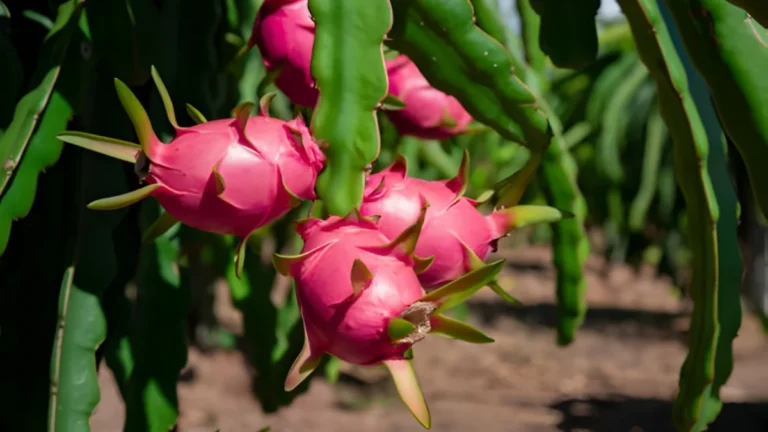
Learning how to grow dragon fruit can be an exciting journey for gardeners of all levels. Dragon fruit, also known as pitaya, is prized for its beautiful look, distinct flavor, and several health advantages. This tropical fruit, which is native to Central and South America, is well-known around the world for its eye-catching hues, reviving flavor, and adaptability in the kitchen. We shall explore the intriguing realm of how to grow dragon fruit in this thorough tutorial. A beginner’s guide on how to grow dragon fruit. Follow these simple techniques to enjoy fresh, homegrown dragon fruit right from your garden.

  • Although it may be cultivated in subtropical areas as well, dragon fruit grows best in warm, tropical temperatures. Pick a spot in your garden that is exposed to the sun for six hours or more each day. Dragon fruit hates standing water, so make sure the soil in the region drains well to avoid waterlogging.
  • Dragon fruit grows well on somewhat acidic soil (6–7) as opposed to neutral. Compost or well-rotted manure are examples of organic waste that can improve the drainage of your soil. This enhances the fertility and structure of the soil, creating the ideal conditions for root growth.
  • Stem cuttings are usually used to grow dragon fruit instead of seeds. Cuts can be obtained from an established dragon fruit plant or a reliable nursery. Make sure the cuttings are at least 12 to 18 inches long before planting them in the prepared soil. To encourage upright growth, bury the bottom part of the cutting in the ground and secure it with a stake.
  • Dragon fruit needs frequent irrigation during its early growth stage, but once established, it can withstand droughts. Give the plants regular, deep waterings, letting the soil slightly dry out in between. Refrain from overwatering since this can cause root rot.
  • When your dragon fruit plants are growing, which is usually from spring through fall, feed them with a balanced fertilizer. Choose a fertilizer that has more phosphorus to encourage fruit production and flowering. Fertilizer should be applied every 6 to 8 weeks, according to the manufacturer’s dose recommendations.
  • Support is necessary for dragon fruit plants as they mature to avoid sprawling. Install trellises, stakes, or a strong support system to direct the vines upward. Train the vines regularly to promote upward growth and enhance air circulation, which aids in disease prevention.
  • Usually blooming overnight, dragon fruit blossoms are pollinated by moths and bats, which are nocturnal animals. You can manually pollinate the blossoms with a little brush or cotton swab, though, if these natural pollinators are hard to come by in your location. To help the fruit set, gently move pollen from one blossom to another.
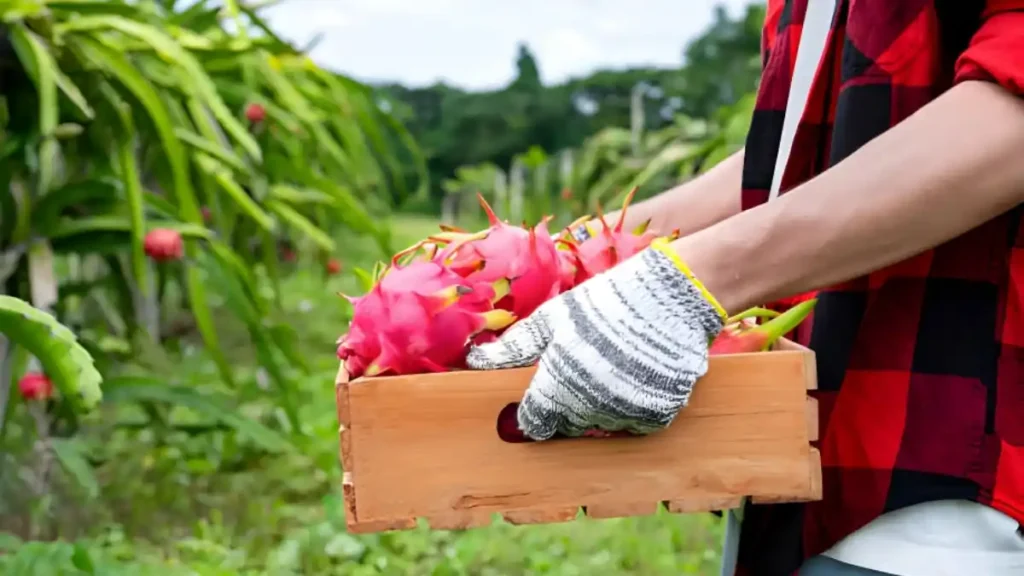
  • After blossoming, dragon fruit usually takes 4 to 6 months to develop. When the fruits become brightly colored and respond to light to moderate pressure, harvest them. Trim the fruit from the vine with pruning shears, leaving a short stem in place. Eat the fruits raw or add them to a variety of delicious recipes.

To summarize, learning how to grow dragon fruit can be a fun and gratifying experience for gardeners of all abilities. An opportunity to enjoy the rewards of one’s labor and establish a connection with nature may be found in the process of raising dragon fruit plants, which includes everything from choosing the proper species to creating ideal growing conditions. Anyone can become an expert gardener and discover the secrets to growing this amazing fruit with commitment, perseverance, and a little education. Final thoughts on how to grow dragon fruit: Consistent care, the right environment, and attention to detail will lead to a successful harvest.

Certainly! If you’d like to learn more, please consider following our WhatsApp Channel: Harvest Gardening

A frequently asked questions:

Q1: Which dragon fruit kinds are in demand?

A1: Popular variants include Hylocereus megalanthus (white flesh with yellow skin), Hylocereus undatus (white flesh with pink skin), and Hylocereus costaricensis (red flesh with red skin).

Q2: What are the common pests and diseases of dragon fruit?

A2: Aphids, scale insects, and fruit flies are common pests. Avoid overwatering and make sure there is adequate air circulation around the plant to prevent disease.

Q3: How to grow dragon fruit in pots?

A3: Use a well-draining soil mixture, set the pot in a sunny spot, and offer support to the vine-like growth as it grows if you want to produce dragon fruit in pots.

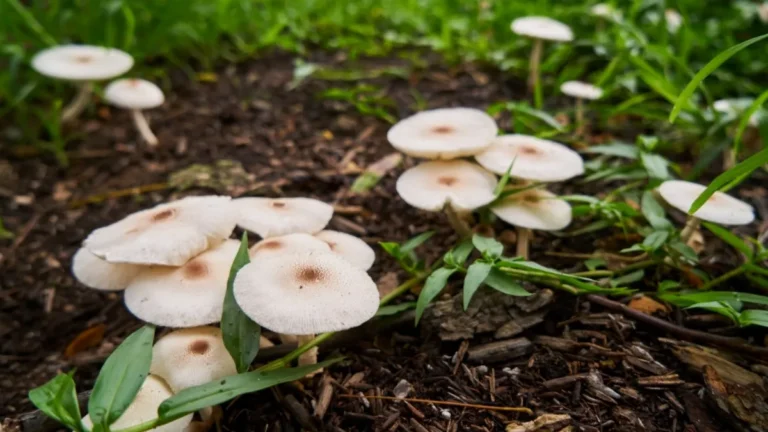
Starting a mushroom garden of your own at home is a gratifying and satisfying experience. Cultivating mushrooms offers a distinctive and delectable layer to your home gardening endeavors, regardless of your level of gardening experience.

How to select your mushroom:

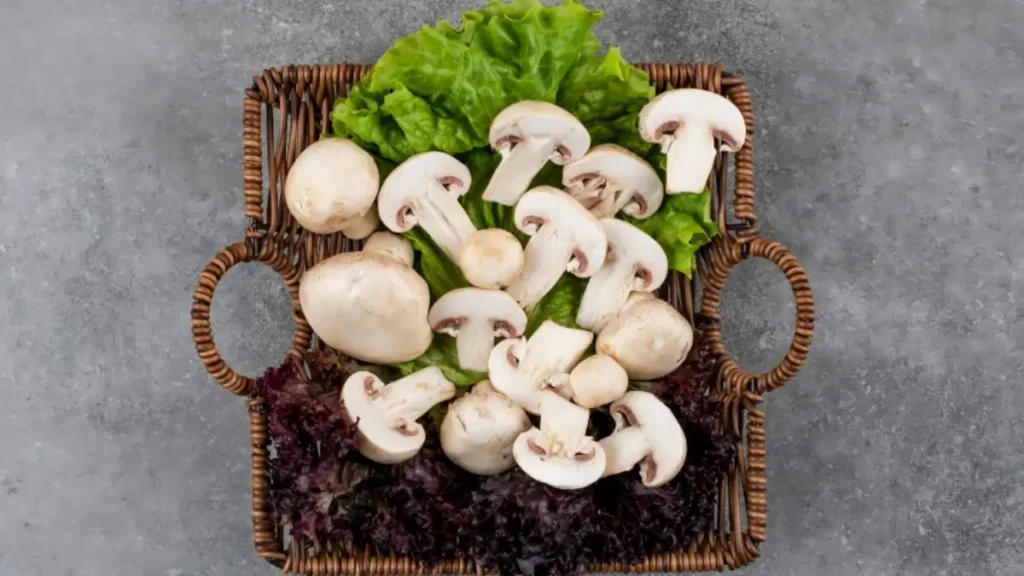
Oyster, white button, and shiitake are the three kinds of mushrooms that are the easiest to cultivate at home. While any mushroom can be grown in a similar way, different growing substrates work best.

  • Because they’re so versatile and simple to produce at home, oyster mushrooms are some of the best. On the other hand, you can experiment with different kinds of mushrooms according to your taste and what’s available.
  • Choose organic mushrooms from the shop to guarantee the highest quality and health for future generations.

Having an understanding of mushroom spread:

  • In the wild, mushrooms begin as spores contained in the gills. These spores must land on a certain surface to germinate and grow into mycelium. The unmistakable mushroom is finally formed by this network of mycelium.
  • Regrowing mushrooms from store-bought stems is faster than natural growth since it does not require spores. Tasty clones of the original mushroom can be created using the mycelium present on the stems.

Getting ready for expansion:

  • Make your bedding out of straw. After letting it soak for a few days, use it to overlay your growing media. You can also use other materials, like shredded cardboard.
  • Slice the ends of good oyster mushrooms, or any other kind, into tiny bits. For growth, a size of around ¼ inch (6 mm) is ideal.

Developing conditions:

  • The light should be added to the substrate once the mycelium has spread throughout it to encourage the growth of mushrooms. It is best to use low-wattage LED bulbs or indirect sunlight.

Collecting:

  • Mist the substrate frequently to keep it moist. When the mushrooms reach the right size, you can pick them as they begin to appear. To take them out, gently twist and pull.
  • For a more methodical approach, use sterilized aluminum foil to make spore prints from the mushroom caps. Since spores must be gathered for 24 to 36 hours, this procedure calls for patience and a clean, draft-free environment.
  • Several growing media, such as wood chips, sawdust, or regular potting mix, can be used, depending on the type of mushroom. Spoone the mycelium or spores over the surface of the selected medium once it has been hydrated.
  • A practical choice for novices or those who find the process difficult is ready-to-use mushroom kits. Usually, these kits include spraying a block live with mycelium once a day for approximately two weeks.

Throughout this guide, We have reviewed the essential procedures for starting and keeping up a good mushroom garden. Every step of the process, from picking the best mushroom kinds to setting up ideal growing conditions, adds to the satisfying experience of seeing your mushrooms flourish.

Q1: How can I begin my home-grown mushroom garden?

A1: Start by getting spores or a mushroom growing kit from a reliable source. To maintain ideal circumstances and care, adhere to the given guidelines.

Q2: How frequently should my indoor mushroom garden be watered?

A2: To keep your indoor mushroom garden at the proper moisture levels, water it frequently—usually once or twice a day. Take care not to overwater since mushrooms prefer a damp but not soggy environment.

Q3: Can I eat the mushroom growing in my garden?

A3: Since many wild mushrooms can be hazardous and offer major health hazards, it is not advised to eat any of them without first properly identifying them.

Q4: Are mushroom garden lights suitable for all weather conditions?

A4: Weather resistance is indeed a design feature of mushroom garden lights. Rain and snow are just two of the many weather conditions they can tolerate. For best results, it’s advised to maintain the cleanliness of the solar panels.

learning how to grow pumpkins may be a gratifying experience. Discover how to grow pumpkins with ease, from sowing seeds to harvesting, and transform your yard into a pumpkin haven. Keep reading for tips on how to grow pumpkins in pots.

Selecting the Appropriate Container:

  • Size: Choose a container with a minimum capacity of 15 gallons so that the roots of the pumpkin plant have enough room to spread.
  • Depth: In order to allow for the deep root system of pumpkin plants, make sure the depth is at least 18 inches.
  • Drainage: To avoid waterlogging, make sure the container has enough drainage by drilling holes in the bottom.

Choosing the Correct Type of Pumpkin:

  • Container-Favorite Types: Compact or bush varieties that are good for growing in containers include “Small Sugar,” “Baby Boo,” and “Jack Be Little.”
  • Think About Space: Choose a variety that fits the size of your container because some varieties require more room.

how to grow pumpkins With Soil and Planting: 

  • Soil Mix: Use an organic-rich, well-draining potting mix. For extra nutrients, combine aged manure or compost.
  • Planting Seeds: Plant two to three pumpkin seeds in the center of the container, about an inch deep. After sprouting, select the healthiest seedling to keep.
  • Spacing: If you are planting more than one seed, make sure they are at least 18 to 24 inches apart.

Hydration and Sunlight:

  • Hydrating: Don’t overwater the soil; instead, keep it continuously damp. In between waterings, let the soil dry out a little bit. Water deeply.
  • Sunlight: For best growth, place your container in an area that receives at least 6 to 8 hours of sunlight per day. 

Upkeep and Cure:

  • Support: As the vines grow, place a trellis or other support structure next to the container. Better airflow and the avoidance of rot can be achieved by gradually training the vines to climb the support.
  • Fertilisation: Every two to three weeks, apply a liquid fertiliser diluted to half strength or a balanced, slow-release fertiliser.
  • Pruning: To focus the plant’s energy on the main pumpkin, remove any extra foliage and tiny fruits.

Control of Pests and Diseases:

  • Pests: Frequently check for pests such as cucumber beetles, squash bugs and aphids. Apply neem oil or organic insecticidal soap for control.
  • Diseases: Pumpkins may be impacted by powdery mildew. Make sure the plant has adequate airflow, and apply fungicides if necessary.

Harvesting:

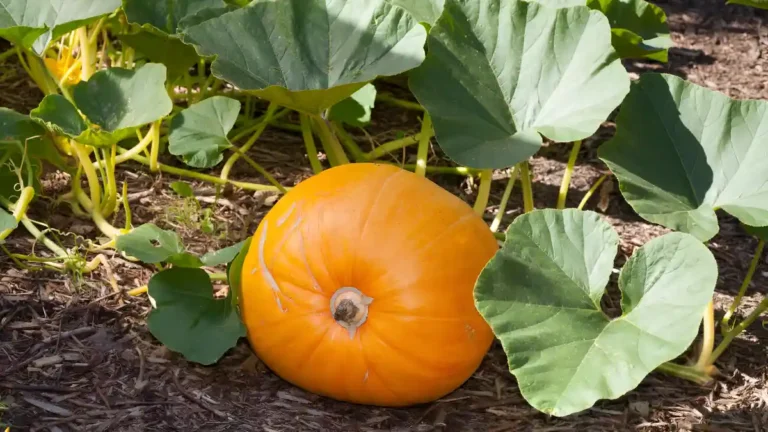
  • Timeline: Depending on the cultivar, pumpkins can reach maturity in 75–100 days.
  • Mature Signs: A hard rind, dried stem, and a rich, uniform colour are indicators of maturity. When you tap the pumpkin, it should sound hollow.
  • Harvesting: Cut the pumpkin from the vine with pruning shears, leaving a few inches of stem attached.

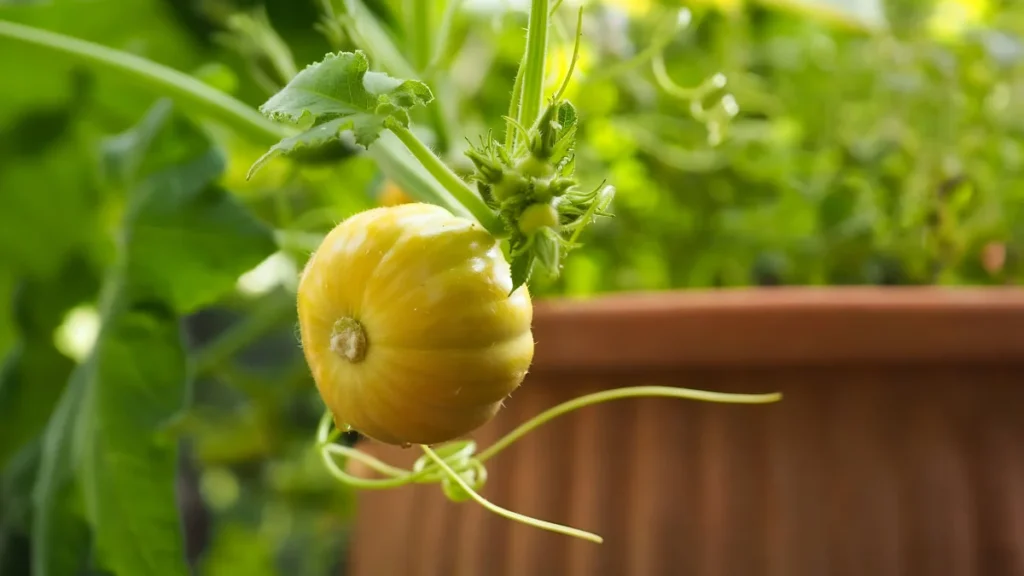
Pumpkin pollination is critical for fruit development; bees and other pollinators transport pollen from male to female blooms. Male flowers bloom initially and produce pollen, whilst female flowers, recognized by a little fruit at the base, require pollination to mature into pumpkins. If pollinators are sparse, manual pollination with a tiny brush can guarantee success. Proper pollination promotes healthy pumpkin development, making it an important aspect in any profitable garden.

Certainly! If you’d like to learn more, please consider following our WhatsApp Channel, Facebook, Instagram, YouTube, Twitter, and Pinterest.

Pumpkins grown in containers need careful attention to detail when it comes to soil composition, irrigation, sunlight exposure, and insect management. Even in a little space, you may have the satisfying pleasure of picking your own pumpkins at home with the correct upkeep and care. knowing how to grow pumpkins can transform your gardening experience and enhance your culinary creations.

Q1: What time of year is ideal for growing pumpkins?

A2: When the soil has warmed to at least 60°F (15°C), which is after your area’s last frost date, plant pumpkins.

Q2: How to grow pumpkins from seeds in Minecraft?

A1: In Minecraft, you can plant pumpkin seeds by tilling a portion of farmland and then placing the seeds on the tilled soil. Make sure the space is hydrated and well-lit.

Q3: What is the best fertilizer kind for plants that grow pumpkins?

A3: Apply fertilizer that is evenly distributed in terms of nitrogen, phosphorus, and potassium. For pumpkins, a 10-10-10 or comparable ratio works well.

Q4: Do all pumpkin flowers turn into pumpkins?

A4: No, not every pumpkin bloom turns into a pumpkin. Only female flowers may grow into pumpkins, but they must first be pollinated; male flowers generate pollen and then wither.

Q5: How long do pumpkins take to grow?

A5: Pumpkins normally develop from seed to maturity in 90 to 120 days, depending on the cultivar. Smaller pumpkins mature more quickly, whereas larger ones take longer to fully develop.