Tag

Tips

Browsing

April is the most exciting month on the gardening calendar. The soil is warming, frosts are lessening, and daylight hours are gradually rising, making now the ideal time to seed and grow a wide range of vegetables, herbs, and flowers. Along with deciding what to plant in April, there are lots of other tasks to complete while you finalize your garden ideas, like monitoring for pests and diseases, keeping up with weeding, continuing to split perennials, and pruning and pinching off blossoms as needed. Whether you’re dealing with raised beds, containers, or open ground, this comprehensive guide will show you just what to plant in April for a productive and visually appealing garden season.

April marks the transition from the cold to the warm season. In most temperate locations, soil temperatures have risen to the 8-10°C level required for reliable germination. Daylight surpasses 12 hours, causing robust development in both seedlings and existing plants. The gap between final frost and summer heat is at its largest, allowing you to seed sturdy crops straight outside while still beginning fragile crops under cover for transplanting in May. If you skip April, you’ll miss the foundation of your entire gardening season.

These crops are hardy enough to be planted immediately into prepared beds or containers outside in April. They thrive in chilly spring weather and will spread swiftly as temperatures climb over the month.

1. Lettuce & salad leaves

April is the most productive month for sowing. Cut-and-come-again materials can be ready in as little as 3-4 weeks. Sow every two weeks for continued harvesting.

2. Peas

April is peak pea-sowing season. Sow 5 cm deep in two rows. Support with twigs or nets. Harvest in 10-12 weeks.

3. Carrots

Sow thinly in drills 1 cm deep. Carrots detest root disturbance, so avoid transplanting. Thin to 5 cm apart when 3 cm tall.

4. Spring onions

Every three weeks, sow thickly in 1cm deep drills to ensure a constant supply that may be pulled as needed. Thinning is not necessary while growing bunching onions.

April is perfect for starting a herb garden, both from seed and by transplanting young plants. Hardy perennial herbs can be planted directly outside, whilst sensitive Mediterranean plants should be started inside.

1. Thyme & oregano

Established plants should be planted in well-drained soil in April. Both are Mediterranean herbs that prefer full light and dry conditions – excellent for raised beds.

2. Coriander

Sow directly in a sunny place from April to May. In hot weather, bolting occurs fast; pick slow-bolt cultivars and sow every three weeks for continuous leaf.

3. Parsley

Germination time is notoriously slow (3-4 weeks). Sow in April for a summer harvest. Soak seeds overnight to speed up germination. Keep continuously moist.

4. Basil

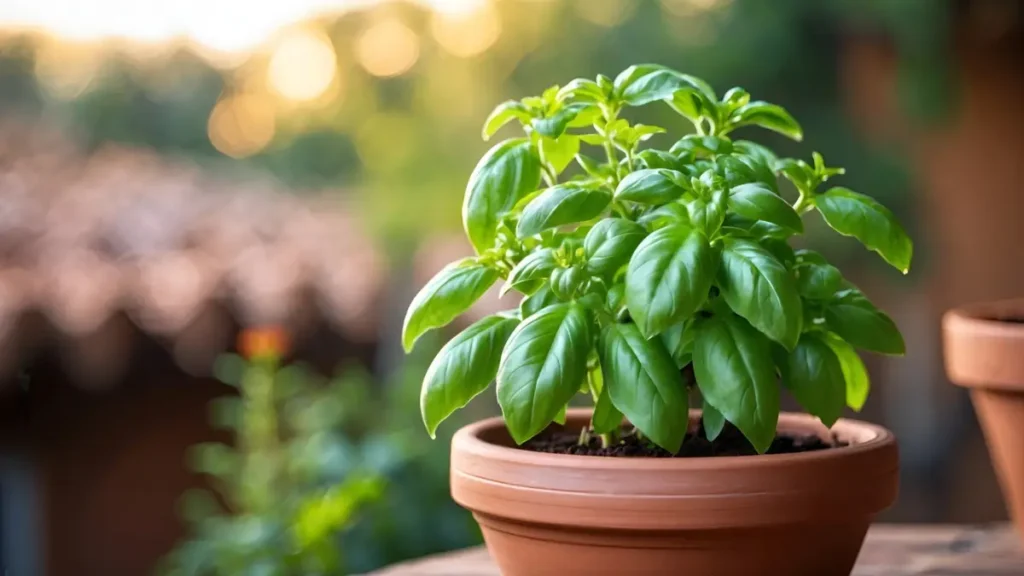
Sow indoors at temperatures of 18°C or above in April. Basil hates chilly nights, so do not transplant outside until June. Pinch the flower heads to keep the leaves coming.

April is ideal for both hardy annual flowers, which may be seeded directly outside, and half-hardy annuals, which can be started indoors. A well-planned April flower sowing will provide flowers from June through to the first frosts. If you do not know which flowers to plant in April, here are the names of a few flowers listed below.

1. Calendula (pot marigold)

Sow directly in April for blooming in June. Calendula is delicious, medicinal, and a potent companion plant that repels aphids while attracting beneficial insects.

2. Nasturtiums

Sow directly outside in mid-April. Edible spring flowers and leaves. Excellent aphid sacrifice trap crop. Thrive in poor, dry soil—do not overfeed.

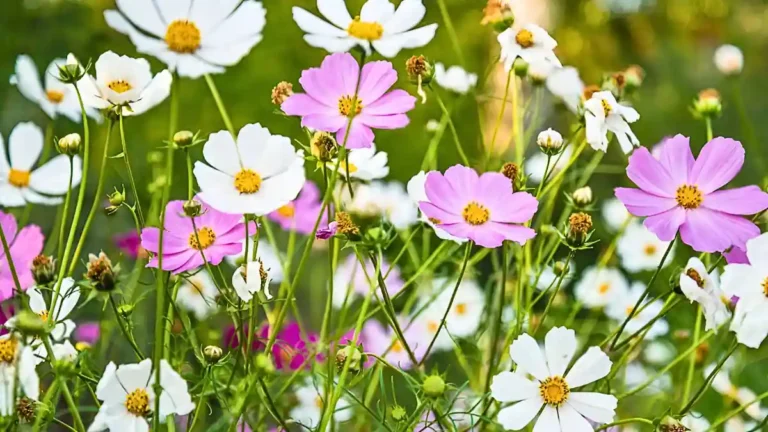
3. Cosmos

Plant cosmos indoors in April for June flowers. Frost-tender but fast-growing, they will cover any gap in your borders with fluffy leaves and abundant blossoms.

4. Cornflowers

Simply spread seeds and softly rake in. Cornflowers planted in April bloom from July to September, making them ideal for pollinators and cut flowers.

April is one of the greatest months for growing fruit in the garden. The bare root season is passed, but pot-grown fruit plants thrive in April’s warm soil and increased rainfall.

1. Strawberries

Plant runners or potted plants in April for a late June-July crop. Remove first-year blooms from newly planted runners to create a stronger crown for the next season.

2. Raspberries

Plant canes in prepared beds now. Summer-fruiting types planted in April will grow and produce the following year.

3. Blueberries

April is great for planting in ericaceous (acidic) compost. If your soil is not naturally acidic (pH less than 5.5), grow it in huge pots.

4. Melon

Sow indoors in April at a temperature of 20°C or above for greenhouse or polytunnels.

Knowing what to plant in April may significantly improve your gardening experience. With the correct crops, careful planning, and continuous maintenance, you may have a profitable and attractive garden all season.

April provides an ideal blend of weather, soil conditions, and planting chances, making it one of the most significant months for gardeners.

Certainly! If you’d like to learn more, please consider following our WhatsApp Channel, Facebook, Instagram, YouTube, Twitter, and Pinterest.

Q1: What is the easiest vegetable to plant in April?

A1: Radishes are the simplest and quickest vegetable to produce from an April seed, taking as little as 3-4 weeks with minimum maintenance. Lettuce, spring onions, and peas follow closely following. All may be seeded straight outdoors in April using only seeds and a rake.

Q2: Can I plant potatoes in April?

A2: Yes, in most areas, mid-April is the best time to grow seed potatoes outside. First earlies can be planted as early as April (soil permitting), with maincrops following in mid-to-late April. To protect against late frosts and stimulate the formation of new tubers, earth up the shoots as they emerge.

Q3: What should I not plant in April?

A3: In April, avoid planting frost-tender crops straight outside. This includes tomatoes, peppers, aubergines, courgettes, cucumbers, runner beans, and basil, which must be planted indoors in April and put outside once the risk of frost has passed.
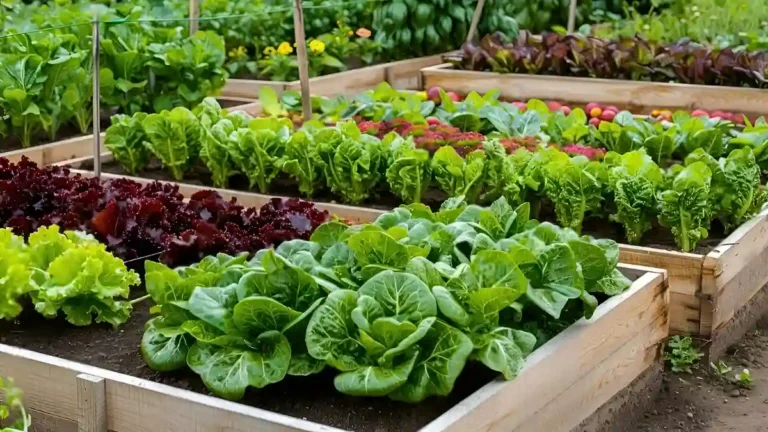

Raised bed gardening is one of the most effective and satisfying methods for growing vegetables, herbs, and flowers. Raised beds provide greater soil management, improved drainage, and increased yield for both novice and expert gardeners.

In this article, we’ll look at 15 innovative and high-yield raised bed gardening ideas that will turn your garden into a profitable and visually beautiful environment.

Raised bed gardening is the practice of growing plants in soil that is elevated above the normal ground level, usually within a frame constructed of wood, metal, stone, or another material. Raised beds, unlike traditional in-ground gardening, provide you total control over your growing environment, including soil composition, drainage, and pest management. They are ideal for all skill levels, from novice growers to experienced horticulturists, and thrive in backyards, patios, roofs, and even indoors.

Raised beds alleviate several of the most frequent gardening problems. Here’s why millions of gardeners vouch for them:

  • Better soil control – Instead of fighting clay or sandy native soil, you fill beds with the right combination of compost, topsoil, and amendments.
  • Improved drainage – Elevated beds avoid waterlogging, which is the major cause of root rot and plant death.
  • Fewer weeds – Starting with weed-free soil decreases weed pressure all season.
  • Easier on your body —Taller raised beds minimize the need to stoop and kneel, making gardening more accessible to the elderly and disabled gardeners.
  • Warmer soil — Raised beds warm up faster in spring, extending your growth season by 2-4 weeks over ground planting.
  • Pest and disease control – Physical barriers help to prevent slugs, rabbits, and soil-borne illnesses.
MaterialLifespanBest for
Cedar wood10–15 yearsClassic look, naturally rot-resistant
Galvanized steel20–30 yearsModern aesthetic, very durable
Redwood15–20 yearsPremium builds, beautiful grain
Composite lumber25+ yearsLow maintenance, eco-friendly
Pressure-treated pine10–20 yearsBudget builds — use ACQ treated only
Cinder block / stoneIndefinitePermanent installations
Untreated pine / fir3–5 yearsTemporary or trial beds

1. Keyhole raised bed

A keyhole bed is a circular elevated bed with a thin slot carved into one side, resulting in a D-shaped path to the center. This ingenious design allows you to access every inch of soil without walking on it, preventing compaction and increasing growth space. Ideal for tiny gardens, the keyhole layout pairs well with a central compost basket that delivers nutrients straight to plant roots as it decomposes.

2. L-shaped corner raised bed

L-shaped beds are designed to fit into garden corners, which are typically underutilized. The two arms provide a natural, protected planting space, while the inner angle is ideal for a garden seat, tool storage, or a small water butt. Plant taller crops on the rear wall and shorter ones along the front arm to ensure that all plants receive adequate sunlight.

3. Herb spiral raised bed

The herb spiral is a three-dimensional raised bed that wraps up in a clockwise coil, resulting in numerous unique microclimates within a 1.5m area. The top of the spiral is dry and sun-drenched, making it excellent for Mediterranean herbs like rosemary, thyme, and sage. The base retains moisture better, making it ideal for mint, chives, and parsley. One spiral may produce 15-20 different herbs at the same time, without the need for additional irrigation infrastructure.

4. Galvanized steel trough bed

Galvanized steel stock troughs are one of the most popular raised bed options for modern and urban gardening. They are food-safe, rust-resistant, and will last 20-30 years with little maintenance. Their sleek oval or rectangular form looks great on patios and decks. Drill drainage holes in the foundation, top with gravel, then fill with quality compost mix for instant productive growth.

5. Vertical pallet raised bed wall

A repurposed wooden pallet stood on its end and lined with hessian or landscape fabric becomes a dramatic vertical planting wall in under an hour. Fill each slat gap with compost and plant salad leaves, herbs, strawberries, or trailing nasturtiums. Leaned against a sunny fence or wall, three pallets side by side creates an impressive edible feature that takes up virtually no floor space.

6. Tiered pyramid raised bed

A pyramid bed consists of three or four increasingly smaller frames stacked on top of one another, resulting in a striking tiered structure that is both attractive and productive. The tiered design improves drainage, increases growing surface area by up to 60%, and provides an excellent environment for strawberries, lettuce, and herbs to cascade down each layer. For long-lasting construction, choose cedar or painted pressure-treated wood.

7. Hugelkultur raised bed

Hugelkultur (from German meaning “hill culture”) is an old practice in which the foundation of a raised bed is filled with decaying logs and woody waste before being covered with soil and compost. As the wood decomposes over time, it produces a gradual feed of nutrients and works as a moisture sponge, lowering watering requirements by up to 50% in the summer. Hugelkultur beds increase with age, yielding remarkable crops by year two.

8. Wicking raised bed (self-watering)

A wicking bed features a sealed foundation and a water reservoir under the soil. Plants take moisture up by capillary action when needed, minimizing the possibility of over- or under-watering. Water consumption is decreased by up to 70% compared to surface-irrigated beds. A simple fill pipe protruding out the side allows you to top off the reservoir without disturbing the earth. Ideal for tomatoes, peppers, and aubergines, which require regular hydration.

9. Three Sisters companion planting bed

The Three Sisters is a Native American polyculture system that grows corn, climbing beans, and squash all in the same bed. Each plant benefits the others: corn acts as a trellis for beans, beans fix nitrogen to feed corn and squash, and squash’s large leaves shade the soil, retaining moisture and suppressing weeds. The end result is a highly productive, nearly self-sustaining bed that requires little external input.

10. Square foot gardening bed

Mel Bartholomew popularized the square foot gardening method, which involves dividing a raised bed into 30cm x 30cm squares and planting each with a different crop at ideal density. This avoids wasted space between rows while producing significantly more yield than standard row planting. A 120×240cm bed with square foot spacing is similar to a 9-meter conventional row garden.

11. Wheelchair-accessible tall raised bed

Raising beds to 75-90cm height makes gardening easier for wheelchair users and anyone who struggles to bend or kneel. Keeping the bed width to 60-70cm allows for easy access to the entire planting area from a sitting position. These elevated beds also have great drainage and warm up faster than normal raised beds, providing a longer growth window. With a smooth-edged broad lip across the top, it doubles as a seat.

12. Cinder block raised bed

Cinder blocks placed two or three courses high provide an exceedingly robust and lasting raised bed that requires no joinery. Each block’s empty cells serve as additional planting spaces, perfect for trailing herbs, succulents, and annual flowers to give color to the structure. Cinder brick beds are long-lasting, heat-retaining, and may be painted or rendered to complement your garden’s design.

13. Cottage garden flower raised bed

Raised beds aren’t only for vegetables. A dedicated cottage-style flower bed filled with sweet peas, cornflowers, foxgloves, cosmos, and dahlias forms a gorgeous cutting garden that provides fresh blooms from May to October. A raised bed’s controlled environment allows you to create the ideal free-draining, rich conditions for cottage flowers, resulting in higher stems and more profuse blossoming than ground-planted beds.

14. Succession planting raised bed

A succession planting bed is a year-round planting approach that ensures your raised bed is productive throughout the growing season. Divide your bed into four zones, with sowings spaced every 3-4 weeks. As one crop is harvested, another is planted in its place. When combined with cold frames or fleece covers, a well-managed succession bed may produce fresh lettuce, radishes, or Asian greens for eleven months of the year in temperate climes.

15. Pollinator border raised bed

Planting a separate raised bed with pollinator-friendly flowers and herbs beside your vegetable beds can boost yields by up to 30% due to enhanced pollination. Borage, phacelia, lavender, echinacea, and calendula are all great options. When placed near fruiting crops such as tomatoes, courgettes, beans, and strawberries, a pollinator bed acts as an invisible fertilizer, increasing fruit production without the need of chemicals.

Almost any plant thrives in a raised bed, but some are especially suited to the regulated atmosphere and limited area.

Top veggies for raised beds

Tomatoes grow in deep, warm soils. Pair with basil as a companion plant. Lettuce and salad greens mature quickly, making them perfect for cut-and-come-again harvests. Carrots and radishes thrive in deep, loose raised bed soil free of stones. Courgettes and squash are prolific growers in rich compost-heavy soil. Kale and chard’s outer leaves are harvested continually from spring to winter. Beans and peas are vertical climbers that make good use of the area above beds. Garlic and onions are low-maintenance, ideal for novices, and cover gaps in the planting schedule.

Raised bed gardening is a practice that originated in ancient civilizations and is used to increase agricultural output by elevating soil beds. Key historical developments include the usage of raised plots in Ancient Egypt, notably along the Nile River; the founding of kitchen gardens in Medieval Europe; and the current emergence of urban gardening, which has made raised beds a popular choice among modern gardeners.

  • Smart irrigation systems.
  • Self-watering raised beds.
  • Sustainable and environmentally friendly materials
  • Integration with Vertical Farming

Raised bed gardening is one of the best investments you can make for your health, diet, and outside space. There is an ideal raised bed design for any garden, budget, and skill level. Begin with one design that matches your area and goals, whether it’s a basic square foot bed for organized novices, a dramatic herb spiral as a garden focal point, or a wicking bed for easy high-yield tomatoes. The beauty of raised bed gardening is that you can construct, adapt, and grow your arrangement from year to year. Start with one bed this season; you’ll almost surely want more by next spring.

Certainly! If you’d like to learn more, please consider following our WhatsApp Channel, Facebook, Instagram, YouTube, Twitter, and Pinterest.

Q1: How deep should a raised garden bed be?

A1: For most veggies, a depth of 15-20cm (6-8 inches) is enough. For deep-rooted vegetables such as carrots, parsnips, and tomatoes, aim for 30-45 cm (12-18 inches). Shallower beds (10cm) are ideal for herbs and salad greens. More depth equals greater water retention and a stronger root system.

Q2: How many plants can I fit in a raised bed?

A2: This is determined by the plant and the technique of spacing used. Using square foot gardening, a conventional 120×240cm bed may accommodate 16-32 plants (tomatoes, peppers, cabbages) in big squares, 64 medium plants (lettuce, garlic), or up to 256 tiny plants (carrots, radishes), which is significantly more than a regular row garden of the same space.

Q3: Which raised bed gardening idea is best for beginners?

A3: The square foot gardening bed idea is suitable for beginners. It provides a clear, organized strategy for deciding what to plant where, eliminates uncertainty about spacing, and makes the most of a tiny space. For the simplest start, pair it with a basic cedar frame 30cm deep and a high-quality compost-soil mix.

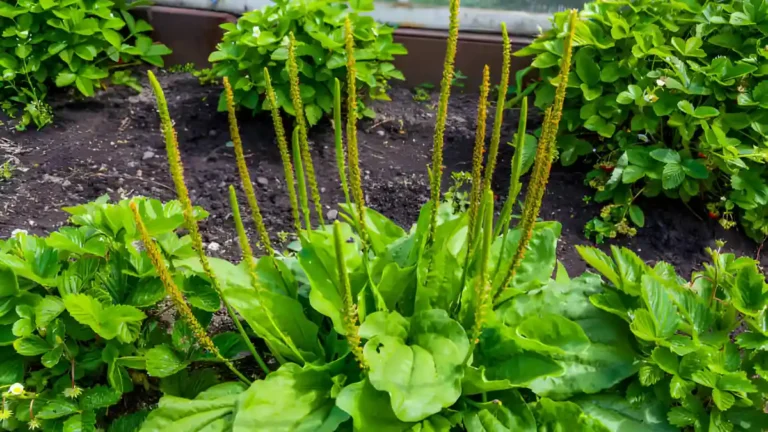
Amidst the colorful variety of plants in the bustling world of flora, the Broadleaf Plantain is a modest hero who is sometimes disregarded. Despite its modest look, this botanical treasure conceals many mysteries just waiting to be discovered. Come along on an exploration of the intriguing world of the Broadleaf Plantain, as we uncover its little-known benefits and astounding contributions to both the natural world and humankind.

Wound recovery

  • Its leaves include substances that aid in the healing of wounds and lessen pain from burns, scratches, and other injuries. The healing process may be sped up by directly applying crushed or damaged leaves to the injured region.

Properties that reduce inflammation

  • When taken internally or administered topically, it might aid in reducing inflammation. This characteristic renders it advantageous for mitigating skin ailments such as dermatitis, psoriasis, and eczema, in addition to alleviating mild discomfort resulting from insect bites and stings.

Broadleaf plantain medicinal uses

  • Broadleaf plantains have long been used in herbal therapy to treat various illnesses. It can treat wounds, bug bites, and skin irritations since it contains anti-inflammatory, antibacterial, and antioxidant chemicals.

Health of the gastrointestinal tract

  • It has long been utilized to promote healthy digestive systems. Mucilage, a gel-like material found in it, can protect and calm the digestive tract, possibly offering treatment for ailments including diarrhea, ulcers, and gastritis.

Support for respiratory

  • Broadleaf plantain is sometimes used to treat respiratory ailments like bronchitis, colds, and coughs. When ingested as a tea or syrup, the plant contains chemicals that may help relieve congestion and soothe inflamed airways.

Nutritional value of broadleaf plantain

  • These are low in nutrition but high in vitamins, minerals, and phytochemicals that are good for your health. Together with minerals like potassium and calcium, it also contains vitamins A, C, and K.

Antioxidant function

  • Antioxidants in it assist the body in combating damaging free radicals, which may lower the risk of chronic illnesses and improve general health.

Properties of diuretics

  • According to some herbalists, broadleaf plantain may have diuretic qualities that aid in boosting urine output and aiding in the process of detoxification. Those with mild fluid retention or urinary problems may benefit from this impact.

Research on the broadleaf plantain has revealed its amazing properties and advantages, making it an absolute hidden treasure of the natural world. It is clear from this research that broadleaf plantains have a wide range of therapeutic benefits. Its nutritious value, which offers a supply of vital vitamins and minerals, further enhances its appeal.

Certainly! If you’d like to learn more, please consider following our WhatsApp Channel, Facebook, Instagram, YouTube, Twitter, and Pinterest.

Q1: What are the broadleaf plantain benefits of skincare?

A1: It is a helpful ingredient in natural skincare products because of its anti-inflammatory and antibacterial qualities, which help to calm irritated skin and encourage healing.

Q2: What are the broadleaf plantain benefits of eye health?

A2: Empirical evidence supporting its beneficial effects on eye health is few. Its possible anti-inflammatory qualities, according to some supporters, might help eye health indirectly by lowering inflammation in ailments like conjunctivitis.

Q3: Is broadleaf plantain invasive?

A3: Not commonly considered an invasive species,

You don’t have to use harsh chemicals or spend a fortune cleaning your house. A common pantry item, vinegar may be an efficient and reasonably priced DIY cleaner for a variety of surfaces and household chores. Here’s how to use it to keep your house immaculately clean.

A natural deodorizer and disinfectant is vinegar. Because of its acidity, it works well to dissolve mineral deposits and filth. It’s also environmentally friendly and suitable for the majority of surfaces.

Ingredients:

  • one part vinegar made of white
  • one part aqueous
  • A few drops of essential oil, such as lavender or lemon, are optional but add a nice aroma.

Guidelines:

  • Using a spray bottle, mix equal parts water and white vinegar.
  • Should you want to, add a few drops of your preferred essential oil.
  • Thoroughly shake before using.

Using vinegar as a DIY cleaner

  • Countertops: Apply a mist and use a fresh cloth to clean the surface. Because vinegar stains natural stone surfaces like granite and marble, it should not be used on them.
  • Windows and Mirrors: For a streak-free shine, spray on glass surfaces and wipe with a lint-free cloth or newspaper.
  • Floors: To mop tile or vinyl floors, mix half a cup of vinegar with one gallon of warm water. Again, do not use on floors made of genuine stone.

As an eco-friendly and cost-effective DIY cleaner, vinegar works great. You don’t need to use expensive solutions to keep your home clean and glossy because you can accomplish a lot of household cleaning jobs with only a few items. Try these easy recipes and reap the rewards of a budget-friendly, spotlessly clean house!

Certainly! If you’d like to learn more, please consider following our WhatsApp Channel, Facebook, Instagram, YouTube, Twitter, and Pinterest.

Q1: What’s a good DIY cleaner for bathrooms?

A1: Combine one cup vinegar, one cup baking soda, and a few drops essential tea tree oil. This concoction is effective at cleaning tiles, sinks, and bathtubs.

Q2: Can vinegar be used to clean windows and mirrors?

A2: Indeed, vinegar works wonders for sanitizing glass surfaces. In a spray bottle, combine one part vinegar to one part water. For a streak-free finish, spray the solution over the glass and wipe with a paper towel or lint-free cloth.

Q3: Can I use a steam mop with my DIY cleaner?

A3: Using a steam mop on laminate floors is generally not advised because of the high heat and moisture content that can cause the laminate to bulge or distort. For cleaning, use a microfiber mop and slightly moistened rags.

Q4: How should I apply the DIY cleaner to my hardwood floors?

A4: Use a microfiber mop or cloth to wipe the floor after lightly spraying it with the homemade cleanser. To avoid causing water damage to the floor, try not to saturate it too much.

Did you know that spending only 30 minutes in your garden might help to decrease stress and boost mood? Gardening is more than simply a pastime; it’s an effective approach to improving your physical and emotional health. In today’s fast-paced world, gardening provides a welcome respite and a sense of accomplishment.

The benefits of gardening go far beyond growing plants.. Gardening has the potential to significantly improve your health and happiness. Everyone, whether they have a vast garden or a little balcony, may reap the benefits of plant care.

Gardening is the practice of producing and tending plants, including vegetables, fruits, herbs, and flowers. It may be done in the garden, on balconies, roofs, or even inside.

Key elements of gardening

  • Good soil is the foundation of successful gardening.
  • Selecting the appropriate plants for your climate and area.
  • Watering and sunlight are critical for plant development and production.
  • Pruning, weeding, and fertilizing are all part of regular maintenance.

Beginners should start with easy-to-grow plants like tomatoes, mint, or spinach to ensure a successful garden. Using compost instead of artificial fertilizers produces better soil, which improves plant growth and sustainability. Additionally, watering plants early in the morning is suggested to reduce evaporation losses and provide proper hydration.

1. Gardening reduces stress and anxiety

One of the major benefits of gardening is its capacity to decrease stress. Spending time in nature reduces cortisol (the stress hormone) levels and promotes relaxation.

  • Digging dirt and putting seeds produces a relaxing effect.
  • Exposure to flora enhances mood
  • Gardening serves as a form of meditation.

2. Boosts physical health

Gardening is an effective exercise that increases physical activity by increasing flexibility and strength while burning calories at a rate comparable to mild exercises. Digging, watering, and weeding exercise different muscle areas, delivering a full-body workout. Furthermore, gardening promotes outside activity, which improves general health and fitness.

3. Improves mental well-being

Gardening has been shown to boost mental health and emotional well-being. It is an excellent approach for combating depression, increasing feelings of enjoyment, and promoting awareness among those participating in this exercise.

4. Provides fresh and organic food

Growing your own fruits and vegetables has several advantages, including access to fresh, chemical-free products. It promotes healthy eating habits, lowers shopping bills, and improves the flavor and nutritional content of food. Harvesting your own tomatoes, herbs, or spinach is a pleasant experience that much outweighs purchasing pre-packaged alternatives.

5. Increases vitamin D intake

Gardening outside has various health advantages owing to the natural sunshine exposure. It increases vitamin D levels, strengthens bones, and helps the immune system. Morning planting is very beneficial for increasing sunshine absorption.

6. Enhances mood and happiness

Gardening has been related to the release of “happy hormones” including serotonin and dopamine, which help to promote emotional equilibrium. Gardening promotes a sense of accomplishment and reduces negative thinking. The excitement and satisfaction gained from seeing plants develop is a distinguishing feature of this hobby, bringing a level of contentment that is difficult to obtain in other hobbies.

7. Encourages mindfulness and patience

Gardening is an activity that promotes patience and concentration. It encourages people to wait for plants to grow, which promotes present-moment awareness and reduces overthinking. This mindful technique increases mental clarity and promotes relaxation.

8. Supports biodiversity

Your garden may function as a little ecosystem, attracting pollinators like bees and butterflies, sustaining local fauna, and improving environmental health. Planting native plants is critical to preserving biological equilibrium in this habitat.

9. Improves sleep quality

Gardening improves sleep patterns by offering physical activity that naturally exhausts the body, lowers tension and anxiety, and promotes deeper sleep. Gardeners frequently report more peaceful evenings.

10. Builds social connections

Gardening promotes communal relationships through a variety of activities. Community gardens serve an important role in bringing people together and fostering the development of ties between members. The common experience of swapping plants and gardening knowledge not only strengthens friendships but also fosters family togetherness. Overall, gardening is a great way for people to interact with their neighbors and loved ones.

11. Boosts creativity and productivity

Gardening is a unique combination of art and science that allows people to express themselves creatively via garden design. Planning layouts not only encourages creative expression but also enhances problem-solving abilities. Furthermore, gardening activities improve productivity and attention. Gardening, from choosing the correct plants to arranging them in an aesthetically beautiful manner, stimulates one’s creativity greatly.

If you’re new to gardening, here are some basic suggestions:

  • Begin with simple plants such as herbs or succulents.
  • Utilize excellent soil and compost.
  • Water plants frequently, but don’t overwater.
  • Ensure proper sunshine.
  • Have patience and enjoy the process.

The 11 benefits of gardening clearly demonstrate how this simple hobby may improve your life. Gardening has several benefits, including improved mental health and physical fitness, as well as increased enjoyment and creativity.

Whether you’re growing herbs on your balcony or creating a large backyard garden, each step takes you closer to a healthier and happier life.

Certainly! If you’d like to learn more, please consider following our WhatsApp Channel, Facebook, Instagram, YouTube, Twitter, and Pinterest.

Q1: Can gardening improve mood?

A1: Yes, gardening may boost mood by triggering the production of feel-good chemicals in the brain and creating a sense of delight and contentment.

Q2: What are the benefits of gardening for children?

A2: Children who garden develop better relationships with food, stronger science literacy, improved fine motor skills, and greater responsibility and patience. School garden programmes are consistently linked to healthier eating habits and increased outdoor activity.

Q3: Can gardening improve children’s learning and development?

A3: Yes, gardening teaches children key ideas such as responsibility, patience, and fundamental science, which improves their cognitive and problem-solving abilities.

Q4: Can gardening boost the immune system?

A4: Yes, spending time outside and interacting with the earth can boost immune function by exposing the body to beneficial bacteria and fresh air.

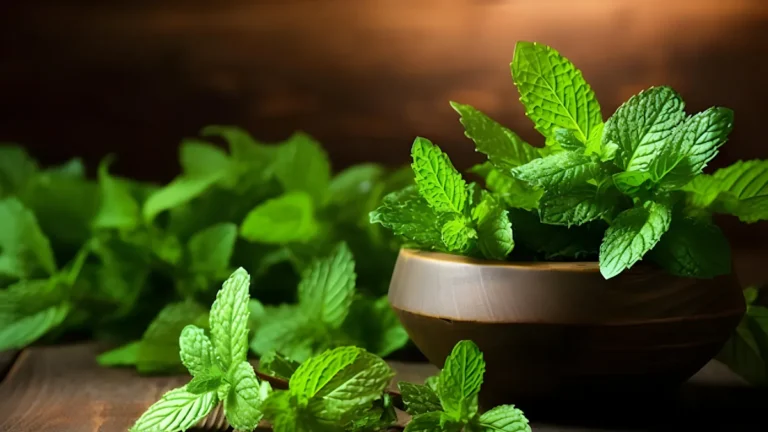
The peppermint plant is a veritable powerhouse of health and happiness when it comes to natural cures and overall well-being. Beyond its culinary applications, peppermint, known for its refreshing scent and unique taste, has many advantages that promote a happier and healthier lifestyle.

Peppermint plant benefits, for digestion:

  • One well-known use of peppermint is to ease stomach problems. It aids in gastrointestinal tract muscular relaxation, which lessens symptoms like gas, bloating, and indigestion. Improved digestion may be facilitated by consuming peppermint tea or adding fresh peppermint leaves to meals.

This plant also helps with pain relief for headaches:

  • Headaches and migraines may be relieved by the cooling impact of peppermint menthol. So, tension and headaches brought on by stress may be relieved by rubbing peppermint oil on the temples or breathing in its fragrance.

Enhanced intelligence:

  • Peppermint oil, infused into products or diffused, has been shown to enhance concentration and mental alertness, providing a stimulating environment for cognitive performance.

peppermint plant lessen stress:

  • Peppermint scents inhaled through teas or essential oils, are known to promote relaxation and reduce tension, reducing stress and anxiety.

Breathing health:

  • The decongestant qualities of peppermint oil can help ease breathing issues. Also, clearing nasal passages and alleviating cold and allergy symptoms can be achieved by inhaling peppermint oil-infused steam or consuming peppermint tea.

Relaxation of muscles:

  • Peppermint oil, with its analgesic properties, can be applied topically or mixed with bathwater to alleviate tension and promote muscle relaxation.

Peppermint plant help with weight management:

  • Reduced hunger and desires have been linked to the scent of peppermint. After that, by reducing food cravings, the aroma of peppermint oil or peppermint tea may be beneficial for people who are attempting to control their weight.

In conclusion, the benefits of peppermint plant for happiness and health demonstrate a wide range of favorable effects on mental and physical health. So, peppermint is a multifaceted herb that has amazing benefits to general health, ranging from strong medical qualities that help with headaches and digestion to its capacity to improve mood and lower stress levels.

Certainly! If you’d like to learn more, please consider following our WhatsApp Channel, Facebook, Instagram, YouTube, Twitter, and Pinterest.

Q1: What is the scientific name of the peppermint plant?

A1: The scientific name of the peppermint plant is Mentha × piperita.

Q2: How is the peppermint plant different from spearmint?

A2: The menthol taste of peppermint (Mentha × Piperita) is more potent than that of spearmint. Mentha spicata is a species that includes spearmint.

Q3: Can I grow peppermint plants indoors?

A3: It is possible to grow peppermint indoors. Make sure the soil drains properly, it gets enough sunlight, and it gets watered frequently.

Q4: Is the peppermint plant safe for dogs?

A4: Peppermint plants are generally safe for dogs in moderation, but excessive consumption may cause digestive issues, so consult your vet before introducing new plants to your dog’s environment.

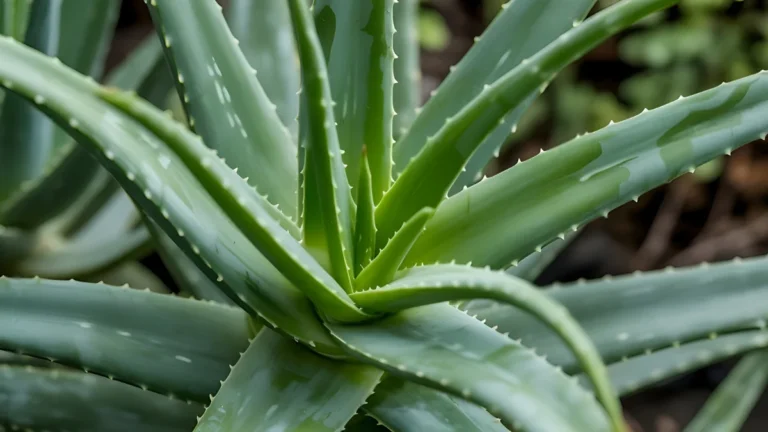
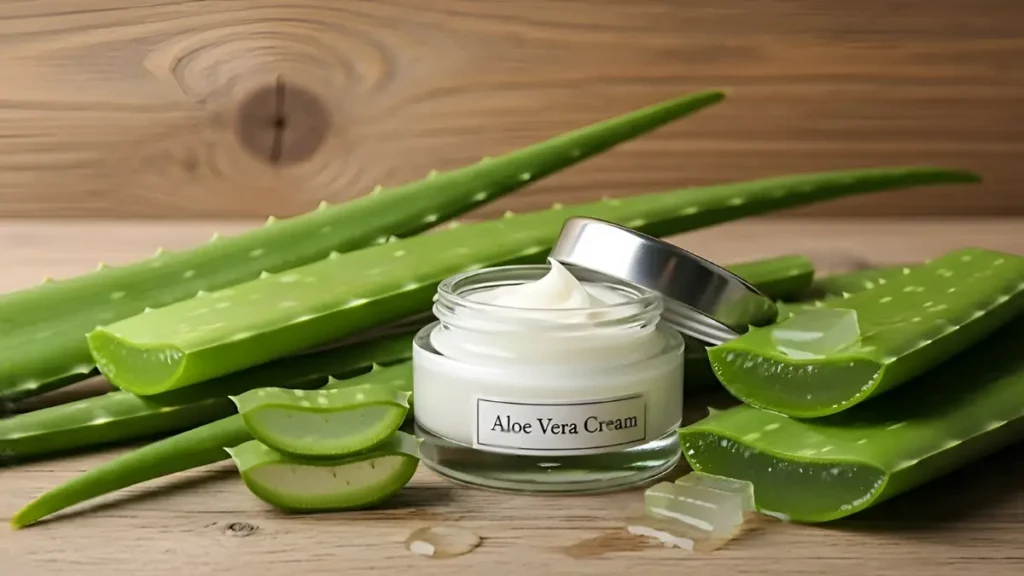
When it comes to natural healing and beauty, aloe vera is a true wonder plant. Aloe vera, known for its soothing gel and remarkable medical capabilities, has been used for generations in both traditional and modern treatments.

Aloe vera, which is high in vitamins, antioxidants, and enzymes, has several advantages, including improved skin health and digestion. Whether you cultivate it yourself or purchase ready-made gel, adding aloe vera into your daily routine will naturally improve your health and appearance.

In this detailed tutorial, we will look at the top 10 benefits of aloe vera and how to utilize it successfully.

Aloe vera is a succulent plant with thick, fleshy leaves that produce a transparent gel rich in vitamins A, C, E, and B12, antioxidants, amino acids, and enzymes. This plant has a long history of usage in traditional medicinal traditions, including Ayurveda, and is known for its soothing and cooling effects.

1. Promotes glowing skin

Aloe vera is known for its deep hydration and nourishing characteristics, which help to make skin smoother and more luminous. Its advantages include reduced dryness, improved skin suppleness, and a natural shine. Regular use of aloe vera may brighten dull skin and enhance complexion, making it an excellent complement to skincare regimes.

2. Heals acne & pimples

Aloe vera has antibacterial and anti-inflammatory qualities, making it a useful therapy for acne-prone skin. The plant works by inhibiting the growth of acne-causing bacteria, lowering related redness and swelling, and avoiding future outbreaks. This makes it a mild yet effective natural remedy for acne.

3. Soothes sunburn & skin irritation

Aloe vera, sometimes known as the “burn plant,” is well-known for its cooling characteristics, making it an effective treatment for sunburn. It gives instant comfort by calming the skin, reducing inflammation, and hastening the healing process for burns and other skin irritations.

4. Deeply moisturizes skin

Unlike heavier lotions, aloe vera gel absorbs quickly into the skin, allowing it to penetrate without blocking pores. This characteristic makes it appropriate for both oily and sensitive skin types. Furthermore, aloe vera gel delivers great daily hydration, making it a versatile option for keeping skin moisturized without the heaviness associated with standard creams.

5. Reduces signs of aging

Aloe vera is well-known for its ability to boost collagen formation and promote skin suppleness, which results in a number of essential advantages such as less fine lines, wrinkle prevention, and the preservation of young. Furthermore, aloe vera’s antioxidants play an important role in countering free radicals, which are responsible for premature skin aging.

6. Strengthens hair & promotes growth

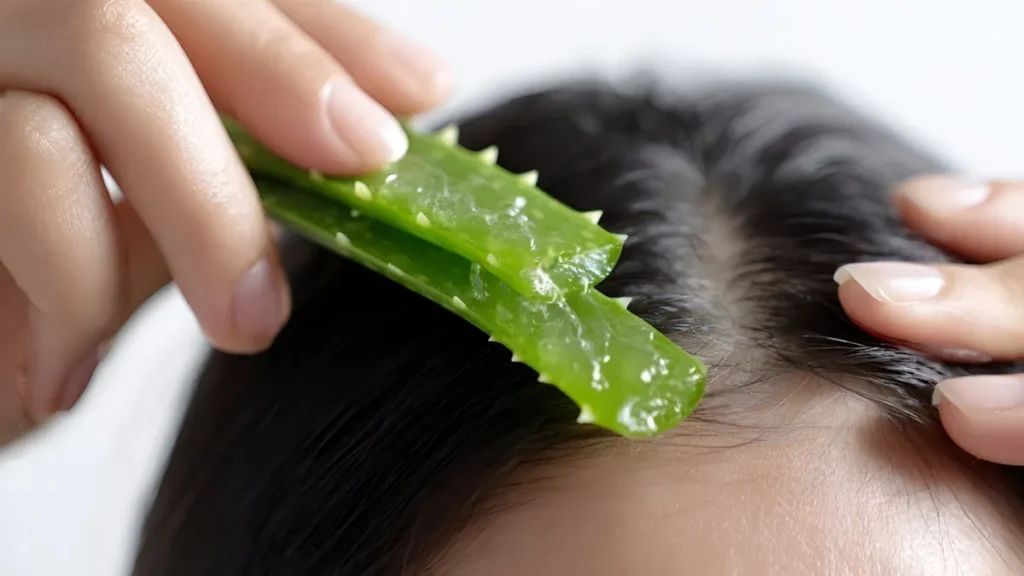
Aloe vera is highly beneficial for hair care, as it nourishes the scalp, reduces dandruff, and promotes hair growth. The enzymes present in aloe vera repair dead skin cells on the scalp, fostering a healthy environment conducive to hair growth.

7. Improves digestion

Consuming aloe vera juice in moderation has several digestive advantages. It can help lower stomach acid, enhance intestinal health, and relieve constipation. These actions make it a potentially useful adjunct to digestive health regimes.

8. Boosts immunity

Aloe vera provides antioxidants that boost the immune system. It defends the body against infections and promotes general health.

9. Helps heal wounds faster

Aloe vera has been shown to expedite wound healing through a variety of processes, including increased collagen formation, improved blood circulation, and reduced inflammation. This makes it a popular treatment for small wounds and skin injuries.

10. Supports detoxification

Aloe vera aids in the elimination of toxins from the body, hence increasing general health and energy levels. When ingested appropriately, it works as a natural detoxifier.

Dry skinHydrates instantly without oiliness
AcneReduces inflammation and bacteria
Hair fallStrengthens roots and improves scalp health
Digestive issuesSoothes stomach lining
Sun damageRepairs and cools skin

Aloe vera really lives up to its reputation as a natural healer and beauty enhancer. The benefits of aloe vera are numerous and potent, ranging from helping digestion and immunity to calming skin and strengthening hair health.

Incorporating aloe vera into your everyday routine can lead to significant changes in your overall health. It’s a simple yet efficient natural cure that may be used topically or ingested in moderation.

Certainly! If you’d like to learn more, please consider following our WhatsApp Channel, Facebook, Instagram, YouTube, Twitter, and Pinterest.

Q1: What are the main health benefits of aloe vera juice?

A1: Aloe vera juice is believed to aid with digestion, hydration, and antioxidants, which may protect the body from oxidative stress.

Q2:What are the main benefits of aloe vera for skin?

A2: Aloe vera moisturises the skin, relieves inflammation, reduces acne, promotes healing, and improves overall skin texture.

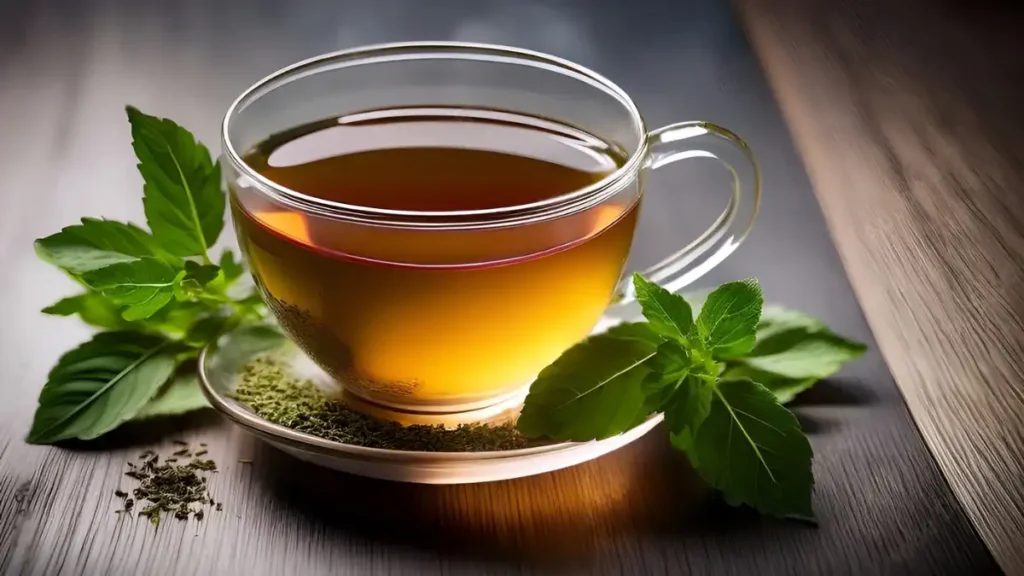
Did you know that a single plant from your garden might naturally improve your health? Tulsi, commonly known as Holy Basil, is one of the most revered and powerful medicinal plants in traditional Indian homes.

The benefits of Tulsi go far beyond just boosting immunity—it supports mental clarity, heart health, and even skin wellness. In today’s fast-paced world, including Tulsi in your daily routine can be a natural and effective strategy to boost general well-being.

Tulsi, which is high in antioxidants and essential oils, helps to strengthen the immune system. Regular use of Tulsi leaves or tea helps to battle infections, viruses, and germs. Its main advantages include improving immunological response, protecting against seasonal diseases, and preventing colds and flu.

Tulsi, known as an adaptogen, helps the body adapt to stress by regulating cortisol levels and promoting mental serenity. Its numerous advantages include reduced anxiety, improved mood, and increased mental clarity, making it an important herb for supporting general mental health.

Tulsi (Holy Basil) is recognized for its efficacy in managing various respiratory conditions, including cough, asthma, and bronchitis. Its benefits include clearing mucus from the airways, relieving cough and cold symptoms, and improving overall breathing function.

Tulsi improves cardiovascular health by maintaining healthy cholesterol levels and managing blood pressure, lowering the risk of heart disease. Its primary benefits include decreasing LDL cholesterol, increasing blood circulation, and promoting overall cardiovascular health.

Tulsi promotes digestive health by increasing the activity of digestive enzymes, which aids in food breakdown and relieves digestive pain. It aids digestion by decreasing bloating, reducing gas production, and lowering stomach acidity levels. Furthermore, Tulsi promotes general gut health, aiding in digestion and enhancing the body’s capacity to absorb nutrients efficiently.

Tulsi benefits diabetics by helping to regulate blood sugar levels naturally. Its primary advantages include increased insulin sensitivity, reduced blood sugar spikes, and improved metabolic health.

Tulsi is known for its detoxification properties, aiding in the cleansing of the body by flushing out toxins and enhancing liver function. Its detox benefits include purifying the blood, supporting liver health, and removing harmful toxins.

Tulsi is well-known for its detoxifying abilities, which help to cleanse the body by draining out toxins and improving liver function. It detoxifies the blood, promotes liver function, and eliminates dangerous pollutants.

Tulsi is frequently used in herbal toothpaste and oral care products due to its numerous oral health advantages. It specifically combats bad breath, prevents cavities, and decreases gum inflammation, making it an important element for good dental hygiene.

Adding Tulsi to your routine is simple and beneficial.

  • Tulsi Tea: Boil fresh leaves in water and consume every day.
  • Raw Leaves: Eat 4-5 leaves every morning.
  • Tulsi Powder: Combine with warm water or honey.
  • Tulsi Juice: Take 1-2 tablespoons every day.

The benefits of Tulsi make it one of the most potent natural treatments accessible today. This basic plant has several health benefits, ranging from increased immunity to improved mental health.

Incorporating Tulsi into your daily routine can promote long-term wellbeing and a better lifestyle. Tulsi, whether consumed as tea or used in natural medicines, is a true gift from nature.

Certainly! If you’d like to learn more, please consider following our WhatsApp Channel, Facebook, Instagram, YouTube, Twitter, and Pinterest.

Q1: Can I drink Tulsi tea every day?

A1: Yes, everyday usage is safe and good for your health.

Q2: What is the best time to take Tulsi?

A2: Morning on an empty stomach is excellent.

Q3: Does Tulsi help with weight loss?

A3: Yes, it increases metabolism and improves digestion.

Q4: Can children consume Tulsi?

A4: Yes, in tiny doses and with supervision.

Q5: What are the main health benefits of tulsi tea?

A5: Tulsi tea is recognized for its natural antioxidant and adaptogenic characteristics, which help to boost immunity, decrease stress, and enhance general well-being.

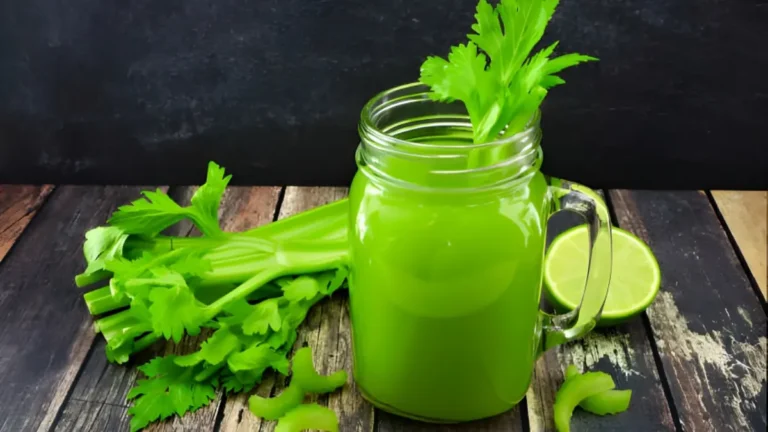
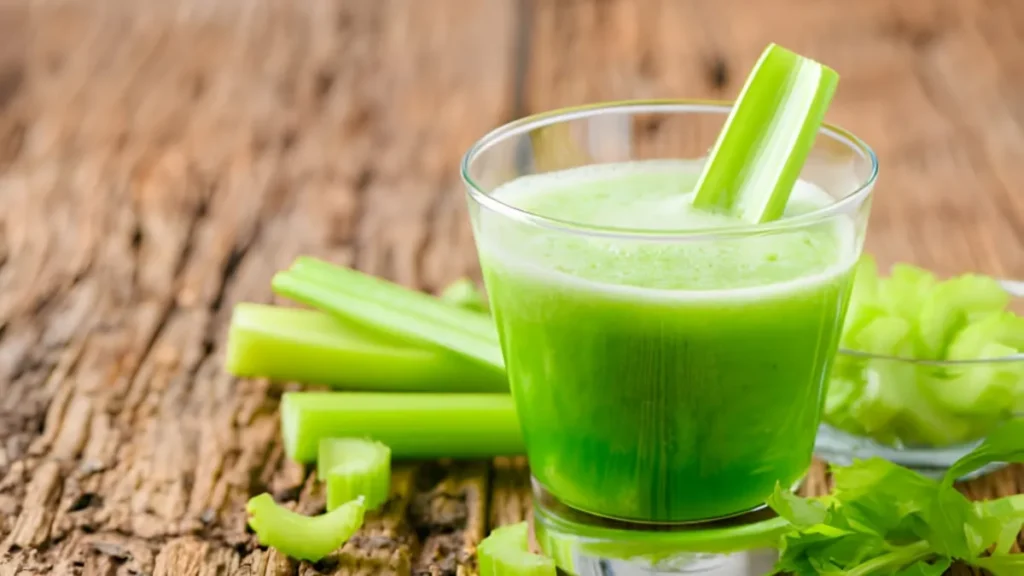
Celery juice has grown in popularity as a health elixir, lauded by both wellness enthusiasts and medical professionals for its multiple advantages. This bright green juice, made from celery stalks, is loaded with minerals and chemicals that have a favorable effect on general health. We’ll examine many of the benefits of celery juice as well as how to make celery juice.

  • Since this juice is primarily made of water, it is a highly hydrating beverage that can support the body’s fluid balance.
  • Vitamins K, C, potassium, and folate are among the vitamins, minerals, and antioxidants that are found in celery. these juices can help you achieve your daily vitamin requirements.
  • Celery juice is said by some to improve gut health and stimulate the production of stomach acid, which helps with digestion. Additionally, it might have a slight diuretic effect, which would lessen bloating.
  • Flavonoids and polyphenols, two substances found in celery, have anti-inflammatory properties. This juice may help treat illnesses like arthritis by reducing inflammation in the body when consumed regularly.
  • Celery juice’s high potassium content may improve heart health and aid control of blood pressure. Additionally, by reducing oxidative damage to blood vessels, its antioxidant capabilities may help lower the risk of cardiovascular disease.
  • According to some supporters, this juice can assist the body rid itself of waste materials and toxins by acting as a natural detoxifier.
  • To get rid of any dirt or debris, thoroughly rinse the celery stalks under cold water.
  • Cut off the ends of the stalks of celery.
  • To make the celery stalks fit in your juicer cut them into smaller pieces.
  • As directed by your juicer, feed the celery chunks through it.
  • Make sure the juice is well combined by giving it a good swirl once all the celery has been juiced.
  • To get rid of any pulp, you can optionally filter the juice using cheesecloth or a fine mesh screen.
  • For the greatest flavor and nutritional value, pour the juice into a glass and serve right away.

In conclusion, even if celery juice is becoming more and more well-liked due to its supposed health advantages—such as its possible anti-inflammatory and antioxidant qualities—it’s crucial to approach its use sensibly. Although some people might have favorable benefits, there isn’t any scientific data to back up these assertions. The foundation of good health continues to be regular exercise along with a varied and balanced diet.

Certainly! If you’d like to learn more, please consider following our WhatsApp Channel, Facebook, Instagram, YouTube, Twitter, and Pinterest.

Q1: Can celery juice help with weight loss?

A1: There isn’t any scientific data that explicitly links this juice to weight loss, even though it can be a part of a balanced diet. But it can help with hydration and might improve general health.

Q2: Are there any side effects of drinking celery juice?

A2: While most people can safely consume significant amounts of these juices, some people may experience digestive problems such as upset stomachs or diarrhea. It’s best to start slowly and pay attention to how your body reacts.

Q3: How much celery juice should I drink daily?

A3: Generally speaking, you should begin each morning on an empty stomach with about 16 ounces of fresh juice. You can then modify the amount according to how your body reacts.

Since ancient times, people have treasured cloves—an aromatic spice made from the dried flower buds of the clove tree—for their many health advantages and delicious flavor. Cloves are a powerful combination of potent chemicals and necessary nutrients that benefit your health. To open the door to improved health, we explore cloves benefits in this guide and show you how to include them in your routine.

Supercharger of antioxidants

Antioxidants in cloves, including eugenol, eugenol acetate, and flavonoids, help the body fight oxidative stress. Cloves shield cells from harm and lower the risk of chronic illnesses including diabetes, heart disease, and cancer by scavenging free radicals.

Blood sugar control

Cloves may help control blood sugar levels and enhance insulin sensitivity, which makes them advantageous for people with diabetes or at risk of getting the disease. Adding cloves to your diet could help you achieve better glycemic management.

Cloves benefits for dental health

Because of its analgesic and antibacterial qualities, cloves have long been utilized in traditional medicine for dental treatment. Clove oil is frequently used to treat mouth infections and ease toothaches. Furthermore, cloves’ antimicrobial qualities can aid in preventing gum disease and cavities.

Boost your immune system

Cloves have strong antibacterial qualities that can boost immunity and aid in the body’s defense against illnesses. Frequent clove use may keep you healthy and robust by lowering your risk of common illnesses like the flu and colds.

Cloves benefits for hair

Vitamins, minerals, and antioxidants found in cloves’ abundance can stimulate hair follicles and encourage the creation of new hair. By warding off infections and enhancing scalp health, cloves’ anti-inflammatory and antifungal qualities can help stop hair loss. Your hair will look healthier and more vivid when using cloves-enriched hair treatments.

Reproductive support

Including cloves in your diet might improve gastrointestinal health and aid with digestion. Cloves help improve nutrient absorption and lessen gas, bloating, and indigestion symptoms by inducing the synthesis of digestive enzymes.

Reduce inflammation

Cloves’ active ingredients have strong anti-inflammatory qualities that enable them to effectively reduce inflammation all over the body. It may be possible to reduce the symptoms of inflammatory diseases such as arthritis, asthma, and inflammatory bowel disease by consuming cloves or clove oil.

Cloves benefits for skin

The antibacterial qualities aid in combating microorganisms that cause acne. Packed with antioxidants, they fend against free radicals and lessen aging symptoms. Anti-inflammatory properties lessen redness and calm inflamed skin. The numbing effects of eugenol content reduce the pain associated with bug stings and bites. Dead skin cells are removed by exfoliating qualities, which results in a smoother complexion.

Cloves provide a range of health benefits that can improve your overall well-being, from immune system support and dental health to anti-inflammatory and antioxidant properties. Through the use of cloves in baking, cooking, or topical application, you can take advantage of their medicinal qualities and start your path to better health. Discover the possibilities of cloves and witness the life-changing impact they can have.

Certainly! If you’d like to learn more, please consider following our WhatsApp Channel, Facebook, Instagram, YouTube, Twitter, and Pinterest.

Q1: What are the cloves benefits for females?

A1: Cloves are beneficial to women in many ways, including easing menstruation pain, aiding digestion, enhancing immunity, and improving general health.

Q2: What are the health benefits of using whole cloves?

A2: Due to their antibacterial qualities, whole cloves also improve immune system function, aid in digestion, reduce inflammation, and promote dental health.

Q3: What are the cloves benefits for males?

A3: Because of its aphrodisiac qualities, cloves can improve sexual health, which is beneficial to male health. They might also help to promote general reproductive health and increase testosterone levels.

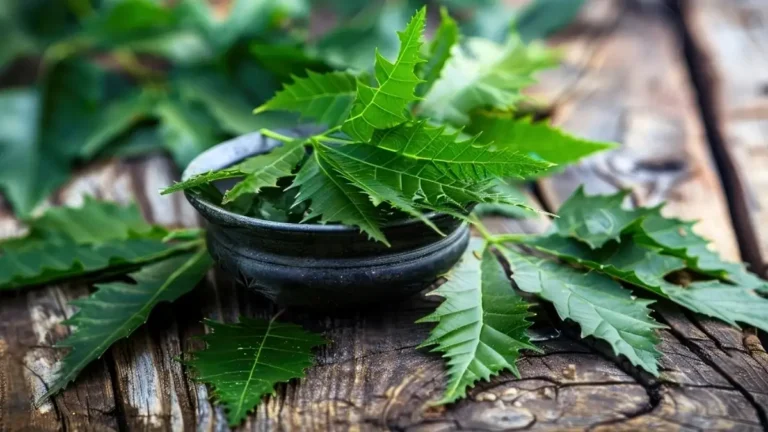
Nature’s treatments have a quiet power all their own, and neem is no exception. The phrase 9 Benefits of Neem: Powerful Healing Secrets Revealed is more than simply a catchy title; it represents centuries of wisdom passed down through generations.

Neem, often known as the “village pharmacy,” has been utilized in traditional medicine for thousands of years. From treating skin issues to boosting immunity, this simple tree provides remedies that contemporary science is only beginning to grasp. Ironically, in a world obsessed with manufactured solutions, we frequently overlook natural marvels that flourish just in our own backyard.

Neem’s adaptability is what makes it so interesting. Leaves, bark, oil, and even flowers—all elements of the tree have therapeutic properties. Whether you have acne, a weakened immune system, or digestive problems, neem quietly helps.

But here’s the twist: despite its bitter taste, neem has delicious health benefits. It’s almost as though nature is saying, “Good things don’t always come easy.”

Let’s dig deeper and discover the 9 Benefits of Neem: Powerful Healing Secrets Revealed, step by step.

Benefit AreaKey Advantage
Skin HealthClears acne and infections
Hair CareStrengthens roots and reduces dandruff
ImmunityBoosts natural defense system
Blood PurificationDetoxifies harmful toxins
Oral HealthPrevents gum disease
DigestionImproves gut health
Anti-inflammatoryReduces swelling and pain
AntibacterialFights harmful microbes
Blood SugarHelps regulate glucose levels

One of the most major benefits of neem is its capacity to boost the immune system. Neem contains potent antioxidants that combat free radicals and protect the body from illness.

How it helps:

  • Improves immunological response.
  • fights bacteria and viruses.
  • Reduces inflammation.

Neem is known for its helpful skin-healing qualities, which are especially efficient against acne, pimples, and other skin disorders. It can help cure acne and scars, reduce pigmentation, and soothe inflammation and redness.

Neem has a long history of use in dentistry, with methods such as chewing neem sticks or using neem-based toothpaste proven to improve oral health. Neem has several benefits, including the potential to prevent gum disease, decrease plaque formation, and counteract foul breath.

Neem is recognized for its blood-purifying capabilities, which help to remove toxins from the body, resulting in better overall health and energy levels. Neem has several beneficial effects, including blood purification, better liver function, and increased metabolism.

Neem is well known as a helpful treatment for a variety of hair problems, notably dandruff, hair loss, and scalp infections. Its advantages include strengthening hair roots, decreasing dandruff, and supporting healthy hair development, making it an excellent natural treatment choice for keeping hair healthy.

Neem has been found as a potentially useful herbal therapy for people with diabetes, especially when used carefully. Its therapeutic effects can be ascribed to a variety of methods. For starters, it has been shown to increase insulin sensitivity, which is essential for the body’s optimal glucose use. Furthermore, neem has been demonstrated to lower blood glucose levels, contributing in the management of hyperglycemia. Furthermore, it promotes pancreatic health, which is essential for insulin synthesis and control. Together, these qualities indicate that neem can be an effective addition in the diabetic control regimen when taken correctly.

Neem has shown high potency against a variety of pathogens, including bacteria, fungus, and viruses, making it a popular ingredient in natural medicines. Its principal applications include treating wounds, avoiding infections, and repairing skin disorders, demonstrating its diverse therapeutic promise in infection control and dermatological health.

Neem improves digestive health by attacking dangerous germs and promoting overall digestive wellbeing. Its digestive advantages include lowering acidity, preventing ulcers, and improving gut health, all of which contribute to a healthy and efficient digestive tract.

Neem oil is a popular natural insect repellent that is used in agriculture as well as in the home. Its significant advantages include the capacity to efficiently repel mosquitoes, creating a barrier against these prevalent pests. Additionally, neem oil provides strong protection for plants, sheltering them from a variety of hazardous insect pests that might endanger their health and growth. Furthermore, it distinguishes itself as an environmentally benign alternative to standard chemical pesticides, appealing to customers and farmers seeking sustainable pest management solutions. These characteristics make neem oil an important resource for ensuring human comfort and agricultural output while reducing environmental damage.

The trip through 9 Benefits of Neem: Powerful Healing Secrets Revealed demonstrates that neem is more than a tree; it is a natural healer.

Despite its bitter taste, neem has several health and cosmetic advantages. In a world full with artificial solutions, neem serves as a reminder that sometimes the simplest remedies are the most effective.

Certainly! If you’d like to learn more, please consider following our WhatsApp Channel, Facebook, Instagram, YouTube, Twitter, and Pinterest.

Q1: Are there any side effects of neem?

A1: Excessive usage may result in minor stomach problems or allergies.

Q2: What are the main benefits of neem oil for hair?

A2: Neem oil improves scalp health, reduces dandruff, strengthens hair roots, and promotes better hair development.

Q3: What are the main benefits of neem powder?

A3: Neem powder is regarded for its antibacterial, antifungal, and anti-inflammatory effects, which benefit skin, hair, and general health.

Q4: What is the best way to consume neem?

A4: Neem can be taken as juice, powder, or capsules, according on your preferences.

Q5: Can neem cure acne permanently?

A5: Neem can help reduce acne, but it is most effective when used with a thorough skincare routine.

When it comes to natural hair care, rosemary oil is a powerful potion with many advantages. This herbal medicine has been prized for ages for its ability to feed the scalp and stimulate hair growth. Not only is making this oil at home easy, but it also gives you complete control over the ingredients, so you can customize it to suit the needs of your hair. By learning how to make rosemary oil at home, you may make use of its powerful properties in an economical and environmentally friendly way.

  • To begin, give the fresh rosemary leaves a thorough wash to get rid of any dirt or contaminants. After that, using a fresh towel or paper towel, pat them dry to eliminate any remaining moisture.
  • When rosemary leaves are bruised, their essential oils—which are beneficial to hair—are released. You can gently brush the leaves with your fingertips or use a mortar and pestle to bruise them.
  • Transfer the crushed rosemary leaves to a sanitized glass container. Make sure the leaves are fully soaked by covering them with your preferred carrier oil. By acting as a solvent, the oil draws the advantageous substances out of its leaves.
  • A more conventional approach would be to store the jar of oil and its leaves in a sunny area for two to four weeks. The warmth and sunlight will aid in transferring the scent and characteristics of the rosemary into the oil.
  • For a speedier outcome, you can also employ a moderate heat infusion method. For one to two hours, place the jar in a pot of simmering water (double boiler method). To stop any water from getting into the oil, make sure the water level is below the jar cover. To prevent overheating, pay attention to the water’s temperature and level.
  • After the infusion is finished, take the jar from the burner and allow it to come down to room temperature. Pour the oil into a fresh basin or straight into the storage bottle by straining it through cheesecloth or a fine mesh filter. To get as much oil as possible out of the rosemary leaves, squeeze the cheesecloth.
  • Pour the strainer-filled rosemary oil into a dark glass bottle that fits tightly. Dark glass shields the oil from light exposure, which over time might deteriorate its quality. Finally, the bottle should be kept out of direct sunlight in a cool, dark place.

To summarize, understanding how to make rosemary oil for hair is a natural and effective alternative for improving hair health and growth. The following steps can enhance rosemary’s properties, including enhancing shine, preventing dandruff, and stimulating circulation. Stronger, healthier hair strands and a regenerated scalp might result from regular application of this oil to the scalp and hair.

Certainly! If you’d like to learn more, please consider following our WhatsApp Channel, Facebook, Instagram, YouTube, Twitter, and Pinterest.

Q1: How to make rosemary oil with coconut oil?

A1: Just simmer fresh rosemary leaves in heated coconut oil for a few hours, then filter the leaves off before using to make rosemary oil.

Q2: How to make rosemary oil at home?

A2: To prepare this oil at home, just steep fresh rosemary sprigs for a few weeks in a carrier oil, like olive or almond oil, then filter the herbs to obtain a flavorful and multipurpose oil.

Q3: What are the benefits of using rosemary oil for hair growth?

A3: This oil enhances scalp blood circulation, promotes hair growth, and treats scalp conditions like dandruff and flakiness, resulting in healthier hair.