
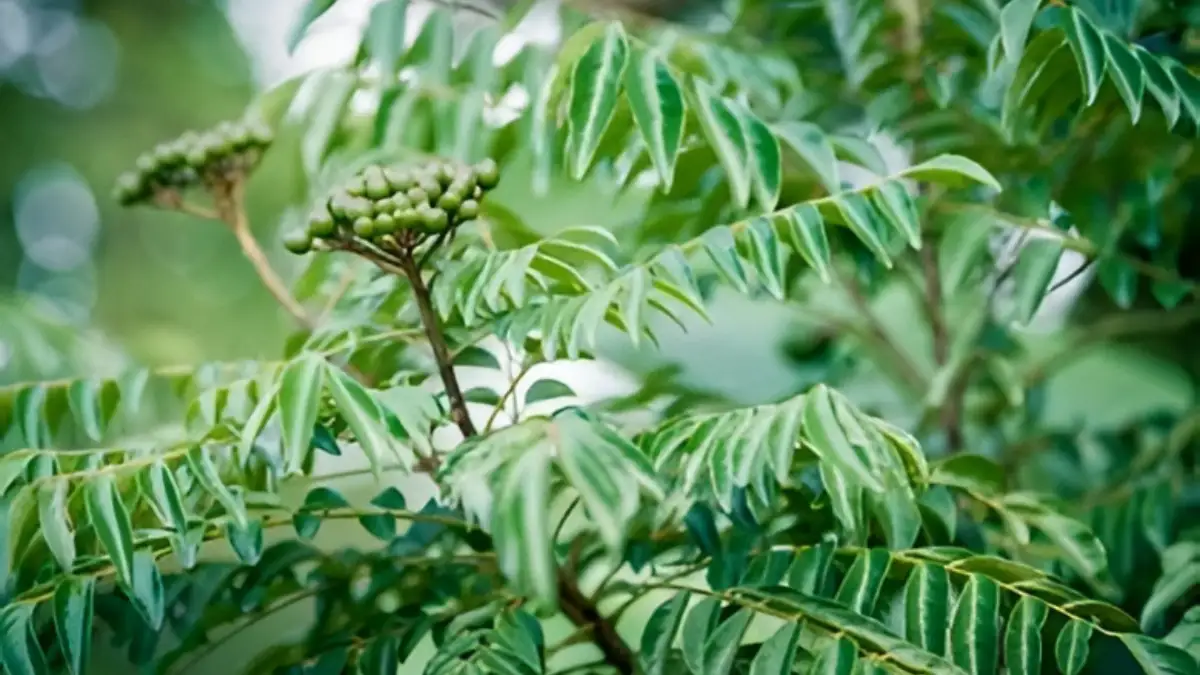
Fresh curry leaves have a unique aroma that is both bright, lemony, and intensely savoury. If you’ve only ever cooked with dried leaves from a jar, planting a curry leaf plant at home will genuinely change the way you cook. This tutorial will explain everything: what it is, how to grow it, how to care for it, and why it deserves a permanent place on your windowsill or garden.
What is the curry leaf plant?
The curry leaf plant, known botanically as Murraya koenigii, is a tropical tree native to the Indian subcontinent and Sri Lanka. It belongs to the citrus family (Rutaceae) and grows naturally in warm, humid climates. Despite the name, it has no botanical connection to curry powder — but its distinctive leaves are indispensable in South Indian, Sri Lankan, and Southeast Asian cuisine.
Left unpruned, it can reach 4–6 metres outdoors. As a container plant, it stays compact and manageable, making it ideal for home growers even in cooler climates.
Fun fact: The curry leaf plant is not an ingredient in curry powder. It is, however, one of the most aromatic herbs used in tempering — that final flavour-building step where whole spices and leaves sizzle in hot oil before being poured over a dish.
How to grow a curry leaf plant
Starting from seed or cuttings
You can grow a curry leaf plant from fresh seeds, stem cuttings, or suckers (shoots that emerge from the base of a mature plant). Seeds from ripe blackberries germinate pretty well; the process is gradual (4-8 weeks). Stem cuttings and suckers root more quickly and are typically the favoured approach for home gardeners.
Best soil for curry leaf plant
Use a well-draining pot with ample drainage holes — at least 30 cm in diameter for a starter plant. A sandy loam or normal potting mix combined with perlite works nicely. Curry leaf plants dislike soggy roots and will produce yellowing leaves if drainage is inadequate.
| Sunlight | Full sun, 6–8 hours daily. South-facing windowsill indoors. |
| Watering | Water deeply, then let the top inch of soil dry before the next watering. |
| Temperature | Thrives at 15–35°C. Bring indoors when temps drop below 10°C. |
| Fertiliser | Feed with a nitrogen-rich fertiliser monthly during the growing season. |
Caring for your curry leaf plant year-round
How to prune the curry leaf plant and harvest
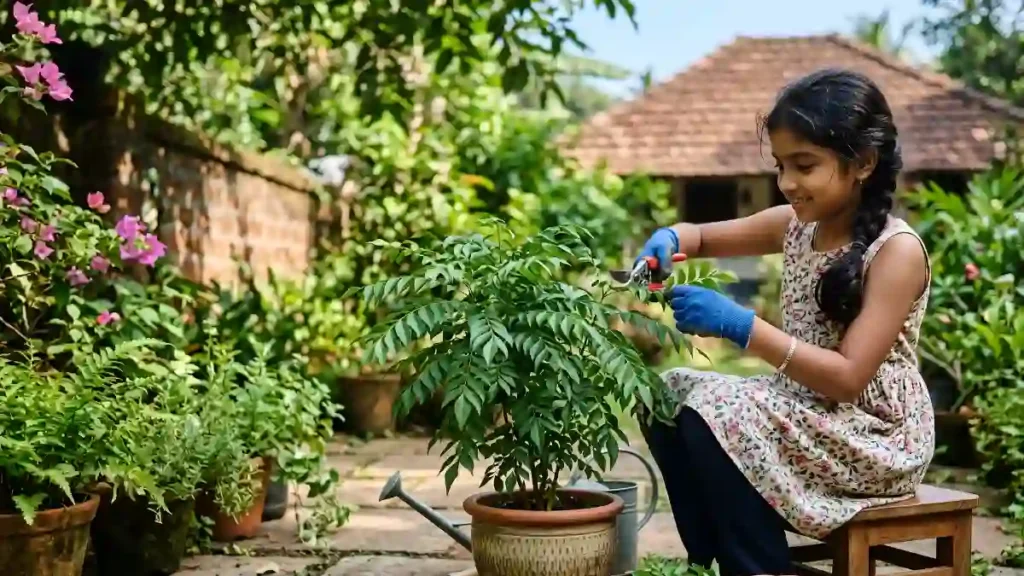
Regular pruning keeps the plant bushy and productive. Harvest sprigs from the top, never removing a branch completely. After harvesting, the plant regenerates in a few weeks. It is natural for the plant to go semi-dormant and drop leaves throughout the winter. Reduce watering and fertiliser use till spring.
Common problems and fixes
Yellow leaves are typically indicative of overwatering, inadequate drainage, or iron deficiency. A dosage of iron chelate or a diluted solution of rice-washed water is typically beneficial. Neem oil spray is effective for controlling scale insects and citrus psyllids. Fungal problems are infrequent if the plant has adequate ventilation and is not overwatered.
How to propagate a curry leaf plant
The easiest ways to propagate a curry leaf plant are through stem cuttings, seeds, or suckers. Cut a 10-15 cm semi-hardwood stem, remove the lower leaves, soak the cut end in rooting hormone, and plant in wet, well-drained potting soil. Maintain a warm and humid environment for 4-6 weeks until the roots form. For seeds, only utilise fresh ones taken from ripe blackberries; dry or old seeds seldom germinate. Remove the outer pulp, plant the seed around 1 cm deep, and maintain the soil moist in a warm location. Suckers (shoots emerging from the base of a mature plant) are the quickest and most dependable way; simply dig one up with its roots intact and pot it directly. Warmth, indirect light, and patience are essential components for whichever approach you pick.
Culinary uses: What to do with fresh curry leaves
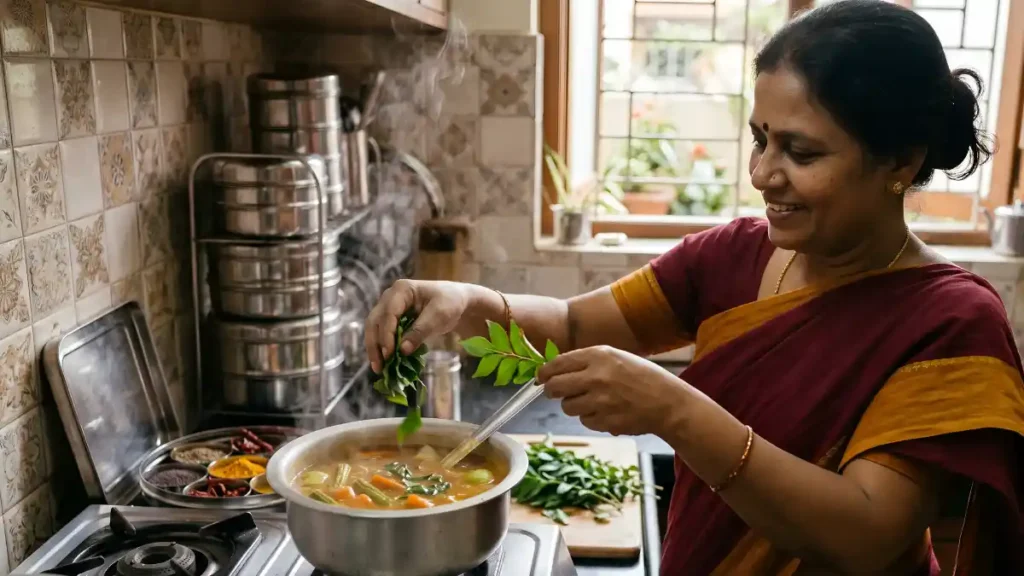
Fresh curry leaves have a flavour that dried versions simply cannot replicate — earthy, citrusy, and almost nutty when fried in oil. Here’s how to use them:
- Temper in hot oil or ghee with mustard seeds and dried chillies to start a dal or sambar
- Add to coconut chutneys, rasam, and fish curries for an authentic South Indian flavour
- Infuse into curd (yoghurt) for a fragrant raita
- Fry until crisp and scatter over rice or soup as a garnish
- Blend into curry leaf pesto or chutney with coconut and green chilli
- Use in Sri Lankan dishes like ambul thiyal and chicken curry
Health benefits of the curry leaf plant
Used in Ayurvedic medicine for centuries, curry leaves contain alkaloids, antioxidants, and essential oils. Research suggests they may help manage blood sugar levels, support digestive health, protect liver function, and provide anti-inflammatory benefits. They are rich in iron, calcium, and vitamins A and C. While they are not a substitute for medical treatment, incorporating fresh curry leaves into a balanced diet is a simple, flavourful way to add nutritional value to everyday meals.
Conclusion:
The curry leaf plant is undoubtedly one of nature’s most generous gifts—it’s fragrant, gorgeous, therapeutic, and tasty all at once. Whether you plant it on a sunny windowsill or in your yard, it rewards even the most little effort with an inexhaustible supply of fresh leaves that no dry replacement can equal. This little plant subtly deserves a spot in every house, whether it is used to temper a dal or to promote health. If you haven’t grown one yet, there’s never been a better time to start — one plant, a little sunlight, and some patience is all it takes to bring the soul of Indian cooking right to your kitchen.
Certainly! If you’d like to learn more, please consider following us on WhatsApp, Facebook, Instagram, YouTube, Twitter, and Pinterest.
Frequently asked questions about curry leaf plant
Q1: How fast does a curry leaf plant grow?
A1: A curry leaf plant may grow 30-60 cm per year under warm circumstances with plenty of light and frequent feeding. Container plants develop slower than those planted in the ground.
Q2: Can I grow a curry leaf plant indoors?
A2: Yes. Place it on a south-facing windowsill that gets at least 6 hours of sunshine. A grow light might help throughout the cold months. Avoid chilly drafts near the windows.
Q3: How often should I water a curry leaf plant?
A3: Water deeply when the top 2-3 cm of soil is dry to the touch. In the summer, this may occur every 2-3 days; in the winter, once a week or fewer. Never let the plant sit in standing water.
Q4: Why are my curry leaf plant’s leaves turning yellow?
A4: The most common reasons are excessive watering, inadequate drainage, and iron deficiency. Ensure that the pot drains well, water only when the top inch of soil is dry, and treat with iron chelate as needed.