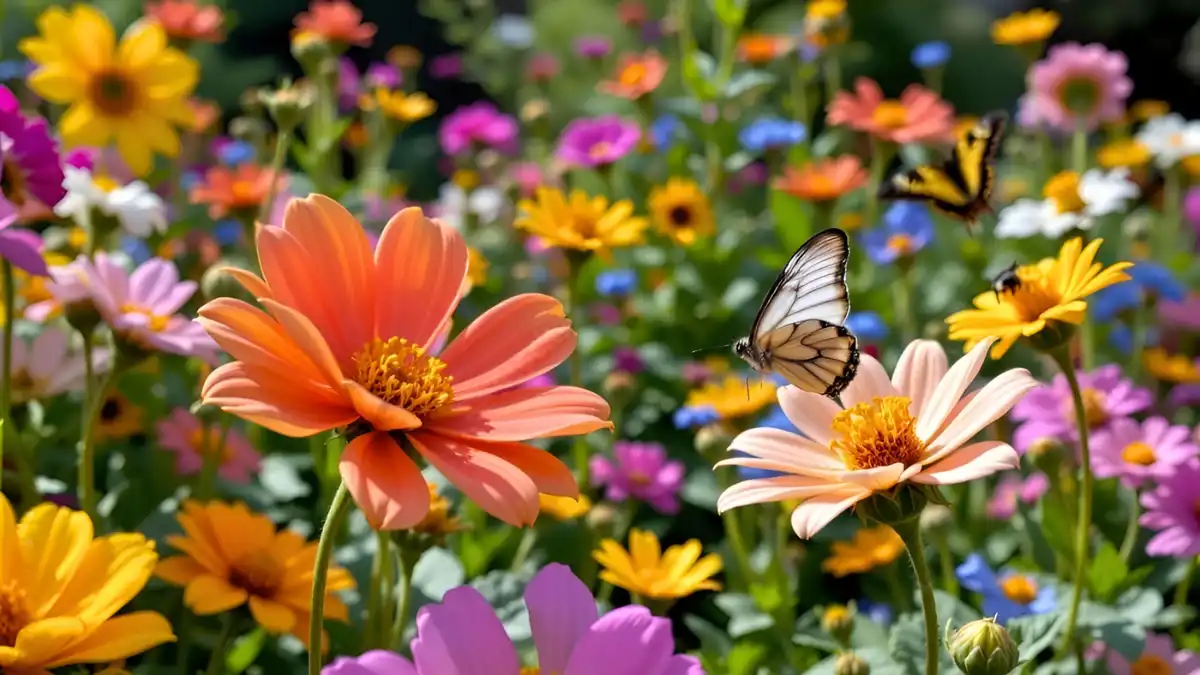
Beneficial insects such as bees, butterflies, hoverflies, and moths are in decline, but your garden may help. Choosing the correct flowers for pollinators not only benefits animals, but it also enhances crop yields by up to 30%, adds color to your garden from spring to fall, and creates a live, breathing ecosystem right outside your door. This comprehensive guide shows the top 10 best flowers for pollinators, the insects they attract, when to plant them, and how to create a wildlife-friendly garden every month of the year.
Why planting flowers for pollinators is the most important thing you can do in your garden
Pollinators, including bees, butterflies, hoverflies, moths, and beetles, are responsible for the reproduction of more than 75% of the world’s flowering plant species and around one-third of all food crops. Wild bee populations in the United Kingdom have fallen by more than 35% during the 1990s as a result of habitat loss, pesticide usage, and the removal of flower-rich meadows. However, the average British garden contains more than 700 square metres of potential habitat, making our communal gardens one of the most effective instruments for reversing pollinator loss.
The good news is that the remedy is stunning. Filling your garden with the correct pollinator species is inexpensive, involves little work, and produces spectacular rewards – for animals as well as your garden’s production, attractiveness, and biodiversity.
6 reasons to plant flowers for pollinators
- Bigger harvests – vegetable and fruit yields increase up to 30% in pollinator-rich gardens.
- Free pest control – Hoverflies and parasitic wasps that are drawn to pollen-rich plants feast on aphids.
- Longer flowering season– Choosing plants according to bloom period provides color from February to November.
- Low maintenance – Most pollinator plants are hardy, drought-tolerant, and self-seeded.
- Supports biodiversity – A diversified plant list supports ten times more species than a groomed lawn.
- Counteracts decline – Even a single garden can provide important feeding routes for local bee populations.
Top 10 best flowers for pollinators — the essential list
These 10 flowers are the gold standard for pollinator gardening. Each one was chosen for the variety of pollinator species it supports, the length of its flowering season, and how easily it can be cultivated in a normal UK garden.
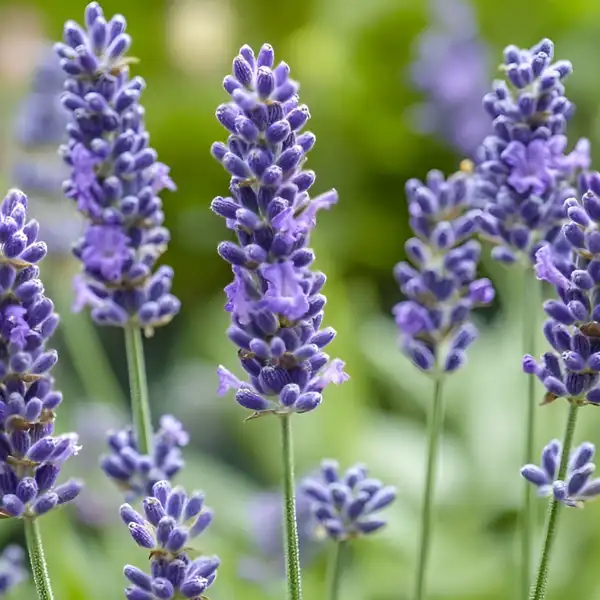
1. Lavender (Lavandula)
The most effective bee-attracting plant available to UK gardeners. From June to September, its nectar-rich purple spikes attract an abundance of honeybees, bumblebees, and solitary bees. Plant in broad light and well-drained soil; it thrives on neglect and rewards with years of fragrant, wildlife-rich flowers. Trim after flowering to maintain compactness and productivity.
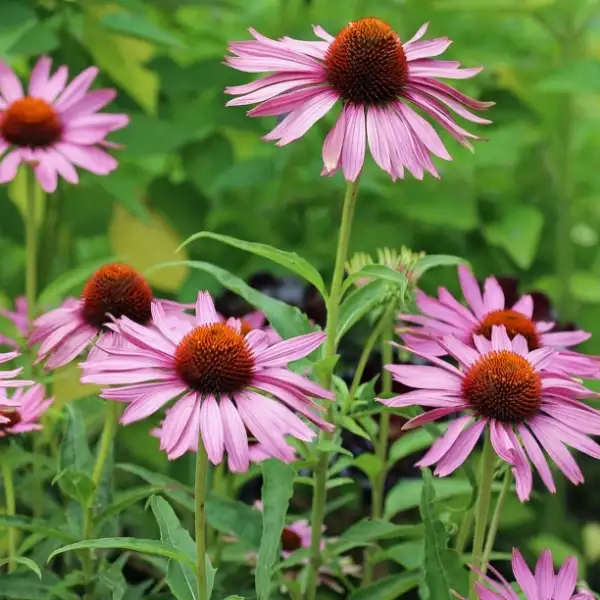
2. Echinacea (coneflower)
From July to October, bumblebees, honeybees, and butterflies are drawn to the big, daisy-like blooms of Echinacea, which have conspicuous center cones. As summer perennials fade, echinacea fills the gap. Leave seed heads hanging during the winter; they provide critical food for finches and other birds.
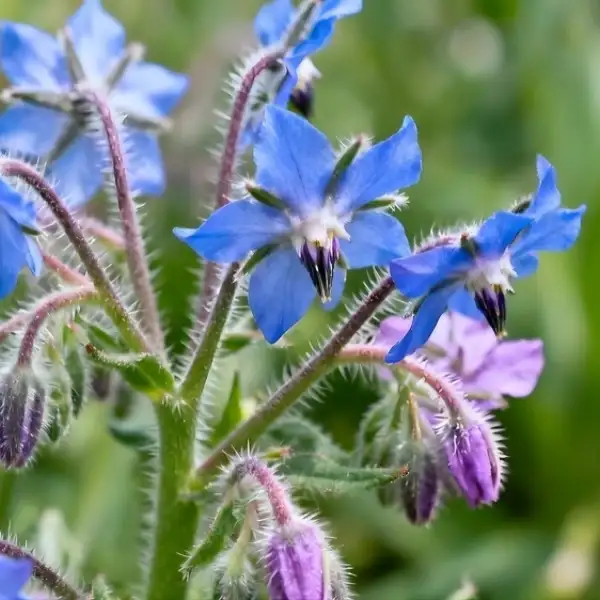
3. Borage (Borago officinalis)
Borage provides a steady supply of star-shaped blue blooms that are particularly rich in nectar, with around five times more nectar per flower than typical garden plants. It self-seeds prolifically, so you may plant it once and enjoy it every year. Its edible flowers make a lovely complement to summer cocktails and salads.
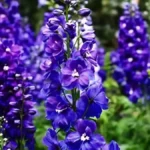
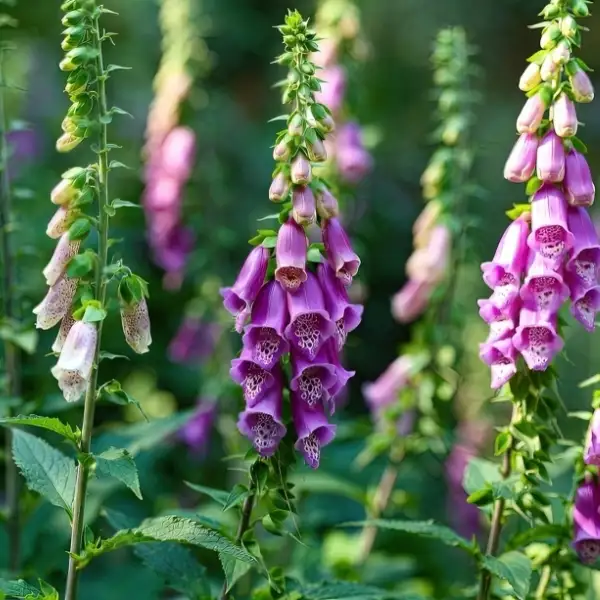
4. Foxglove (Digitalis purpurea)
The foxglove’s large tubular bells are ideal for bumblebees, who may dive inside to collect nectar that other insects cannot reach. Foxgloves grow in partial shade, a rarity among pollinator plants, making them ideal for north-facing borders. They are biennial, blooming in their second year, but self-seed so consistently that they virtually become permanent.
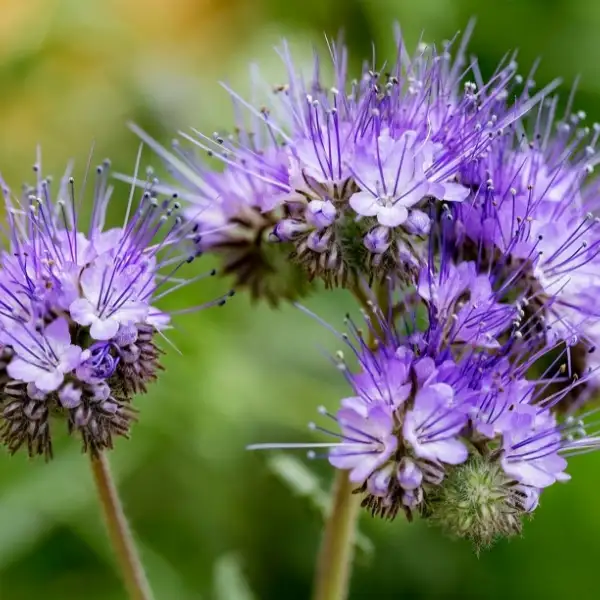
5. Phacelia (Phacelia tanacetifolia)
Phacelia, sometimes known as “bee’s friend,” is usually regarded as the most useful bee plant per square metre in the garden. Its coiling clusters of violet-blue blooms generate nectar as soon as they open. Sow directly in April, and it will blossom within 6 weeks. It is also used as a green manure to enhance the soil.
6. Catmint (Nepeta)
Catmint blooms profusely from May to September and will bloom again in the autumn if trimmed back severely after the initial flush. Throughout the summer, bees and hoverflies visit the scented lavender-blue flower spikes. Once established, this plant is extremely drought-tolerant, making it suitable for sunny, dry borders where other plants suffer.
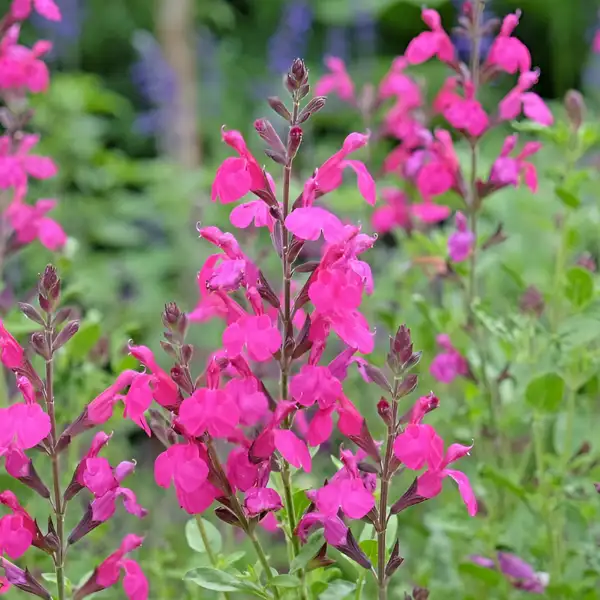
7. Salvia (ornamental sage)
Salvias are among the longest-blooming perennials, with some kinds blooming from May through November. Their tubular blooms are specifically built for bees, and the plant’s anther mechanism even deposits pollen directly on the backs of visiting bees, assuring cross-pollination. Hardy forms, such as Salvia nemorosa, overwinter successfully outside.
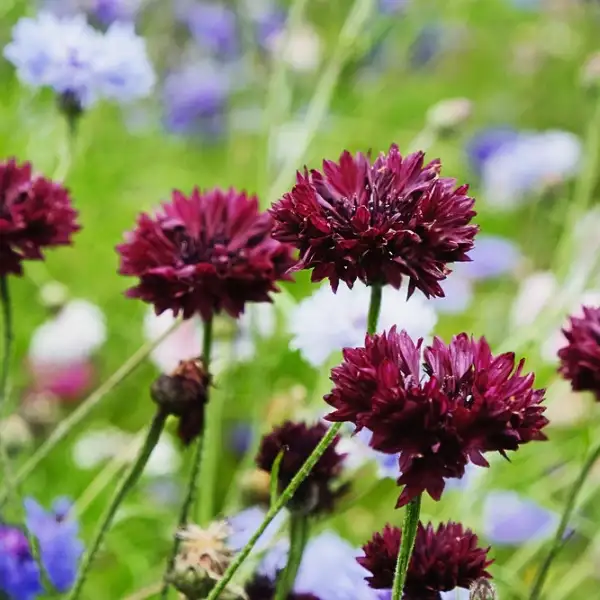
8. Cornflower (Centaurea cyanus)
Cornflower is one of the simplest wildflowers to grow, and its vibrant blue blossoms attract both bumblebees and solitary bees. Scatter seeds in April, and they will blossom in 6-8 weeks with no more maintenance. Cornflowers attract a variety of butterfly species and are an excellent plant for maintaining rare solitary bees.
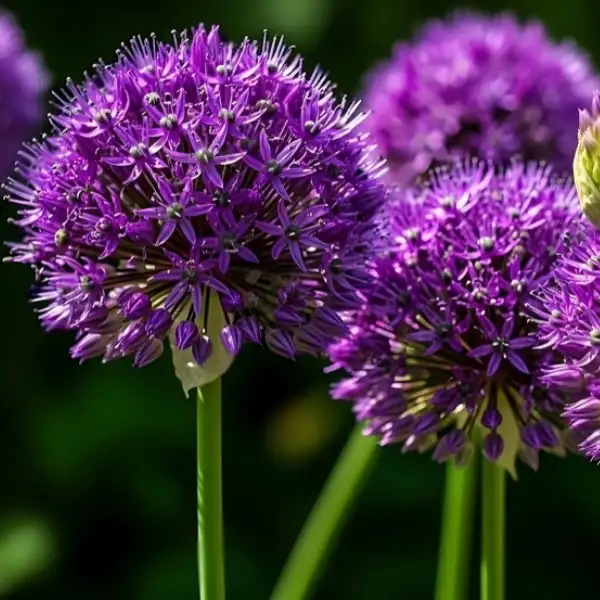
9. Allium (ornamental onion)
Alliums generate huge, spherical flowerheads that contain hundreds of small individual florets, each of which is a nectar source. Plant bulbs in the autumn to bloom from May to July. Their architectural design lends dramatic structure to borders while attracting a diverse range of pollinator species, including tiny solitary bees, huge bumblebees, and butterflies.
10. Calendula (pot marigold)
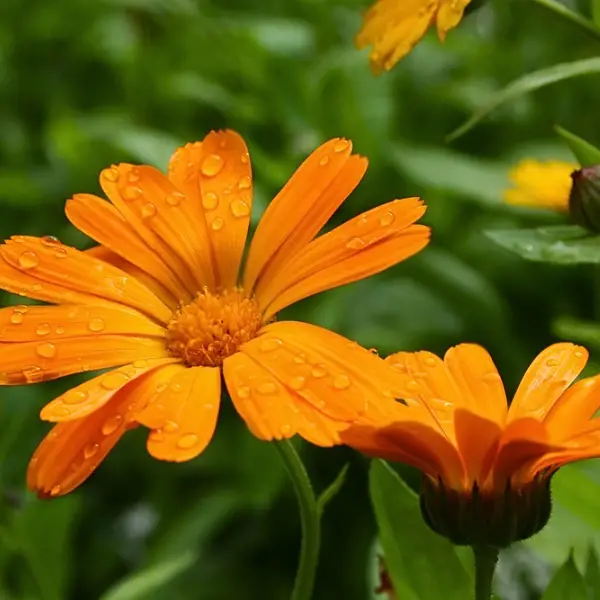
Calendula’s open, daisy-like blossoms are particularly beneficial to hoverflies, whose larvae are ferocious aphid hunters. Sow directly in April for blooming from June until the first frost. Orange petals are edible and can be used in salads, drinks, and recipes. One of the greatest companion plants for vegetable gardens since it attracts beneficial insects and repels pests.
Season-by-season flowers for pollinators
A truly effective pollinator garden is one that blooms continuously from early spring to late October. Even a few weeks without flowers can be catastrophic for pollinator populations that rely on your garden as a feeding corridor. Plan your plants such that something is constantly in bloom.
| Spring ((Mar-May) | Summer (Jun-Aug) | Autumn (Sept-Oct) | Winter (Nov-Feb) |
| Pulmonaria (lungwort) | Lavender | Echinacea | Mahonia |
| Hellebores | Phacelia | Rudbeckia | Winter heather |
| Aubretia | Borage | Verbena bonariensis | Snowdrops |
| Honesty | Cornflowers | Sedums (ice plant) | Winter-flowering clematis |
| Alliums (early) | Foxgloves | Aster (Michaelmas daisy) | Ivy flowers (Oct–Nov) |
| Forget-me-nots | Catmint | Buddleja (late flush) | Hellebores (late winter) |
| Fruit tree blossom | Salvia · Alliums | Helenium | Crocus (late Feb) |
Best flowers for pollinators in small gardens & containers
Pollinators may be supported even in areas with limited space. Many of the most beneficial pollinator plants are small, container-friendly, and thrive in pots on a balcony or patio. The goal is to select plants that have the maximum nectar value per square cm.
For containers, the most productive pollinator choices are: thyme and marjoram — low-growing, intensely scented herbs that are among the very best bee plants available and thrive in shallow pots; lavender — grow in a large terracotta pot in full sun on a south-facing wall or balcony for exceptional bee activity; phacelia — can be grown in a deep window box and will flower within 6 weeks of sowing; cosmos — tall containers with cosmos provide months of butterfly and bee flowers from June to October; and single-flowered dahlias in large containers attract a remarkable range of pollinators from July onwards and can be overwintered indoors by lifting the tubers.
Conclusion
Planting flowers for pollinators is one of the most significant things a gardener can do for animals, the environment, and the pure enjoyment of seeing your garden come to life. Begin with five plants from this list: lavender for bees, phacelia for optimum nectar value, borage as a self-seeding annual workhorse, buddleja for butterflies, and echinacea for late-season support. They will cover every major pollinator group from spring to autumn, costing very little and requiring little upkeep. Plant them this season, and your garden will never be quiet again.
Certainly! If you’d like to learn more, please consider following our WhatsApp Channel, Facebook, Instagram, YouTube, Twitter, and Pinterest.
Frequently asked questions about flowers for pollinators
Q1: What is the single best flower for pollinators?
A1: Lavender is widely considered the single best all-round flower for pollinators in the UK garden. It attracts the widest range of bee species, has an exceptionally long flowering period (June to September), is easy to grow, drought-tolerant, and thrives in most garden conditions. Phacelia is arguably more valuable per flower for bees specifically, but lavender’s longevity and accessibility to multiple pollinator types make it the overall champion.
Q2: What flowers attract butterflies to the garden?
A2: The finest flowers to attract butterflies include buddleja (butterfly bush), verbena bonariensis, echinacea, rudbeckia, sedum (ice plant), asters, and marjoram. Butterflies love open, flat flower heads that are easy to land on. Place these plants in warm, protected, and sunny locations; butterflies are cold-blooded and require warmth to fly and eat properly.
Q3: When should I plant flowers for pollinators?
A3: Spring (March-May) is the optimum time to plant most perennials and annuals, while fall (September-November) is ideal for spring-flowering bulbs such as alliums and establishing hardy perennials before winter. Plant established pot-grown perennials such as lavender, salvia, and echinacea between April and September for immediate effect. Hardy annual seeds such as phacelia, cornflower, and borage can be planted straight from April on.